1.A Foreign Woman in a Foreign Land
At the center of the novel is Ella Lynch, an Irishwoman who becomes the mistress of Francisco Solano López, Paraguay’s future dictator. Through Ella’s outsider perspective, Tuck explores the dislocation and adaptation required to survive in a society both alluring and alien. Ella’s struggle to assert agency in a patriarchal, volatile environment mirrors the broader theme of women negotiating power in male-dominated worlds. Her experience underscores the complexities of identity, belonging, and the personal costs of ambition.
2.Love as a Political Force
Ella and López’s relationship is not just a romance but a microcosm of political ambition and national destiny. Their passion is inseparable from López’s drive to shape Paraguay’s fate, and Ella’s influence, though unofficial, is significant. The novel probes how private desires and public actions intertwine, showing how love can both empower and endanger, especially when it becomes entangled with the machinery of state.
3.The Ravages of War
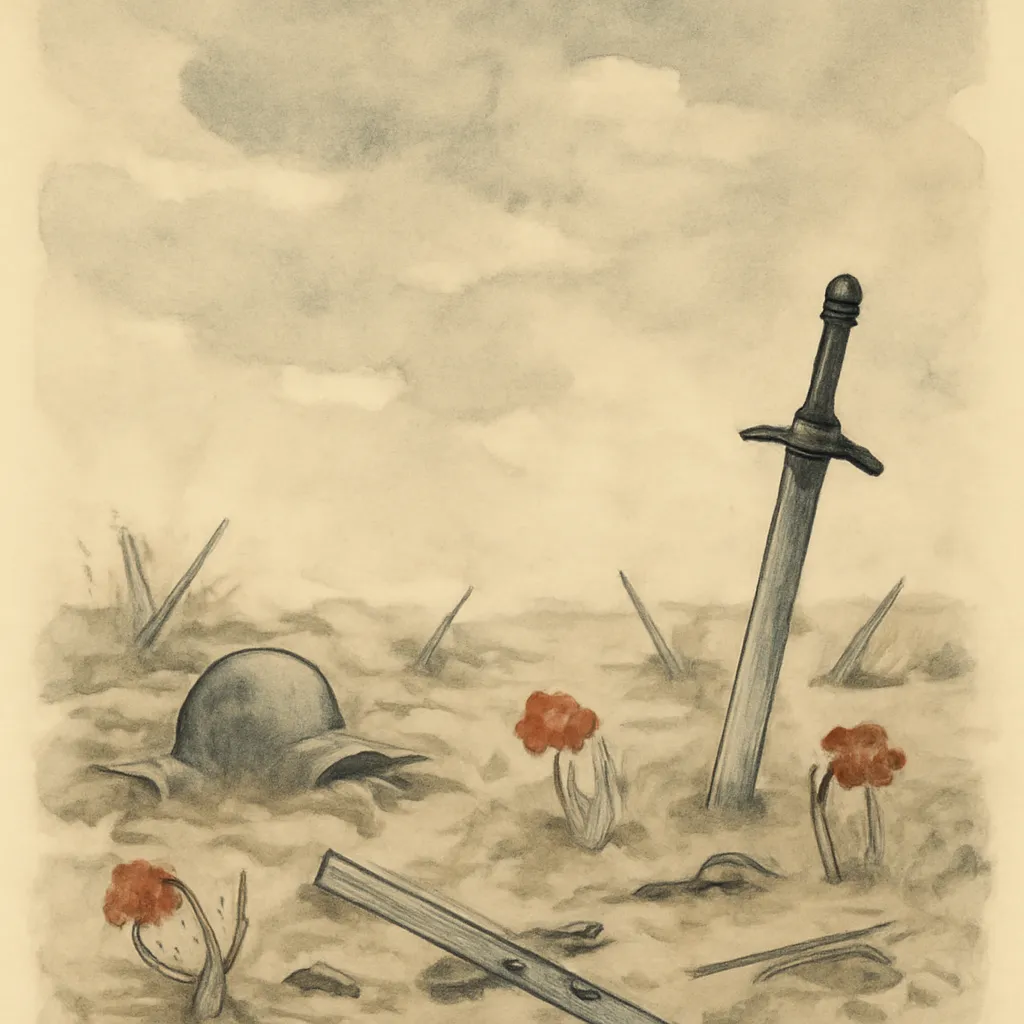
The War of the Triple Alliance forms the novel’s harrowing backdrop, transforming both the country and its characters. Tuck does not romanticize conflict; instead, she details its devastation on bodies, landscapes, and psyches. The war’s brutality exposes the limits of individual will against the sweep of history, forcing Ella and those around her to confront loss, hunger, and moral ambiguity.
4.Fragmented Storytelling, Rich Texture
Tuck employs a mosaic narrative style—short vignettes, letters, and shifting viewpoints—to evoke the tumult and uncertainty of the era. This structure mirrors the fragmentation of both personal and national identity, immersing readers in a world where information is partial and truth elusive. The result is a tapestry of voices and moments, inviting readers to piece together meaning from scattered fragments.
5.Exoticism and the Colonial Gaze
The novel interrogates the allure and danger of exoticism, both for Ella and for readers. Paraguay is depicted with sensual detail, but always through the filter of an outsider’s gaze. Tuck raises questions about the ethics of desire—for people, places, and power—while acknowledging the limitations and distortions of foreign perspective.
6.The Limits of Power and the Price of Ambition
Through López’s rise and catastrophic fall, the novel explores the dangers of unchecked ambition and the illusions of control. Both López and Ella are ultimately powerless before the forces they try to master—be it love, war, or fate. The narrative suggests that the pursuit of greatness, whether personal or national, often leads to ruin and loss.