1.The Corrosive Power of Institutional Racism
Whitehead exposes how systemic racism infects every aspect of life at the Nickel Academy, a fictionalized version of the notorious Dozier School. The institution's stated mission of reform is a cruel façade; beneath it lies a regime that dehumanizes Black boys through violence, neglect, and indifference. The novel shows how such systems perpetuate injustice across generations, making clear that racism is not merely the result of individual prejudice but is embedded in the very structures meant to protect and educate.
2.Idealism Versus Pragmatism
Through Elwood Curtis and his friend Turner, Whitehead dramatizes a central tension: whether to hold onto ideals in the face of relentless cruelty, or to adopt a more cynical, survivalist outlook. Elwood, inspired by Dr. King’s teachings, clings to the belief in justice and love, while Turner sees the world as irredeemably corrupt. Their dynamic prompts readers to consider the costs and limits of both hope and realism when confronted with evil.
3.The Lasting Trauma of Abuse
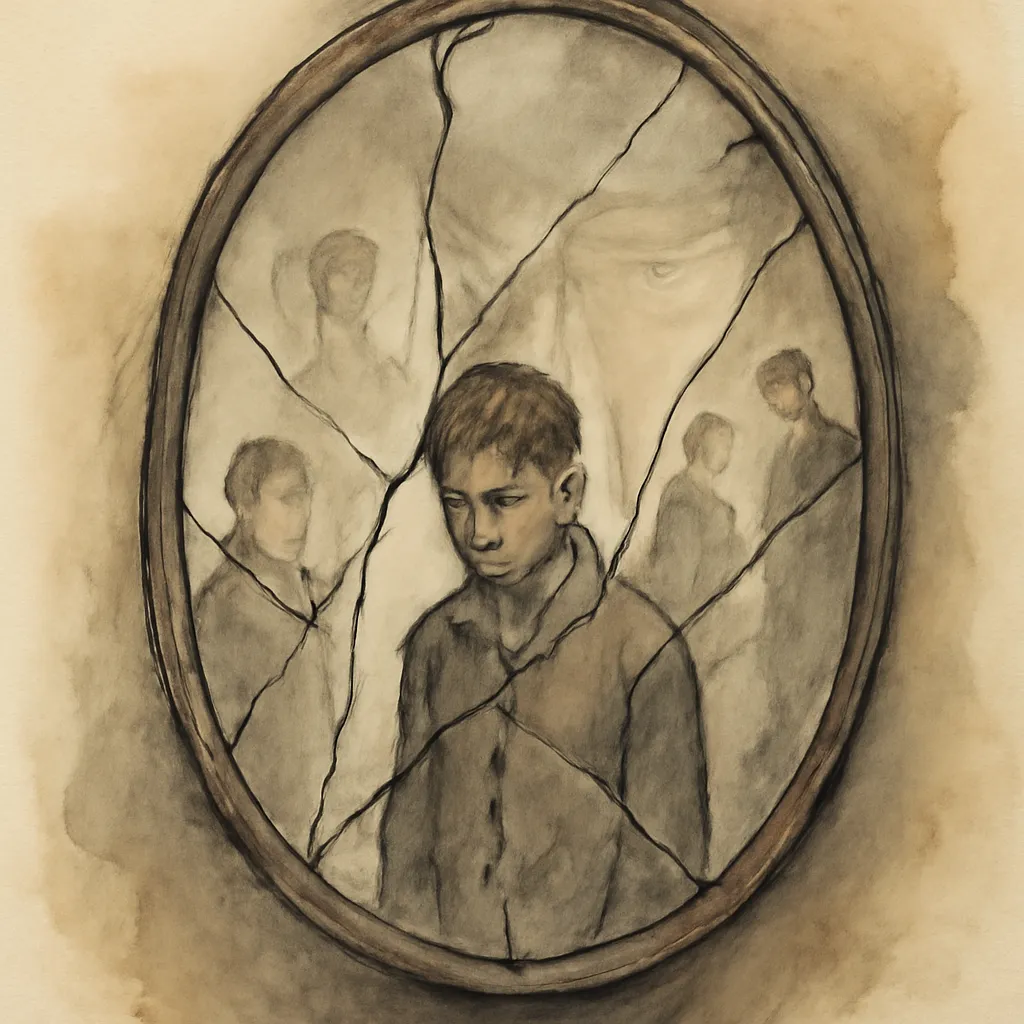
The Nickel Boys doesn’t just detail the immediate suffering of its characters; it also traces the long shadow cast by trauma. Survivors of the Nickel Academy struggle to build lives outside its walls, haunted by memories and guilt. The novel interrogates how abuse lingers, shaping identity and relationships long after the physical wounds have healed, and raises questions about the possibility of true healing or justice.
4.Moral Ambiguity and Complicity
Whitehead refuses to paint his characters or their choices in black and white. The boys at Nickel—and even some adults—are forced into impossible situations, where survival may require moral compromise. The narrative asks readers to grapple with the complexity of complicity: Who is responsible in a corrupt system? How do victims sometimes become enforcers? This ambiguity deepens the novel’s emotional impact.
5.Historical Reckoning and the Power of Memory
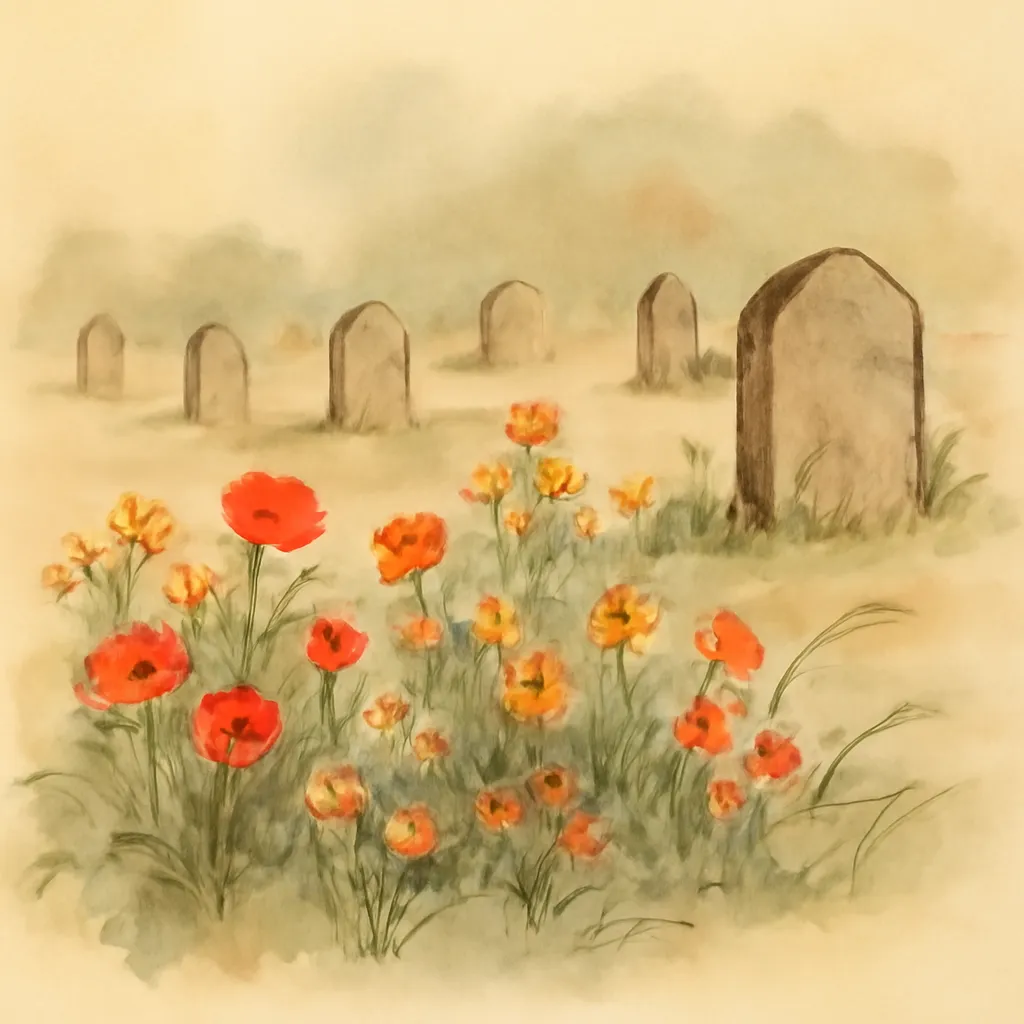
By basing his story on real events and institutions, Whitehead insists on the importance of confronting uncomfortable histories. The discovery of unmarked graves at the real Dozier School echoes in the novel’s present-day timeline, underscoring how the past refuses to stay buried. The book is a call to remember, to honor the stories of the marginalized, and to acknowledge the legacies of injustice that persist today.