1.Culture Clash and the Myth of Los Angeles
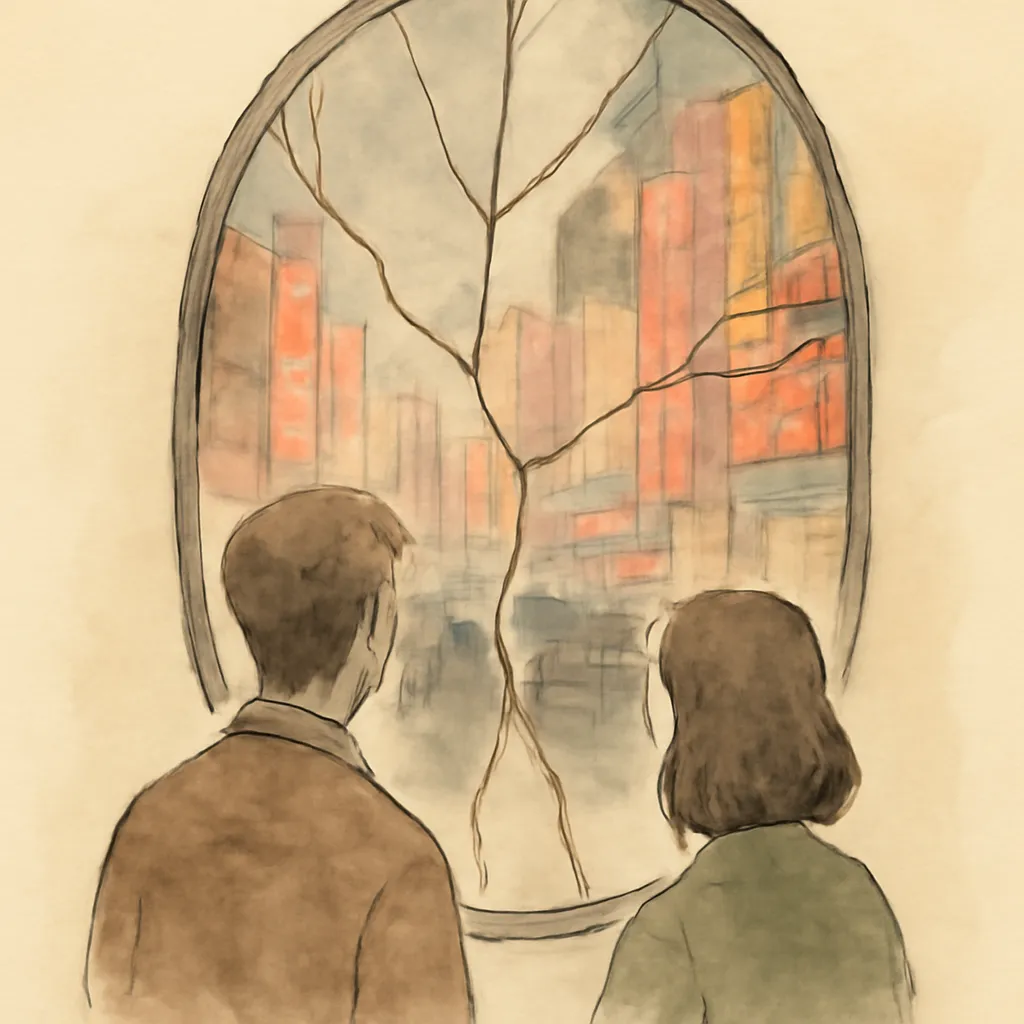
Lurie uses the Cattlemans’ move from the East Coast to Los Angeles to probe the city’s dual nature: a place of bright promise and deep emptiness. Paul is enchanted by LA’s openness and possibility, while Katherine is overwhelmed by its superficiality and chaos. The novel interrogates the myth of California as a land of reinvention, showing how the city’s sprawling, rootless environment can both liberate and disorient. This tension is central to the characters’ emotional journeys, highlighting how place shapes identity and expectations.
2.Marriage Under Pressure
The Cattlemans’ relationship serves as a microcosm for the pressures of adaptation and self-realization. As Paul and Katherine respond differently to their new environment, cracks appear in their marriage. Lurie explores how external changes—geographical, social, and cultural—can exacerbate internal doubts and desires. The novel is less about dramatic betrayals than about subtle shifts in understanding and affection, making it a sophisticated study of how couples grow together or apart.
3.Satire of Psychoanalysis and Self-Help
Through Katherine’s sessions with Iz, a well-meaning but sometimes comically earnest psychiatrist, Lurie satirizes the mid-century craze for psychoanalysis and self-improvement. The novel pokes gentle fun at the era’s faith in therapy as a cure-all, exposing both its limitations and its genuine appeal. This subplot adds a layer of humor and critique, questioning whether true happiness comes from self-knowledge or from accepting life’s ambiguities.
4.The Search for Authenticity
Both Paul and Katherine are searching for something ‘real’ in a city that often feels artificial. Paul’s flirtation with Ceci, who embodies LA’s uninhibited spirit, and Katherine’s quest for meaning through therapy, both reflect a deeper hunger for authenticity. The novel suggests that the pursuit of the ‘real’ is complicated by the masks people wear and the roles they play, especially in a city built on image and reinvention.
5.Humor and Irony as Tools of Insight
Lurie’s wit is central to the novel’s appeal. Her humor is never cruel, but it’s incisive, exposing the absurdities of both LA culture and the characters’ own pretensions. Irony allows Lurie to critique without moralizing, inviting readers to see the comedy in cultural misunderstandings and personal foibles. This lightness of touch makes the novel both entertaining and thought-provoking.
6.The Limits of Reinvention
While LA offers the fantasy of starting over, Lurie suggests that personal history and temperament are not so easily shed. Both Paul and Katherine must confront the limits of their adaptability, learning that true change is gradual and often uncomfortable. The novel ultimately questions whether reinvention is possible—or even desirable—without a reckoning with one’s past.