1.The Journey as Self-Discovery
Theroux’s narrative is as much about the internal journey as the physical one. The slow, sometimes uncomfortable train rides force him into introspection, revealing how travel can strip away assumptions and prompt self-examination. The book explores how unfamiliar places and people act as mirrors, challenging the traveler’s identity and worldview. Theroux’s willingness to be vulnerable—sometimes irritable, sometimes awed—makes the journey relatable and authentic, highlighting that travel, at its best, is transformative.
2.The Romance and Reality of Train Travel
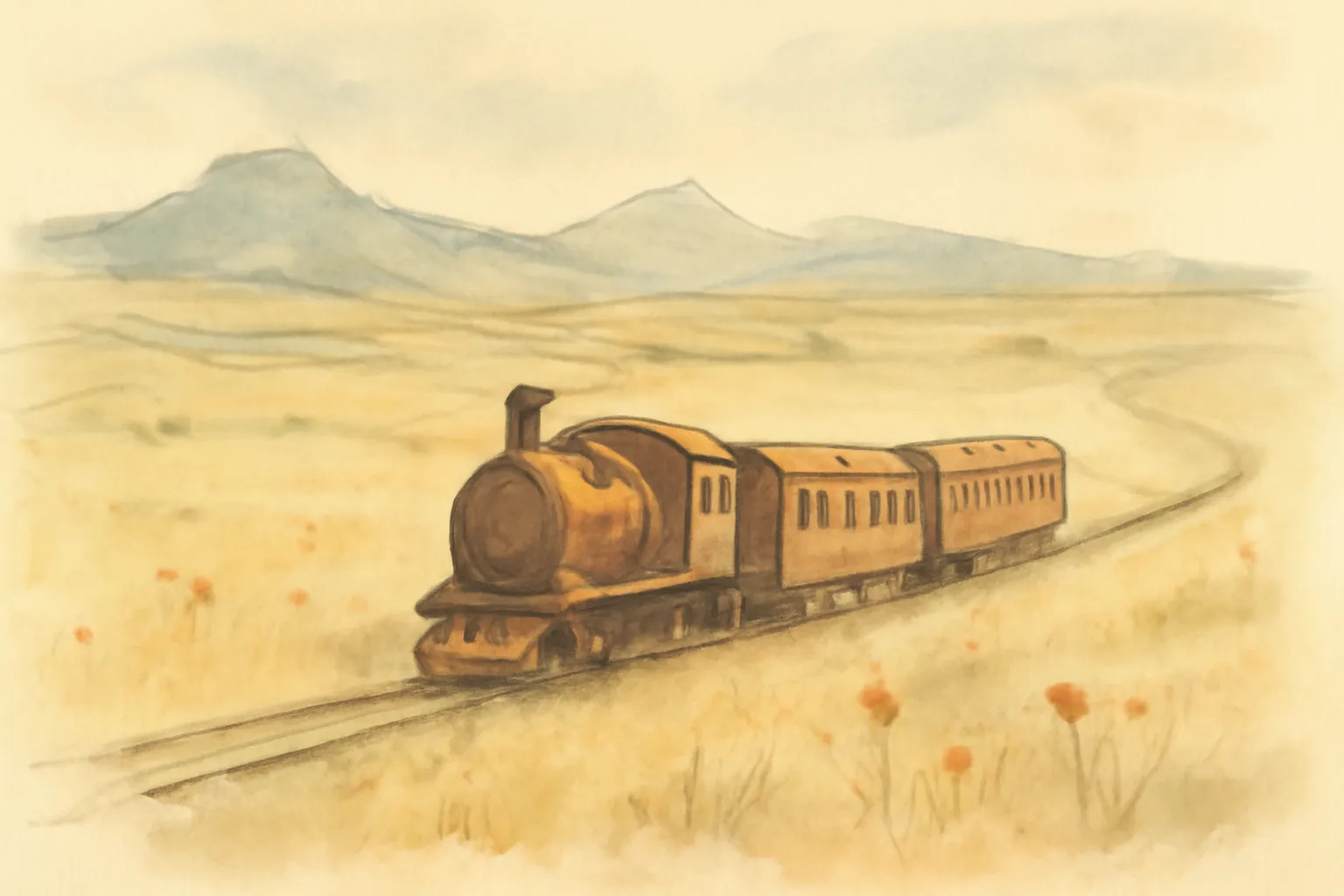
Unlike the glamorized vision of train journeys, Theroux presents the gritty, unpredictable, and often chaotic reality of rail travel in the Americas. He captures the nostalgia and romance of trains, but also the delays, discomforts, and eccentricities of fellow passengers. This contrast underscores the book’s central tension: the allure of adventure versus the challenges of the real world. Through this lens, Theroux examines how the mode of travel shapes the traveler’s experience and perceptions.
3.Encounters Across Cultures
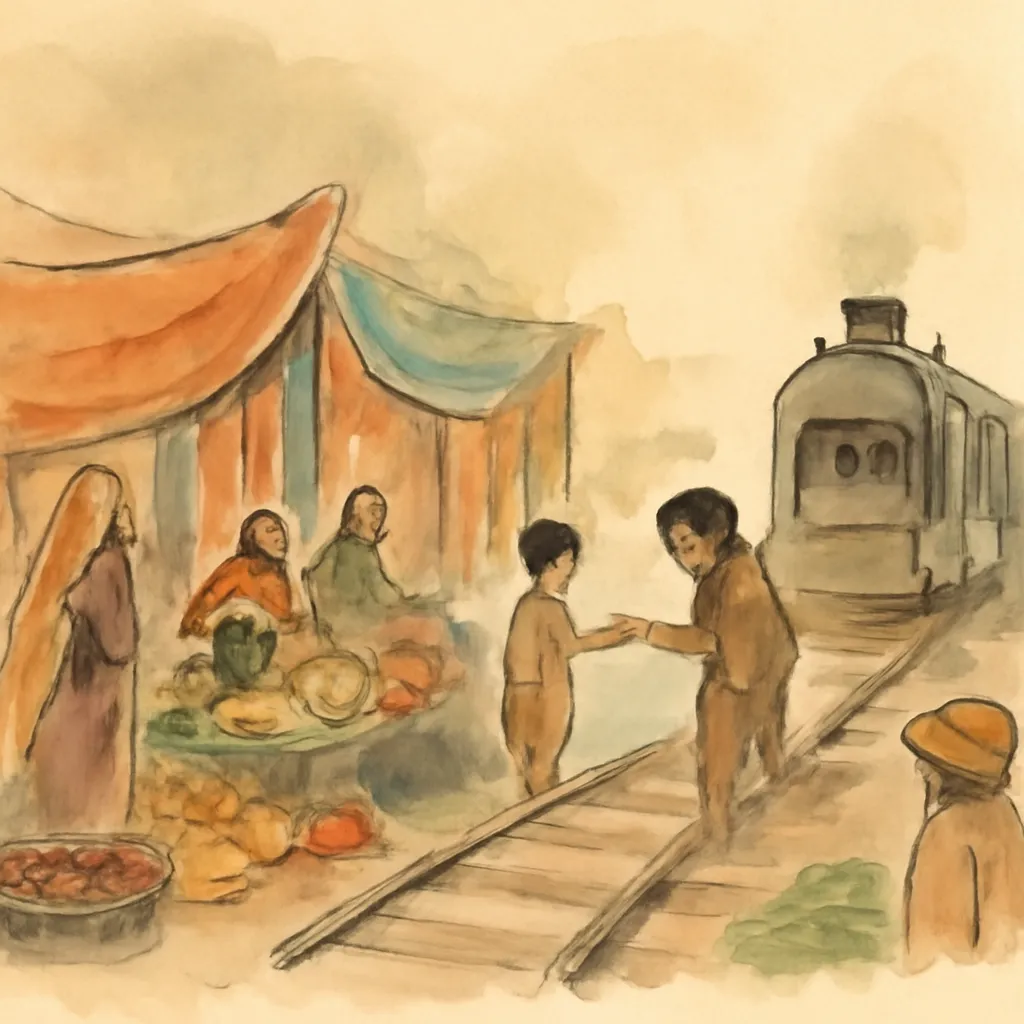
Theroux’s journey is punctuated by a series of encounters—with locals, expatriates, and fellow travelers—that reveal the complexities and contradictions of the Americas. He is both observer and participant, engaging in conversations that expose the nuances of language, politics, and daily life from Mexico to Patagonia. These interactions are not always comfortable, but they are honest, offering readers a mosaic of perspectives that challenge stereotypes and deepen understanding.
4.Literature as Compass
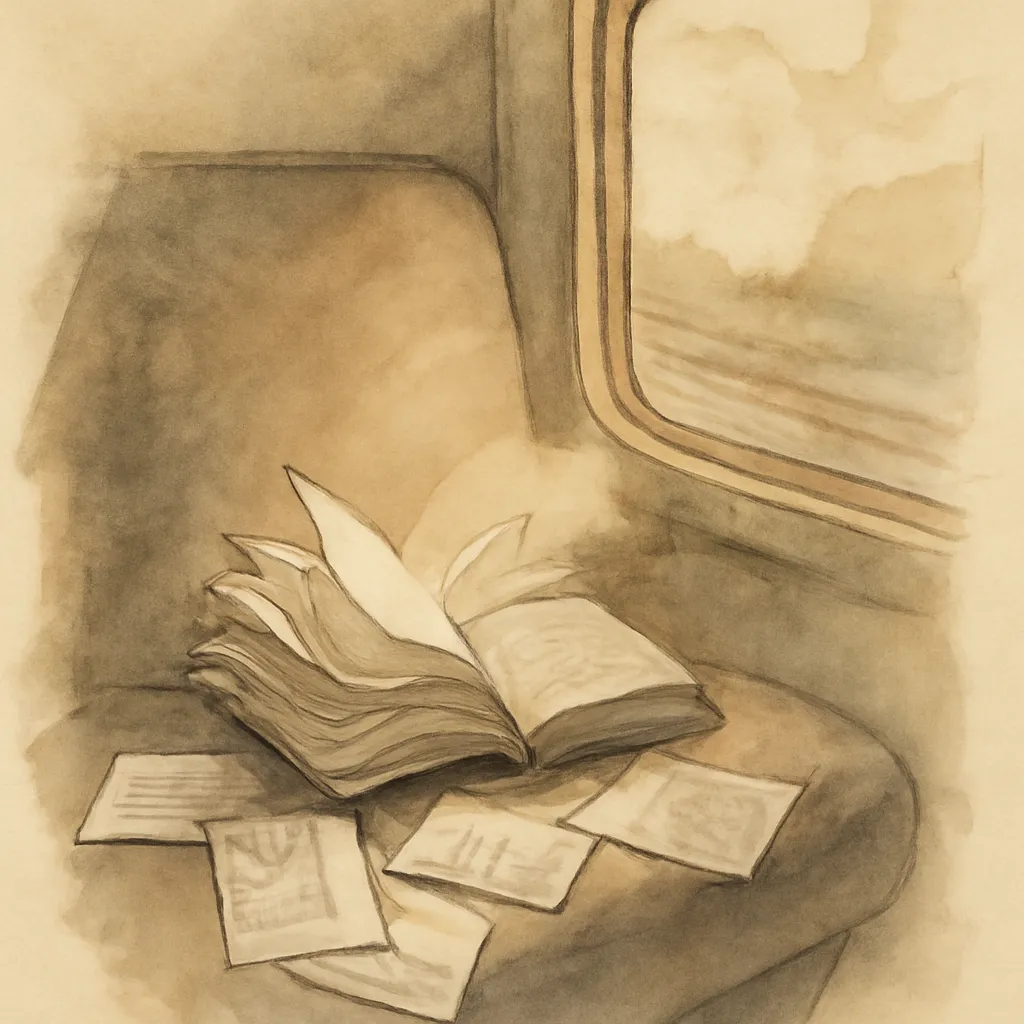
Throughout his trip, Theroux is guided by his love of literature, seeking out writers like Jorge Luis Borges and drawing on literary references to interpret his experiences. Books become both companions and maps, helping him make sense of unfamiliar territory. This interplay between reading and traveling enriches the narrative, suggesting that literature can illuminate the meaning of place and journey alike.
5.The Changing Landscape of the Americas
Theroux’s observations capture a continent in flux—politically, socially, and environmentally. He notes the contrasts between countries, the impact of history, and the signs of modernization and decay. His keen eye for detail brings to life the diversity and dynamism of the Americas, while also hinting at the forces shaping their future. The book becomes a time capsule, preserving a particular moment before globalization’s full impact.
6.The Solitude and Solidarity of Travel
Traveling alone, Theroux experiences both isolation and unexpected camaraderie. The book explores how solitude can heighten awareness, but also how fleeting connections with strangers can be deeply meaningful. This duality reflects the emotional landscape of long journeys, where loneliness and solidarity coexist, shaping the traveler’s sense of self and place.