1.Episteme: The Hidden Structures of Thought
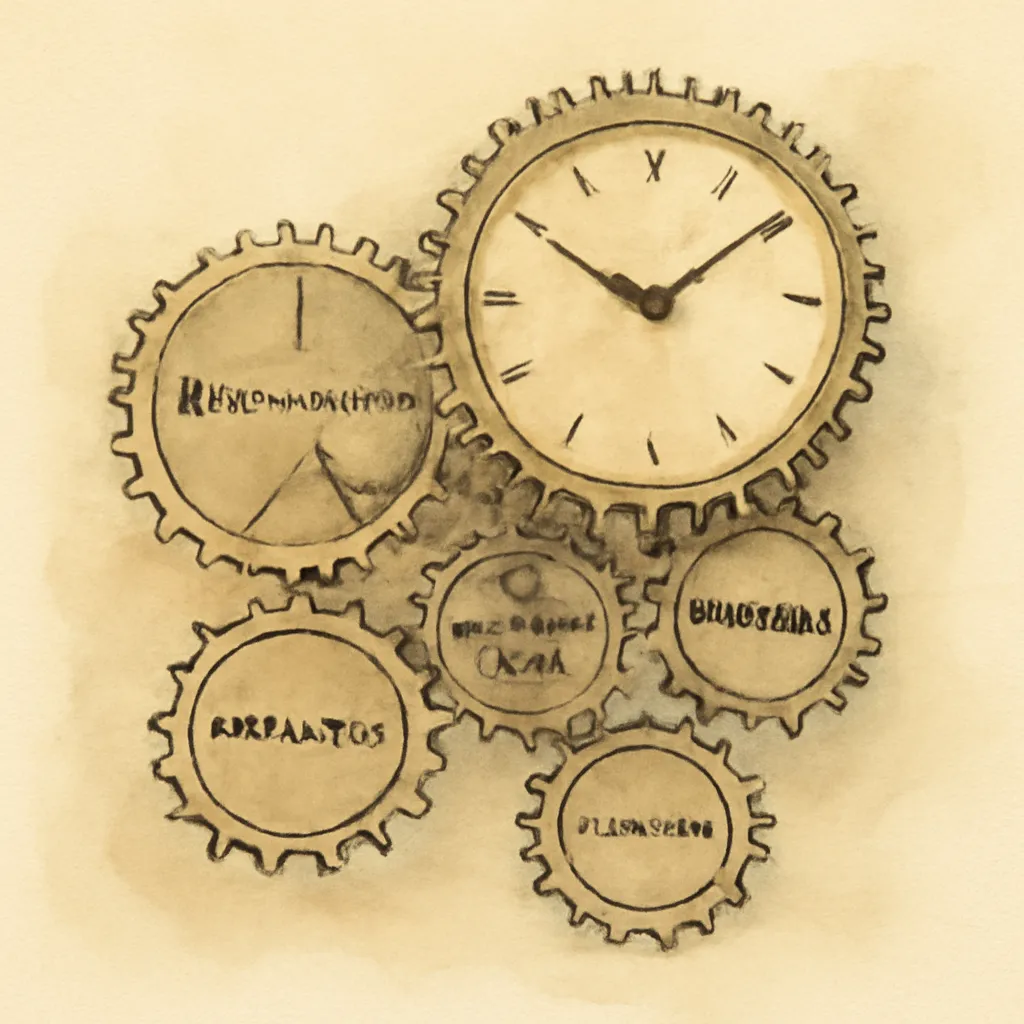
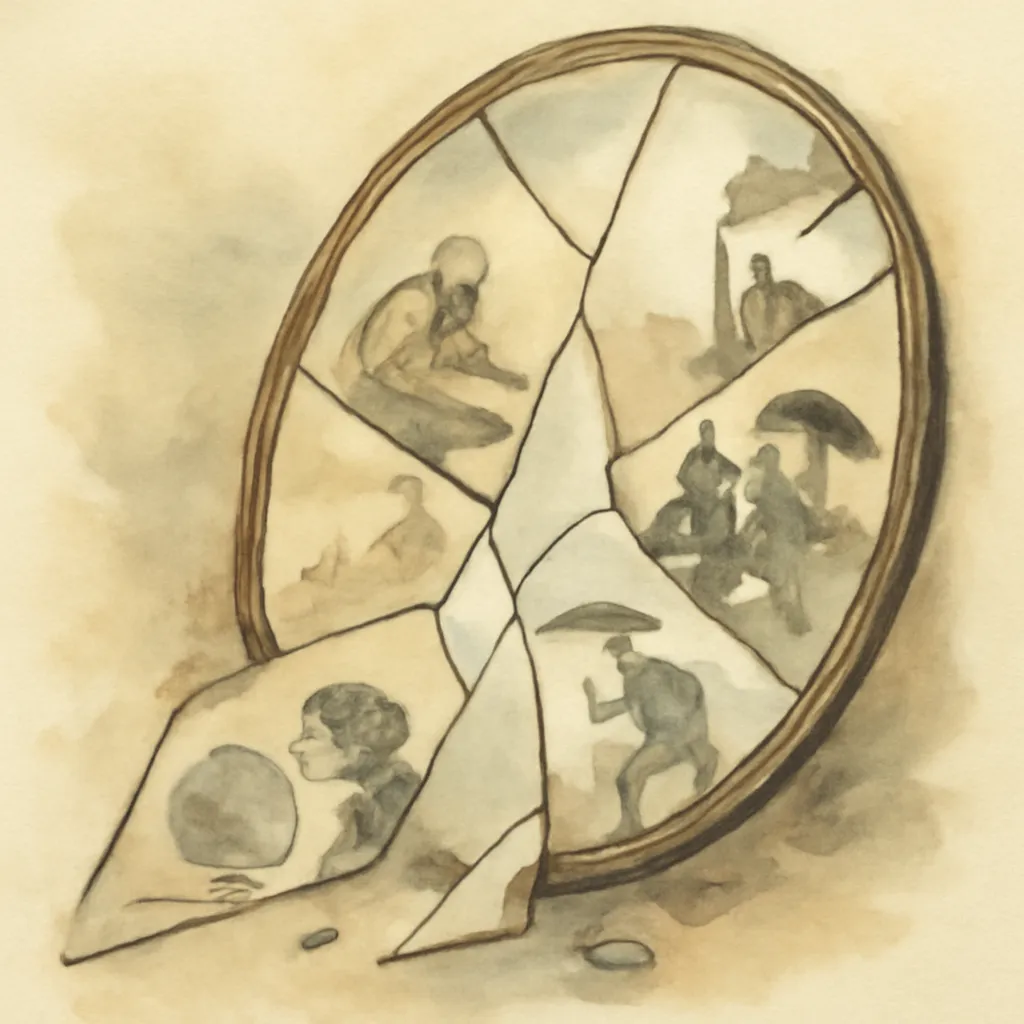
Foucault introduces the concept of the 'episteme,' the underlying set of rules and assumptions that define what counts as knowledge in a given era. Unlike paradigms, which are discipline-specific, an episteme shapes the entire intellectual climate, influencing literature, science, art, and more. Foucault argues that these structures are not universal or timeless, but shift dramatically between historical periods, fundamentally altering how people perceive reality.
2.The Classical Age and Representation
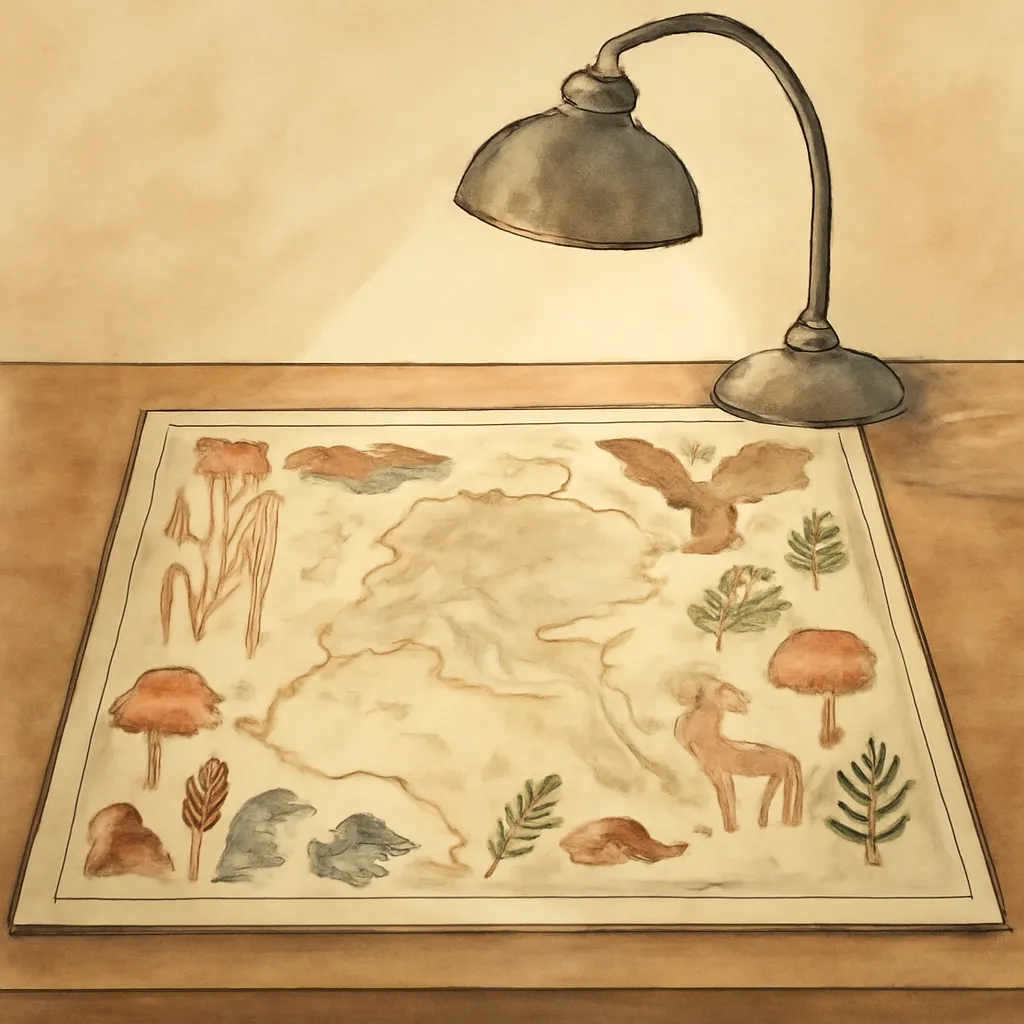
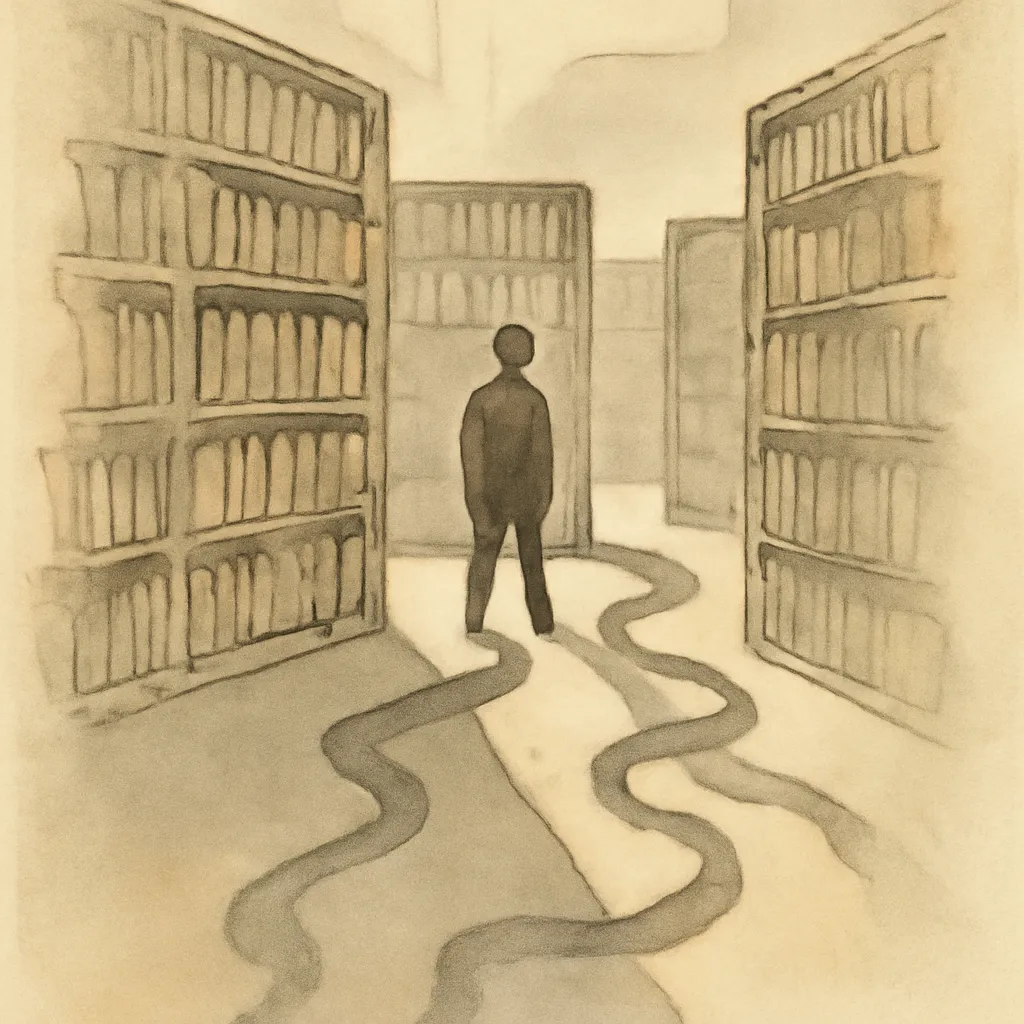
Foucault focuses on the 'Classical Age' (roughly the 17th and 18th centuries), when knowledge was organized around representation and order. During this time, natural history, grammar, and general grammar all sought to classify and arrange things according to visible similarities and differences. This period prized taxonomy and the ability to represent the world as a table or grid, reflecting a deep faith in the transparency of language and signs.
3.The Birth of Man as a Concept
One of Foucault’s most provocative claims is that 'man' as a subject of knowledge—a being who both knows and is known—emerges only in the modern era. Before the late 18th century, humans weren’t the central focus of knowledge systems. The rise of the human sciences (biology, economics, philology) marks a shift where 'man' becomes both the subject and object of inquiry, fundamentally altering philosophy and science.
4.Discontinuity and Rupture in History
Foucault challenges the idea of smooth intellectual progress. Instead, he sees history as punctuated by radical breaks, where one episteme gives way to another. These ruptures mean that what counts as truth, reason, or even reality itself can change overnight. This perspective undermines the comforting notion of cumulative rational advancement and highlights the contingency of our own ways of thinking.
5.Critique of Humanism and the 'Death of Man'
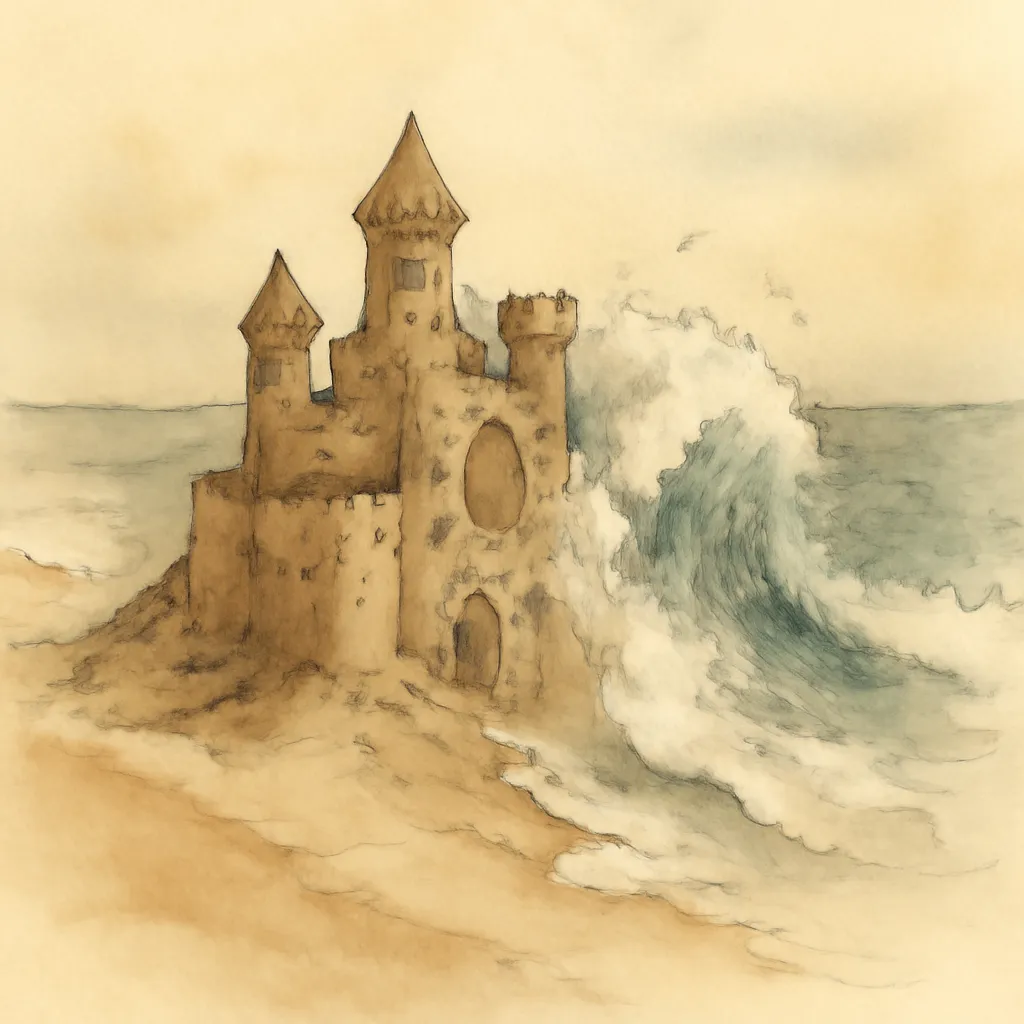
By tracing the historical emergence of 'man,' Foucault predicts that this figure is destined to disappear as the underlying structures that support it shift again. His famous image of 'man erased, like a face drawn in sand at the edge of the sea' signals a critique of humanism and the idea that humans are the stable center of knowledge. This opens the door to new forms of thought beyond the human-centered perspective.
6.Knowledge, Power, and the Limits of Language
Throughout the book, Foucault explores how language both enables and constrains knowledge. He shows that the rules of language, classification, and representation are historically contingent, shaping what can be said, thought, or even imagined. This insight has profound implications for how we understand power, as those who control the order of things also control the limits of knowledge.