1.Time Is Not Universal
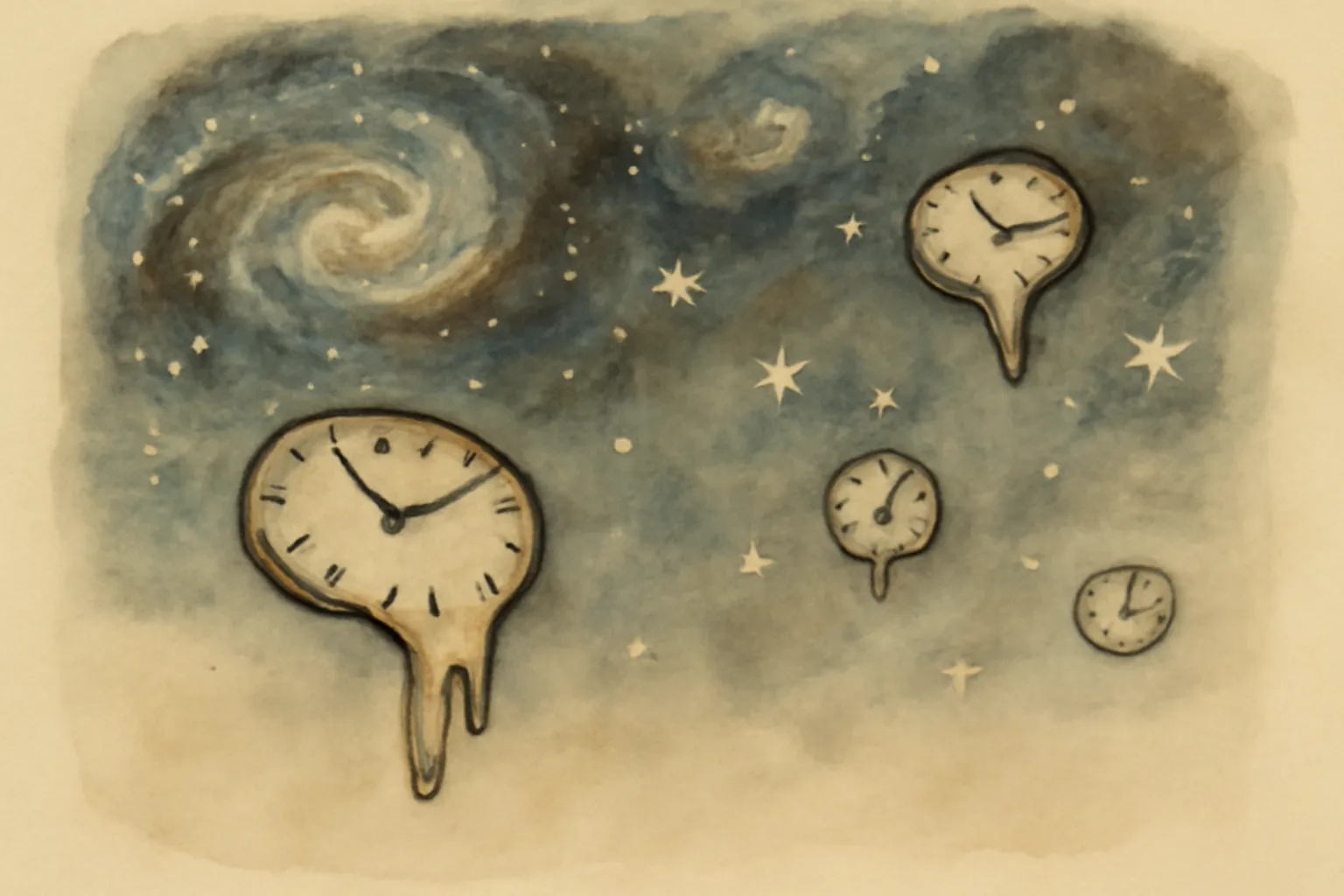
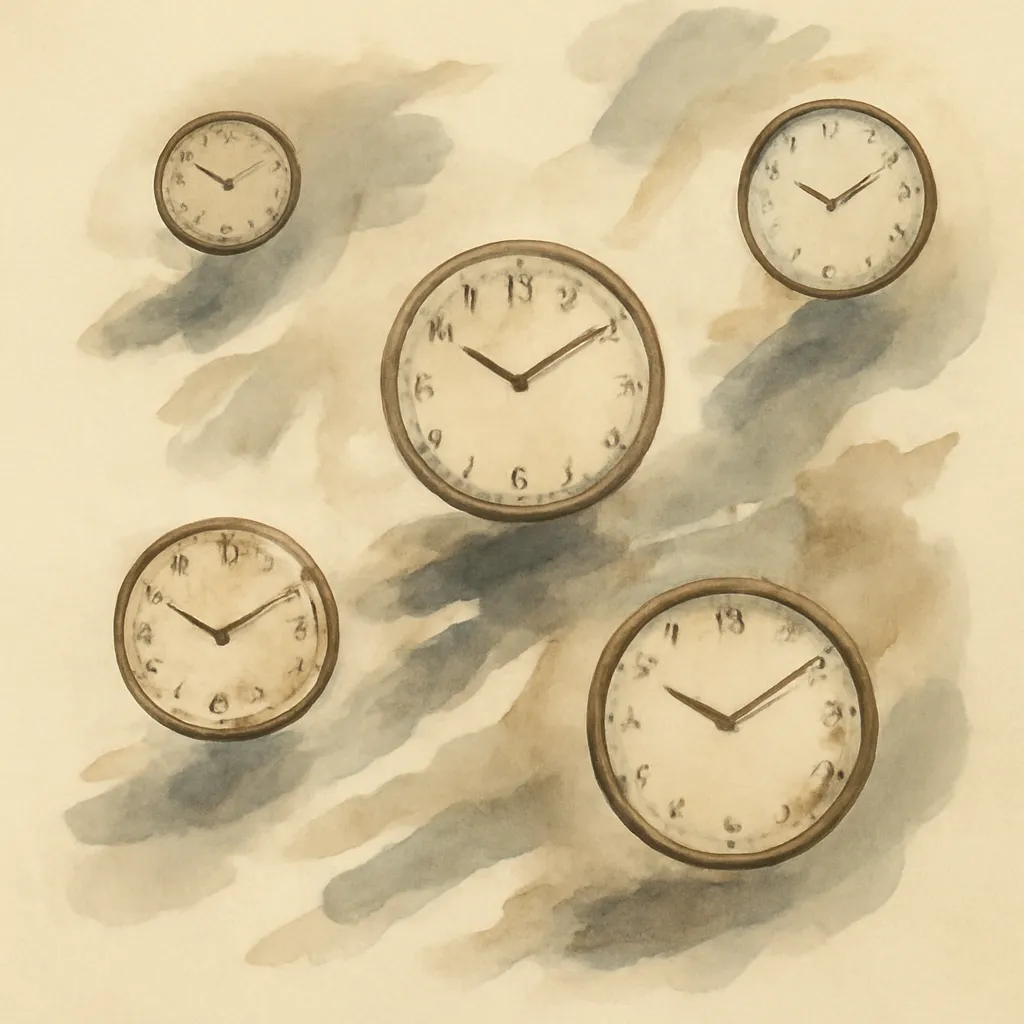
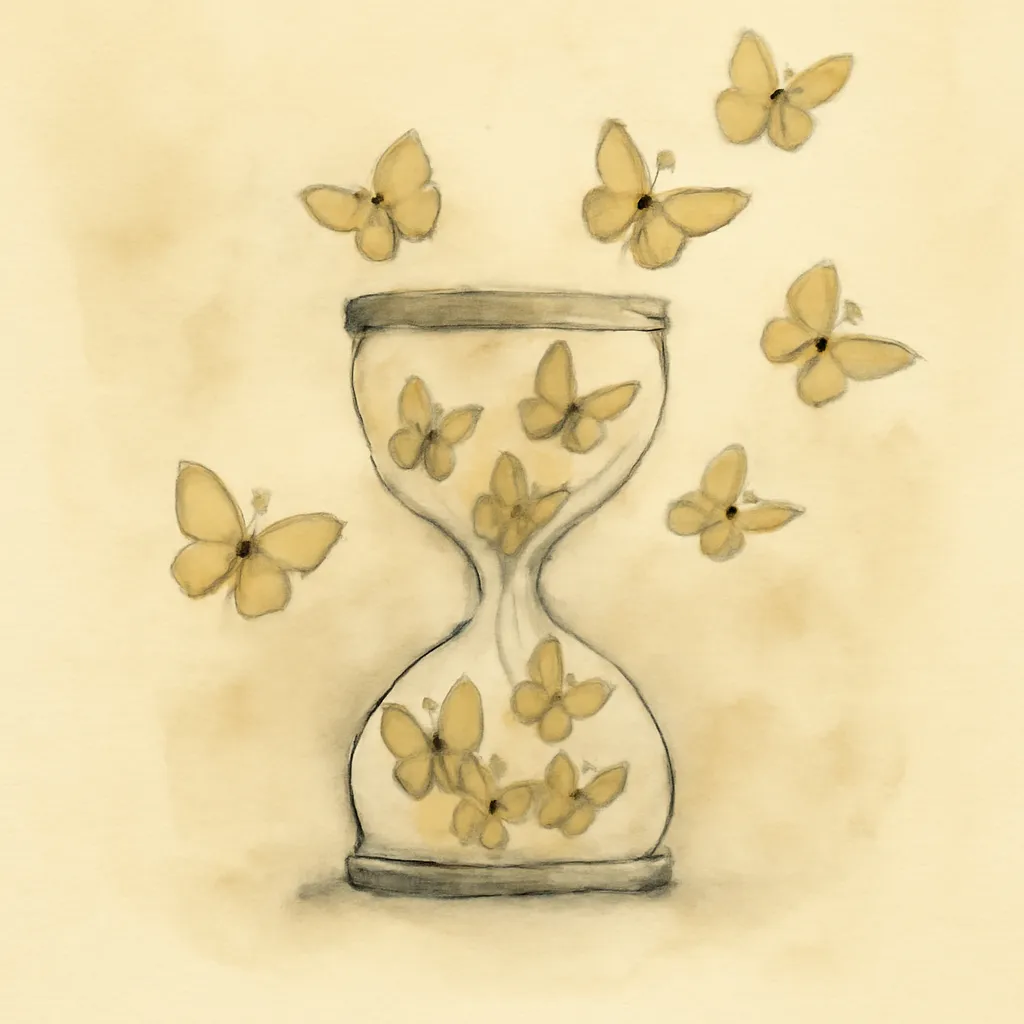
Rovelli dismantles the everyday notion of time as a single, universal flow. Drawing on Einstein's relativity, he shows that time passes at different rates depending on gravity and speed. There is no master clock ticking for the whole universe; instead, each event and observer experiences time differently. This challenges our intuitive sense of a shared 'now' and forces us to rethink what we mean when we talk about the present.
2.The Disappearance of Time in Physics
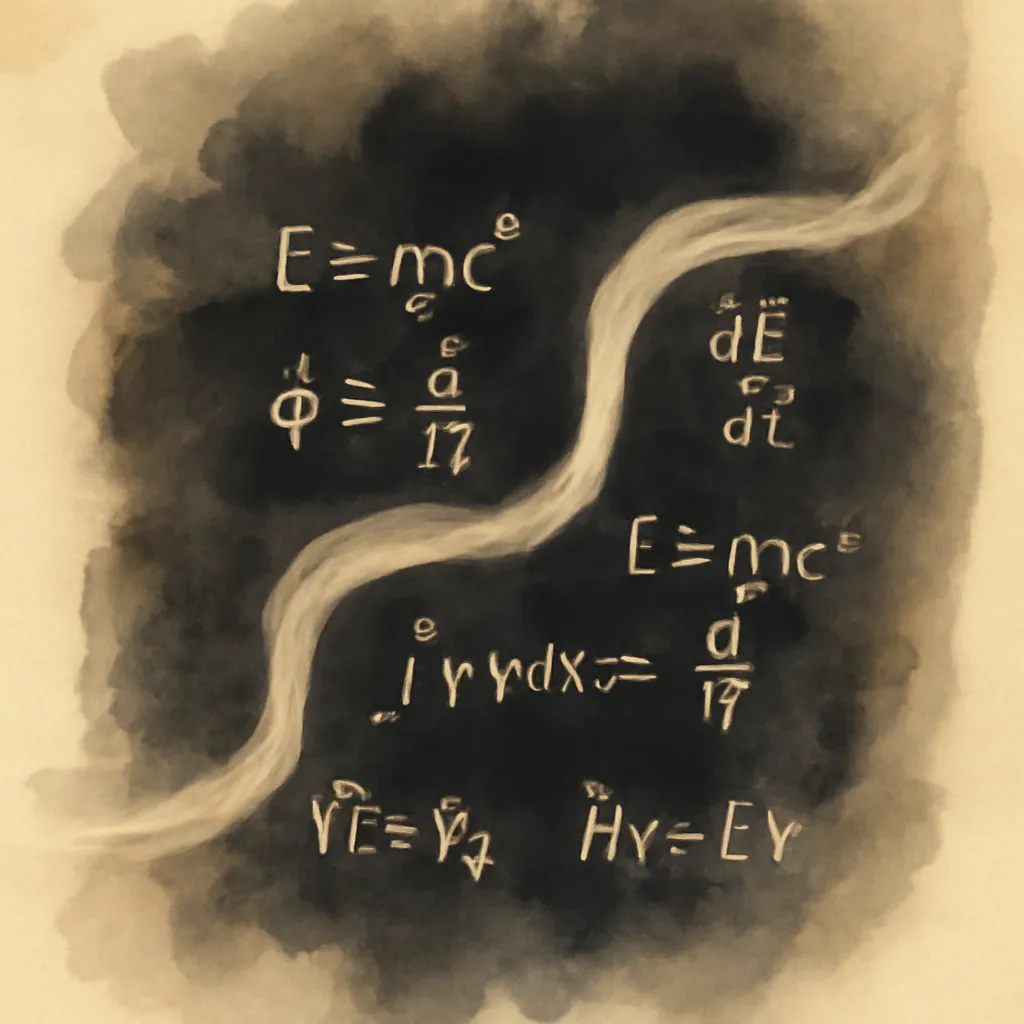
At the deepest levels of physics, especially in quantum gravity, time seems to vanish from the equations. Rovelli explains that the fundamental laws governing the universe do not require a privileged direction or flow of time. This suggests that time, as we experience it, may be an emergent property rather than a fundamental ingredient of reality.
3.Entropy and the Arrow of Time
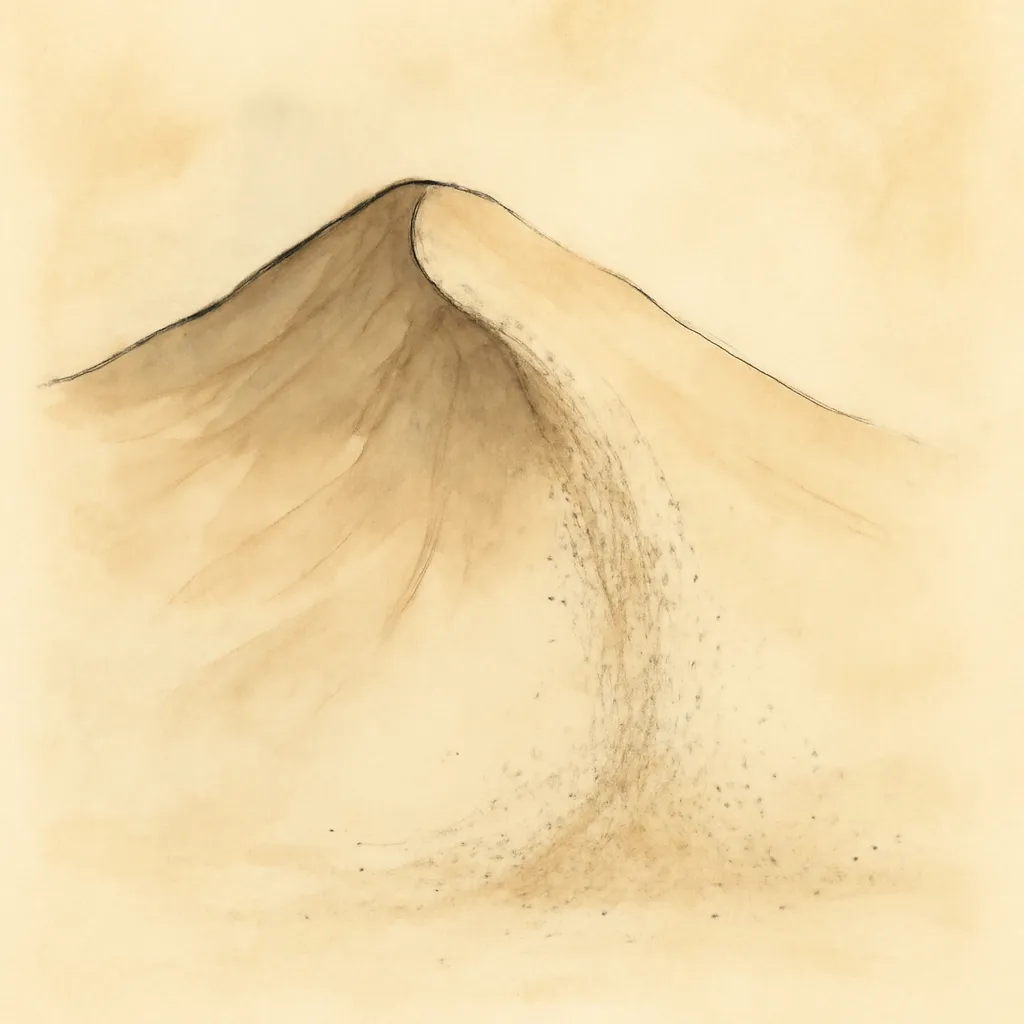
Rovelli explores why we experience time as moving from past to future. The answer lies in entropy: the tendency of systems to move from order to disorder. The 'arrow of time'—our sense of irreversibility—emerges from the statistical behavior of particles, not from the basic laws themselves. This insight links the flow of time to the way we perceive change and remember the past.
4.Time and Human Experience
Beyond physics, Rovelli delves into how our brains construct time. Memory, anticipation, and consciousness all shape our sense of temporal flow. He suggests that much of what we call 'time' is a reflection of our own perspective as beings embedded in the world, rather than an external, objective feature.
5.Relational Reality
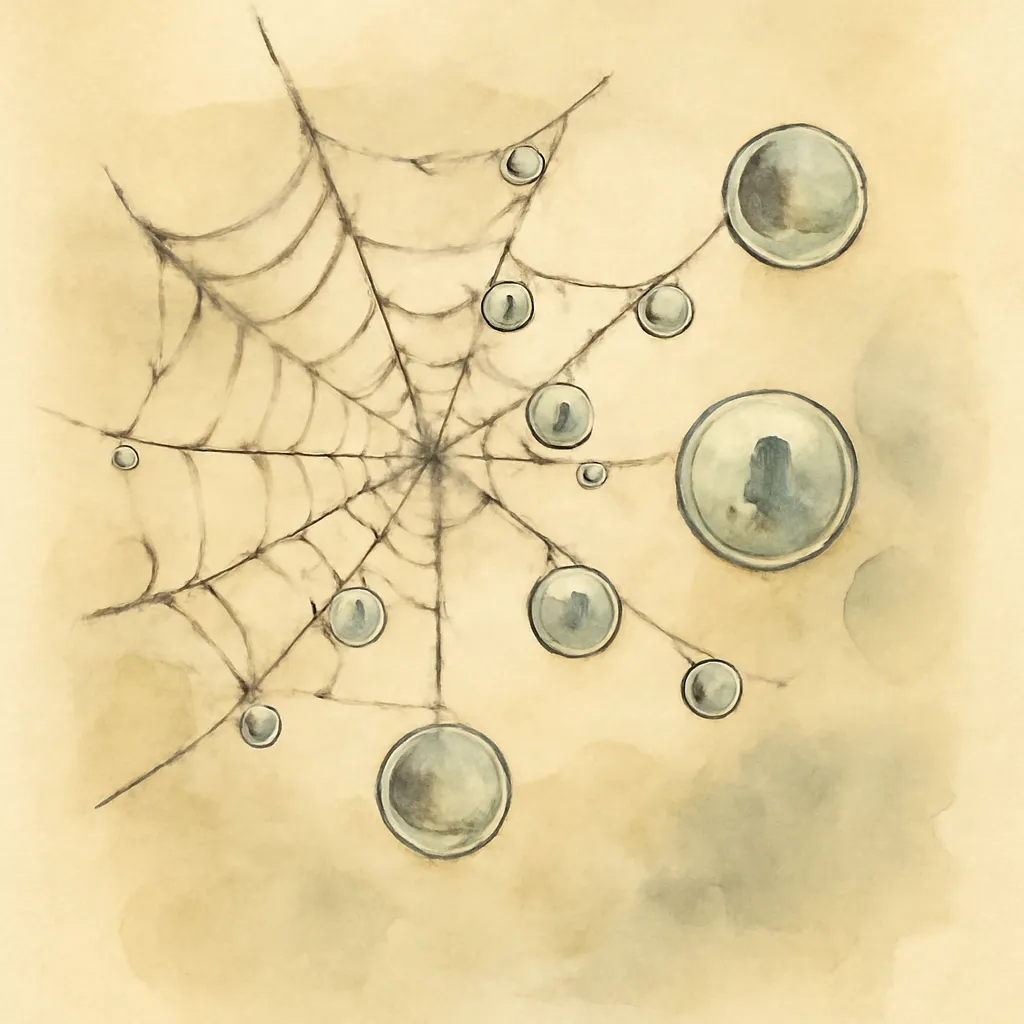
Rovelli champions a relational view of the universe: things exist and have properties only in relation to other things. Time, too, is not an absolute backdrop but a web of relationships between events. This radical perspective shifts the focus from things-in-themselves to the connections and interactions that define reality.
6.Poetry and Science Intertwined
Throughout the book, Rovelli weaves scientific explanation with literary and philosophical reflection, drawing on thinkers from Augustine to Proust. He argues that understanding time requires both rigorous science and a poetic sensitivity to the limits of knowledge, making the book as much a meditation as a scientific treatise.