1.Life's Deep Underground Origins
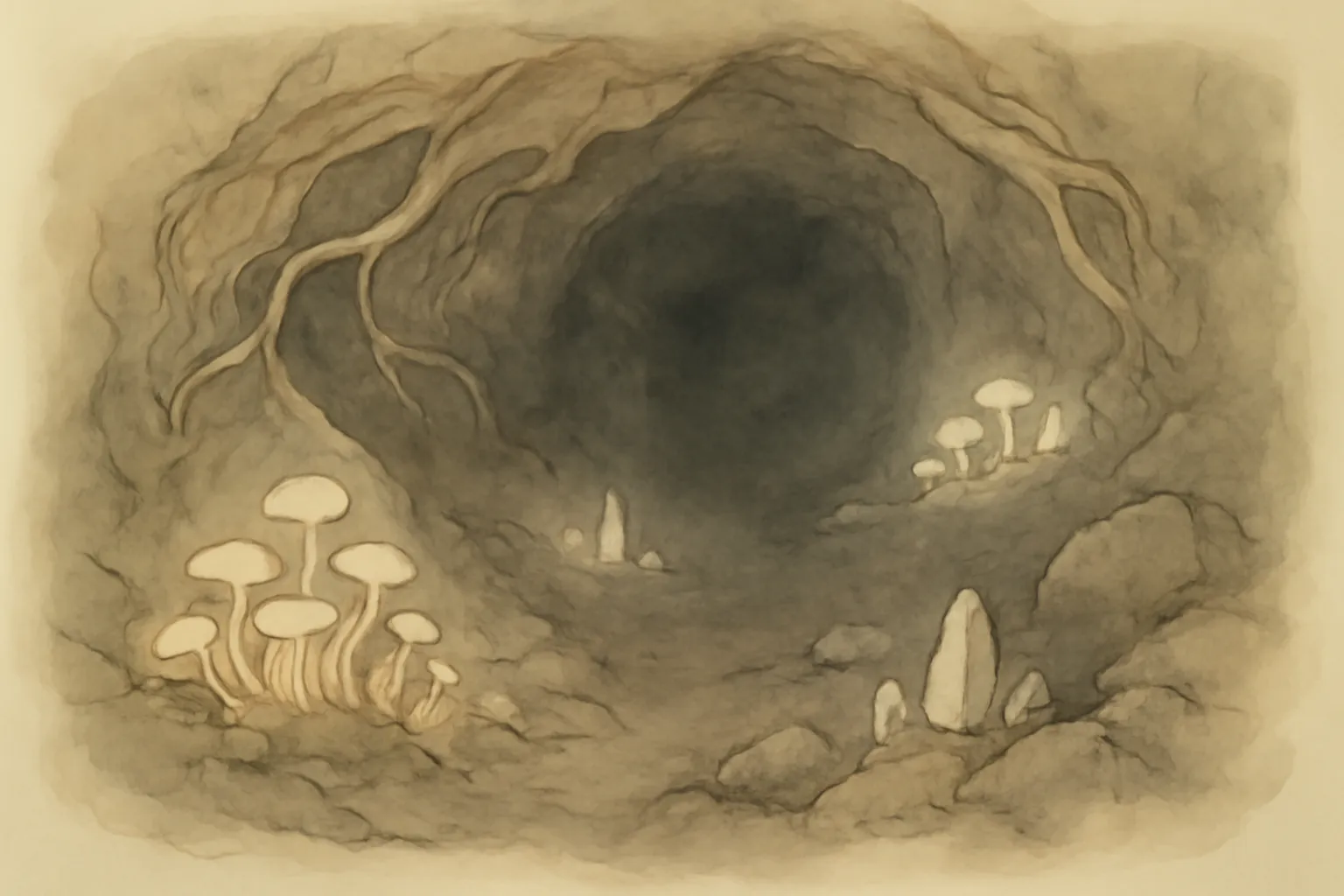
Davies challenges the traditional 'warm little pond' theory of life's beginnings, instead presenting evidence that life may have originated kilometers below Earth's surface. He draws on discoveries of extremophiles—organisms thriving in extreme underground environments—to argue that early Earth conditions would have favored subterranean life. This perspective shifts the search for life's origins away from surface chemistry and towards the dynamic, mineral-rich depths, where protection from harsh surface conditions could have allowed complex chemistry to flourish.
2.Panspermia and Mars-Earth Connections
A central, provocative idea in the book is panspermia—the hypothesis that life can travel between planets. Davies explores the possibility that life began on Mars, which may have been more hospitable in its early history, and was transferred to Earth via meteorites. He examines the scientific plausibility of microbes surviving interplanetary journeys, and what this means for our understanding of life's universality. This idea reframes Earth not as the unique cradle of life, but as part of a wider cosmic ecosystem.
3.The Limits and Possibilities of Biochemistry
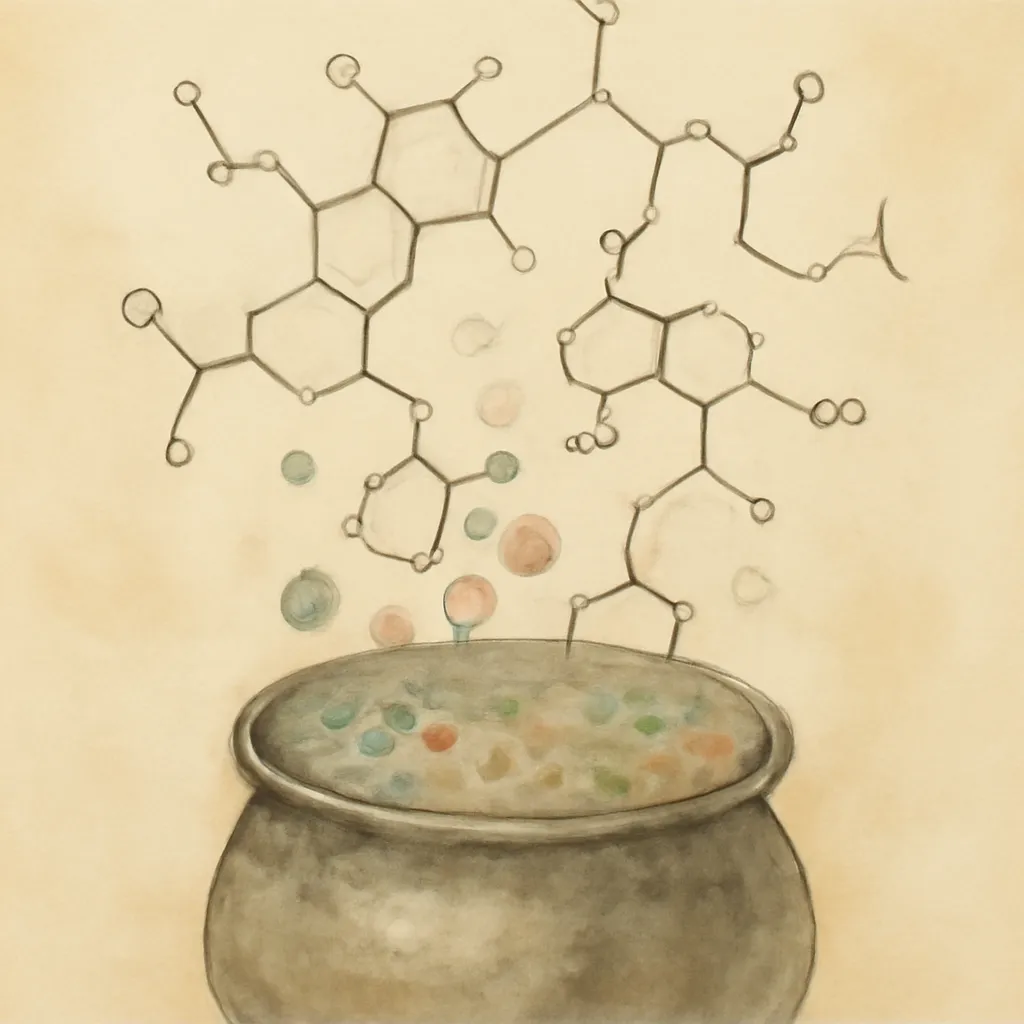
Davies delves into the chemical requirements for life, questioning whether all life must be carbon-based and water-dependent. He discusses the possibility of 'shadow biospheres'—forms of life on Earth that might use radically different biochemistry and thus have escaped detection. This broadens the search for life, both on Earth and beyond, and challenges assumptions about what life must be.
4.Implications for the Search for Extraterrestrial Life
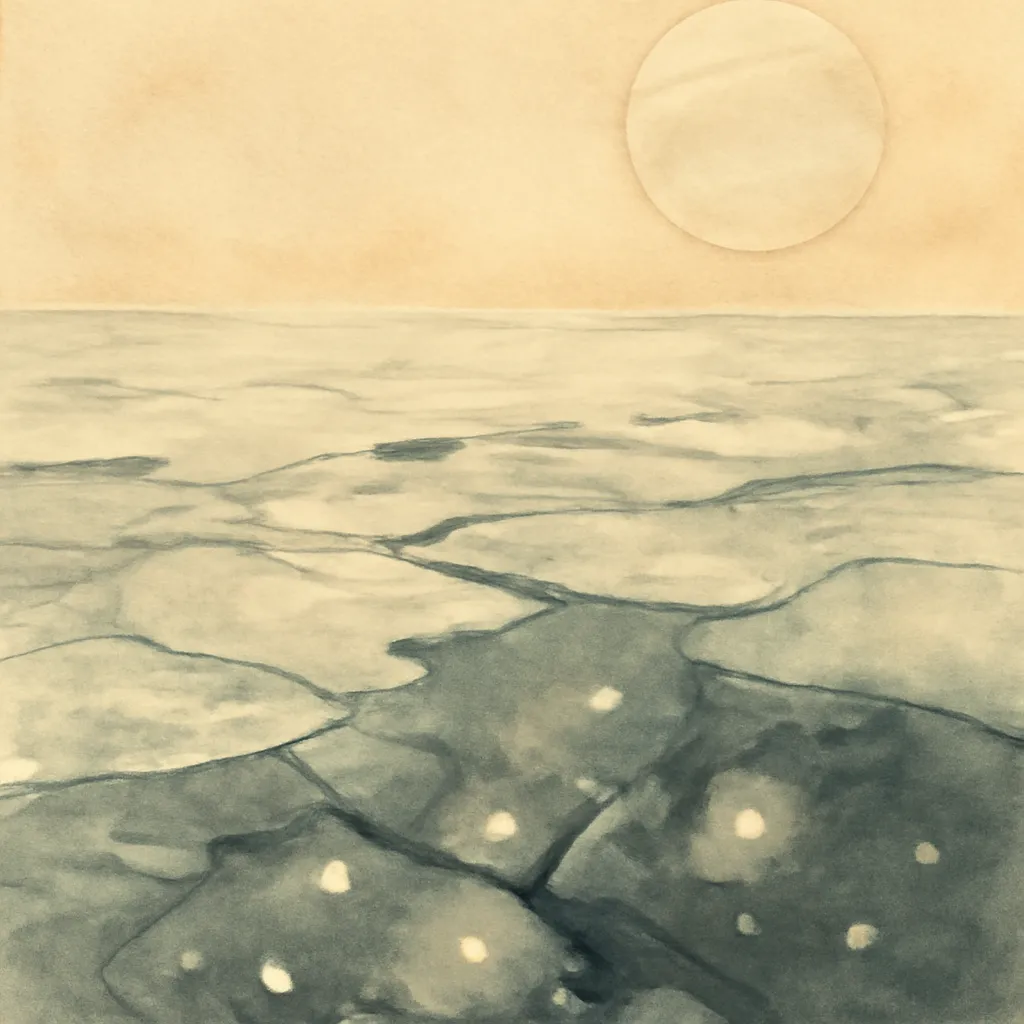
The book considers how these new ideas should shape our search for life elsewhere. If life can thrive underground or travel between planets, then Mars, Europa, and other bodies become prime candidates for exploration. Davies advocates for a more open-minded, interdisciplinary approach in astrobiology, integrating geology, chemistry, and planetary science.
5.The Philosophical Stakes: Life as a Cosmic Phenomenon
Beyond the scientific details, Davies reflects on the philosophical implications of life's origins. If life is common and easily spread through the cosmos, it suggests a universe teeming with potential. If, however, life is rare and Earth is an anomaly, it raises profound questions about meaning and uniqueness. The book invites readers to ponder humanity's place in a possibly inhabited universe.
6.Science as an Evolving Quest
Davies emphasizes that our understanding of life's origins is provisional and evolving. He highlights the importance of humility and creativity in science, showing how new discoveries—such as extremophiles and Martian meteorites—can overturn old certainties. The book models a spirit of inquiry that is both rigorous and imaginative.