1.Natural Selection as a Driving Force
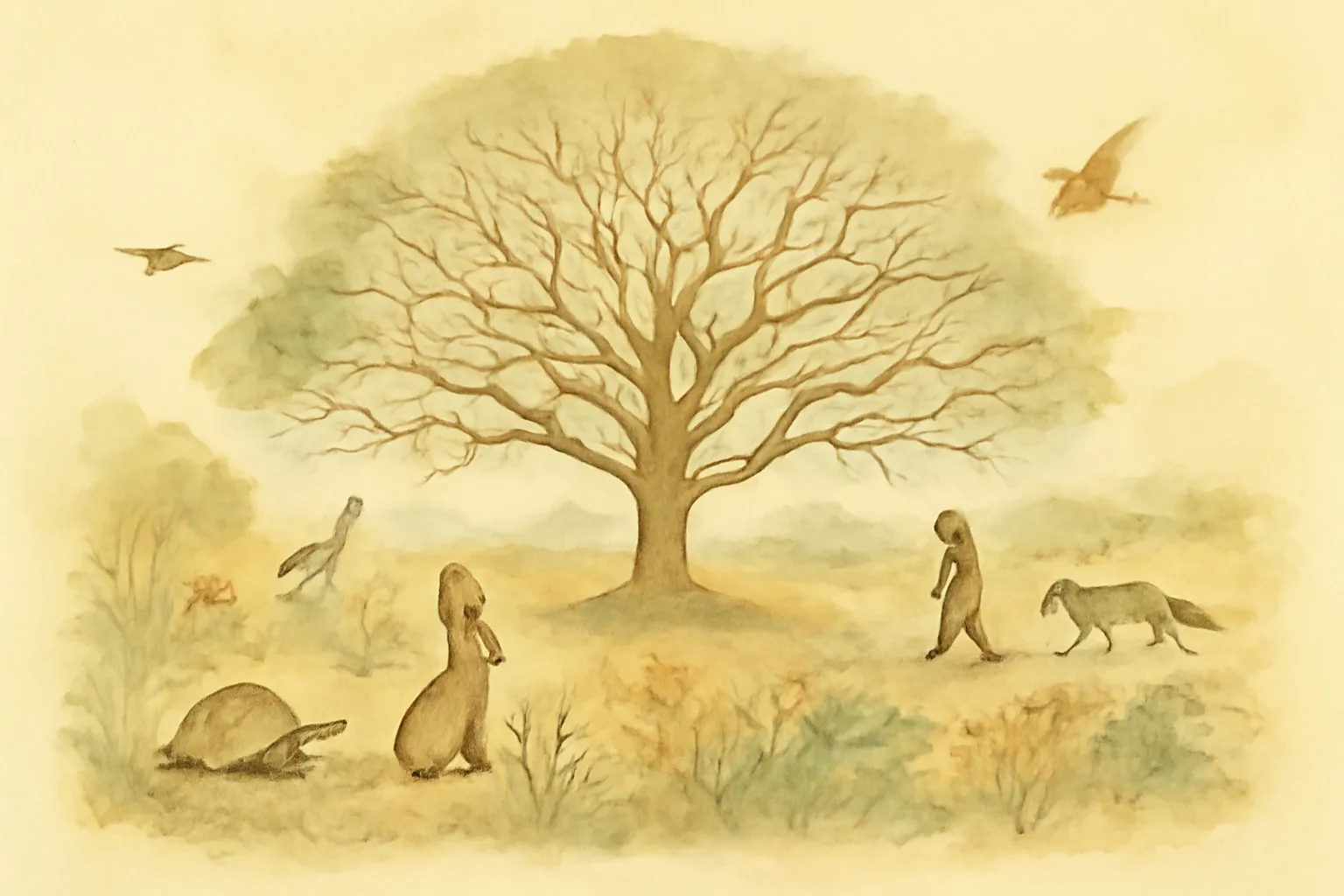
Darwin’s central idea is that species evolve primarily through natural selection: individuals with advantageous traits are more likely to survive and reproduce, passing those traits to future generations. Over long periods, this process leads to gradual changes and the emergence of new species. This mechanism provided a natural, observable explanation for the diversity of life, contrasting with previously dominant religious or static views.
2.Variation Within Species
Darwin emphasizes that no two individuals in a species are exactly alike. These small variations, whether in beak shape, coloration, or behavior, are the raw material for evolution. Some variations confer survival advantages in certain environments, and these are more likely to persist. This focus on variation was a radical shift from the idea of fixed, unchanging species.
3.The Struggle for Existence
Inspired by Malthus, Darwin argues that more individuals are born than can survive, leading to competition for resources. This ‘struggle for existence’ means that only some individuals survive to reproduce. The struggle is not just between different species, but also among individuals of the same species and with the environment itself.
4.Common Descent and the Tree of Life
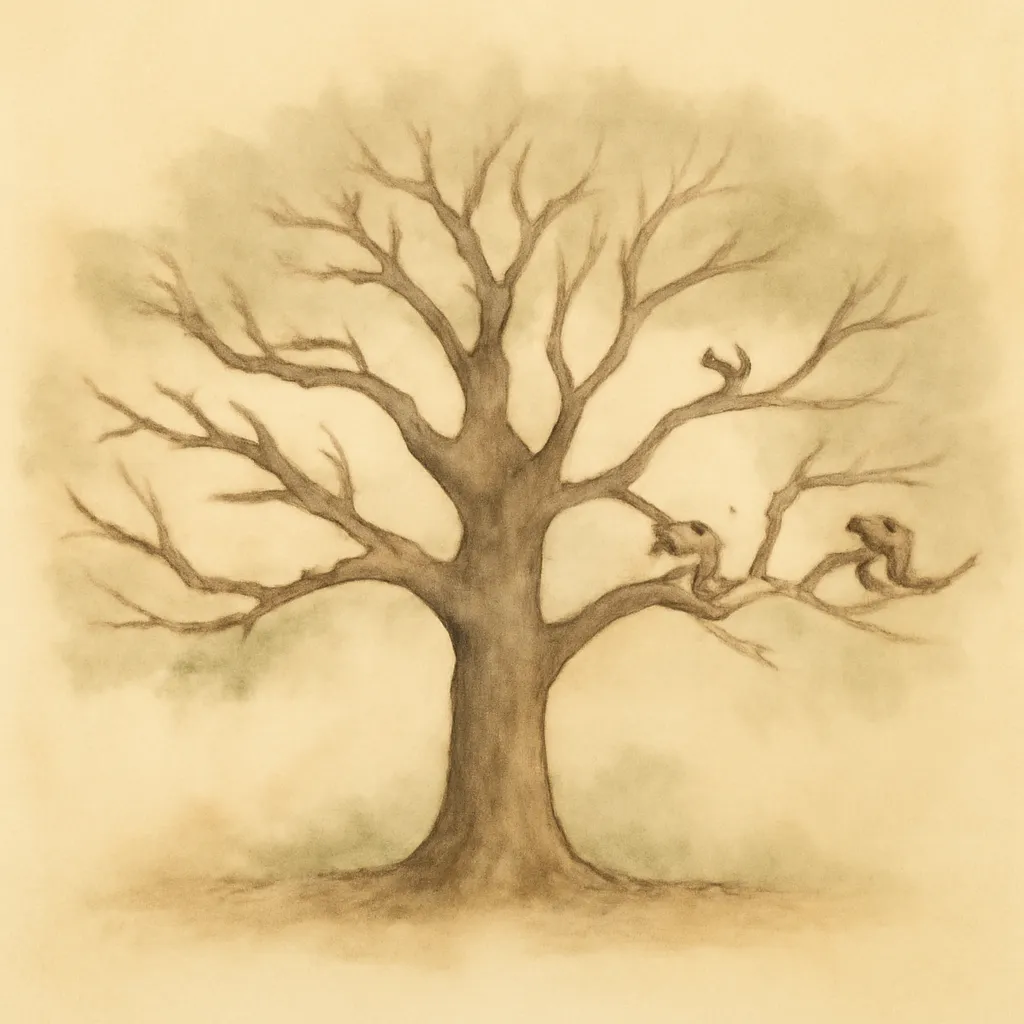
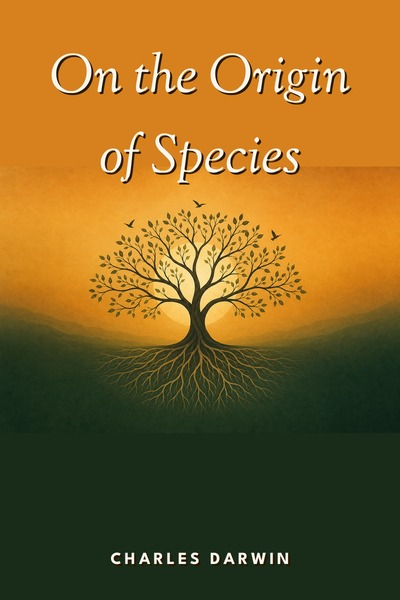
Darwin proposes that all living things share common ancestors, and that the diversity of life is the result of branching evolutionary paths. He famously uses the metaphor of a ‘tree of life’ to illustrate how species diverge from common roots over time, leading to the complex web of life we see today.
5.Gradualism and Geological Time
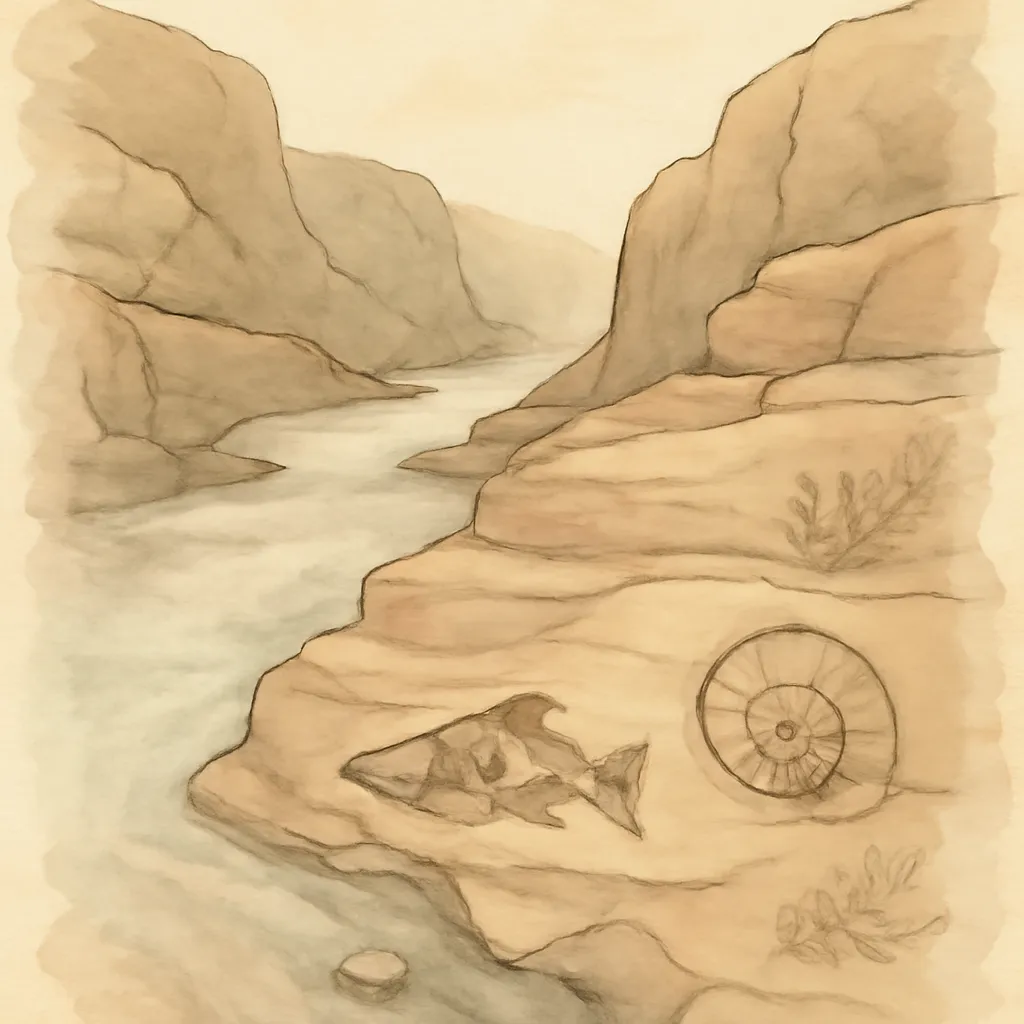
Change, Darwin argues, is gradual and occurs over immense spans of time. This slow pace helps explain why the fossil record is incomplete and why transitional forms are rare. The concept of deep time was crucial for making evolutionary change plausible and for integrating biology with geology.
6.Scientific Method and Evidence
Darwin grounds his arguments in careful observation, comparison, and the accumulation of evidence from diverse fields—zoology, botany, paleontology, and geology. He openly addresses potential objections and gaps in knowledge, modeling a scientific approach that invites further inquiry rather than dogmatic certainty.