1.Species as Dynamic Populations
Simpson argues that species are not static, sharply defined entities but dynamic populations with fuzzy boundaries. He challenges the traditional typological thinking, emphasizing that variation within populations is natural and essential. This perspective shifts the focus from fixed 'types' to evolving gene pools, laying the groundwork for the biological species concept and influencing how biologists classify and study living organisms.
2.Mechanisms of Speciation
A central theme is the process by which new species arise. Simpson explores geographic isolation, genetic drift, and natural selection as drivers of speciation. He highlights that speciation is often gradual and complex, involving both environmental factors and genetic changes. This nuanced view counters simplistic ideas of sudden, saltational change, reinforcing the importance of population genetics in evolutionary theory.
3.Genera and Higher Taxa: Evolutionary Relationships
Simpson extends his analysis beyond species to genera and higher taxonomic groups, arguing that these categories reflect evolutionary relationships rather than arbitrary groupings. He discusses how lineages split and diversify, and how paleontological evidence can reveal patterns of descent. This approach integrates paleontology with genetics and systematics, helping to unify disparate fields within biology.
4.Paleontology’s Role in Evolutionary Theory
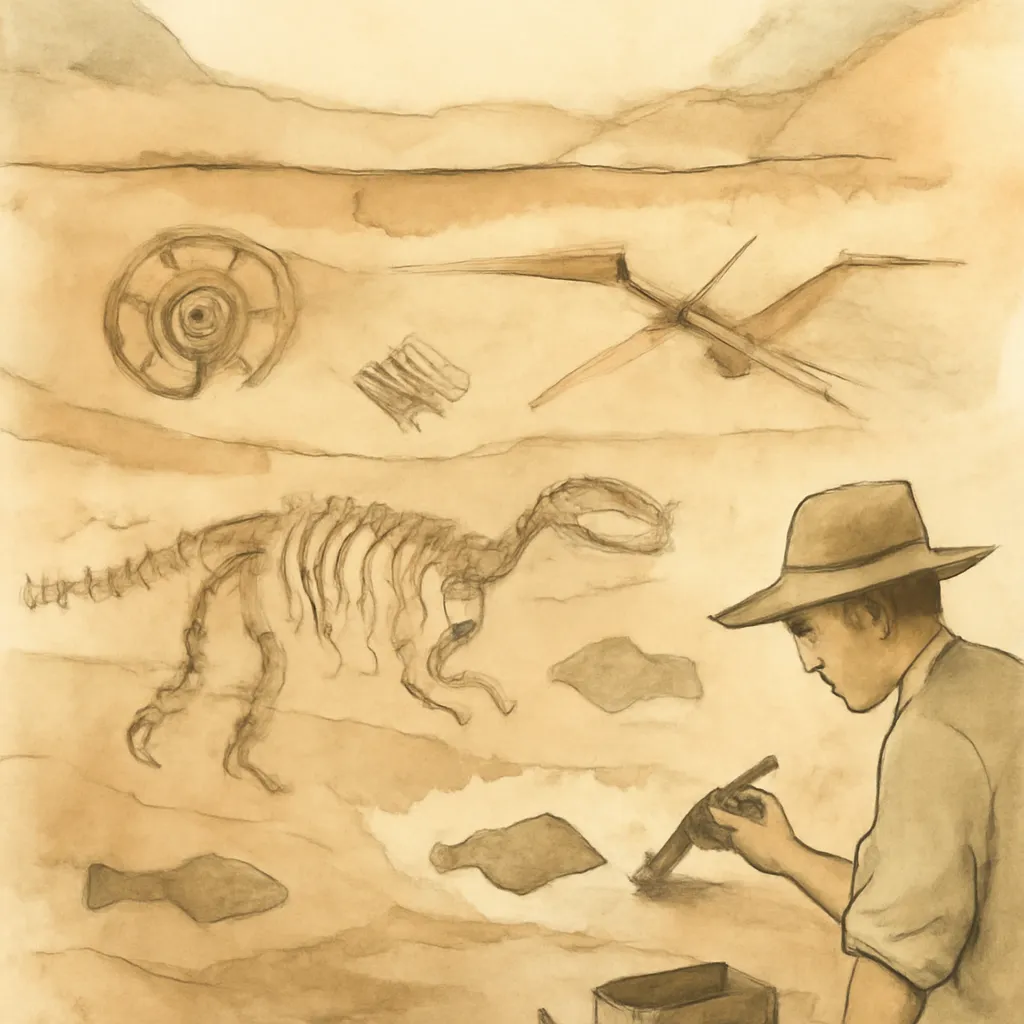
As a leading paleontologist, Simpson demonstrates how the fossil record provides crucial evidence for understanding species origins and evolutionary trends. He shows that paleontology is not just about cataloging extinct forms, but about interpreting evolutionary processes over deep time. His arguments helped establish paleontology as a vital partner in the evolutionary synthesis.
5.The Modern Synthesis in Action
Simpson’s book exemplifies the Modern Synthesis—a fusion of Darwinian evolution, Mendelian genetics, and population biology. He argues that evolution operates through changes in gene frequencies within populations, and that macroevolutionary patterns can be explained by microevolutionary processes. This helped resolve longstanding debates and set the agenda for evolutionary biology in the 20th century.
6.Scientific Definitions Matter
Throughout the book, Simpson stresses the importance of clear, operational definitions for species and genera. He warns that confusion over terminology can hinder scientific progress. By advocating for definitions grounded in evolutionary theory and empirical evidence, he encourages a more rigorous and productive approach to biological classification.