1.The Immutability of Species Challenged
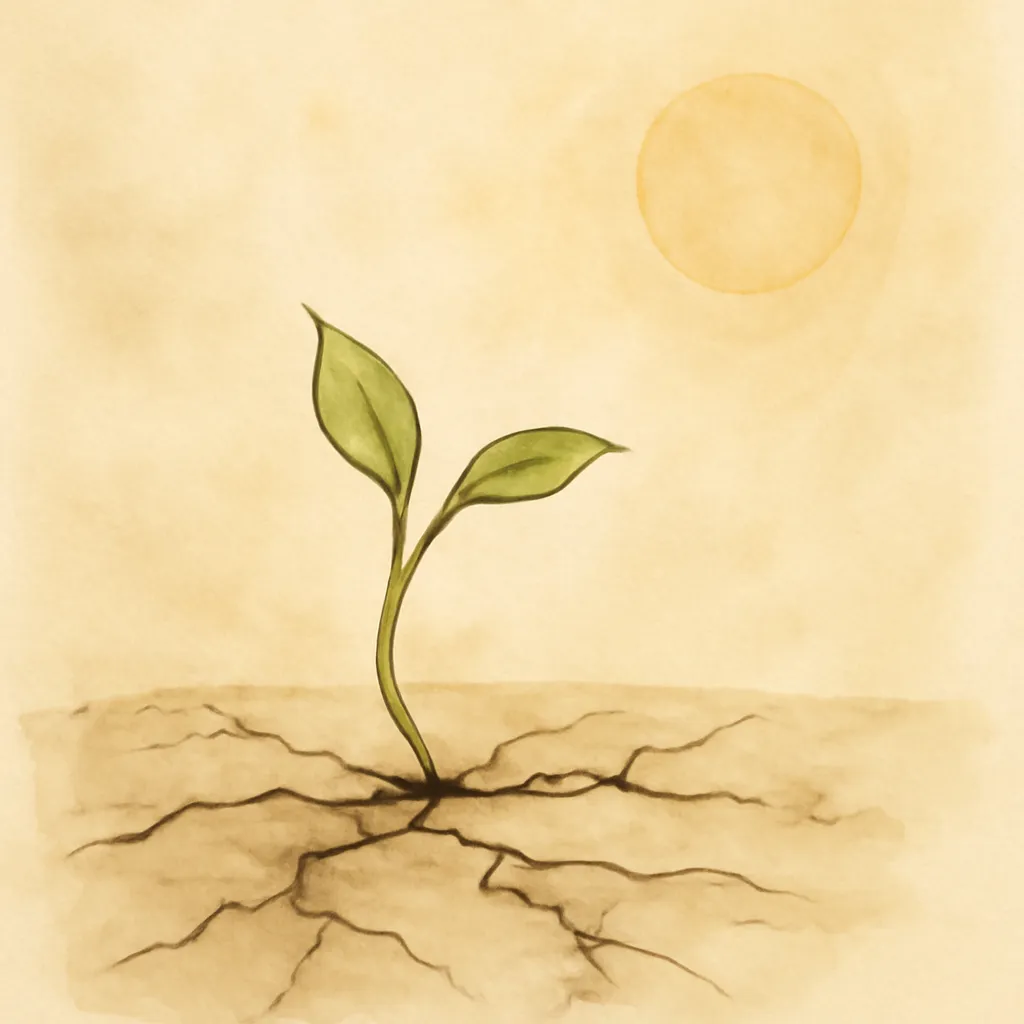
For centuries, the prevailing belief among naturalists was that species were fixed and unchanging entities, created separately and existing in a static form. However, Darwin presents compelling evidence that contradicts this view, suggesting that species are not immutable but rather undergo gradual modifications over time. He cites early thinkers like Buffon and Aristotle who hinted at the possibility of species change, but it was not until Darwin's observations during his voyage on the HMS Beagle that the theory of evolution gained substantial footing. The idea that species evolve from common ancestors through a process of natural selection lays the groundwork for modern evolutionary biology, encouraging a shift in perspective from fixed categories to a dynamic understanding of life.
2.Variation Under Domestication
Darwin explores how domesticated plants and animals exhibit greater variability compared to their wild counterparts. This variability is attributed to the diverse conditions of life in which domesticated species are raised, leading to traits that differ significantly even within the same variety. He emphasizes that this variability is not merely a result of chance but is influenced by human selection and environmental factors. For example, domestic pigeons showcase a remarkable range of forms and behaviors, illustrating how selective breeding can amplify certain traits while suppressing others. Moreover, Darwin discusses the challenges in distinguishing between species and varieties, revealing the complexities of classification in biology. The implications of this variability extend beyond domestication, suggesting that similar mechanisms may operate in nature, leading to the evolution of new species.
3.The Struggle for Existence
Central to Darwin's theory is the concept of the struggle for existence, which encompasses the competition among individuals for resources such as food, shelter, and mates. This struggle is not limited to interactions between different species but is most intense among individuals of the same species or closely related varieties. Darwin illustrates this competition using the example of naturalized animals and plants that rapidly increase in number but are then checked by environmental factors, predation, and disease. The geometric ratio of increase in populations leads to a situation where only a fraction survive, setting the stage for natural selection to favor those individuals with advantageous traits. The complexity of these relationships highlights the interconnectedness of organisms within ecosystems and the constant battle for survival that shapes evolutionary outcomes.
4.Natural Selection: The Mechanism of Evolution
Darwin introduces the concept of natural selection as the primary mechanism driving evolution, likening it to the selective processes humans employ in breeding. He argues that nature selects for traits that confer survival advantages, leading to the gradual adaptation of species to their environments. This process occurs across generations, allowing for the accumulation of small, beneficial variations. Darwin emphasizes that natural selection operates on all individuals, regardless of sex or age, and can even affect traits that appear trivial. He also discusses sexual selection, where traits that enhance mating success become prevalent. This multifaceted approach to selection explains how diverse forms and behaviors emerge from a common ancestry, ultimately leading to the rich tapestry of life observed today.
5.Laws of Variation
In examining the laws of variation, Darwin investigates how environmental changes and the use or disuse of organs influence the characteristics of organisms. He posits that variations can arise from direct effects of environmental conditions, as well as from hereditary influences. For instance, animals exposed to different climates may develop distinct physical traits, such as thicker fur in colder regions. Additionally, he explores the idea of correlated variation, where changes in one trait may result in changes in another, leading to complex interdependencies among characteristics. This understanding of variation is crucial for comprehending how species adapt and evolve in response to their surroundings, emphasizing the dynamic nature of life.
6.Difficulties of the Theory
Darwin acknowledges the challenges and criticisms his theory faces, particularly regarding the absence of transitional forms in the fossil record. He questions why we do not observe a multitude of intermediate species if evolution occurs gradually through natural selection. To address this, he suggests that the process of natural selection often leads to the extinction of less adapted forms, leaving behind well-defined species. Moreover, he emphasizes the rarity of transitional varieties in nature, arguing that environmental pressures and competition favor established forms over intermediate ones. While these difficulties are significant, Darwin maintains that they do not negate the overall validity of his theory; rather, they highlight the complexities involved in the study of evolution.
7.Instinct and Behavior
Darwin delves into the realm of instinct, exploring how instinctual behaviors in animals can be explained through natural selection. He distinguishes between instincts and habits, noting that instincts are innate behaviors performed without prior experience, such as a bee constructing hexagonal cells. The development of instincts presents a challenge to the theory of natural selection, as they often appear complex and purposeful. However, Darwin argues that instincts, like physical traits, can evolve through gradual modifications that enhance survival and reproductive success. He provides examples of various animal behaviors, such as the migratory instincts of birds or the slave-making behavior of certain ants, illustrating how these behaviors can arise from evolutionary pressures.
8.Hybridism and Sterility
The topic of hybridism is pivotal in understanding species boundaries and reproductive isolation. Darwin examines the sterility observed in hybrids produced by crossing distinct species, highlighting that this sterility is not an intentional adaptation but rather an incidental consequence of reproductive differences. He distinguishes between the sterility of first crosses and hybrids, noting that while hybrids may be sterile, varieties can often interbreed successfully. This insight into hybridization and sterility sheds light on the mechanisms that maintain species integrity and prevent the blending of distinct species. Furthermore, Darwin's exploration of hybridism underscores the importance of reproductive barriers in the evolution and maintenance of diversity within the natural world.
9.Geological Record and Evolution
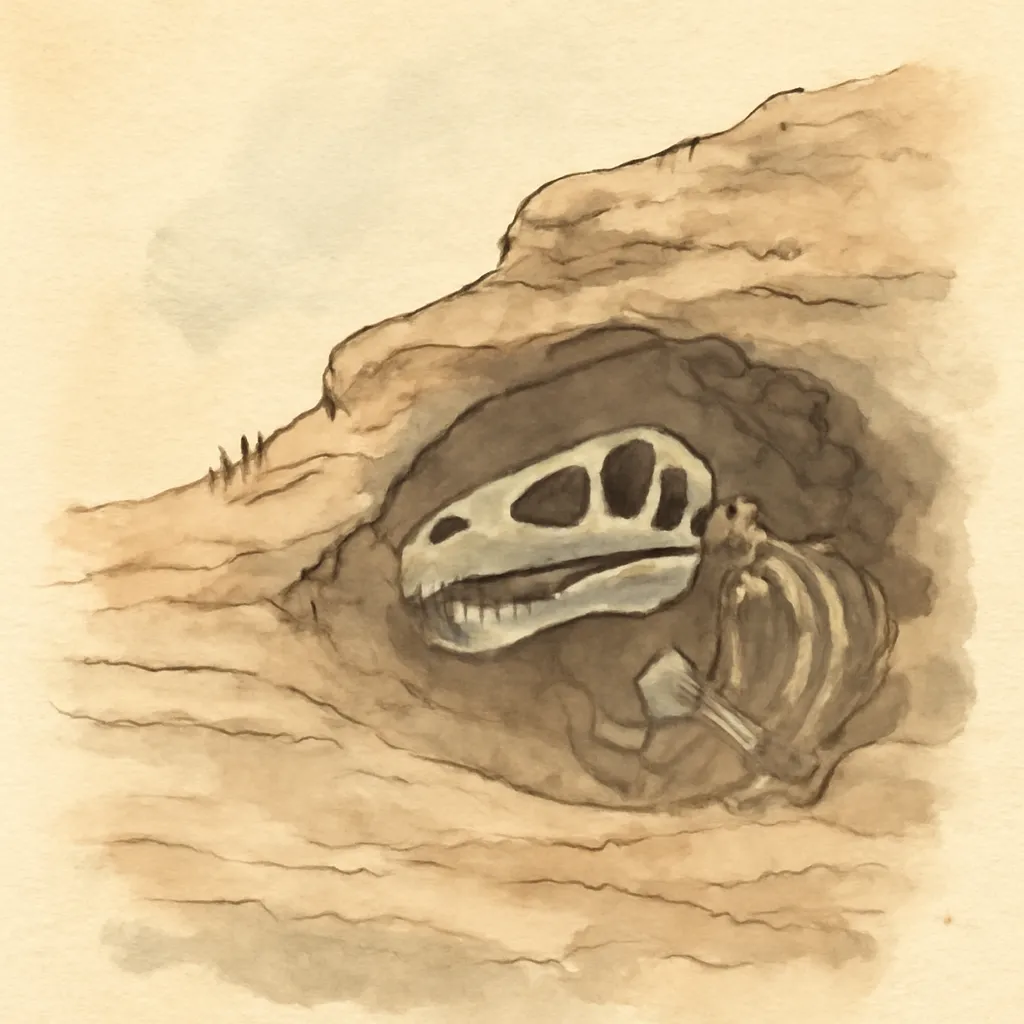
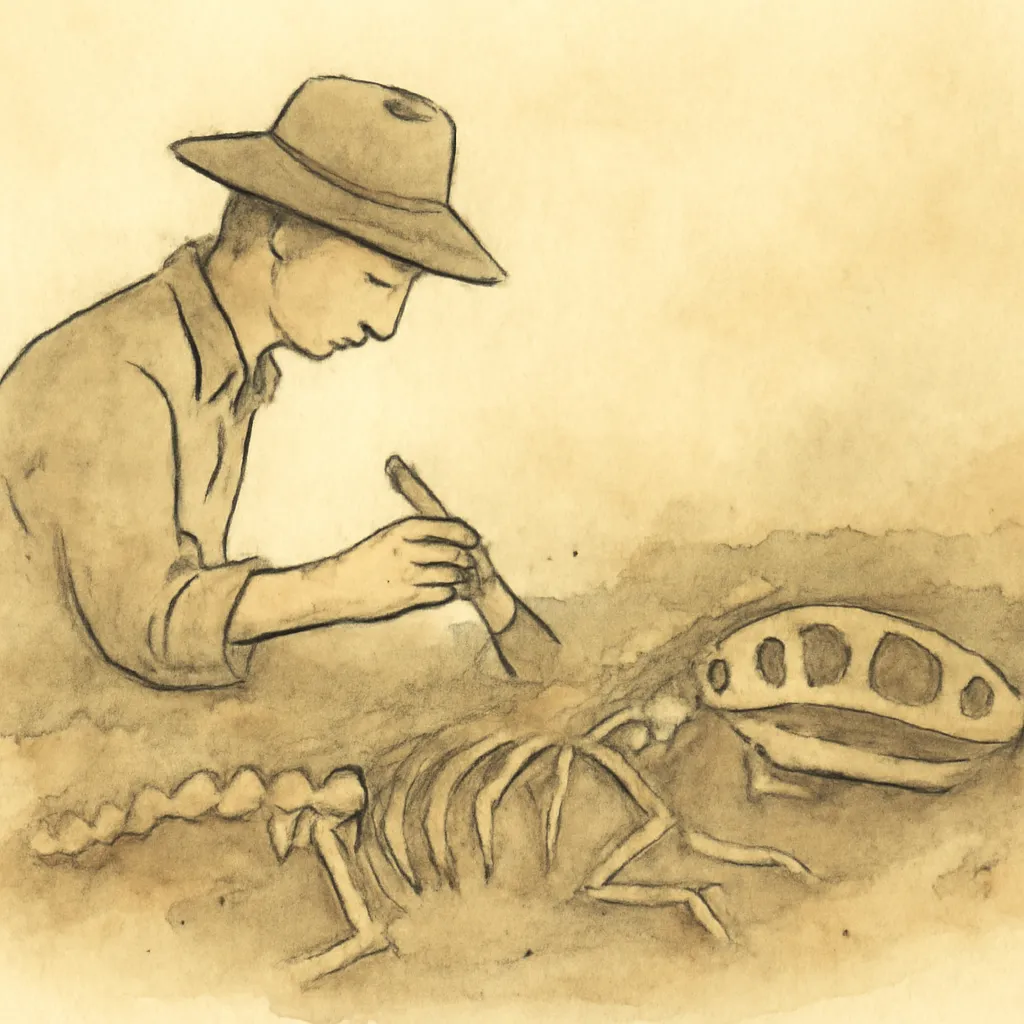
Darwin addresses the imperfection of the geological record, acknowledging that the fossil evidence does not always provide a clear picture of evolutionary transitions. He argues that the absence of intermediate forms in the fossil record can be attributed to various factors, including the rarity of fossilization and the selective pressures that favor certain species over others. Moreover, he emphasizes the gradual nature of evolutionary change, suggesting that new species often arise slowly and may not leave behind abundant transitional fossils. This perspective encourages a deeper appreciation for the complexities of geological history and the limitations of the fossil record in capturing the full narrative of life's evolution.
10.Geographical Distribution and Evolution
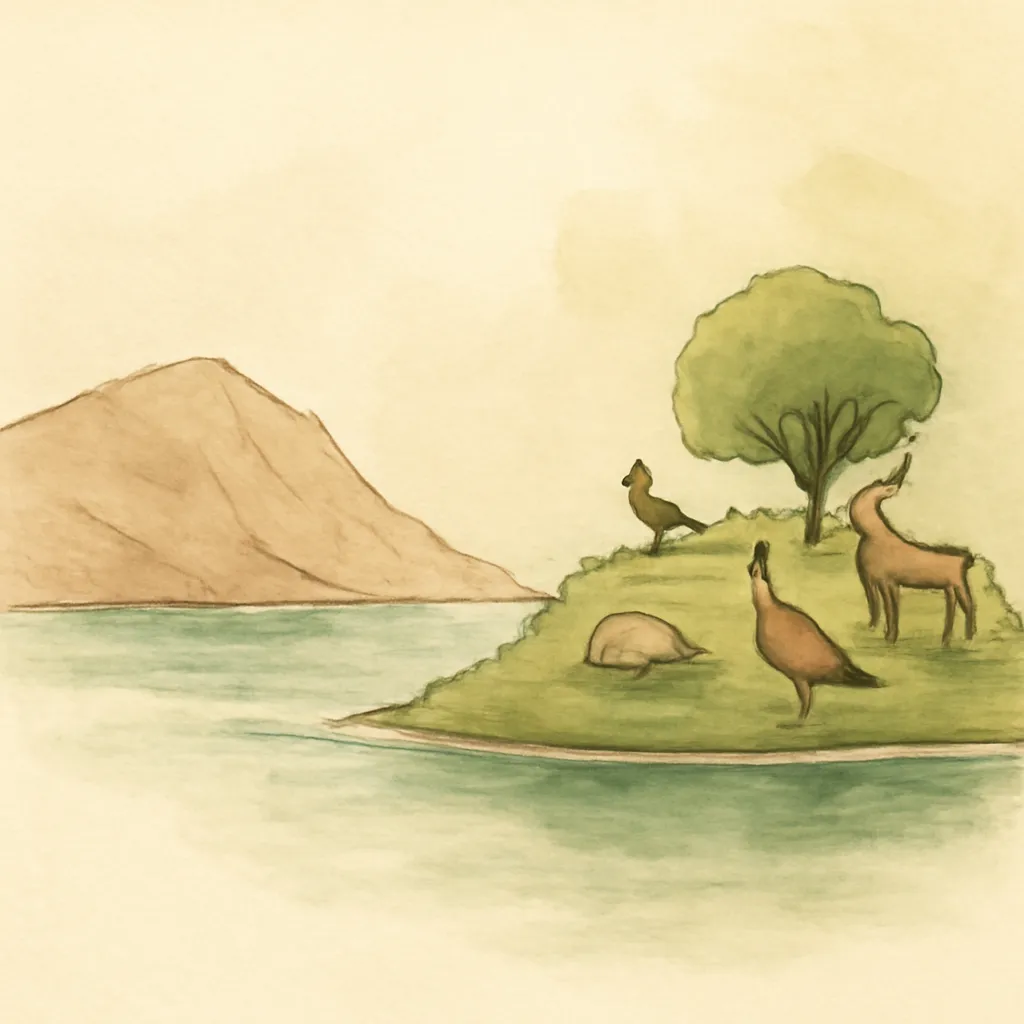
Darwin's examination of geographical distribution reveals how the location of species influences their evolution and adaptation. He argues that the present distribution of organisms cannot be solely explained by physical conditions, as similar environments can host vastly different species. The concept of 'centers of creation' emerges, suggesting that species evolve in specific regions and then disperse, leading to the observed patterns of diversity. By analyzing the distribution of fresh-water species and the inhabitants of islands, Darwin illustrates how barriers and historical migrations shape the evolutionary landscape. This insight into geographical distribution emphasizes the role of environmental factors in driving the evolution of species and highlights the intricate relationship between organisms and their habitats.
11.Recapitulation and Conclusion
In the concluding chapters, Darwin recapitulates the key arguments and evidence supporting his theory of natural selection. He acknowledges the criticisms and challenges faced by his ideas but reaffirms the strength of the evidence for descent with modification. By synthesizing the complexities of variation, the struggle for existence, and the mechanisms of selection, Darwin presents a cohesive framework for understanding evolution. He emphasizes that the acceptance of natural selection has profound implications for the study of natural history and our understanding of life itself. Ultimately, 'The Origin of Species' serves as a foundational text that not only revolutionizes biology but also invites ongoing exploration of the mysteries of evolution.