1.Interconnectedness of All Life
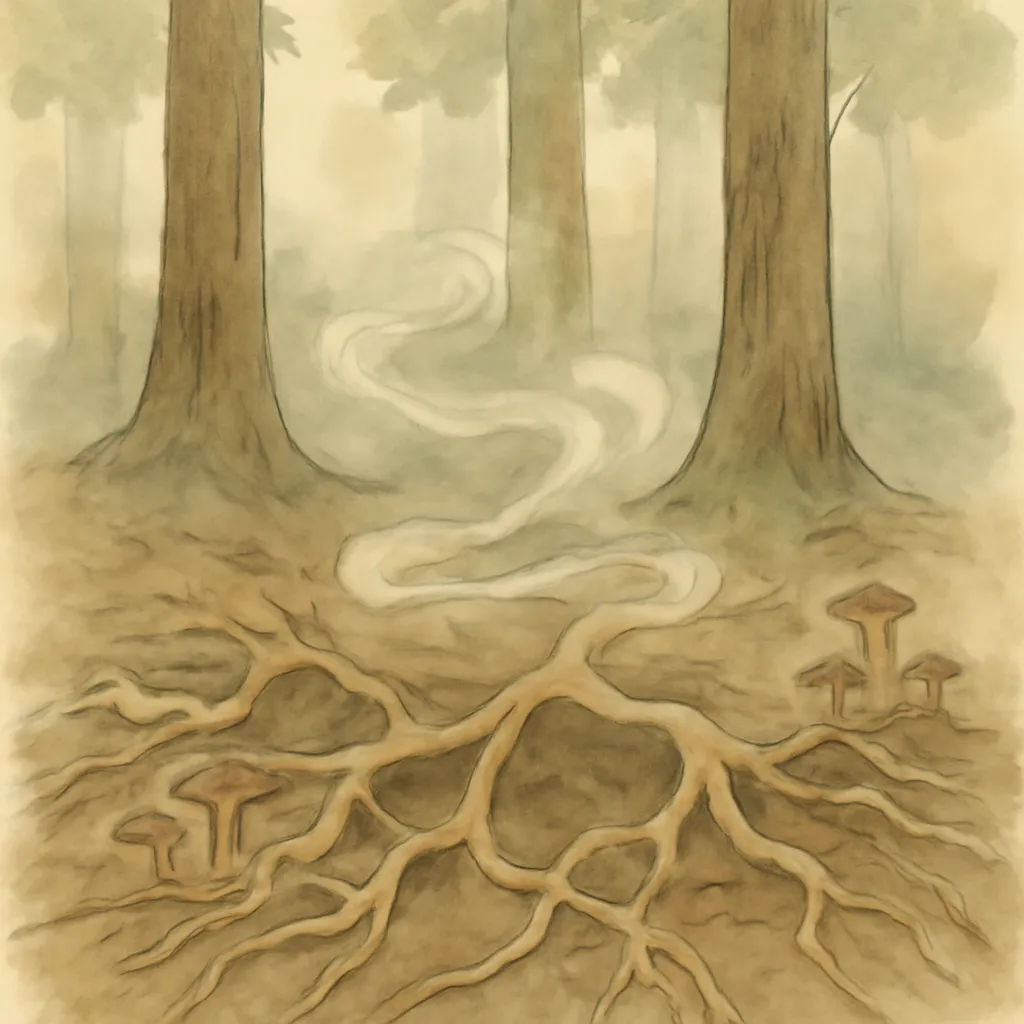
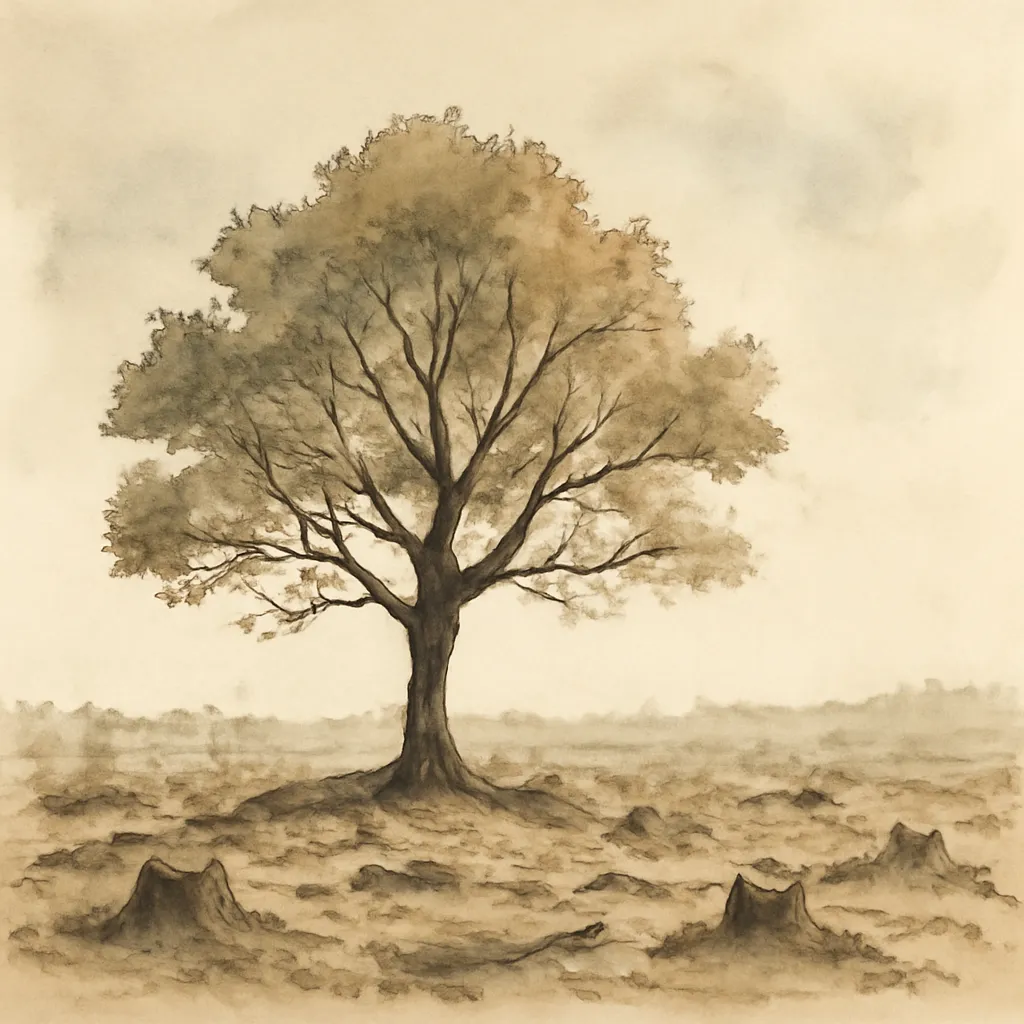
At its core, The Overstory is about the intricate web linking humans and trees. Powers draws parallels between the hidden networks of forests—roots, fungi, chemical signals—and the often invisible bonds among people. The novel suggests that recognizing our deep connection to the natural world is essential, not just for environmental preservation, but for understanding ourselves. This theme is reinforced through the characters’ intersecting stories, which mirror the way trees support and communicate with each other in a forest ecosystem.
2.Trees as Protagonists
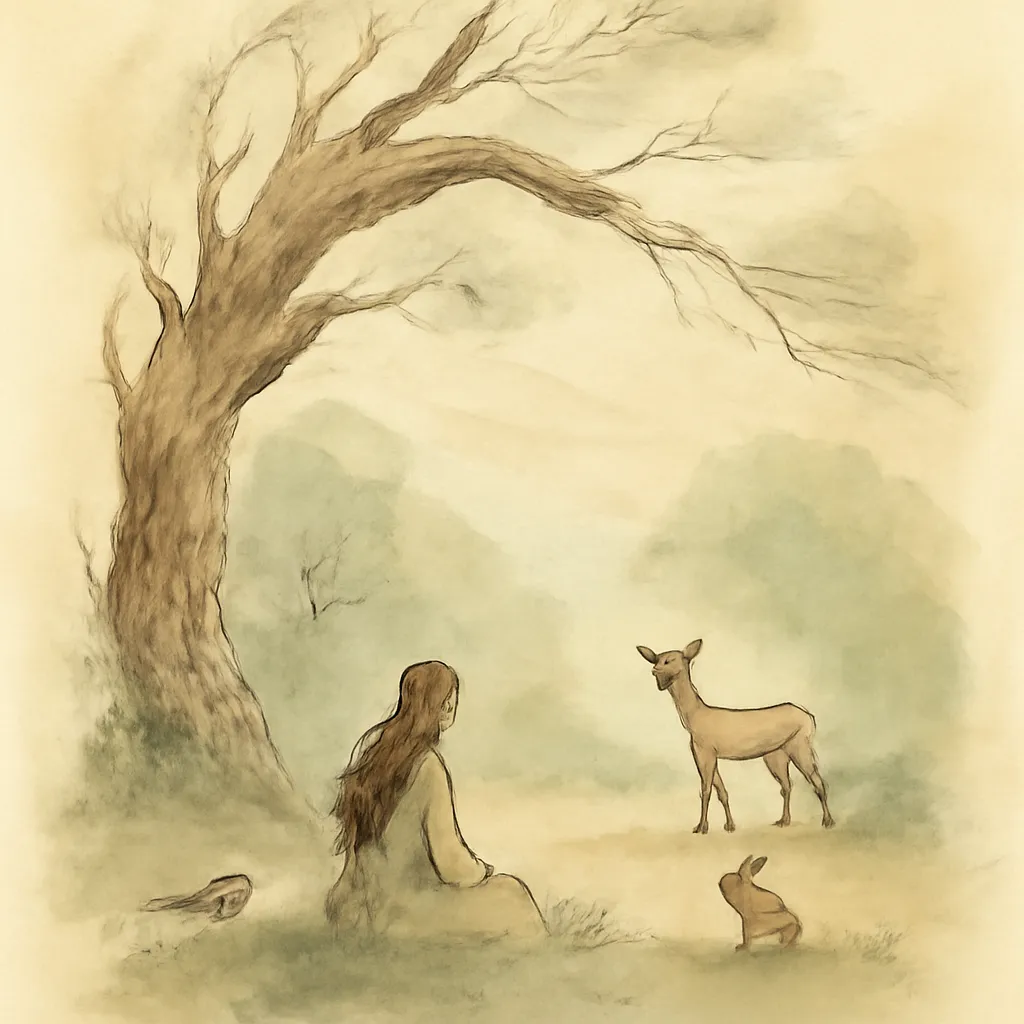
Unlike most novels, The Overstory elevates trees from mere background scenery to central figures with agency and purpose. Powers gives voice to the silent endurance and intelligence of trees, portraying them as active participants in the unfolding drama. This shift in perspective asks readers to reconsider the traditional boundaries between human and non-human life, and to appreciate the complexity and significance of the vegetal world.
3.Human Blindness and Awakening
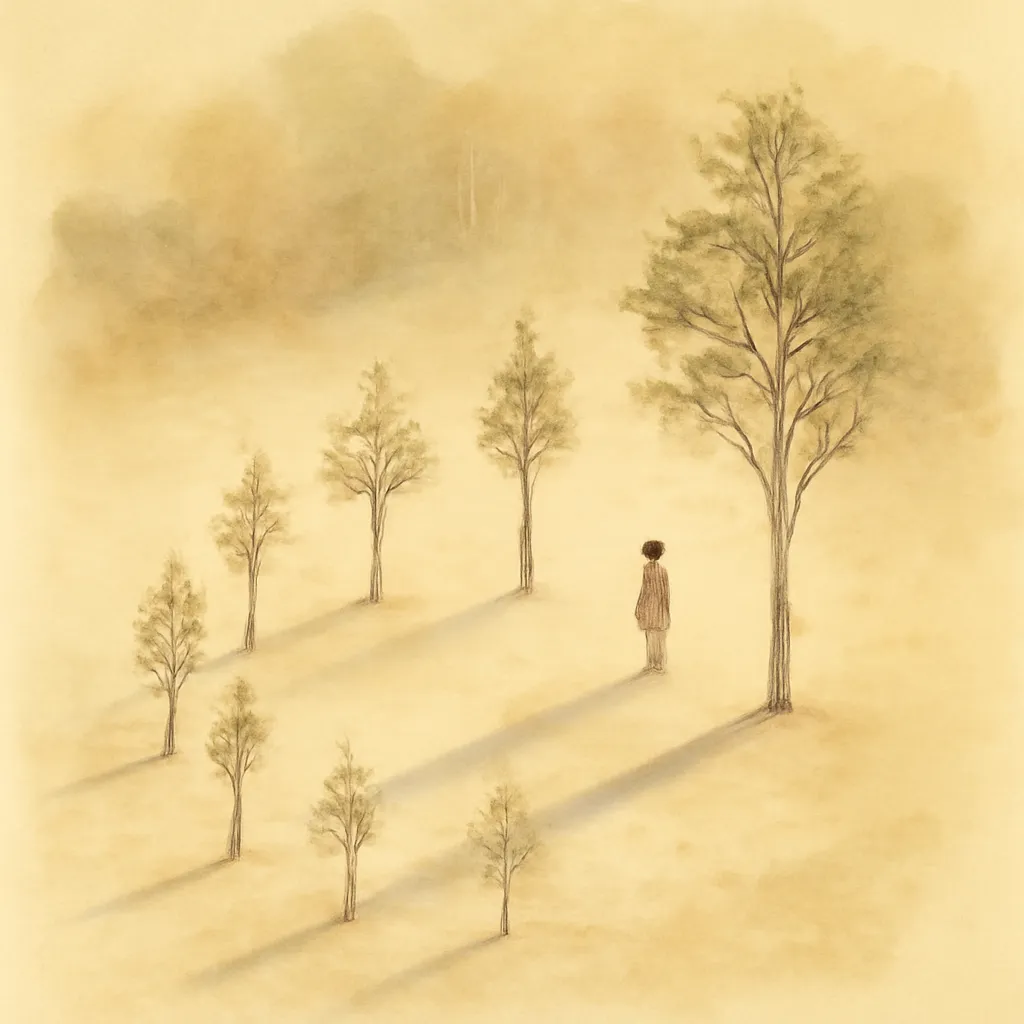
The book explores how modern society’s blindness to the lives of trees parallels broader patterns of environmental neglect. Characters in the novel undergo transformative awakenings—sometimes through trauma, sometimes through revelation—that lead them to see trees, and the world, anew. Powers uses these awakenings to critique the alienation of people from nature, and to suggest that true change begins with learning to see what has always been there.
4.Activism and Sacrifice
The Overstory doesn’t shy away from the moral and psychological complexities of environmental activism. Several characters become radicalized by their love for trees, risking—and sometimes losing—everything in the fight to protect forests. Powers presents activism as both a deeply personal and communal act, examining the costs, motivations, and limits of resistance in the face of overwhelming odds.
5.Time and Scale Beyond the Human
Powers constantly contrasts the brief, frenetic span of human lives with the vast, slow timescales of trees and forests. This perspective shift is humbling, inviting readers to see themselves as part of a much larger, older story. The novel’s structure itself mimics the growth rings of a tree, with stories branching and intertwining across generations, emphasizing endurance, patience, and the long arc of ecological history.
6.Storytelling as Survival
Throughout The Overstory, storytelling emerges as a vital force for survival—both for people and for trees. Powers suggests that the stories we tell about the natural world shape our actions and ethics. By reframing trees as protagonists and their destruction as tragedy, the novel seeks to inspire empathy and action, arguing that new narratives are essential for planetary survival.