1.The Power of Setting as Character
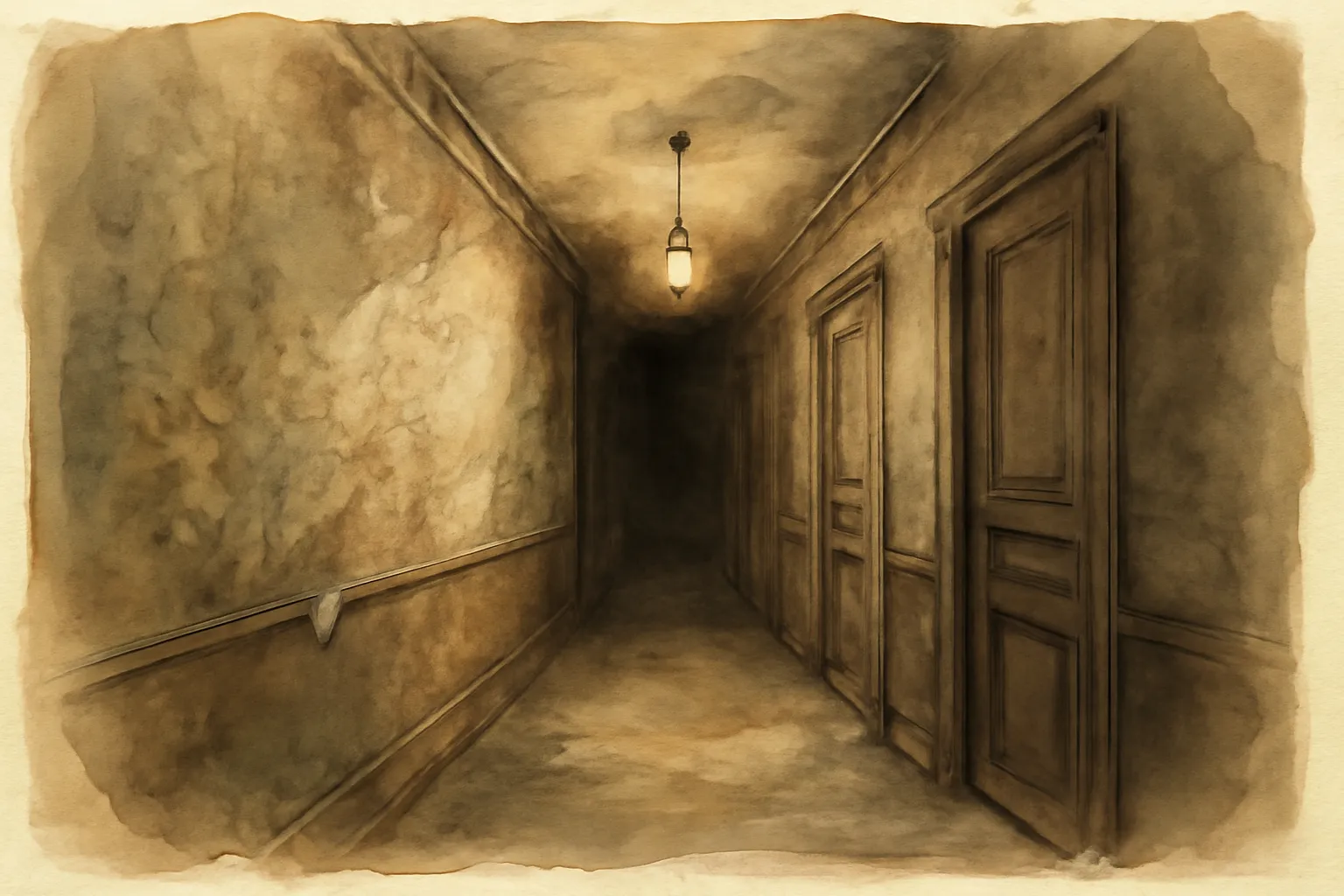
Foley transforms the Parisian apartment building into a living, breathing entity. Its elegant facade conceals a labyrinth of secrets, and each floor, locked door, and shadowy corridor amplifies the tension. The building’s opulence contrasts with the isolation and suspicion among its residents, making the setting integral to the plot and mood. The sense of place is so strong that the apartment itself feels complicit in the unfolding mystery, reflecting the characters’ hidden lives and the city’s duality of beauty and danger.
2.Unreliable Narrators and Shifting Perspectives
The story unfolds through multiple viewpoints, each colored by personal motives and selective truths. Foley uses this structure to keep readers off-balance, questioning who can be trusted and what really happened to Ben. The shifting perspectives not only deepen the mystery but also expose the subjective nature of memory and perception. This narrative technique builds suspense and invites readers to piece together the puzzle from conflicting accounts.
3.Family Ties and Outsider Status
Jess’s outsider status—both as a foreigner in Paris and as Ben’s half-sister—heightens her vulnerability and determination. Her search for Ben is as much about uncovering family secrets as it is about survival. The novel explores how familial bonds can be both a source of strength and a cause of pain, especially when trust is in short supply. Jess’s perspective highlights the difficulties of navigating unfamiliar social codes and the loneliness of being an outsider.
4.Class, Privilege, and Social Masks
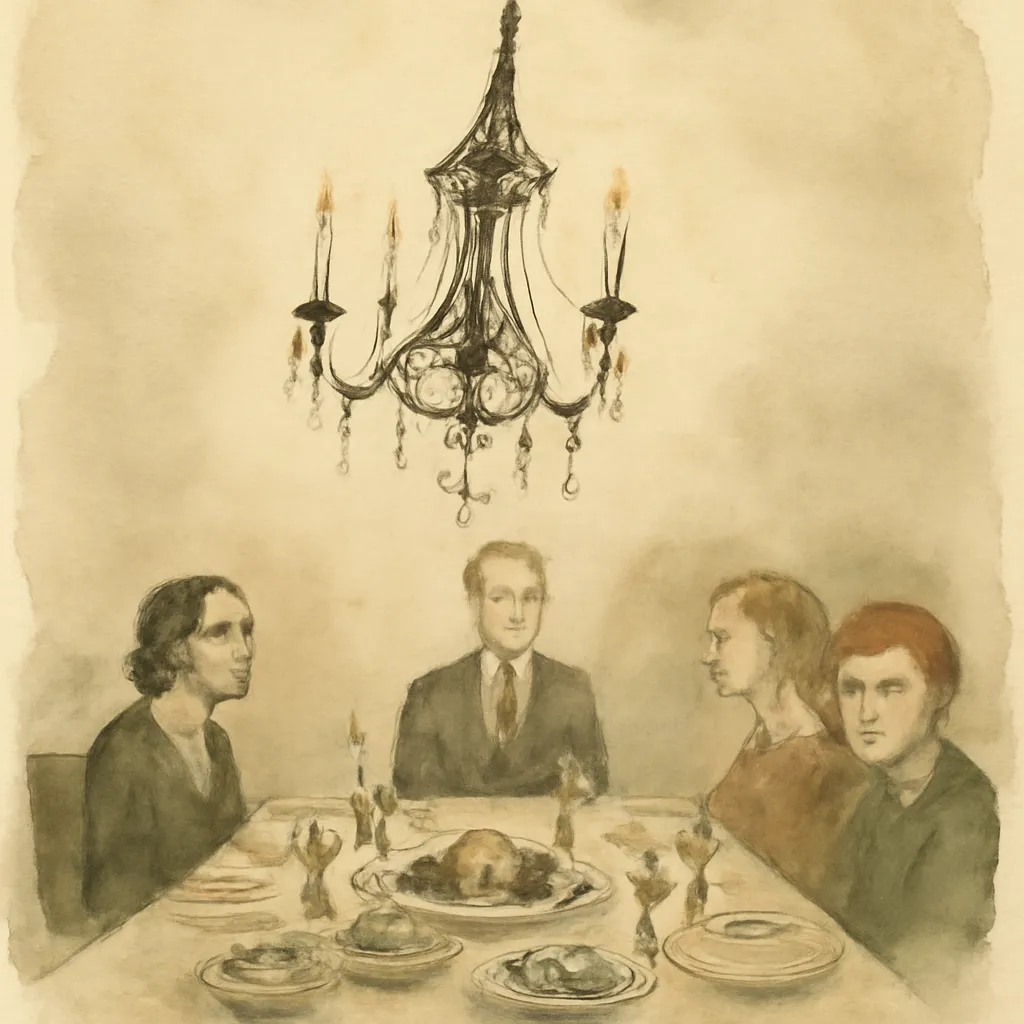
The apartment’s residents represent a cross-section of Parisian society, from the wealthy socialite to the struggling concierge. Foley examines how privilege shields some characters from scrutiny while trapping others in cycles of secrecy and dependence. The novel critiques the ways people use wealth and status to hide their flaws and crimes, and how appearances can be deceiving. The social dynamics within the building mirror broader issues of class and exclusion.
5.The Cost of Curiosity and Truth-Seeking
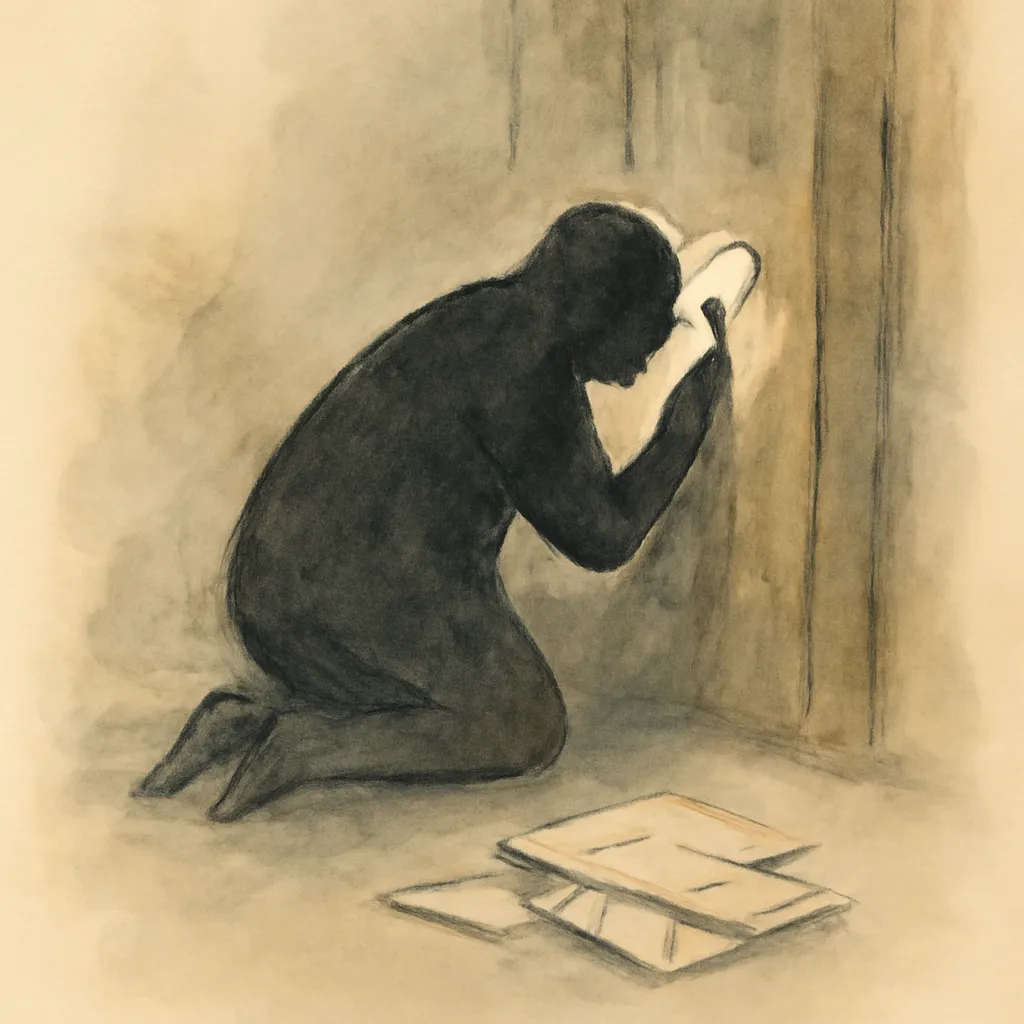
Jess’s relentless pursuit of answers comes with escalating risks. The novel probes the dangers of digging too deeply into other people’s lives, especially in a closed community where everyone has something to lose. Foley suggests that the truth is rarely simple or safe, and that curiosity can be both a weapon and a liability. The tension between wanting to know and fearing the consequences drives much of the suspense.
6.Isolation and Paranoia in Urban Life
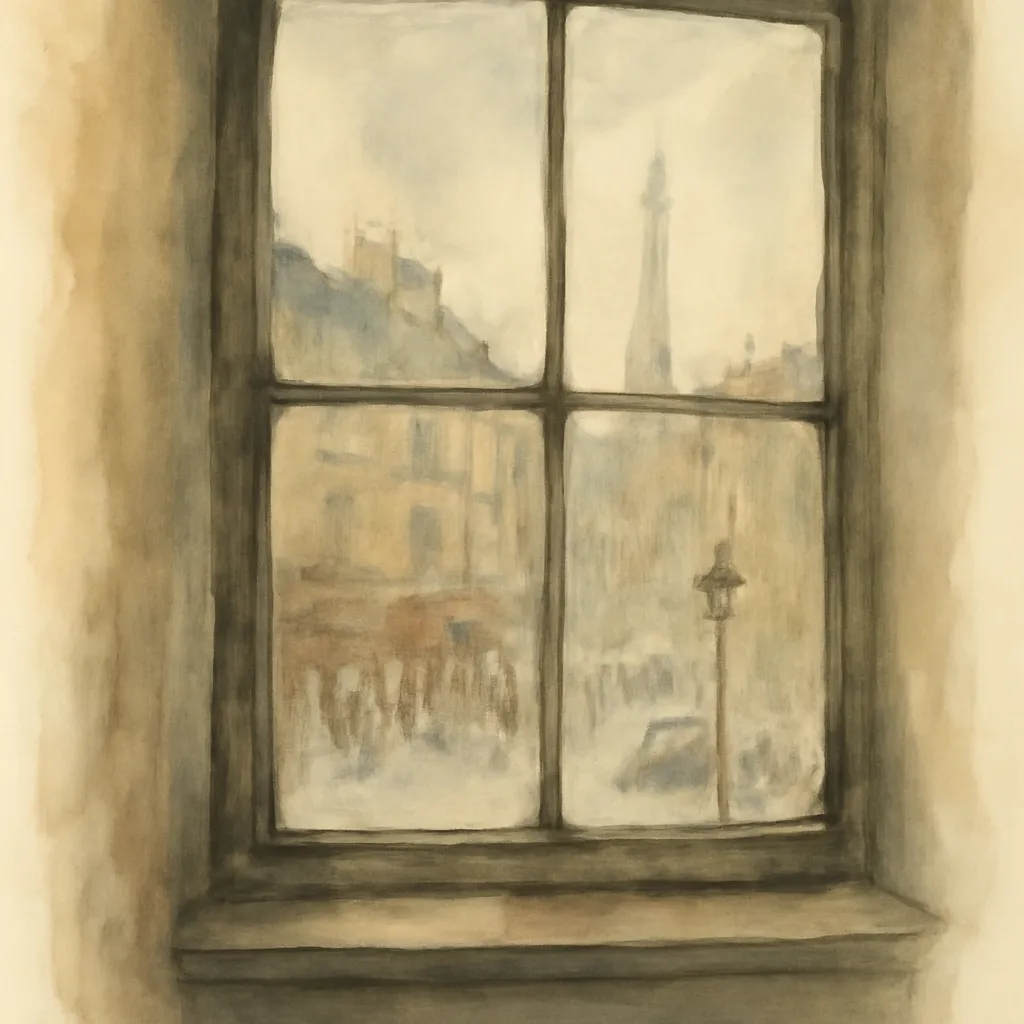
Despite being surrounded by neighbors, Jess experiences profound isolation. The urban setting amplifies her sense of being watched and judged, and the building’s insular culture breeds suspicion. Foley explores how city life can foster both anonymity and alienation, making it easy for secrets to fester. The novel taps into contemporary anxieties about privacy, surveillance, and the unknowability of those living closest to us.