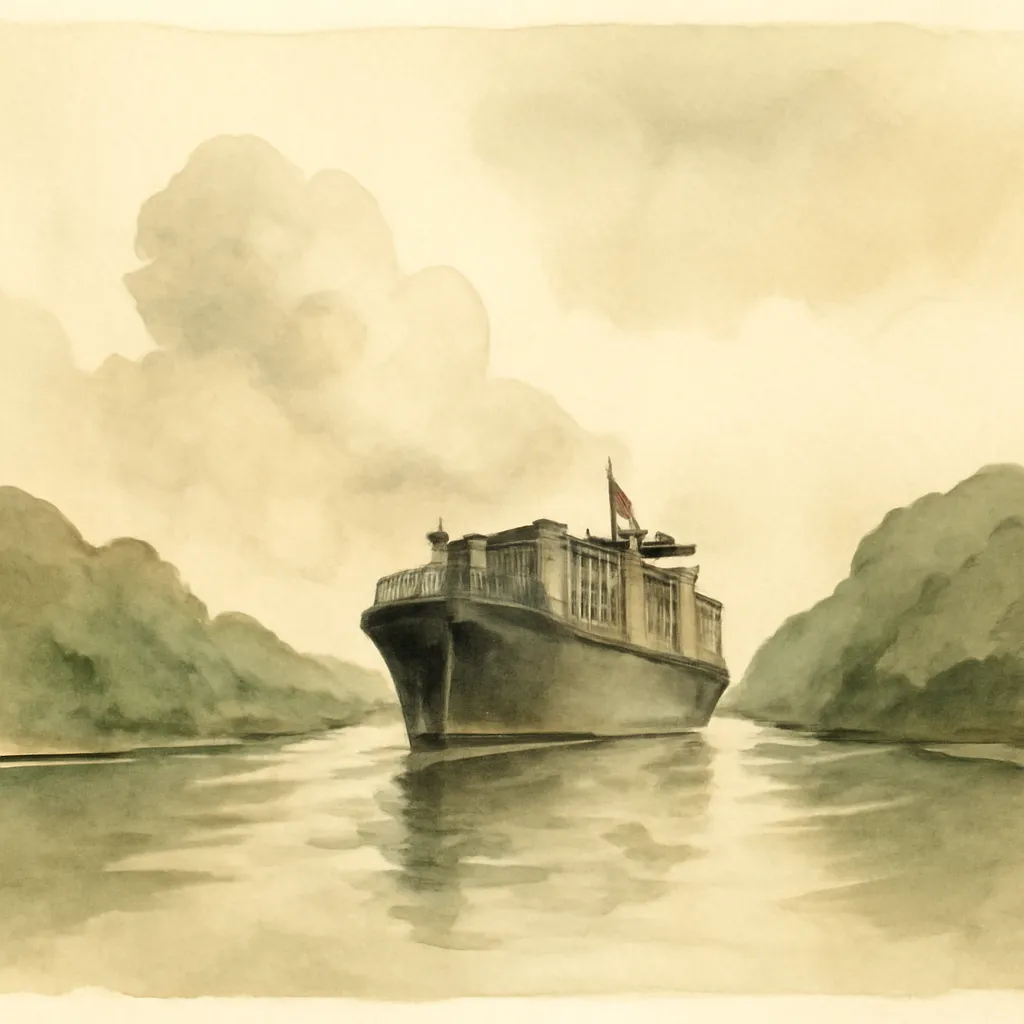
1.Engineering Triumph and Tragedy
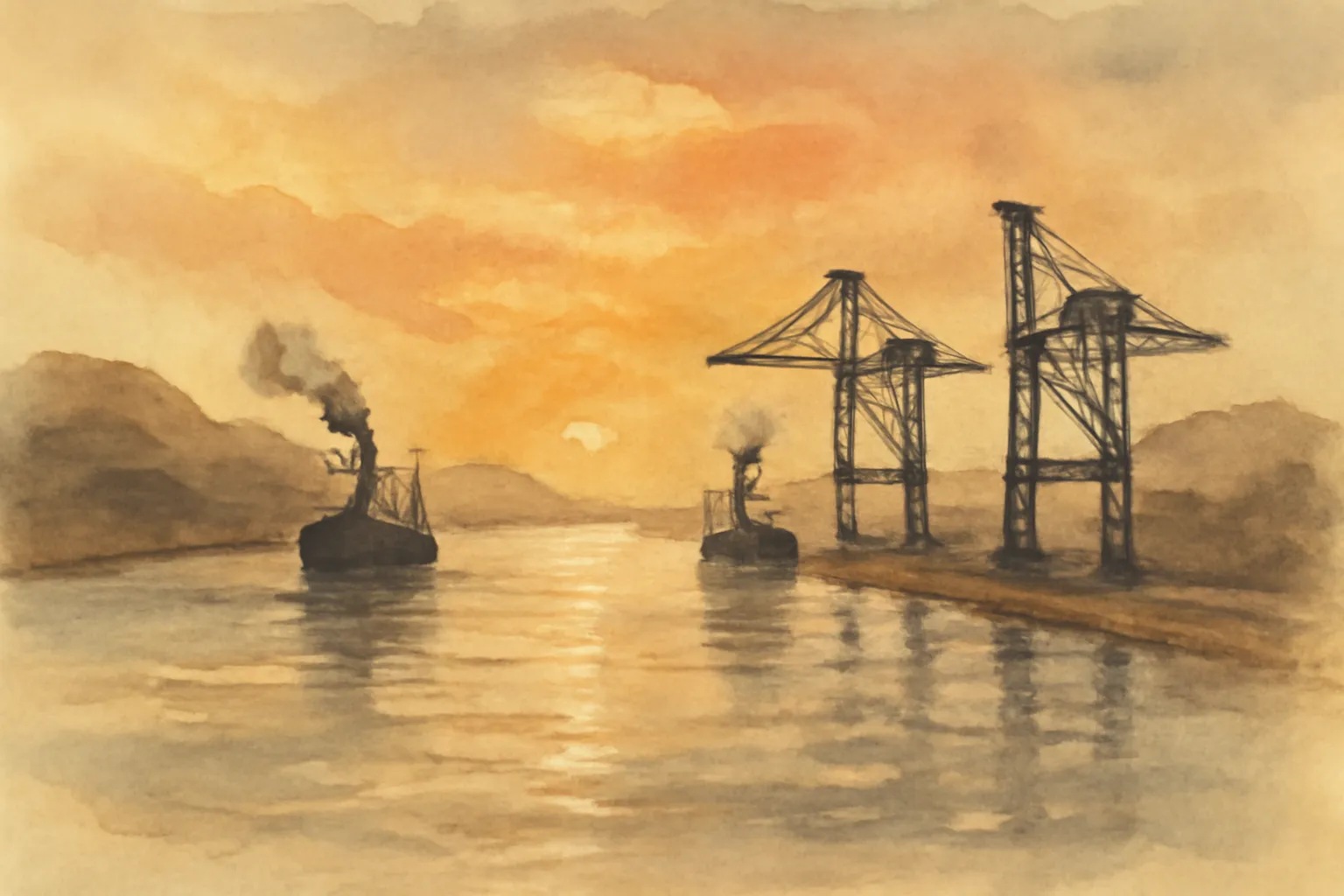
McCullough delves deeply into the technical and logistical challenges of building the canal, highlighting both the brilliance and the hubris of the engineers involved. The book details the shift from the failed French effort to the eventual American success, showing how innovation, adaptation, and sheer persistence overcame daunting obstacles—ranging from landslides to tropical diseases. Yet, the narrative also underscores the human cost: thousands of workers died, and the canal's construction became a crucible for both heroism and suffering.
2.Medical Breakthroughs Amid Crisis
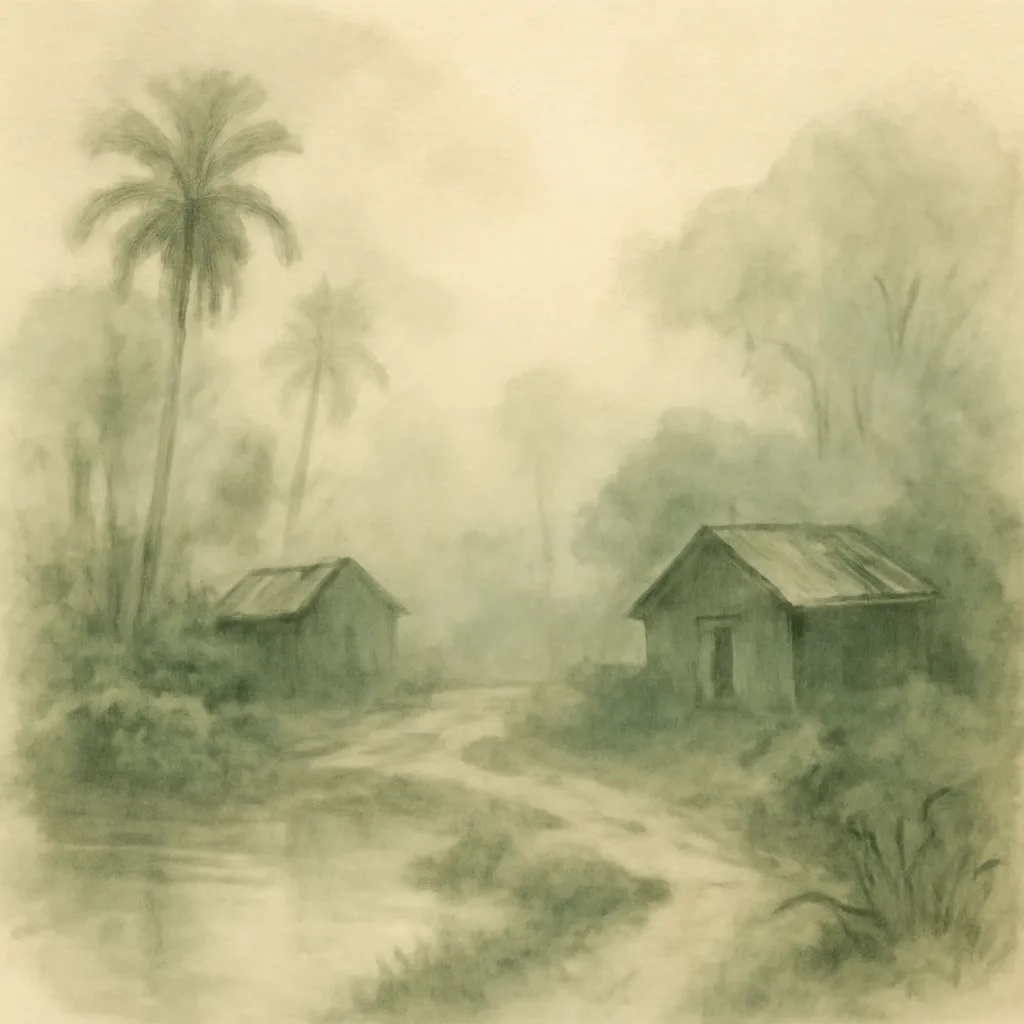
One of the book’s most compelling threads is the battle against yellow fever and malaria, which decimated the canal workforce. McCullough illuminates the pioneering public health efforts led by Dr. William Gorgas, whose work not only made the canal possible but also transformed global understanding of disease control. The story is a testament to the power of science and determination in the face of seemingly insurmountable odds.
3.Geopolitical Maneuvering and American Power
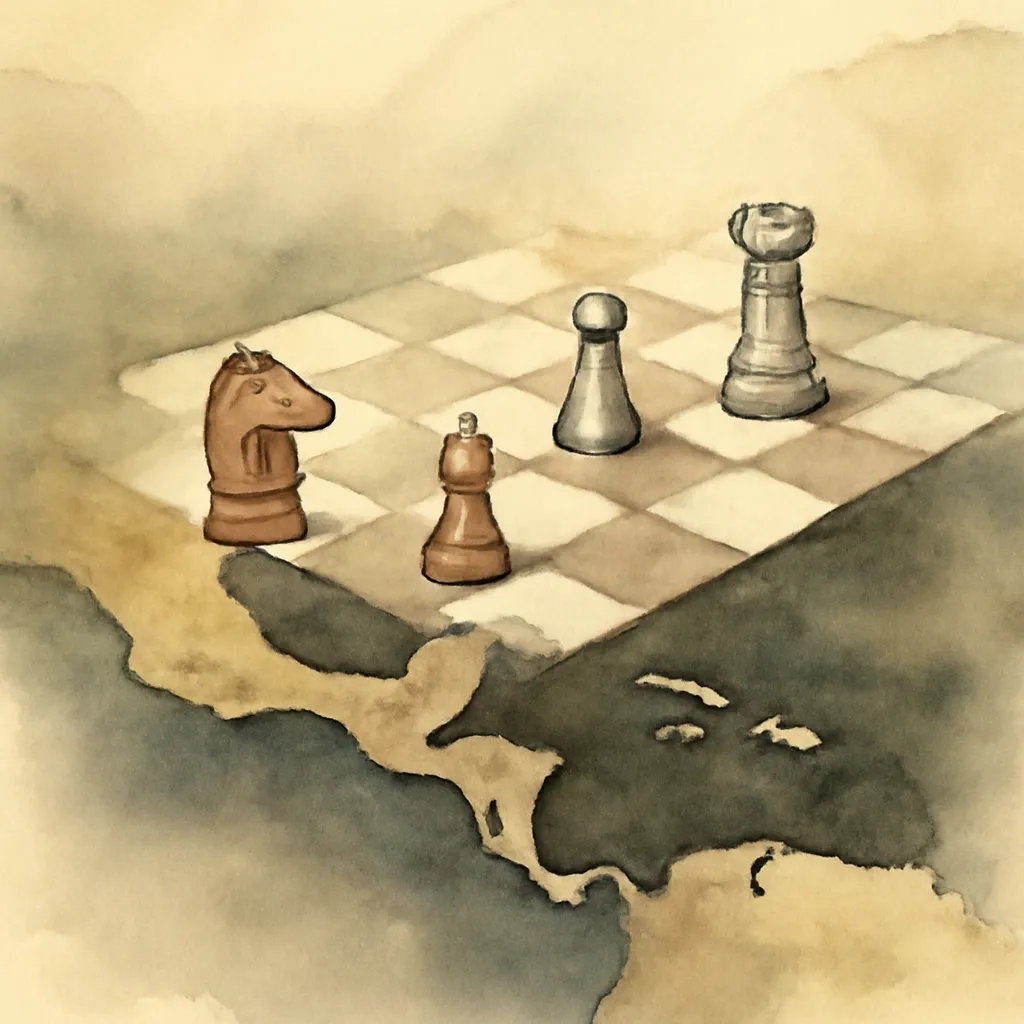
The canal’s creation was as much a political drama as an engineering one. McCullough reveals the complex interplay between France, Colombia, Panama, and the United States, showing how diplomatic intrigue, national ambitions, and backroom deals shaped the outcome. The U.S. role in Panama's independence and subsequent control of the canal zone is examined critically, offering readers a nuanced view of American imperialism and its legacy.
4.The Human Stories Behind the Project
Beyond the grand narrative, McCullough brings to life the diverse cast of characters who shaped the canal’s history: visionaries, laborers, politicians, and opportunists. Their stories—full of courage, folly, and resilience—ground the book in human experience, reminding readers that history is made not just by nations, but by individuals facing extraordinary circumstances.
5.Global Impact and the Price of Progress
The book explores how the canal transformed global trade, military strategy, and the very concept of connectivity between continents. McCullough does not shy away from the ethical questions raised by the project: the exploitation of workers, the environmental consequences, and the reshaping of societies. The canal stands as both a marvel of human achievement and a cautionary tale about the costs of ambition.
6.Legacy and Memory
McCullough invites readers to consider how the Panama Canal continues to shape national identities and international relations. The narrative’s closing chapters reflect on the canal’s enduring symbolism and the debates over sovereignty, ownership, and historical memory that persisted long after its completion.