1.The 'Gutenberg Moment' in Medicine
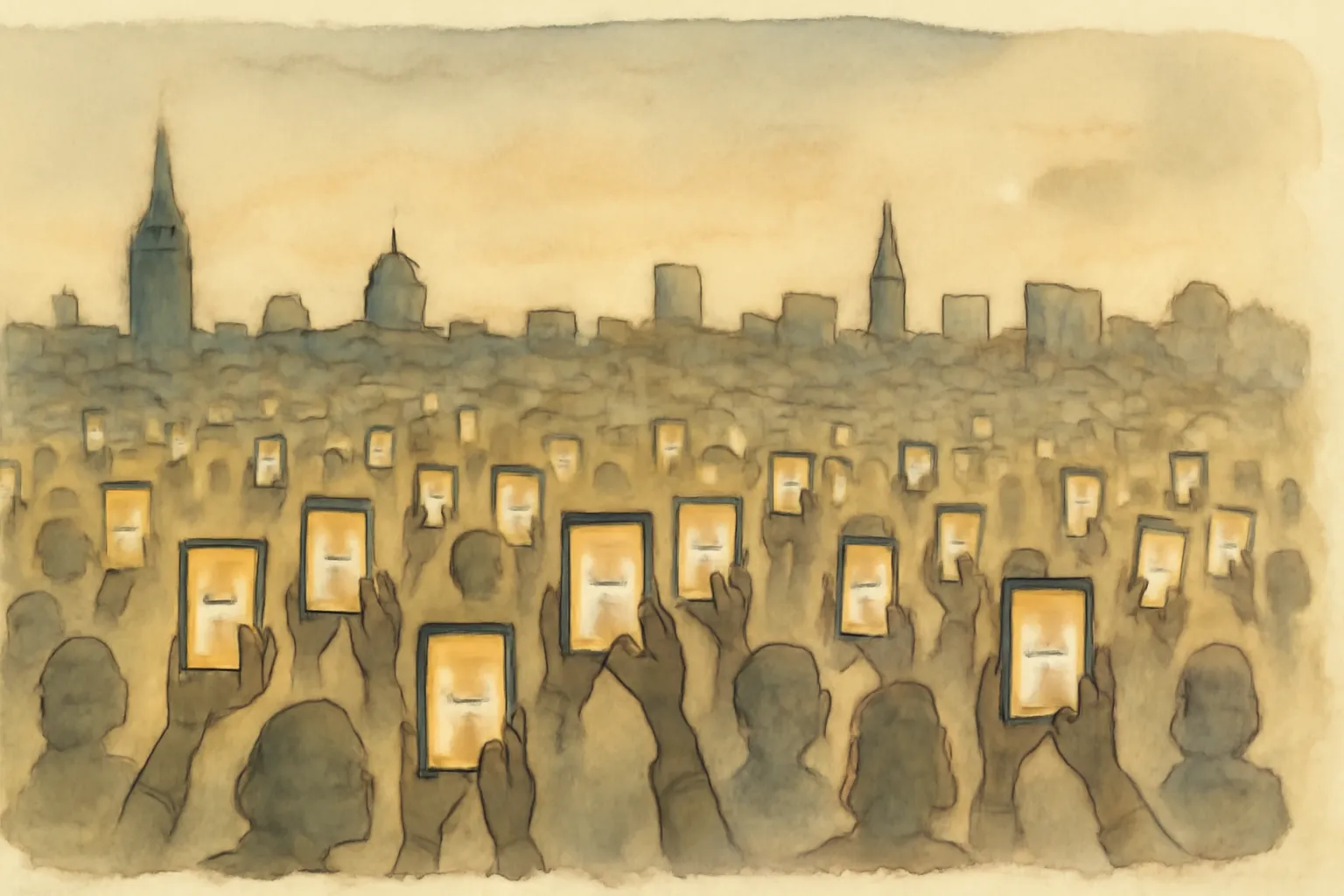
Topol draws an analogy between the invention of the printing press and the current digital revolution in healthcare. Just as the press democratized access to information, new technologies—especially smartphones—are liberating medical knowledge from the exclusive domain of professionals. This shift empowers patients to access, understand, and act on their own health data, fundamentally altering the doctor-patient dynamic.
2.Smartphones as Medical Hubs
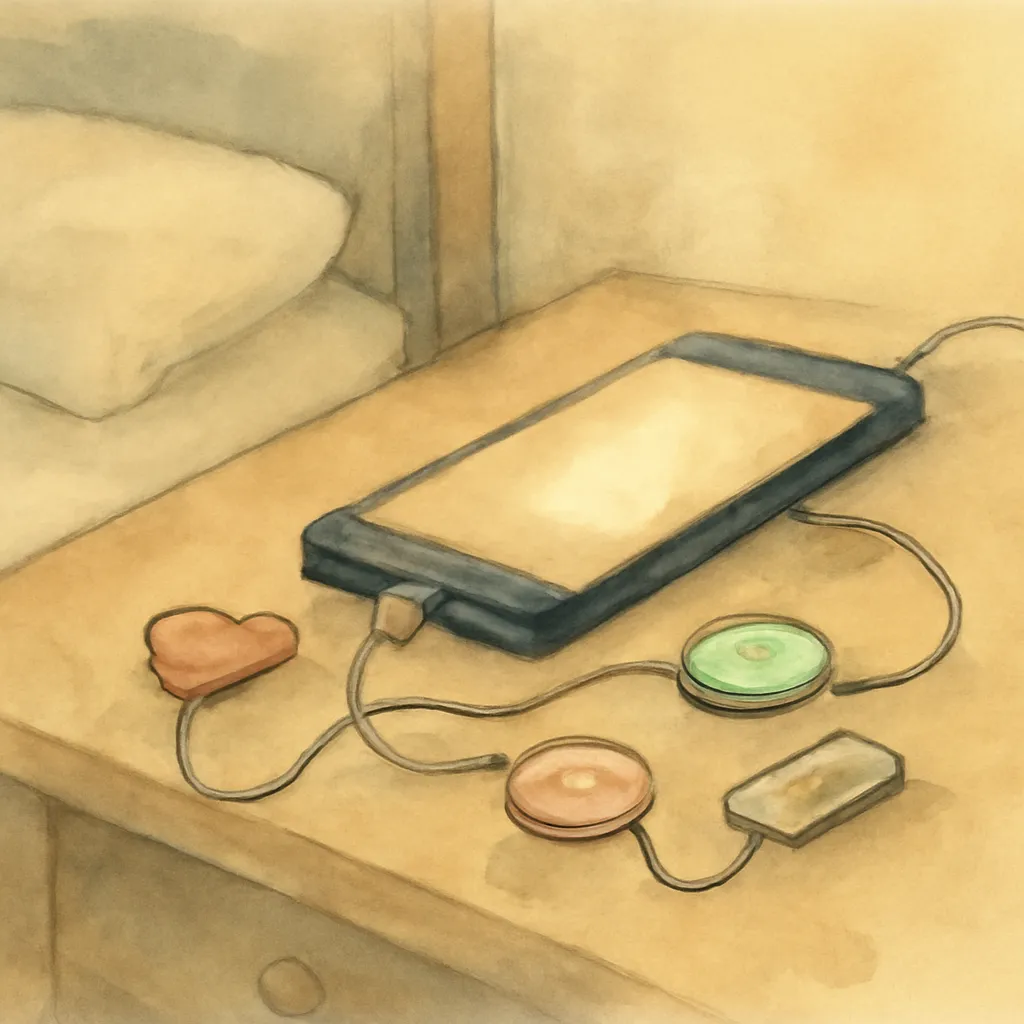
The book argues that smartphones are becoming the new medical platforms, capable of running diagnostic apps, connecting to sensors, and storing personal health records. This portability and accessibility mean patients can monitor chronic conditions, conduct basic tests, and even participate in telemedicine, reducing dependency on traditional clinical visits.
3.Data-Driven Diagnosis and Care
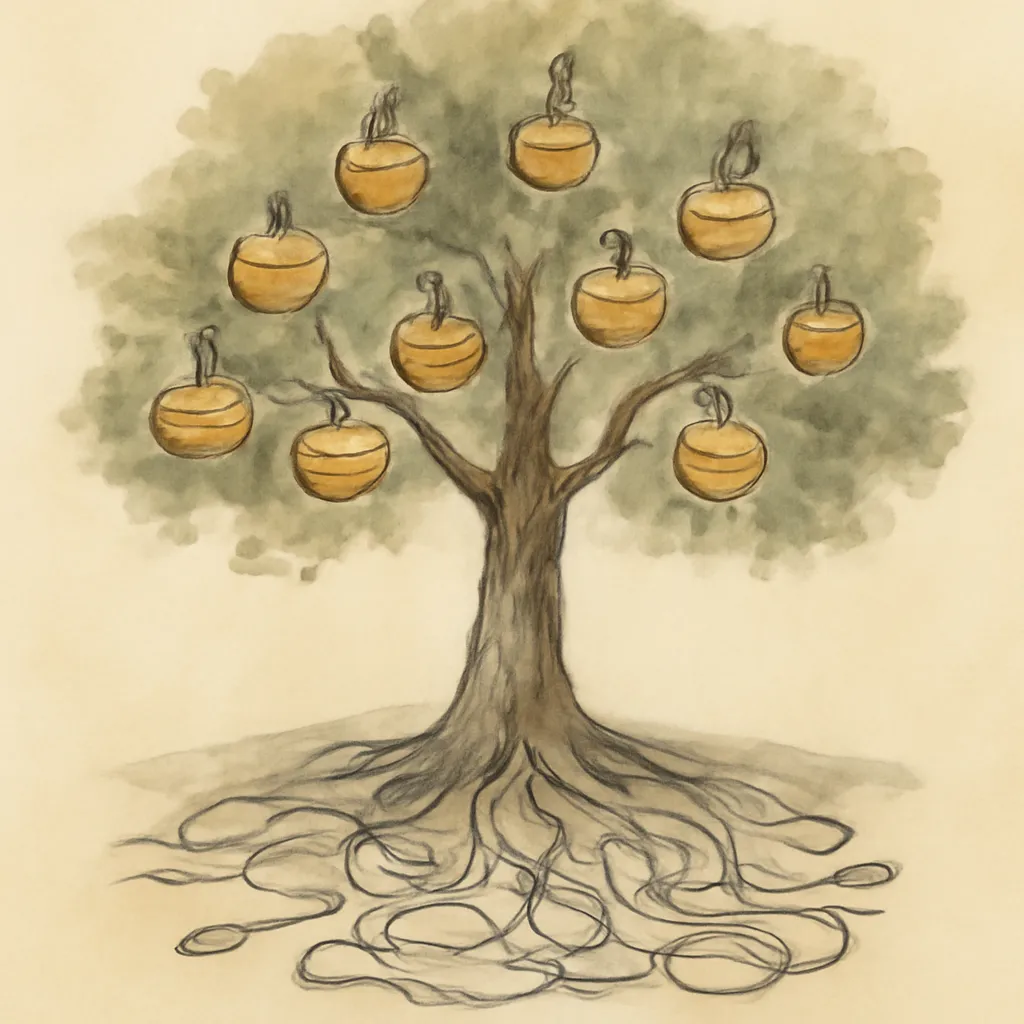
With vast amounts of health data now available—from genome sequencing to wearable trackers—medicine is moving toward more precise, data-driven care. Topol highlights how algorithms and artificial intelligence can outperform doctors in some diagnostic tasks, and how big data can uncover patterns that improve prevention and treatment, especially for complex or rare diseases.
4.Patient Empowerment and Autonomy
A central theme is the shift from a paternalistic model ('doctor knows best') to one where patients are informed, active participants. Topol envisions a future where patients own their data, make decisions collaboratively, and are no longer passive recipients of care. This empowerment, however, requires new skills and responsibilities for both patients and providers.
5.Resistance and Ethical Challenges
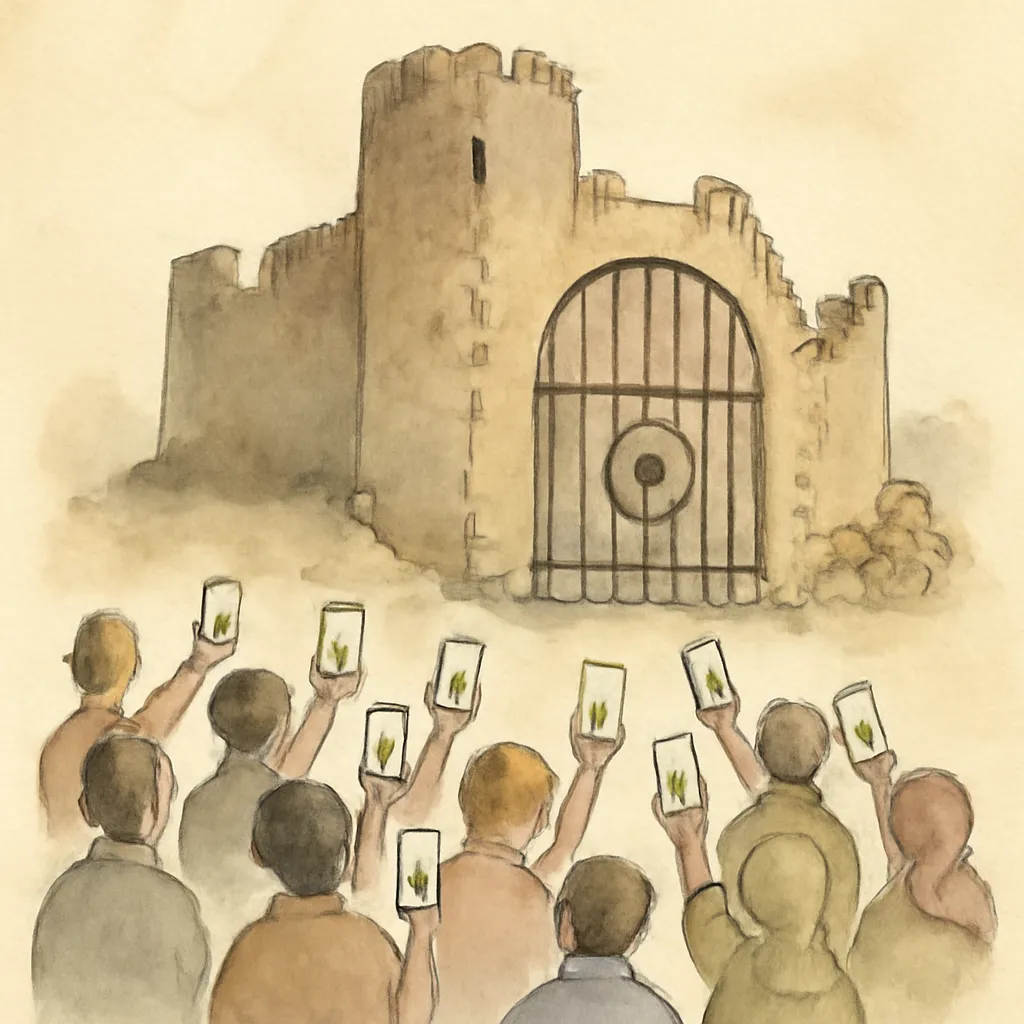
Topol does not shy away from the obstacles: entrenched interests in the medical establishment, regulatory hurdles, and privacy concerns all threaten to slow progress. He discusses the ethical dilemmas posed by data ownership, security, and the risk of inequality if technology is not accessible to all. The book urges vigilance to ensure the benefits of digital medicine are widely shared.
6.The Promise of More Humane Healthcare
Ultimately, Topol argues that technology, if harnessed wisely, can make healthcare not just more efficient and affordable, but also more humane. By reducing bureaucracy and empowering individuals, medicine can become more responsive to the needs and values of each patient, fostering trust and compassion in the process.