1.The Power and Pain of Being an Outsider
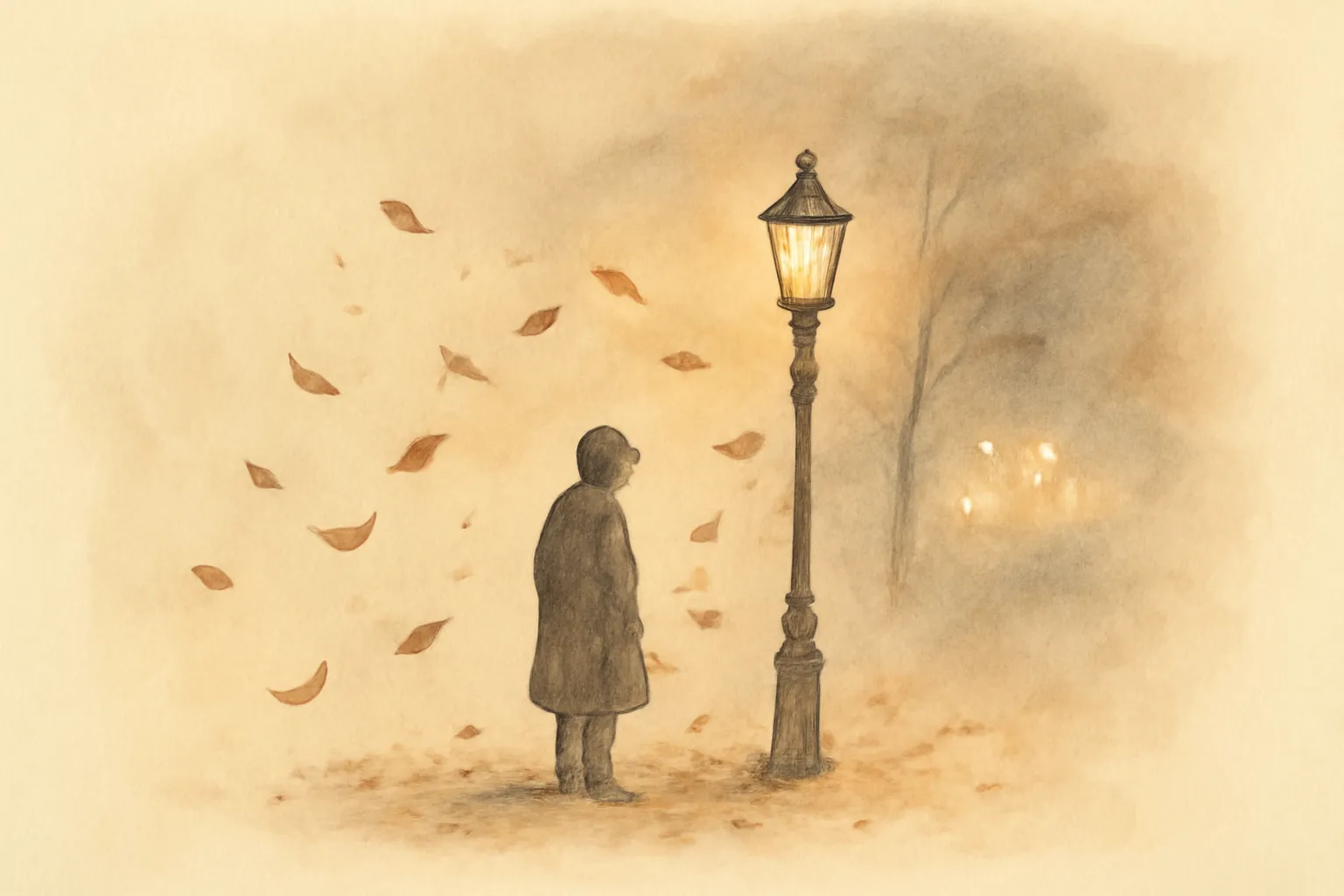
Charlie’s identity as a 'wallflower'—someone who observes more than participates—shapes his high school experience. Through his letters, readers witness both the isolation and insight that come with being on the margins. Charlie’s perspective allows him to notice what others miss, but it also leaves him vulnerable to loneliness and misunderstanding. The novel explores how being an outsider can be both a burden and a gift, fostering empathy and self-awareness while also deepening feelings of alienation.
2.Friendship as Lifeline
Charlie’s friendships with Sam and Patrick become his anchor in a world that often feels overwhelming. These relationships are messy, imperfect, and transformative, providing Charlie with moments of acceptance and joy as well as heartbreak. The novel delves into how genuine connections can help individuals survive trauma and confusion, and how friends often become chosen family during adolescence.
3.Navigating Trauma and Mental Health
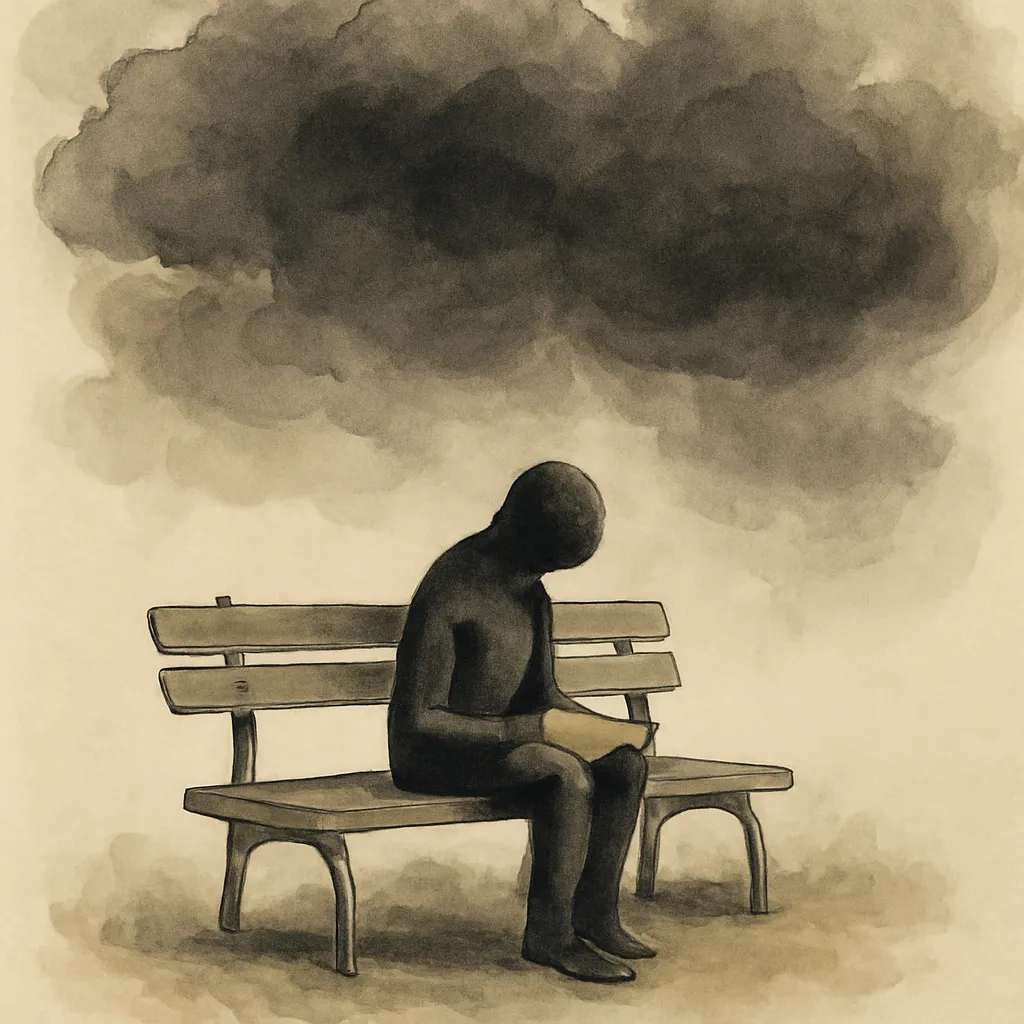
Beneath the surface of Charlie’s coming-of-age story lies a deeper exploration of trauma, grief, and mental illness. The narrative gradually reveals the impact of past abuse and loss on Charlie’s psyche, challenging the stigma around mental health. The book’s honest depiction of therapy, breakdowns, and recovery underscores the importance of seeking help and breaking cycles of silence.
4.The Complexity of Growing Up
Chbosky captures the contradictory emotions of adolescence: the exhilaration of new experiences, the confusion of identity, and the pain of letting go. Through Charlie’s eyes, readers see how growing up is not a straightforward journey but a process marked by setbacks, revelations, and moments of fleeting happiness. The novel resists easy answers, instead embracing the messiness of becoming an adult.
5.The Role of Art and Literature
Books, music, and movies are woven throughout Charlie’s story, serving as both escape and guide. His English teacher introduces him to classic novels, and his friends share music that becomes the soundtrack to his life. The novel suggests that art can help us understand ourselves and others, offering solace and connection when words fail.
6.Authenticity and Self-Acceptance
At its core, the novel is about learning to accept oneself, flaws and all. Charlie’s journey is marked by moments of self-doubt and shame, but also by growing courage to be honest about who he is and what he feels. The book encourages readers to embrace vulnerability as a path to authenticity and healing.