1.Passing and the Cost of Secrecy
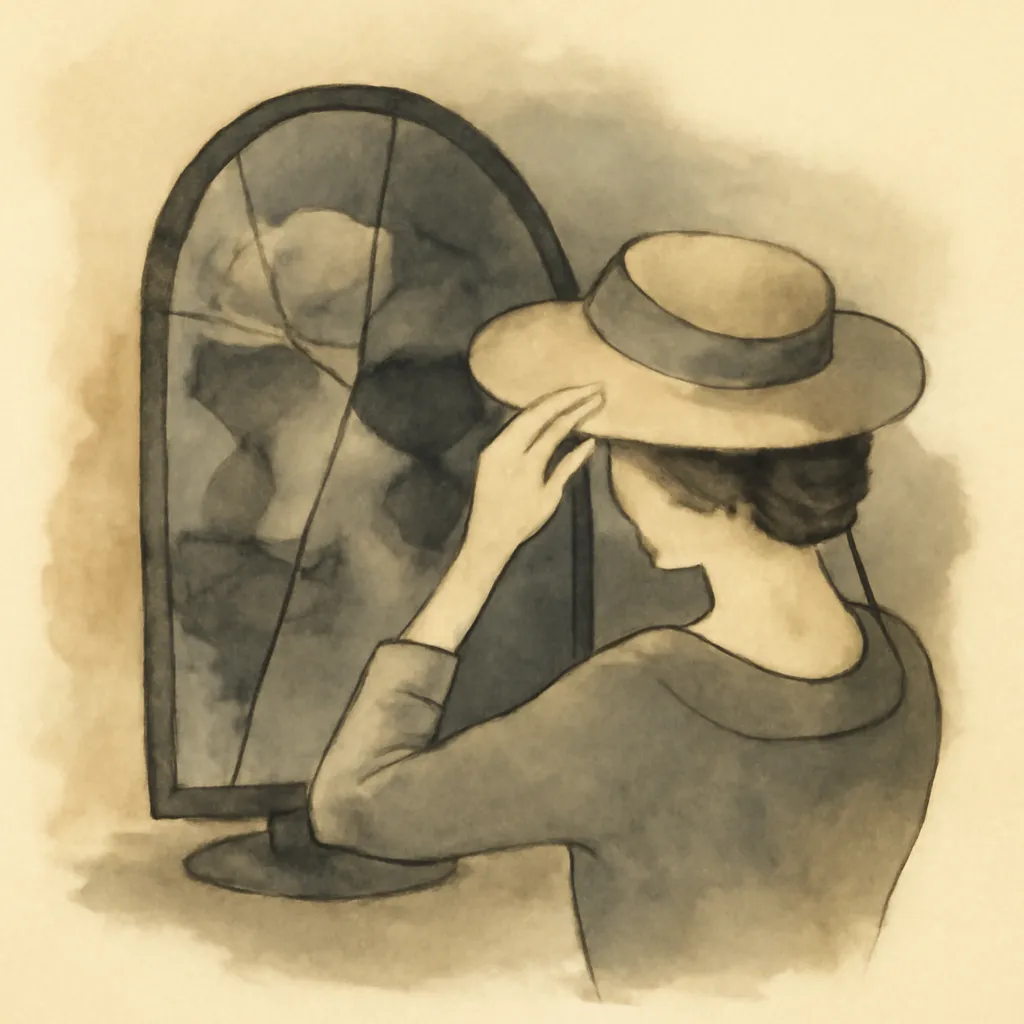
At the heart of the novel is Belle’s decision to pass as white in a racially segregated society. The narrative delves into the emotional and psychological toll of living a double life: Belle must constantly guard her secret, fearing exposure that could destroy her career and endanger her family. The book explores how passing is both a shield and a prison, offering access to privilege while demanding enormous personal sacrifice. This tension shapes Belle’s relationships, choices, and sense of self, illustrating the broader realities faced by many Black Americans who navigated similar choices in the early 1900s.
2.Women’s Agency in a Male-Dominated World
Belle’s rise as J. P. Morgan’s personal librarian is remarkable not only for her race but also for her gender. In a world where women—especially women of color—were rarely allowed positions of influence, Belle’s intellect, negotiation skills, and charisma enable her to command respect in elite circles. The novel highlights her strategic use of style and wit to navigate sexism and assert her authority, offering a nuanced look at how women carved out space for themselves in patriarchal institutions.
3.The Power and Politics of Art
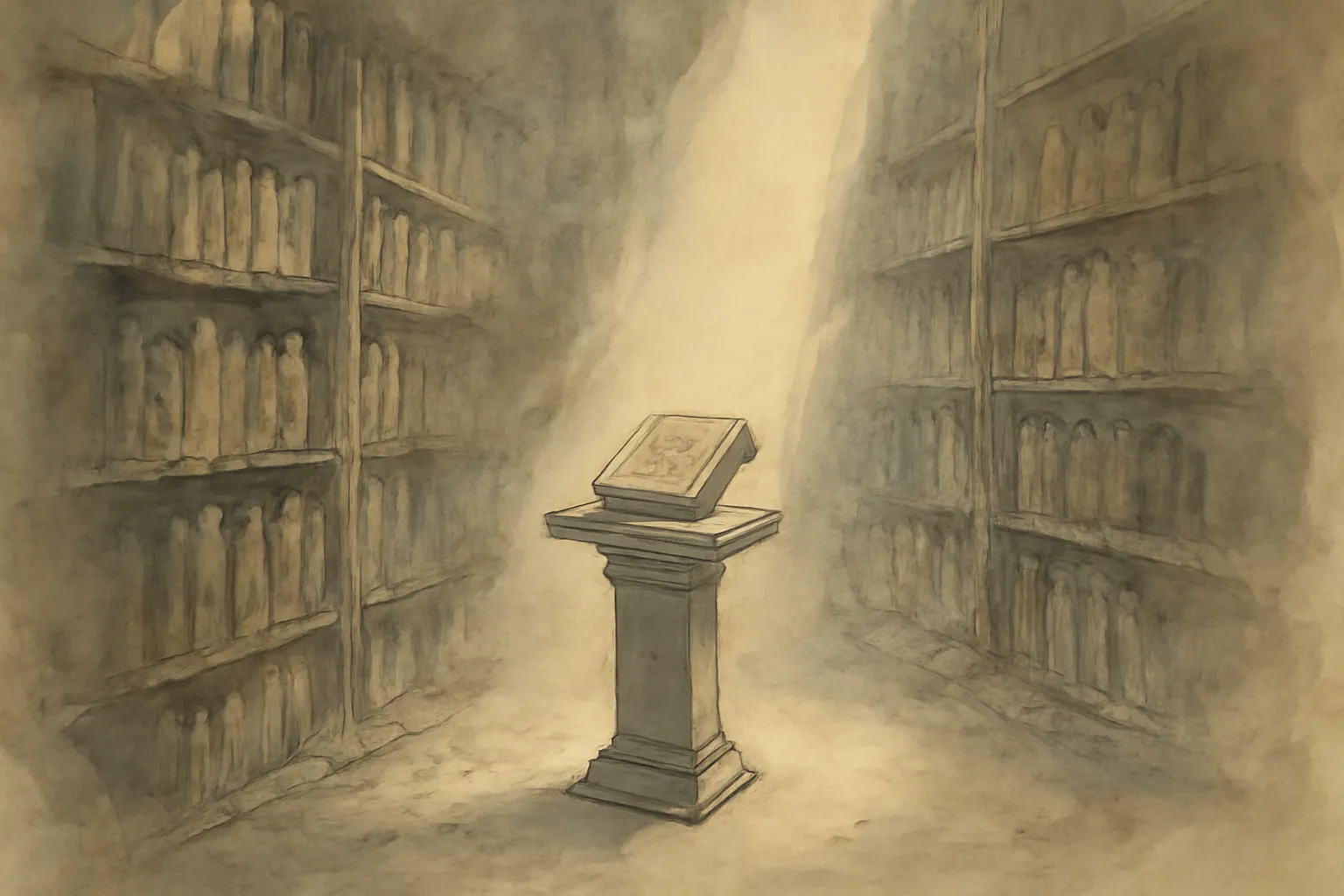
Through Belle’s work curating the Morgan Library, the novel brings to life the high-stakes world of art acquisition and cultural preservation. Belle’s expertise and vision help shape an enduring legacy, but her role also exposes the politics and rivalries underlying the art world. The book raises questions about who gets to decide what is preserved, whose voices are heard, and how cultural heritage is constructed—issues that remain relevant today.
4.Family, Loyalty, and Identity
Belle’s relationship with her family—especially her mother, who insists on passing for survival, and her estranged father, a prominent Black intellectual—anchors the story. The novel examines the painful choices families made to protect themselves and the ways in which identity can both unite and divide. Belle’s journey is one of negotiating loyalty to her loved ones and to herself, as she grapples with the legacy of her parents’ choices and her own ambitions.
5.Race, Privilege, and American Society
The Personal Librarian is a meditation on the structures of race and privilege in America. By centering Belle’s experience, the novel exposes the arbitrary and cruel logic of racism, as well as the ways in which individuals and families navigated these systems. The story invites readers to reflect on how much has changed—and how much remains the same—in the ongoing struggle for racial justice and recognition.
6.Legacy and Self-Determination
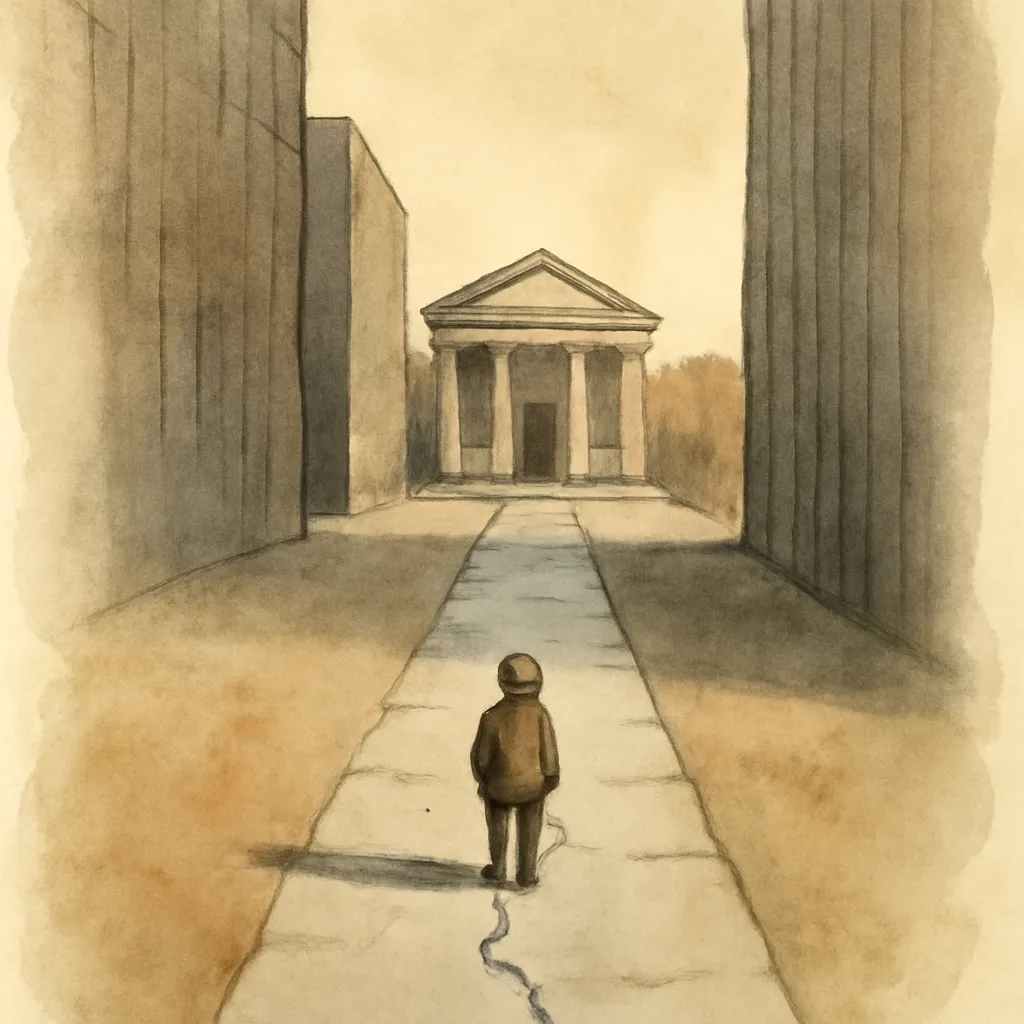
Belle’s work ensures her place in history, but the novel asks what kind of legacy is possible when one’s true self must remain hidden. The tension between public achievement and private truth is a central theme, prompting readers to consider the costs of ambition and the meaning of self-determination in a world that demands conformity.