1.Honest Self-Reflection
Grant’s memoirs are notable for their humility and candor. He openly discusses his failures and doubts, including his struggles before the Civil War and his early setbacks in battle. Rather than glorifying his own achievements, Grant strives for accuracy and fairness, showing a willingness to critique himself and others. This honesty sets his memoirs apart from the self-aggrandizing tone of many contemporary accounts and makes his narrative both credible and relatable.
2.The Realities of War
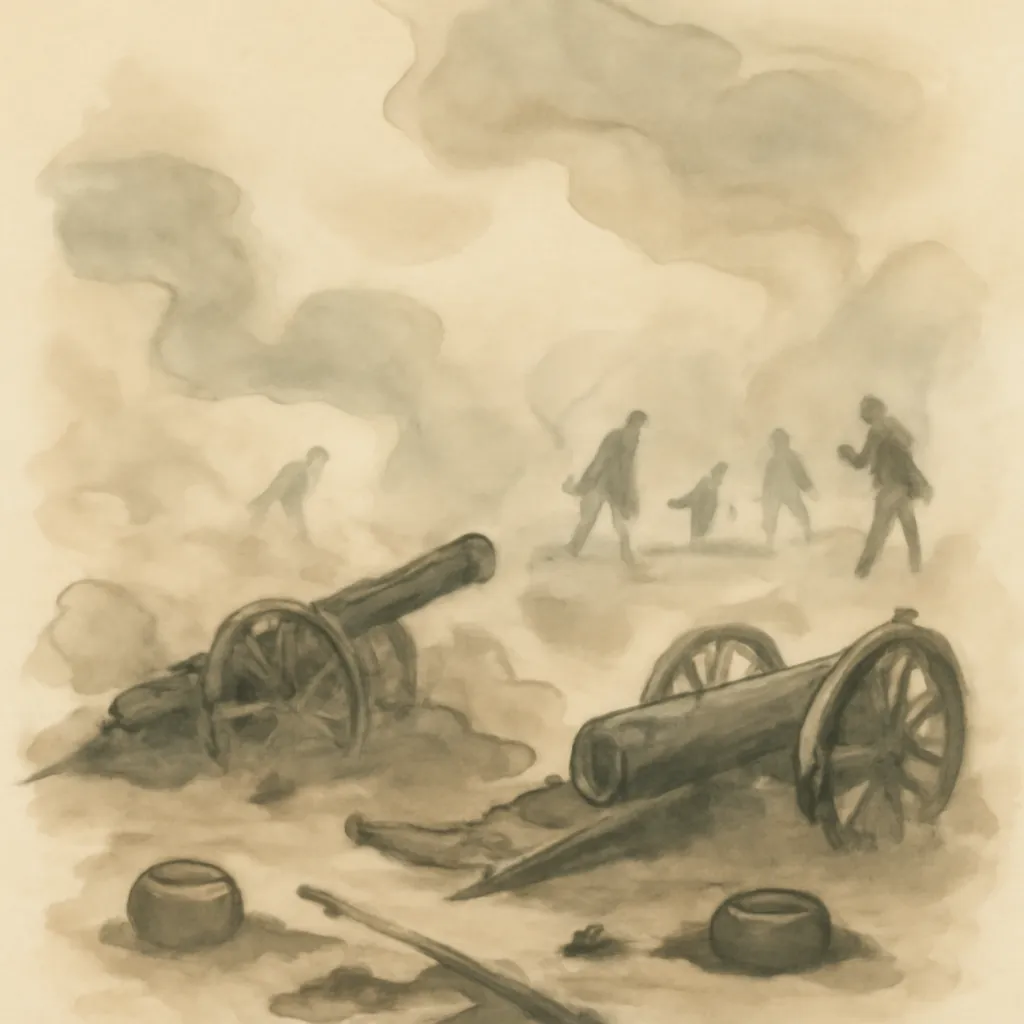
Grant provides an unromantic view of war, emphasizing its chaos, suffering, and unpredictability. He describes the logistical challenges, the confusion of battle, and the heavy toll on soldiers and civilians alike. By focusing on the practicalities and horrors rather than the glory of combat, Grant challenges readers to reconsider popular notions of heroism and victory.
3.Leadership Under Pressure
Throughout the memoirs, Grant’s leadership style emerges as pragmatic, calm, and decisive. He writes about the importance of clear communication, adaptability, and trust in subordinates. Grant’s ability to remain composed under extreme pressure, make difficult decisions with limited information, and learn from mistakes offers enduring lessons for leaders in any field.
4.Views on Slavery and Union
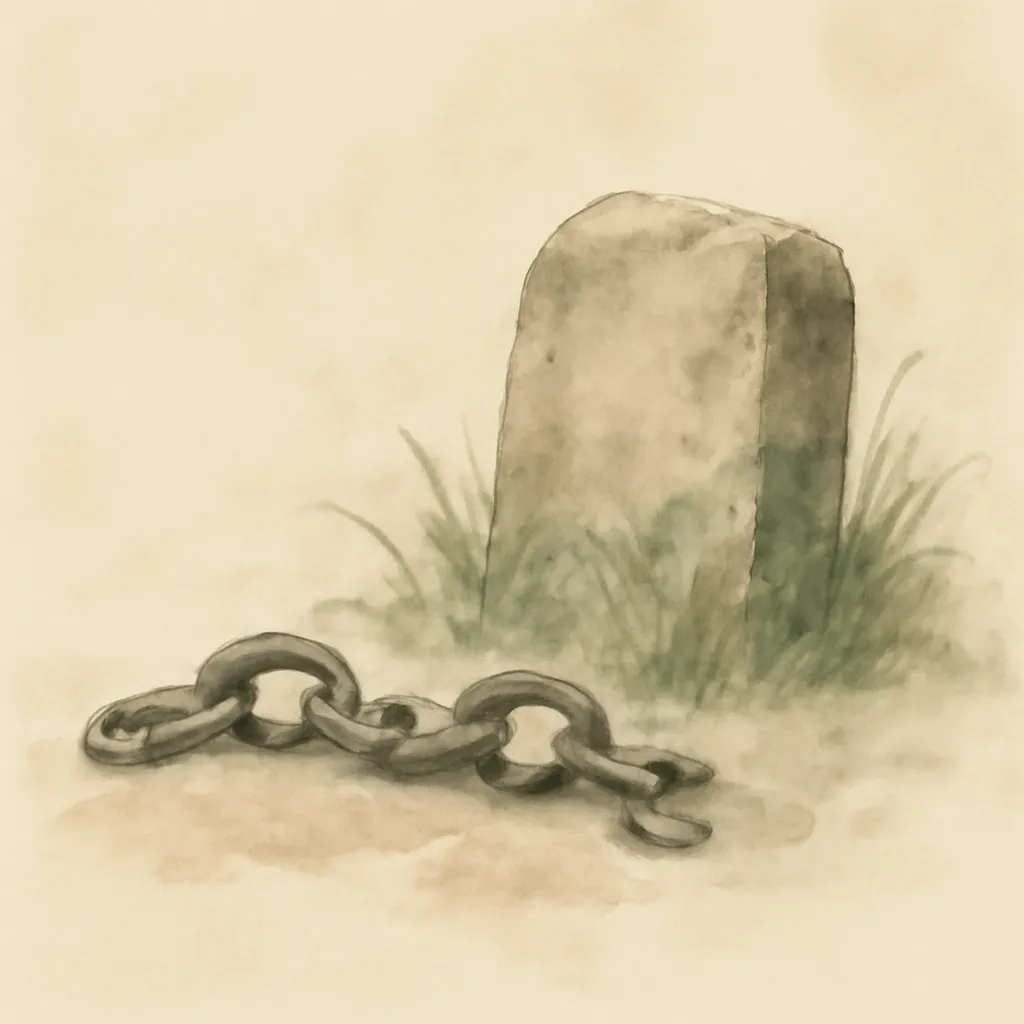
Grant’s reflections on slavery and the preservation of the Union are woven throughout the memoirs. He acknowledges the moral and political complexities of the conflict, ultimately framing the Union cause as a fight for national unity and human freedom. His evolving views on emancipation and his respect for African American soldiers illustrate the transformative impact of the war on his own beliefs.
5.The Value of Perseverance
Grant’s life story, as told in his memoirs, is a testament to perseverance in the face of adversity. He recounts his pre-war failures, including business setbacks and personal struggles, and how these experiences shaped his resilience. His rise from obscurity to commanding general and president underscores the importance of persistence, adaptability, and self-belief.
6.Clarity and Simplicity in Writing
Grant’s prose is direct, clear, and unadorned, reflecting his approach to both writing and leadership. He avoids flowery language and instead focuses on conveying events and motivations with precision. This style makes the memoirs accessible and engaging, and has been praised as a model of effective nonfiction writing.