1.The Weight of Experience
The characters of Simon Kenton and Daniel Boone embody the wisdom and caution that come from years of survival in the wilderness. Their dialogue reflects a deep understanding of their environment, as seen when Kenton expresses concern about trouble ahead. This insight is not born from paranoia but from a lifetime of navigating the dangers posed by both nature and Native American tribes. Their experiences shape their interactions, showcasing a bond built on mutual respect and a shared commitment to protect their community. The dynamic between Kenton and Boone highlights the importance of mentorship and shared knowledge, reinforcing that the experiences of the past inform the decisions of the present. Their seasoned perspectives provide a roadmap for younger settlers who have less familiarity with the land, teaching them to respect the warnings offered by their elders.
2.The Power of Observation
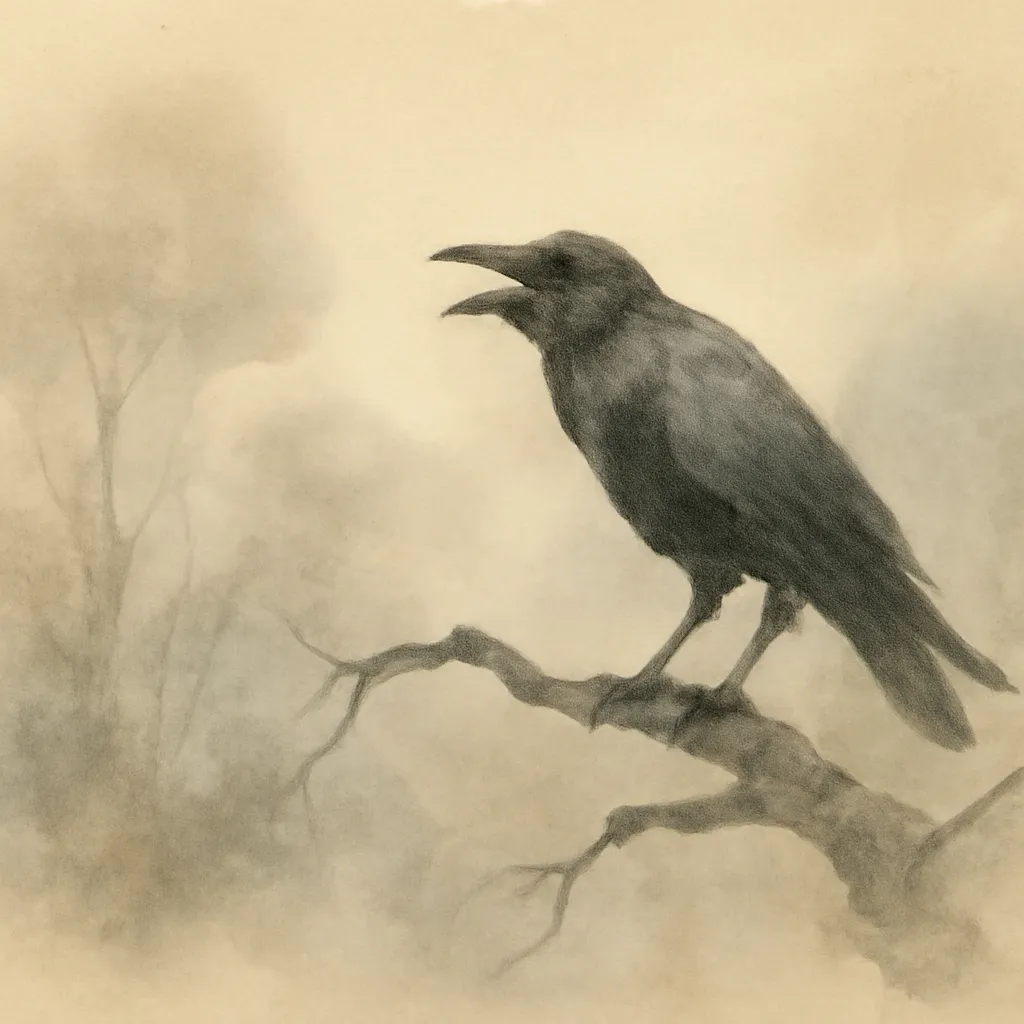
Kenton and Boone's acute senses are pivotal to their survival, as they interpret the faint cawing of a crow not merely as a bird call but as a signal from a potential enemy. Their ability to discern the nuances of their surroundings illustrates the importance of vigilance in the wilderness. This attentiveness is crucial when navigating through areas where danger lurks, as the pioneers must remain aware of both their environment and the movements of the Shawanoes. The text highlights how the forest, with its oppressive stillness, can conceal threats, making the act of listening a life-saving skill. This emphasis on observation serves as a reminder that in survival situations, the smallest details can have monumental implications. The characters’ keen sense of awareness showcases the skills necessary to thrive in such an unpredictable environment, emphasizing that survival is often dictated by the ability to read signs and make informed decisions based on those observations.
3.The Role of Communication
Communication among the characters is vital for coordinating their efforts and ensuring everyone’s safety. The interaction between Kenton and Boone showcases the need for clear dialogue in high-stakes situations. For instance, when Kenton discusses the possible ambush by the Shawanoes, his insights help the group strategize their next steps effectively. Furthermore, the arrival of Jethro Juggens introduces another layer of communication, where his news, albeit limited, is crucial for understanding the broader situation. The text illustrates how the sharing of information can empower a group, fostering collaboration and enhancing their chances of survival. This aspect highlights that effective communication is not only a matter of relaying facts but also involves understanding the emotional landscape of the group, motivating them to act cohesively amidst fear and uncertainty.
4.The Influence of Fear
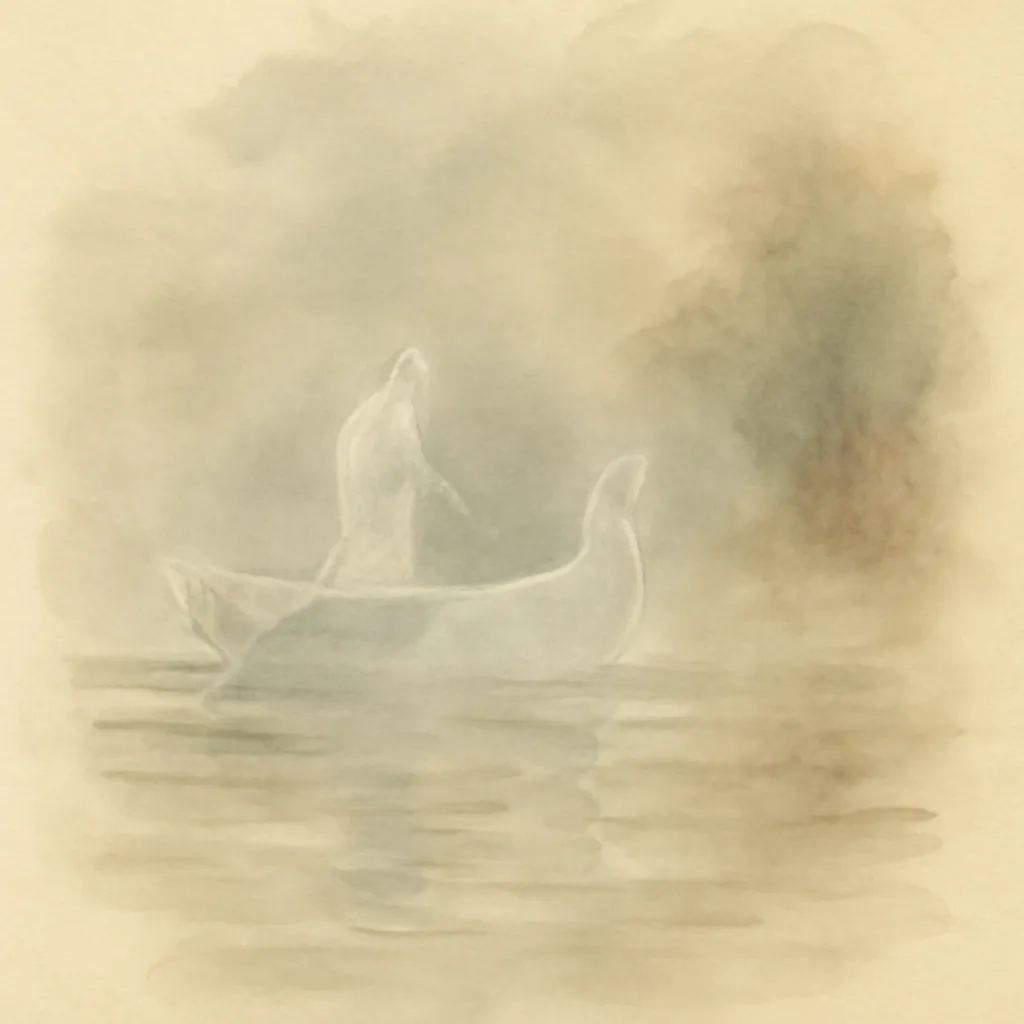
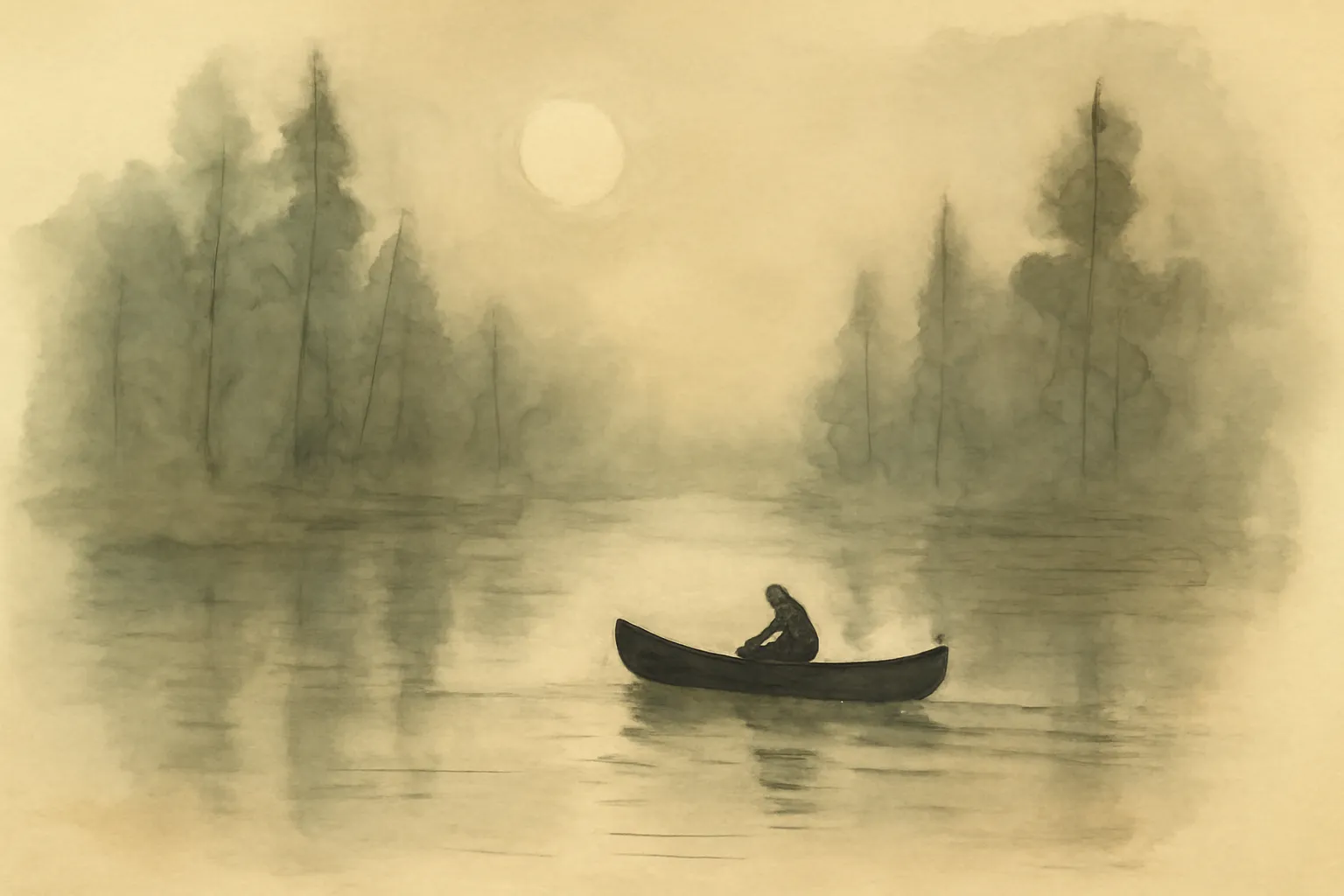
Fear is a recurring theme throughout The Phantom of the River, influencing both the characters and their decisions. Kenton's panic upon seeing what he believes to be a ghostly flatboat illustrates how fear can distort perception and judgment. His exclamation, 'Boys, we're lost! We're lost! There's a ghost coming up the river!' reveals the contagious nature of fear, as it spreads quickly among the group. This response highlights the psychological challenges faced by pioneers, where the fear of the unknown can lead to rash decisions. The characters must navigate not only the physical dangers of their environment but also the emotional turmoil that fear can incite within them. The narrative effectively conveys that while fear is a natural response to danger, it must be managed to avoid compromising safety and strategy. The exploration of fear also delves into its capacity to paralyze action, emphasizing that it can be both a protective instinct and a hindrance to survival.
5.The Nature of Courage
Courage is not the absence of fear but the determination to act despite it. Characters like Kenton exemplify this principle as they confront the dangers of the wilderness head-on. His willingness to engage with the Shawanoes, even when faced with overwhelming odds, showcases a profound sense of bravery rooted in duty. The narrative delves into the complexities of courage, suggesting that it often requires a balance between bold action and strategic retreat. This duality is illustrated when Kenton, faced with multiple threats, chooses to scout ahead rather than charge into danger blindly. His actions emphasize that true courage sometimes lies in the wisdom to know when to fight and when to hold back. The characters' journeys reveal that courage is often accompanied by sacrifice, as they must weigh their own safety against the well-being of their companions.
6.Survival Through Community
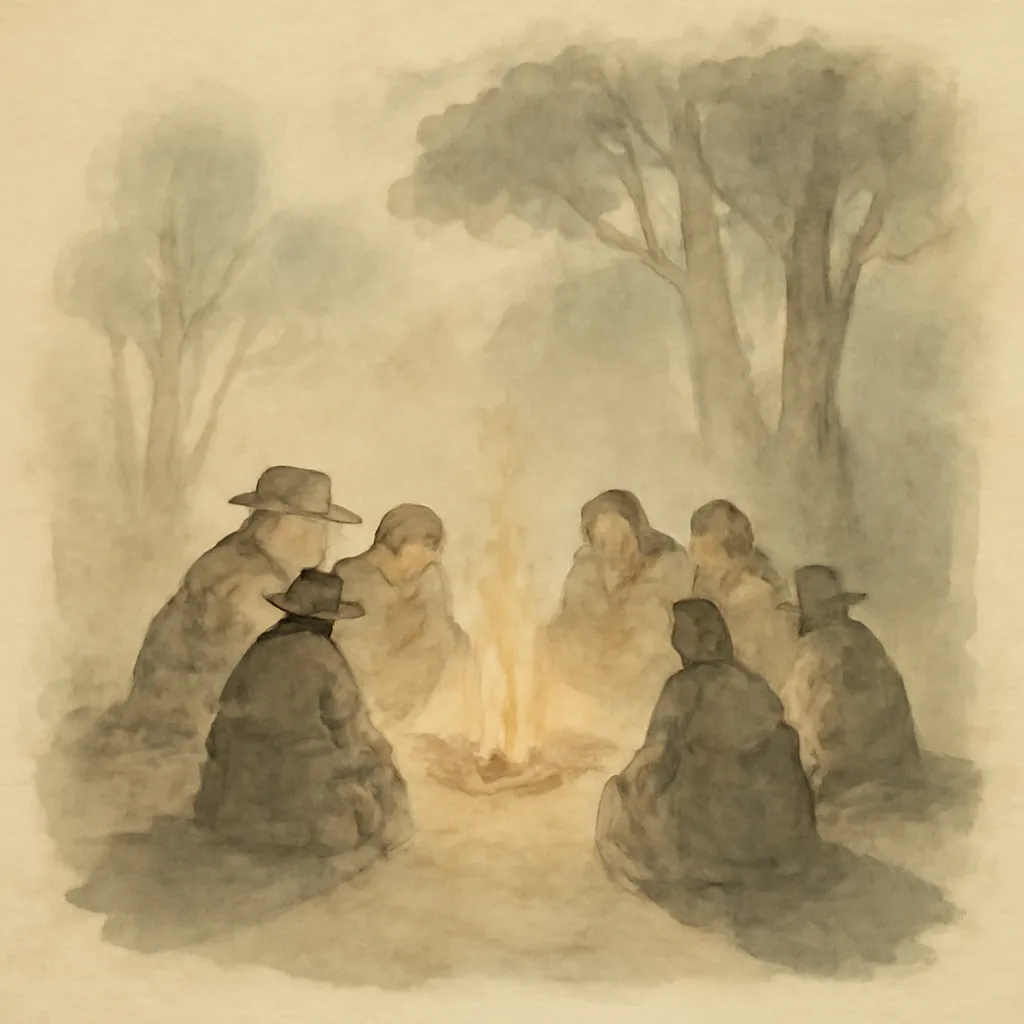
The bond among the settlers is a critical element of their survival. The text emphasizes the importance of working together, as seen when Kenton and Boone strategize with the group to navigate through Rattlesnake Gulch. Their collective effort to protect one another signifies that survival is not solely an individual endeavor but a communal one. The narrative illustrates how trust and collaboration among the pioneers create a support system that enhances their chances of overcoming adversity. This theme resonates deeply, suggesting that in times of crisis, the strength of community can be as vital as individual skill and bravery. The pioneers’ shared experiences foster a sense of solidarity that empowers them to face challenges, highlighting the notion that cooperation in the face of danger can lead to successful outcomes in dire situations.
7.The Consequences of Choices
The choices made by the characters have far-reaching consequences that ripple through the narrative. Kenton's decision to return to the clearing for the canoe, despite the risks, underscores the weight of responsibility he feels for the settlers' safety. This choice sets off a chain of events leading to both opportunities and dangers. The story serves as a reminder that every action, no matter how small, can significantly impact the course of events. The characters grapple with the idea that their decisions not only affect their fates but also the lives of those they seek to protect, highlighting the moral complexities of survival. The narrative emphasizes that choices are often fraught with uncertainty, and the pioneers must navigate their paths with caution and integrity.
8.The Symbolism of Nature
The wilderness itself serves as a character in the story, with its beauty and danger intertwined. The descriptions of the Kentucky forest evoke a sense of awe and trepidation, reflecting the duality of nature as both a source of sustenance and a potential threat. The environment acts as a backdrop for the pioneers' struggles, amplifying their challenges and triumphs. The natural world, with its dense undergrowth and hidden dangers, symbolizes the unpredictability of life on the frontier. This interplay between the characters and their surroundings emphasizes that nature is both a sanctuary and a battleground, shaping the experiences of those who dare to inhabit it. The text invites readers to reflect on their relationship with nature, presenting it as an entity that can both nurture and threaten life, thereby framing the characters' journeys within this broader context.
9.The Legacy of the Past
The history of conflict between settlers and Native Americans looms large over the narrative, influencing the characters' actions and fears. The presence of The Panther, a fierce Shawanoe leader, serves as a reminder of the ongoing struggle for territory and survival. This historical context enriches the story, providing depth to the characters' motivations and the stakes involved in their journey. The narrative suggests that the ghosts of the past continue to haunt the present, shaping the relationships and tensions between different groups. By weaving this legacy into the fabric of the story, the book highlights the complexities of history and its enduring impact on individuals and communities. This acknowledgment of history also underlines the necessity of understanding and addressing past grievances to pave the way for potential reconciliation.
10.The Importance of Resourcefulness
Resourcefulness emerges as a key trait for survival in the wilderness. Kenton's ability to adapt and strategize in the face of danger exemplifies this quality. When he devises a plan to retrieve the canoe despite the threat of Shawanoes, his ingenuity shines through. His actions highlight how quick thinking and creativity can provide solutions in dire situations. The narrative illustrates that survival often hinges on one's ability to think outside the box and make the most of available resources. Moreover, the characters’ reliance on their skills—whether in marksmanship, navigation, or teamwork—underscores the necessity of being resourceful in a hostile environment. This theme resonates with the idea that in the face of adversity, those who can innovate and adapt will find ways to persevere, reflecting the human spirit's tenacity.