1.The Weight of the Past
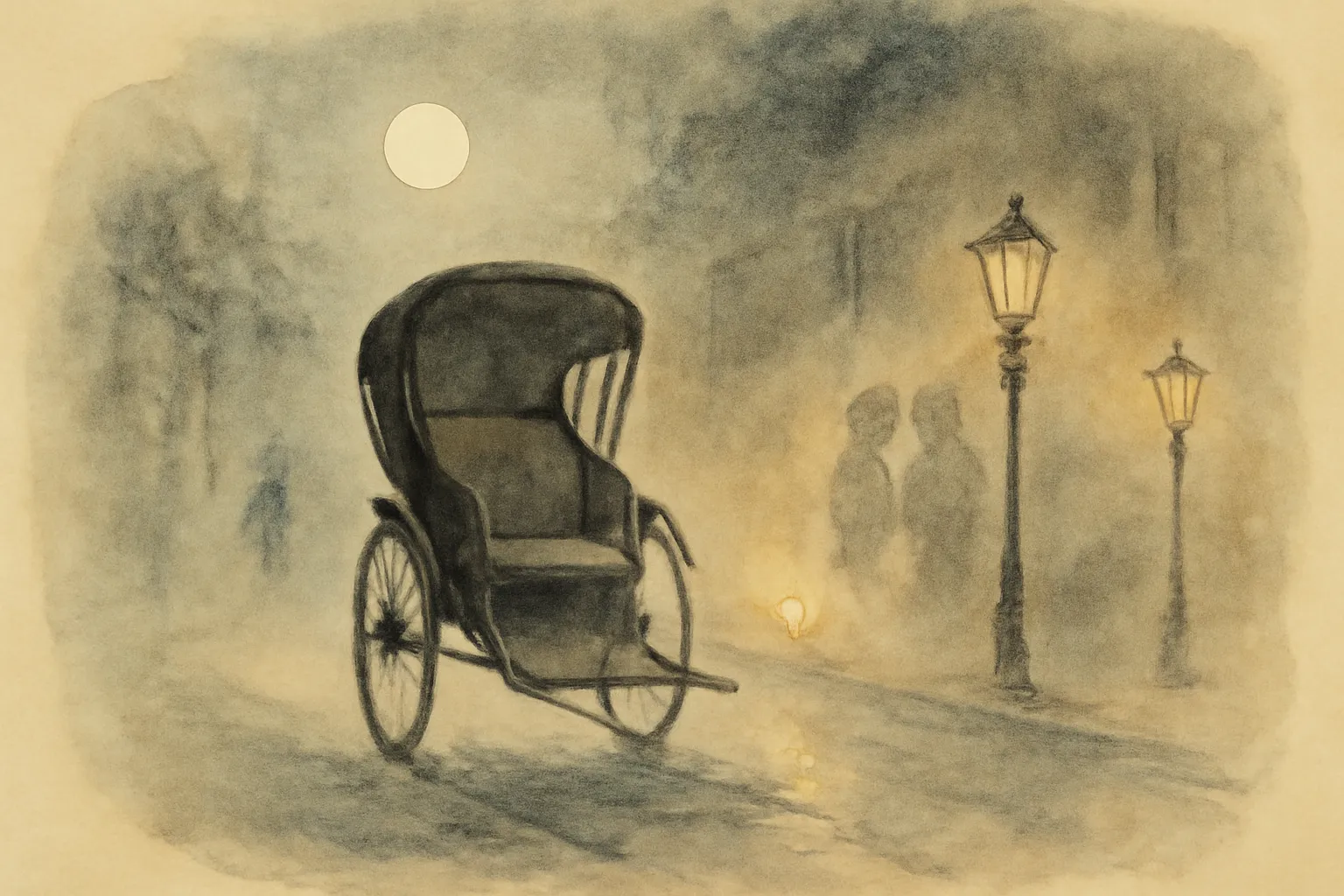
The haunting theme of unresolved pasts permeates 'The Phantom 'Rickshaw.' Jack Pansay, the protagonist, is beset by the memories of his deceased lover, Mrs. Wessington. Her ghost serves both as a reminder of lost love and as a manifestation of Jack's guilt and regret. Kipling deftly illustrates how the past can cling to individuals, influencing their present actions and emotional states. Jack's internal conflict is deeply tied to his inability to move on, showcasing the psychological burden that comes with unacknowledged feelings. The narrative underscores how the specter of the past can disrupt the fabric of daily life, with Jack's encounters with Mrs. Wessington's ghost forcing him to confront the choices and feelings he has long avoided. Kipling's portrayal of this emotional weight invites readers to reflect on their own experiences with loss, illustrating that the past, while unchangeable, can shape our identities and futures in profound ways.
2.The Nature of Fear

Kipling's exploration of fear extends beyond mere physical danger; it delves into deeper existential dread. The protagonist's chilling encounters with the supernatural evoke a unique form of fear—one that is rooted in the unknown and the unresolved. Jack experiences an almost paralyzing fear when he confronts the phantom 'rickshaw,' a fear that is intertwined with his personal history and emotional vulnerabilities. Kipling articulates this sentiment powerfully, describing a 'fine Fear—a great cowardice' that resonates on multiple levels. This fear is not just about encountering ghosts; it reflects the broader anxieties of colonial existence, where the unfamiliarity of India breeds both fascination and terror. Through Jack’s psychological unraveling, Kipling confronts the reader with their own fears, suggesting that true terror often lies in the depths of our psyche rather than in the external world. This nuanced understanding of fear deepens the narrative, transforming it into a complex exploration of what it means to confront both the external and internal specters.
3.Colonial Identity and Alienation

Set against the backdrop of British colonial India, Kipling’s stories examine the struggles of identity and belonging. Characters like Jack Pansay find themselves caught in a liminal space, where the comforts of English culture clash with the strangeness of their surroundings. This alienation is poignantly portrayed through Jack's interactions with fellow club members, who, while outwardly kind, are unable to fully comprehend his emotional turmoil. Jack feels like he is 'among but not of' his peers, illustrating a profound sense of isolation that many colonial officers faced. Kipling's portrayal of this alienation extends beyond personal experience; it reflects the broader disconnection experienced by individuals entrenched in the colonial enterprise. The ghosts that haunt Jack symbolize this estrangement, serving as reminders of the emotional costs of colonial life. In a world where cultural identities are in constant flux, Kipling masterfully captures the essence of belonging and the haunting nature of exclusion.
4.The Supernatural as a Reflection of Inner Turmoil
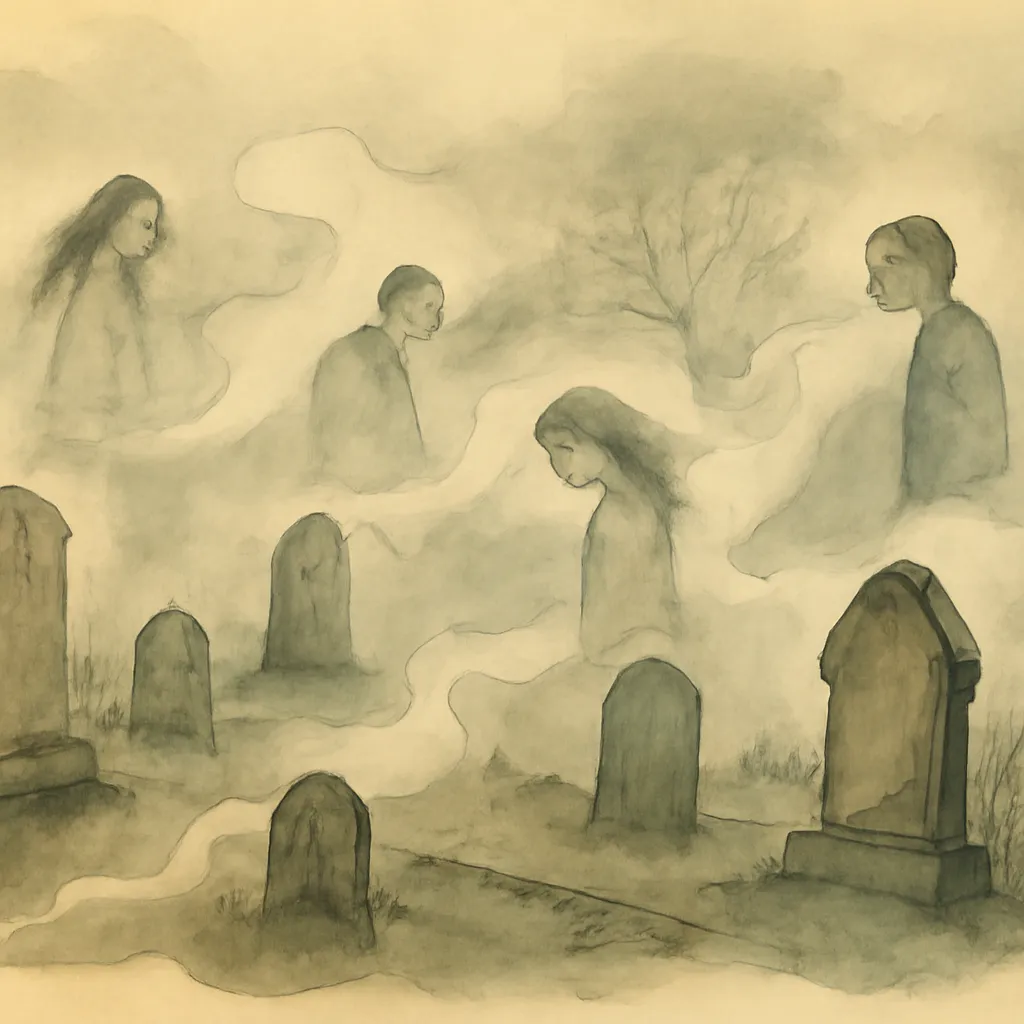
In Kipling's stories, the supernatural serves not merely as a plot device but as a profound reflection of the characters' internal struggles. The ghostly appearances are often intimately linked to the protagonists' emotional states, illustrating how personal crises can manifest as otherworldly encounters. For instance, Jack's haunting by Mrs. Wessington is not merely a spectral visitation but a confrontation with his unresolved guilt and longing. This interplay between the supernatural and psychological turmoil creates a rich narrative tapestry, where ghosts symbolize the emotional baggage the characters carry. Kipling’s adept blending of the real and the unreal underscores the profound psychological implications of grief, love, and regret. By presenting the supernatural as an extension of the characters' inner lives, Kipling invites readers to explore the complexity of human emotions and the ways in which they can transcend the boundaries of life and death.
5.The Role of Women in Colonial Society

Kipling’s representation of women within the colonial context reveals the complexities of gender roles and societal expectations. Female characters, such as Kitty and Mrs. Wessington, navigate a landscape rife with restrictions and expectations, often serving as reflections of the male protagonists' emotional states. Kitty embodies the youthful desire for freedom and adventure, yet her interactions with Jack reveal the limitations imposed upon her by societal norms. Similarly, Mrs. Wessington's ghost serves as a reminder of the consequences of unfulfilled love and the societal restrictions placed on women. Kipling critiques these norms by illustrating how women’s lives are often intertwined with the desires and failures of men. This exploration of gender dynamics lends depth to the narrative, revealing the struggles women face in asserting their identities within a patriarchal society. Through these characters, Kipling questions the societal constructs that define love, duty, and personal agency, ultimately presenting a nuanced view of women's roles in colonial India.
6.The Intersection of Reality and the Uncanny
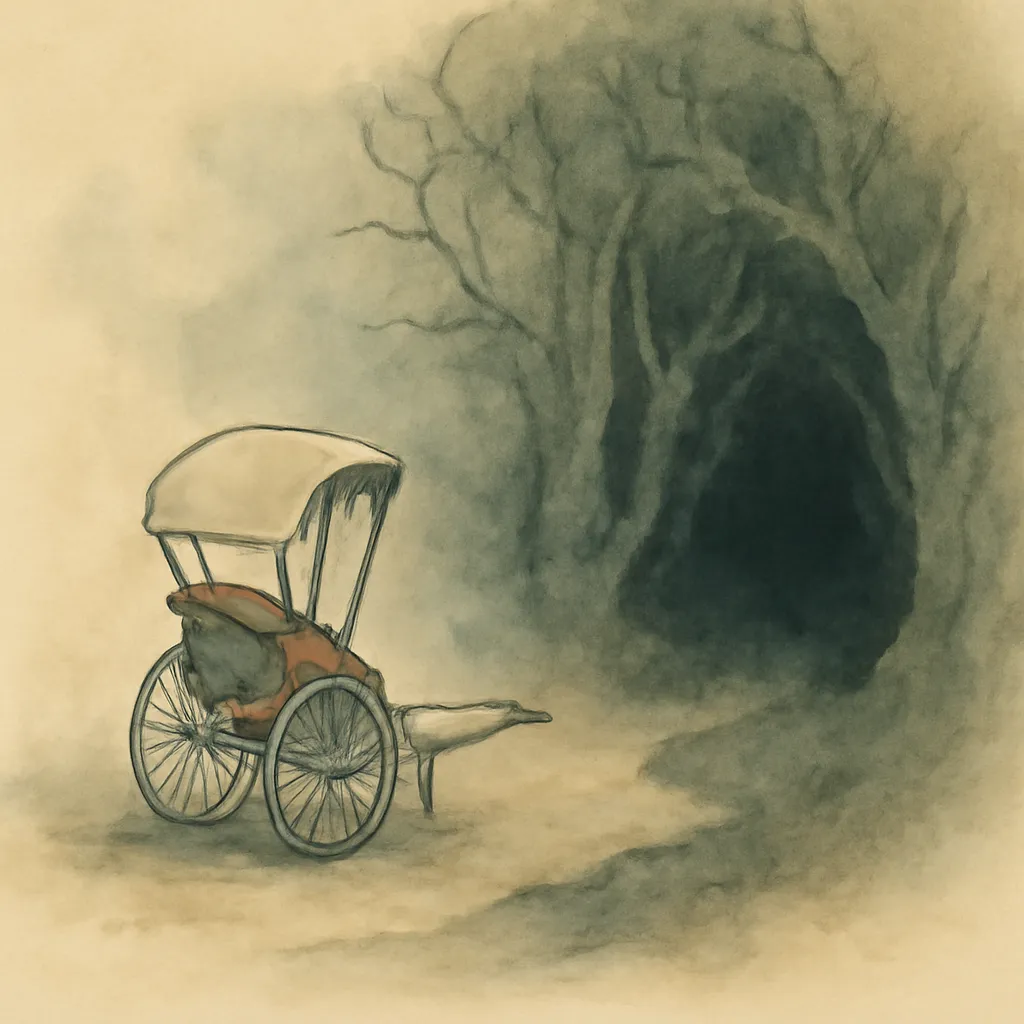
Kipling masterfully blurs the lines between the ordinary and the uncanny, creating a narrative landscape where the familiar becomes unsettling. The phantom 'rickshaw' symbolizes this intersection, serving as both a literal vehicle and a metaphor for Jack's emotional journey. As he encounters the ghost of Mrs. Wessington, the landscape of Simla transforms into a haunting reminder of his past, illustrating how memories and emotions can warp our perception of reality. This uncanny aspect of the narrative evokes a sense of disorientation, compelling readers to question the nature of their own realities. Kipling’s ability to evoke the uncanny emerges from his detailed imagery and psychological insights, transforming mundane settings into arenas of existential reflection. By intertwining the ordinary with the supernatural, Kipling enhances the emotional stakes of the narrative, making the encounters with the uncanny resonate deeply with readers. This exploration invites contemplation on how our own realities can be influenced by the specters of our past.
7.The Complexity of Male Friendship

Kipling delves into the intricate dynamics of male friendships, revealing the layers of loyalty, rivalry, and unspoken emotions that characterize them. Characters like Jack and Heatherlegh navigate a complex landscape of camaraderie that encompasses both support and judgment. Jack's relationship with Heatherlegh, for instance, showcases the tension between genuine concern and societal expectations. While Heatherlegh's kindness is evident, Jack's internal struggles often distance him from the very friendships that could offer solace. Kipling portrays these relationships as multifaceted, where affection can coexist with misunderstanding and the weight of unexpressed feelings. This nuanced depiction of male friendship reflects the societal norms that govern masculinity, emphasizing how vulnerability is often concealed behind a façade of strength. By exploring these dynamics, Kipling offers a rich commentary on the complexities of male relationships, highlighting the emotional nuances that lie beneath the surface.
8.The Symbolism of the 'Rickshaw'
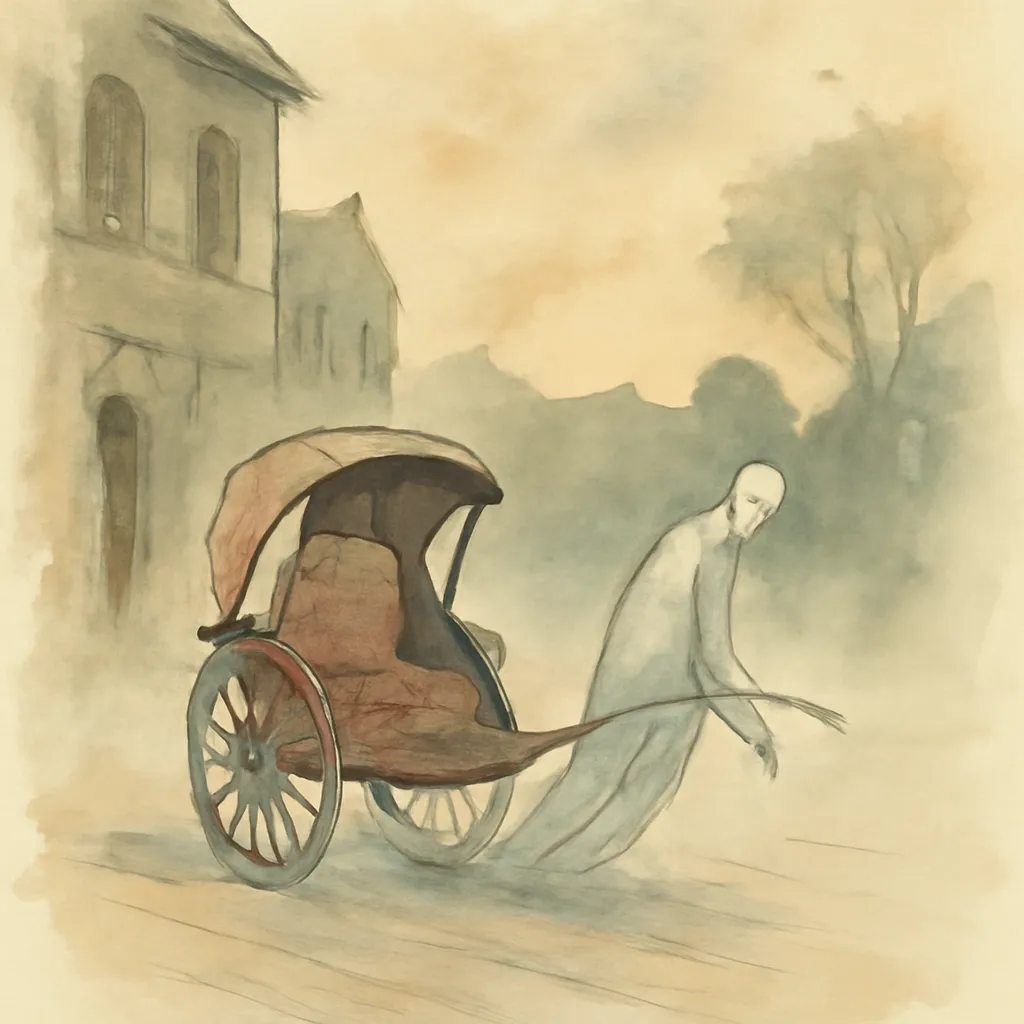
The phantom 'rickshaw' serves as a potent symbol throughout Kipling's stories, representing both transportation and the burdens of the past. For Jack, the 'rickshaw' is a vehicle for his unresolved emotions, carrying him back to memories of lost love and the choices he now regrets. Kipling imbues the 'rickshaw' with layers of meaning, transforming it from a mere mode of transport into a metaphor for emotional journeys. This symbolism invites readers to contemplate their own 'rickshaws'—the memories and experiences that shape their identities. As Jack grapples with the ghostly apparition, it becomes clear that the 'rickshaw' signifies the weight of his past decisions, carrying not just physical burdens but also the emotional weight of unfulfilled desires. By examining the significance of the 'rickshaw,' Kipling encourages a deeper understanding of how our past experiences influence our present trajectories, prompting readers to consider the ghosts they carry with them.
9.Cultural Clash and Superstition

Kipling's stories reveal the cultural clashes inherent in colonial India, particularly regarding beliefs and superstitions. The characters often grapple with the tension between rationality and the supernatural, reflecting the broader societal conflicts of the time. When confronted with ghostly occurrences, Anglo-Indian characters oscillate between skepticism and belief, revealing the complexities of their colonial experience. Kipling portrays these superstitions not as mere follies but as deeply ingrained aspects of the culture that shape the characters' behaviors and decisions. For instance, Jack’s discomfort with the supernatural reflects his struggle to reconcile his Western rationality with the mystical elements of Indian culture. This cultural clash not only enhances the narrative tension but also prompts readers to consider how cultural backgrounds shape perceptions of the supernatural. By highlighting these intersections, Kipling offers a nuanced exploration of belief, identity, and the enduring power of cultural traditions.
10.The Emotional Landscape of Grief

Grief is a pervasive theme in Kipling's ghost stories, manifesting in various forms and intricately affecting the characters' actions and decisions. Jack's profound sorrow over Mrs. Wessington's death serves as the narrative's emotional core, illustrating how grief can distort reality and cloud judgment. Kipling captures the rawness of grief, portraying it as a powerful, transformative force that can lead to haunting encounters. The emotional landscape of grief is further complicated by societal expectations, as characters grapple with the need to mourn while adhering to the rigid conventions of colonial life. Jack's encounters with the ghost of Mrs. Wessington force him to confront the depth of his loss and the unresolved feelings that threaten to consume him. By exploring grief's multifaceted nature, Kipling invites readers to reflect on their own experiences with loss and the ways it shapes their identities. This exploration of grief underscores its universal relevance, illuminating the enduring impact of love and loss on the human experience.