1.Philosophy as a Living Conversation
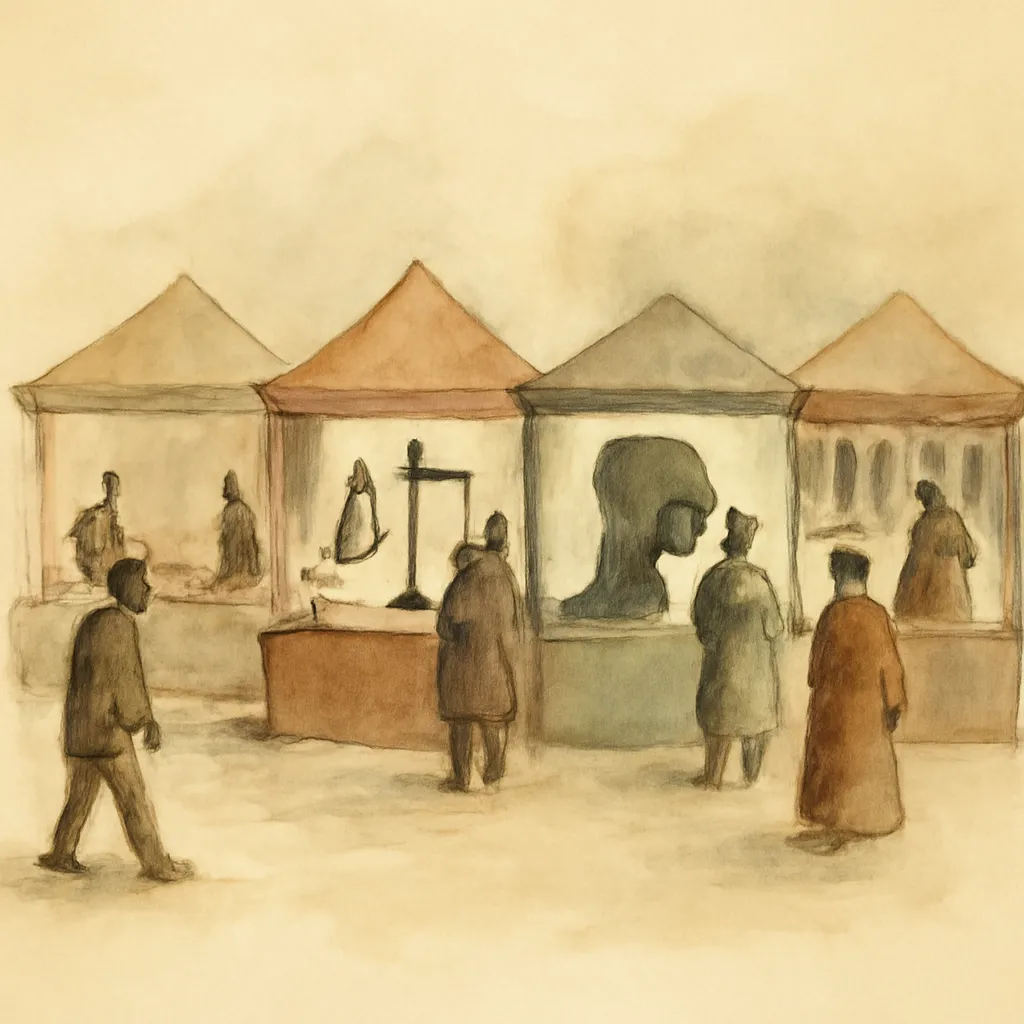
The book frames philosophy not as a static set of doctrines, but as an ongoing dialogue across centuries and cultures. By presenting thinkers from ancient Greece and China to modern Europe and America, it shows how each philosopher responded to their predecessors and shaped the questions that followed. This approach encourages readers to see philosophy as a dynamic, evolving discipline that remains relevant today.
2.Big Questions, Clear Answers
Central to the book is its focus on the 'big questions'—What is reality? How should we live? What can we know?—and the diverse ways philosophers have approached them. Each entry distills complex arguments into accessible summaries, using timelines, diagrams, and key quotes to clarify the core of each idea. This makes daunting subjects like metaphysics, ethics, and epistemology approachable for newcomers.
3.Bridging Philosophy and Everyday Life
The Philosophy Book emphasizes how philosophical ideas underpin everyday experiences and modern debates. It draws connections between abstract theories and issues like justice, language, science, and personal identity. By doing so, it demonstrates that philosophy is not just academic, but a practical tool for understanding ourselves and the world around us.
4.Global and Diverse Perspectives
Unlike many introductions that focus solely on Western philosophy, this book makes a deliberate effort to include thinkers from a variety of cultures, such as Confucius and Avicenna alongside Plato and Kant. This broadens the reader’s understanding of philosophy as a global enterprise, highlighting both common themes and unique contributions from different traditions.
5.Visual Learning and Accessibility
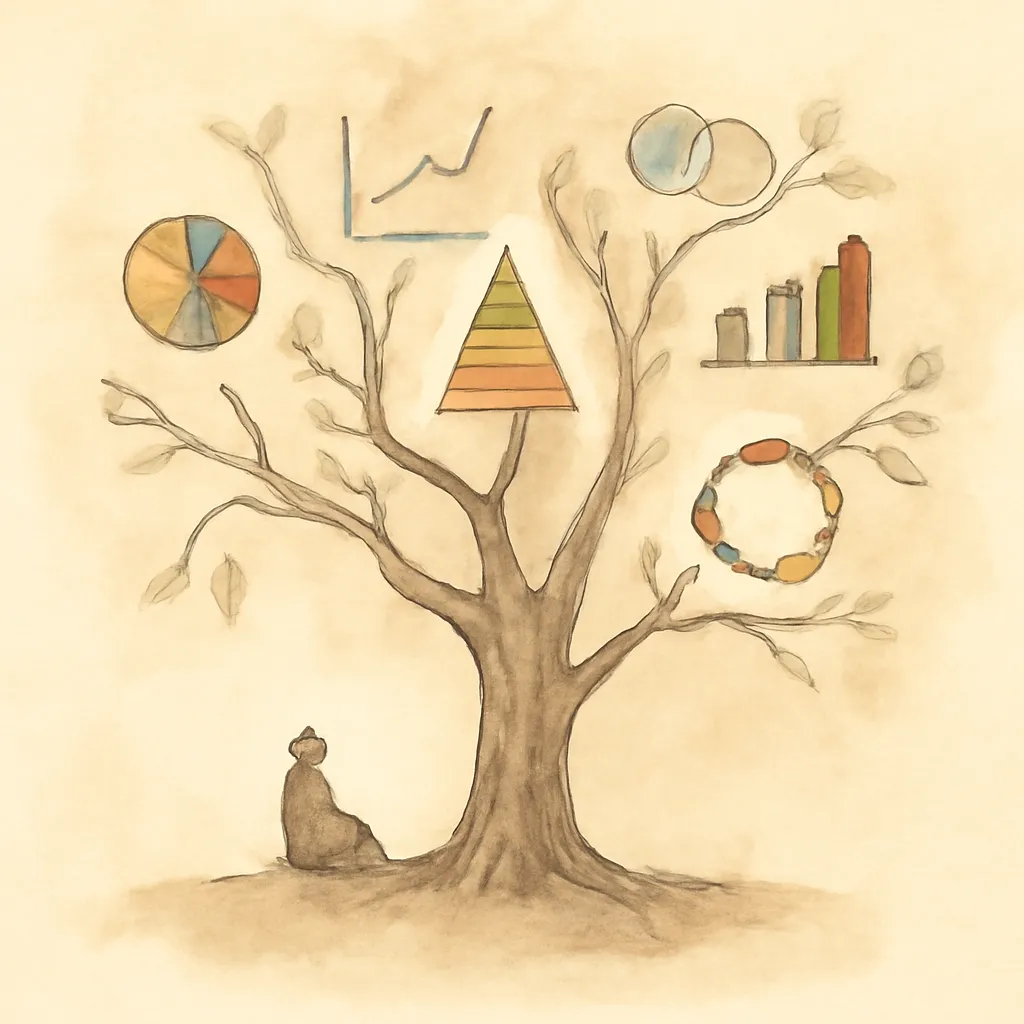
A hallmark of the DK approach is its use of infographics, timelines, and illustrations to break down complex ideas. The Philosophy Book leverages these tools to make challenging concepts more memorable and less intimidating, catering to visual learners and making the subject matter inviting rather than forbidding.
6.The Interplay of Philosophy, Science, and Language
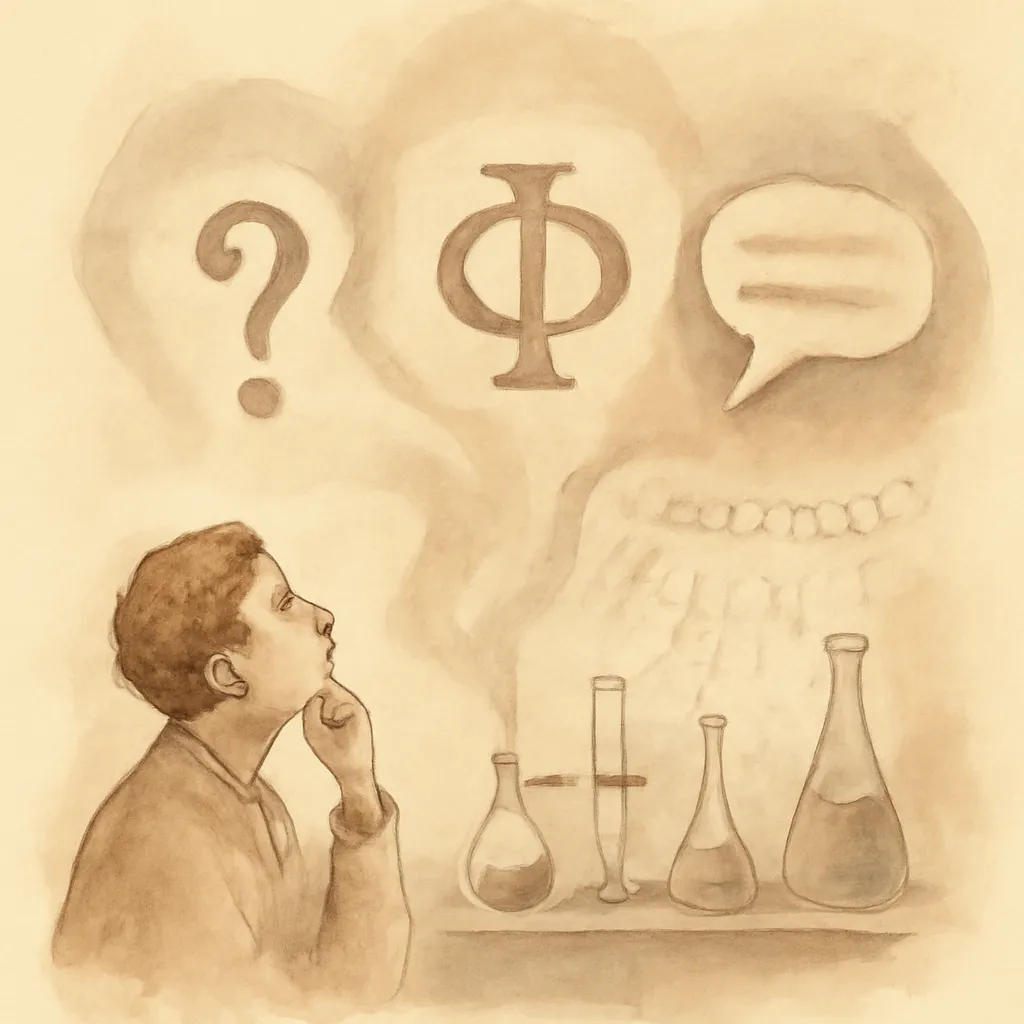
The book explores how philosophical inquiry has influenced—and been influenced by—developments in science, mathematics, and linguistics. It highlights figures like Descartes, Russell, and Chomsky, showing how philosophical questions about reality, logic, and meaning have led to breakthroughs beyond philosophy itself.