1.Thought Experiments as Mental Workouts
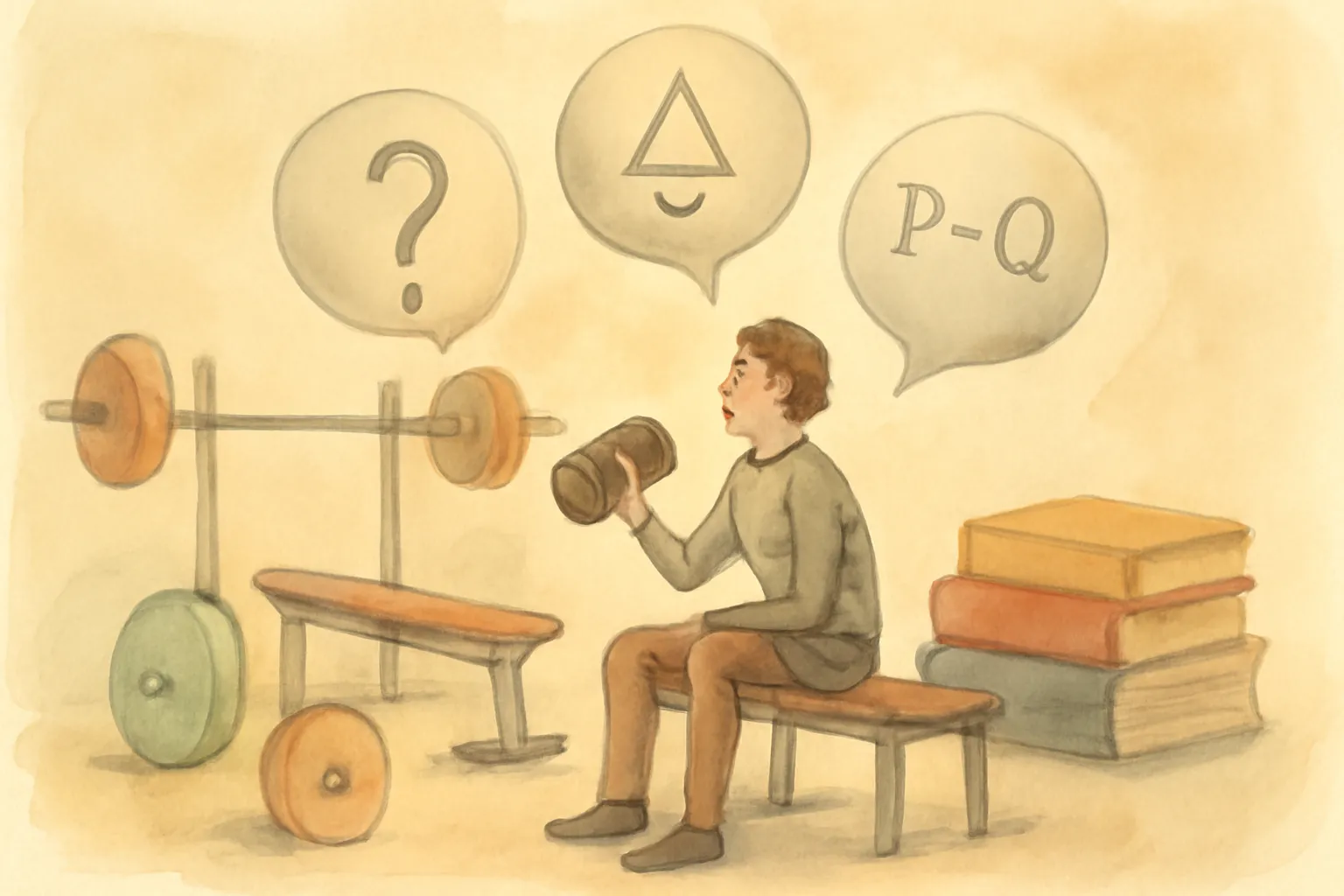
Law structures the book around 25 short chapters, each presenting a philosophical puzzle or scenario. These thought experiments—ranging from the existence of God to the ethics of cloning—invite readers to actively engage, test their intuitions, and wrestle with competing arguments. This method demystifies philosophy, showing it as an activity anyone can practice, not just an academic subject.
2.Everyday Relevance of Philosophy
Rather than abstract theorizing, Law grounds his discussions in issues that touch everyday life: morality, personal identity, free will, and the nature of reality. By connecting philosophical questions to familiar contexts, he demonstrates how philosophical thinking sharpens our reasoning and informs practical decisions, making the subject relevant beyond the classroom.
3.Challenging Intuitions and Prejudices
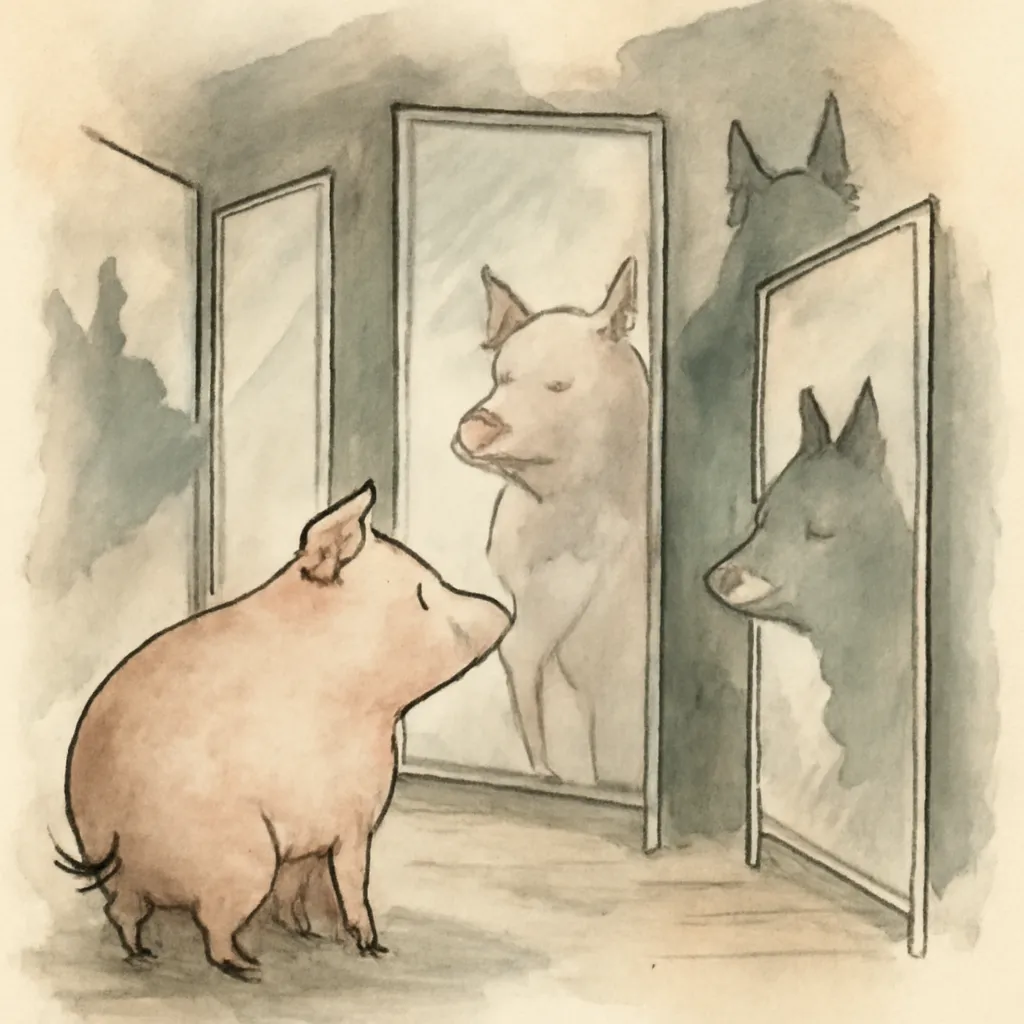
A core theme is the importance of questioning our gut reactions. Law encourages readers to examine why they believe what they do, exposing hidden assumptions and biases. Through playful scenarios—like the 'Mad Scientist' or 'The Pig That Wants to Be Eaten'—he shows how our intuitions can mislead us and why critical self-examination is essential.
4.The Limits of Certainty
Law repeatedly highlights the difficulty of achieving certainty in philosophy. Whether debating the existence of God or the reality of free will, he illustrates how arguments often lead to more questions than answers. This isn’t a flaw, but a feature: philosophy’s value lies in its ability to deepen our understanding, not necessarily to deliver final truths.
5.Accessible, Dialogic Style
Eschewing jargon and heavy-handed analysis, Law adopts a conversational tone, often presenting debates as dialogues or short stories. This style lowers the barrier to entry for newcomers and models how philosophical inquiry can be both rigorous and enjoyable. The book’s structure invites readers to pause, reflect, and even disagree, fostering an active, participatory experience.
6.Ethics, Identity, and the Self
Many chapters grapple with questions about what makes us who we are, what we owe to others, and how we should live. Law explores classic problems—like the Ship of Theseus or the Trolley Problem—not to provide definitive answers, but to illuminate the complexities and stakes of ethical and metaphysical debates.