1.The Northwest Ordinance: Blueprint for a New Society
A central theme of The Pioneers is the Northwest Ordinance of 1787, which established the rules for settling the vast territory north of the Ohio River. McCullough highlights how this document was revolutionary for its time, mandating religious freedom, universal public education, and—most radically—the prohibition of slavery in the new territories. These principles set the region apart from other parts of the young nation and foreshadowed the ideological battles that would later define American history. The book argues that these ideals were not abstract but were implemented by real people, shaping the character of the Midwest for generations.
2.Ordinary People, Extraordinary Impact
Rather than focusing on famous national leaders, McCullough tells the story through the eyes of lesser-known but pivotal figures like Manasseh Cutler, Rufus Putnam, and Ephraim Cutler. Their vision, determination, and moral convictions were crucial in translating the lofty promises of the Northwest Ordinance into reality. The narrative demonstrates how the actions of individuals—ministers, soldiers, carpenters, and doctors—can have lasting consequences, underscoring the idea that history is often made by those outside the spotlight.
3.The Frontier as a Test of Ideals
The settlement of the Northwest Territory was not just a physical challenge but a test of American values. The pioneers faced daunting obstacles—harsh wilderness, disease, economic uncertainty, and conflict with Native Americans—yet they persisted in building communities grounded in law, education, and equality. McCullough explores how these ideals were put to the test in the daily lives of settlers, sometimes succeeding, sometimes falling short, but always shaping the emerging American identity.
4.Conflict and Coexistence with Native Peoples
While celebrating the achievements of the pioneers, McCullough does not ignore the fraught and often violent interactions with the region's indigenous peoples. The book acknowledges the displacement and suffering of Native Americans as a tragic aspect of westward expansion. This tension adds complexity to the narrative, reminding readers that the story of American growth is also a story of loss and contested ground.
5.Building Community: Faith, Family, and Education
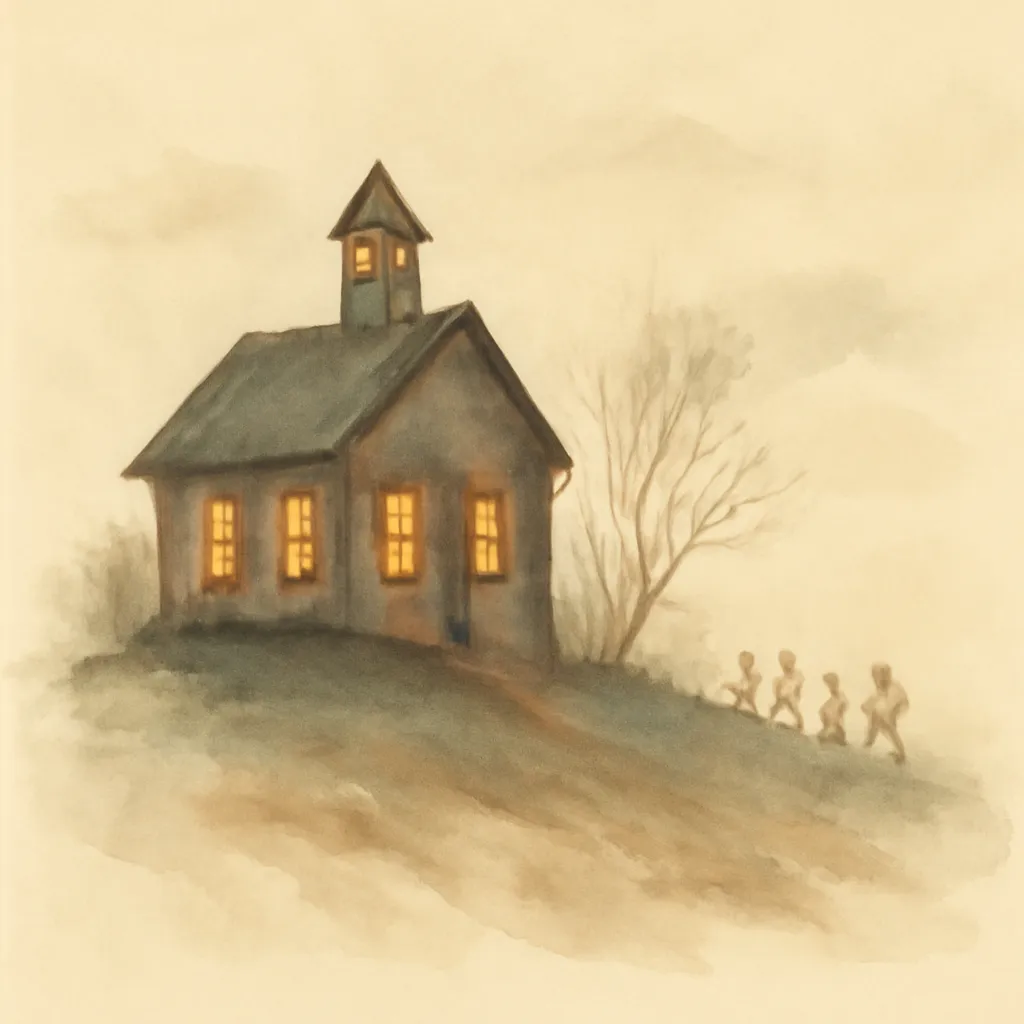
The settlers’ efforts to establish schools, churches, and civic institutions are a recurring motif in The Pioneers. McCullough illustrates how these pillars were vital to the survival and cohesion of frontier communities. The emphasis on education and faith was not just practical but ideological, reflecting a belief that the new society should be both enlightened and moral. These foundations would have a profound influence on the character of the Midwest and the nation as a whole.
6.Legacy and Relevance Today
McCullough draws clear lines from the experiences of these first settlers to contemporary America. The struggles over freedom, inclusion, and the meaning of progress echo in modern debates. The book invites readers to reflect on the enduring impact of foundational decisions and the ongoing challenge of living up to the nation’s ideals.