1.Courtlandt's Inner Conflict
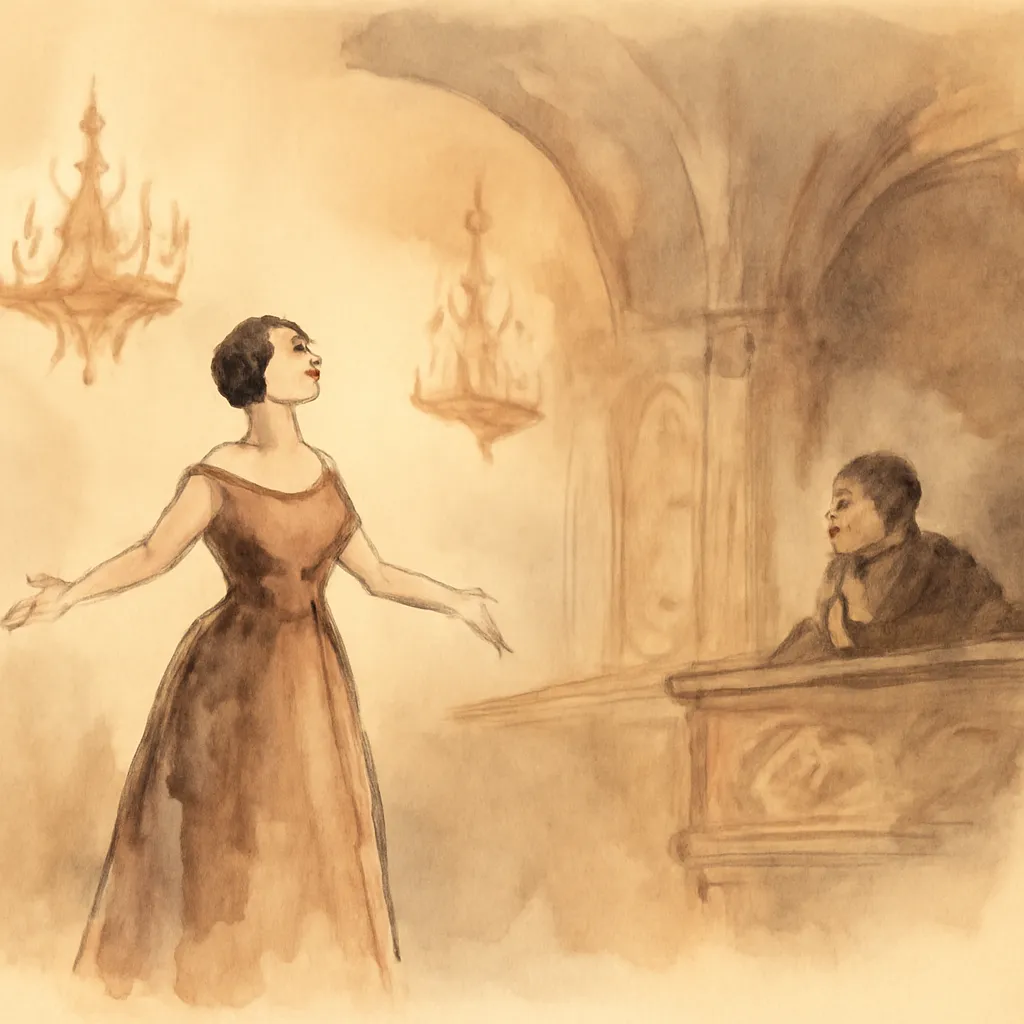
The protagonist, Dick Courtlandt, embodies the struggle between ambition and emotional turmoil. From the outset, he is introduced at an opera where the voice of the prima donna resonates deeply within him, stirring memories and feelings that he has long suppressed. This moment is significant; it highlights his internal conflict—his yearning for connection clashing with a desire for solitude. Courtlandt's tension is not just physical; his shoulders are rigid, and his brow furrows as he listens, indicating that he is at odds with himself. The opera serves as a catalyst for self-reflection, prompting him to confront the fragmented state of his life filled with failed plans and unrealized dreams. He seeks solace in his isolation but finds that the echoes of the music pull him back into the chaos of human emotion, revealing his fear of vulnerability and the weight of unfulfilled potential.
2.The Mysterious Woman
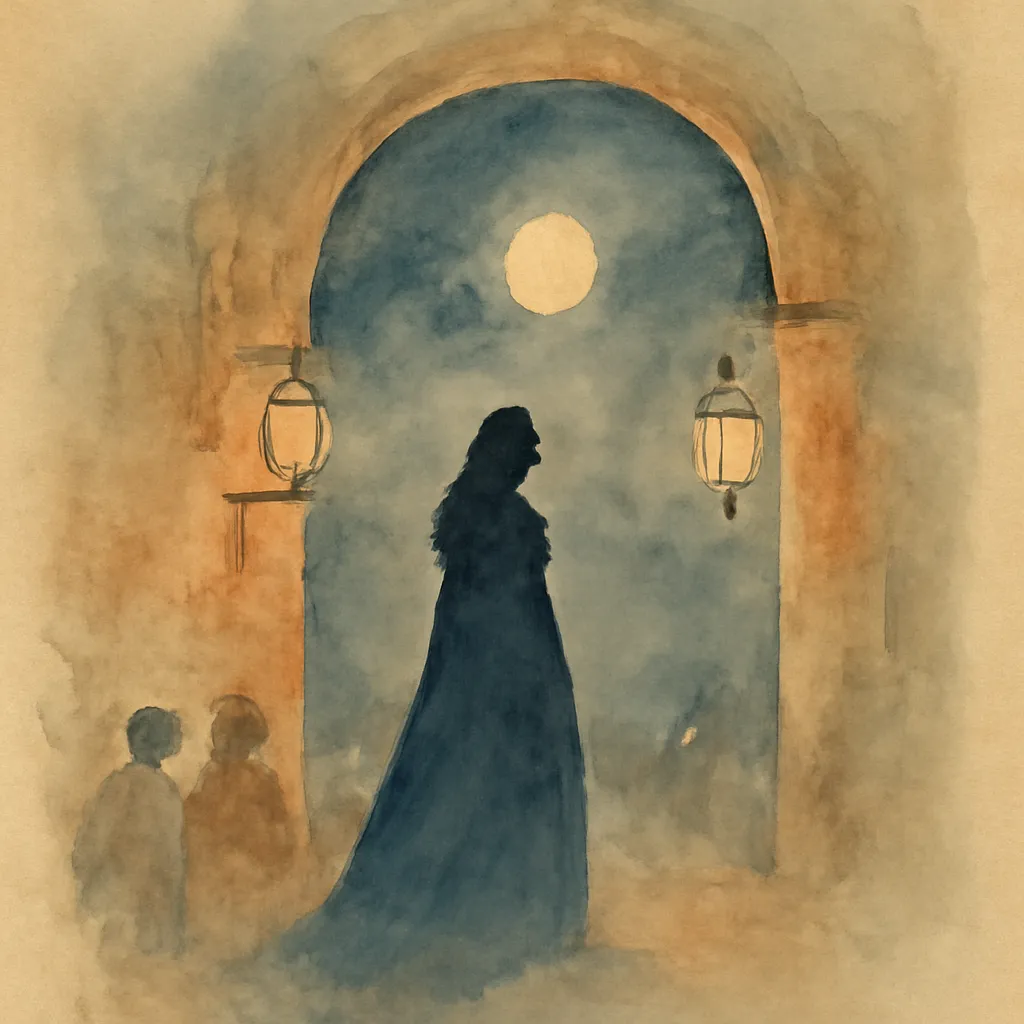
The introduction of a mysterious woman at the opera piques Courtlandt's interest, igniting a complex interplay of loneliness and curiosity. Unlike the other women around him, who are adorned with superficial beauty, this woman possesses an air of authenticity that intrigues him. Their conversation quickly unfolds into a philosophical discourse on loneliness, wherein she enigmatically asserts that loneliness stems from a longing for love and remorse over past mistakes. This exchange challenges Courtlandt to confront his own feelings of isolation and prompts him to question his perceptions of loneliness. Her insights reveal a depth of character that compels him to look beyond the surface, urging him to explore the emotional undercurrents that drive human relationships. The woman's ability to see through Courtlandt’s façade sets the stage for a deeper exploration of their relationship, highlighting how genuine connections can emerge from shared understanding and mutual vulnerability.
3.Flora Desimone's Ruthlessness
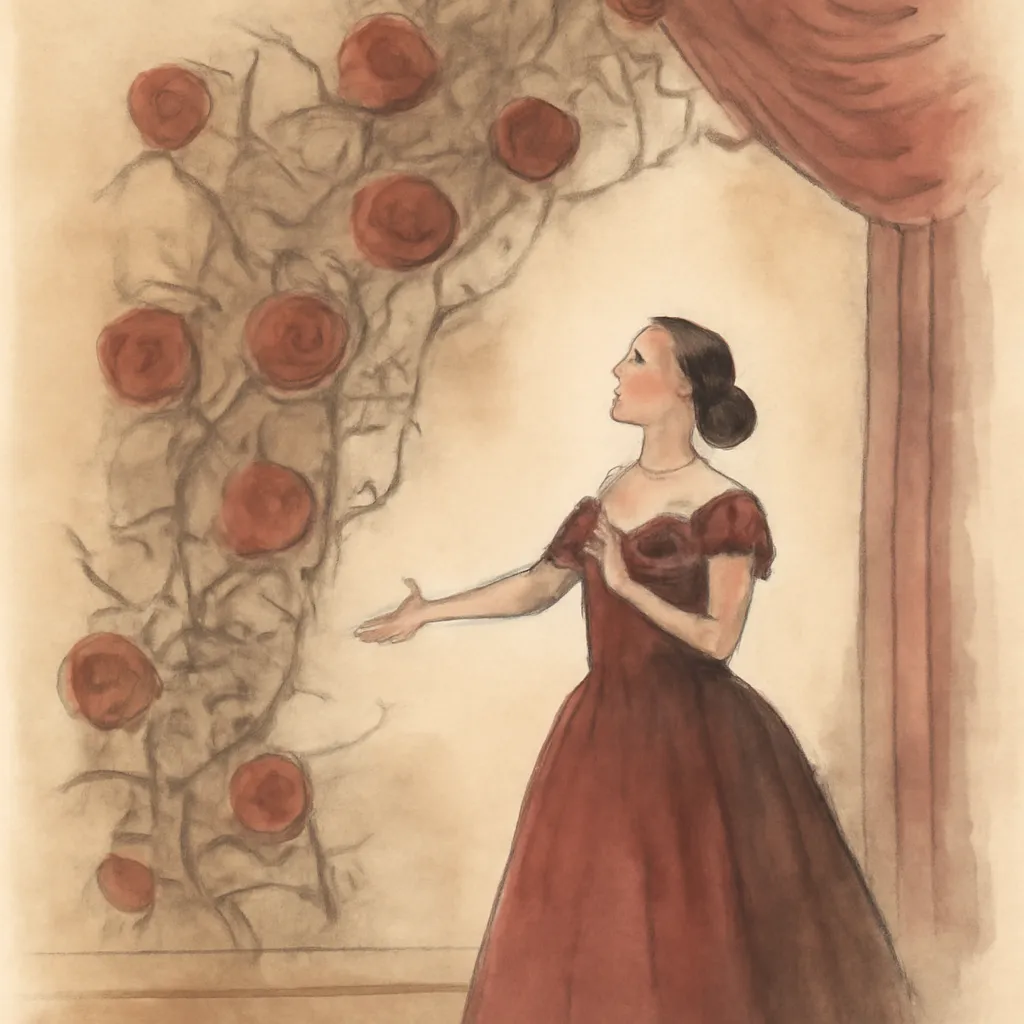
Flora Desimone, a talented opera singer with a tumultuous past, represents the duality of beauty and cruelty. Born in a Calabrian peasant's hut, her rise to fame is marked by a relentless pursuit of success, underpinned by a ruthless mentality that sees love as a commodity. Flora's character is deeply complex; she uses her beauty and talent to manipulate the affections of wealthy patrons, showcasing a calculated approach to relationships that prioritizes her ambitions over emotional connections. Her past experiences of hardship and neglect have left her with a callous disposition toward love, as she navigates a world that demands both her talent and allure. This portrayal compels readers to question the societal expectations that shape women's roles, illustrating how ambition can lead to a rejection of genuine emotional intimacy. Flora's relationships with men serve as a microcosm of broader themes, raising questions about the sacrifices made in the pursuit of artistic and personal ambition.
4.Courtlandt's Disillusionment
Courtlandt’s perception of Flora shifts dramatically when he learns of her connections to nobility, particularly her ties to a grand duke. This revelation is a turning point, instilling a sense of disillusionment as he grapples with the reality that Flora may have married the duke out of convenience rather than love. The juxtaposition of her beauty and ambition with his own feelings of inadequacy creates a poignant tension. Courtlandt's internal struggle manifests as a painful conflict; he finds himself simultaneously attracted to Flora and repulsed by her manipulative nature. This complexity is further deepened by his own vanity and need for validation, prompting reflections on the nature of desire and the superficiality of social status. As he confronts his emotions, the narrative critiques the ways in which societal pressures can distort personal relationships, ultimately leading to a painful awakening about the true nature of love and ambition.
5.Abbott's Artistic Journey
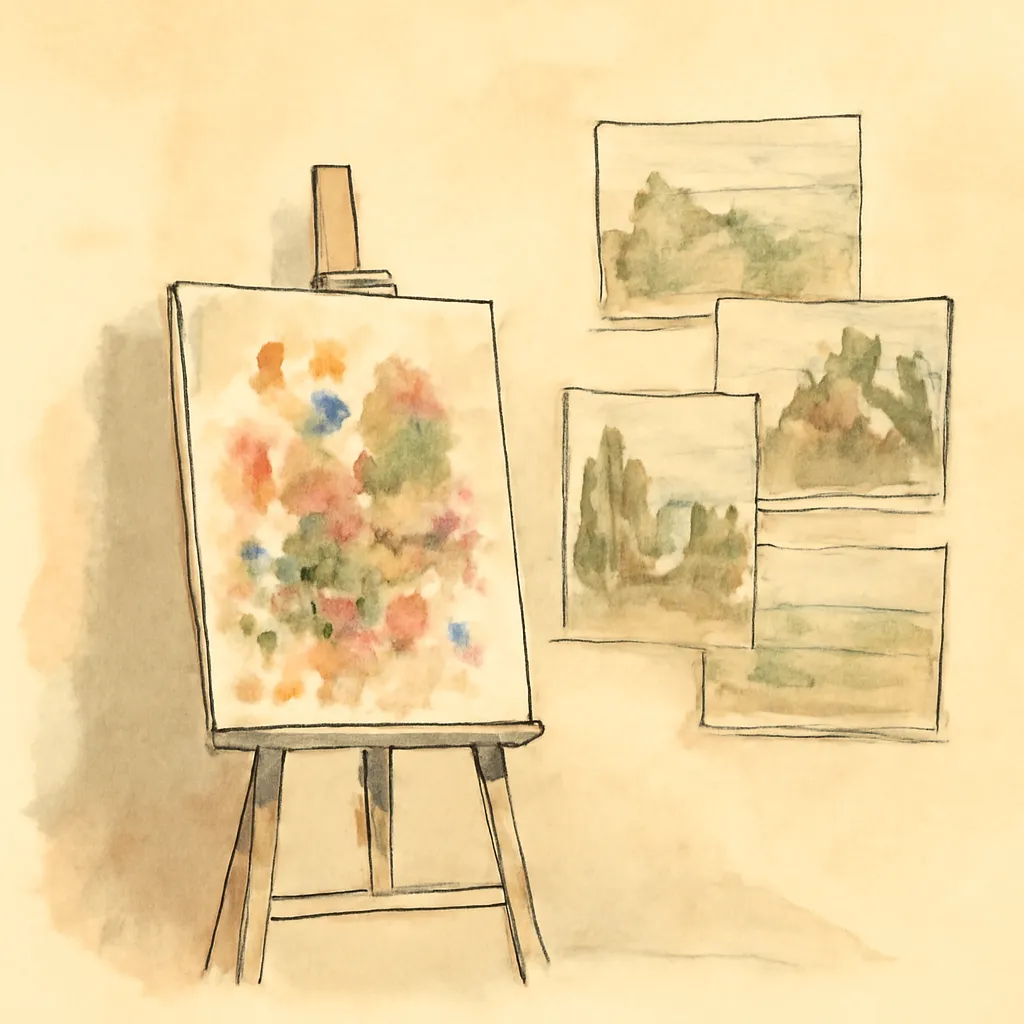
Donald Abbott, a successful painter, embodies the theme of artistic integrity and the longing for authenticity. His watercolors capture the beauty of Italy, yet they also reflect his inner turmoil and the duality of his existence as an artist. Abbott's character contrasts sharply with that of Courtlandt, as he finds solace and fulfillment in his craft, using his art as an outlet for expression. However, his growing affection for Nora Harrigan complicates his artistic journey, forcing him to navigate feelings of inadequacy and competition. Abbott’s struggle is emblematic of the tension between passion and personal relationships; he must reconcile his love for Nora with the demands of his art. This dynamic underscores the broader theme of the artist's life, wherein the pursuit of beauty often collides with the complexities of human emotion. Abbott's character serves as a lens through which the novel examines the notion of success and the sacrifices that come with artistic ambition, ultimately questioning what it means to remain true to oneself in a world filled with distractions.
6.Rosal's Captivity
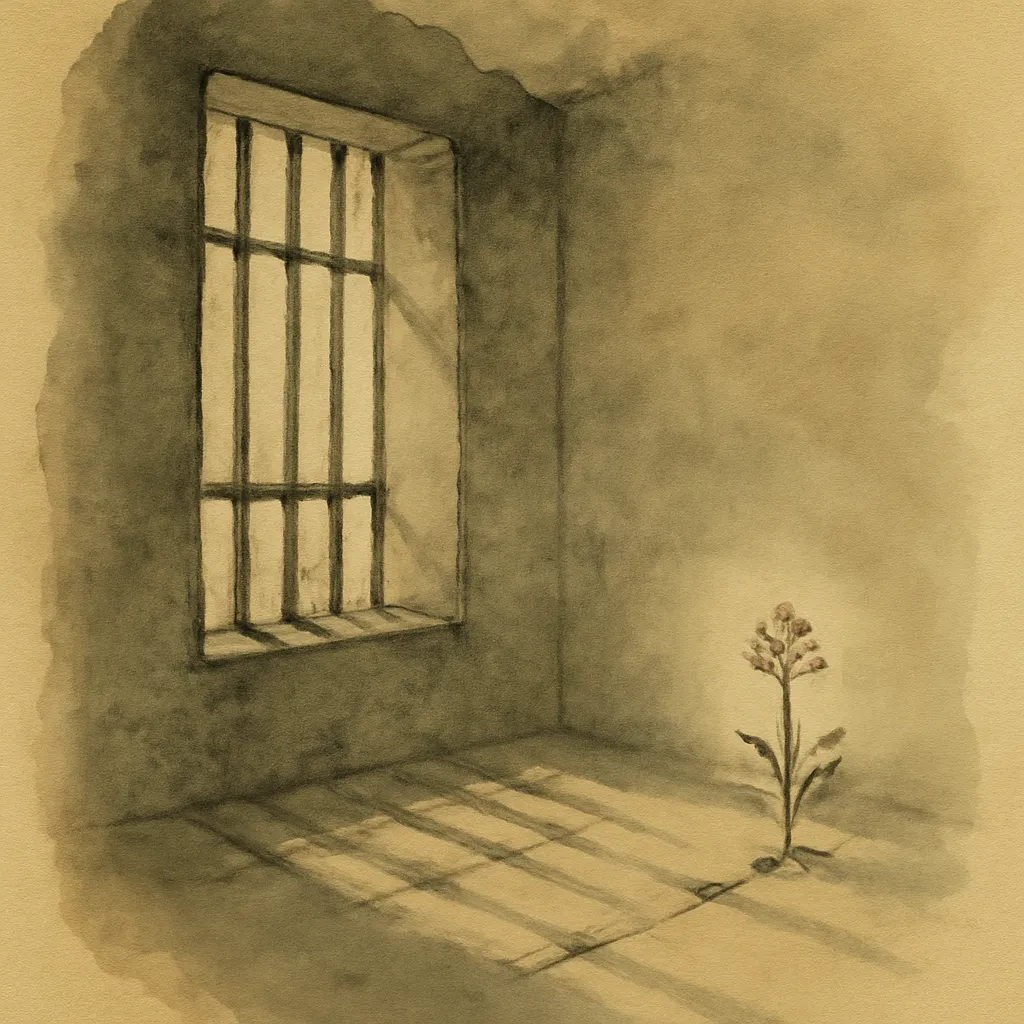
Rosal, another pivotal character, symbolizes entrapment and the fight for freedom. Her imprisonment serves as a powerful metaphor for the societal constraints placed on women, reflecting the broader theme of confinement—both physical and emotional. As she gazes out from her barred window toward the dawn, her longing for liberation becomes palpable, representing a desire to break free from the oppressive forces that seek to control her life. Rosal's fierce spirit and determination to confront her captors reflect the resilience of the human spirit in the face of adversity. Her character challenges traditional gender roles, as she illustrates the complexities of female agency in a patriarchal society. The narrative captures her internal struggle, highlighting the emotional turmoil that accompanies her fight for autonomy. This exploration of Rosal's plight raises important questions about the nature of power and control within relationships, emphasizing the need for women to assert their identities amidst societal expectations.
7.The Setting as a Character
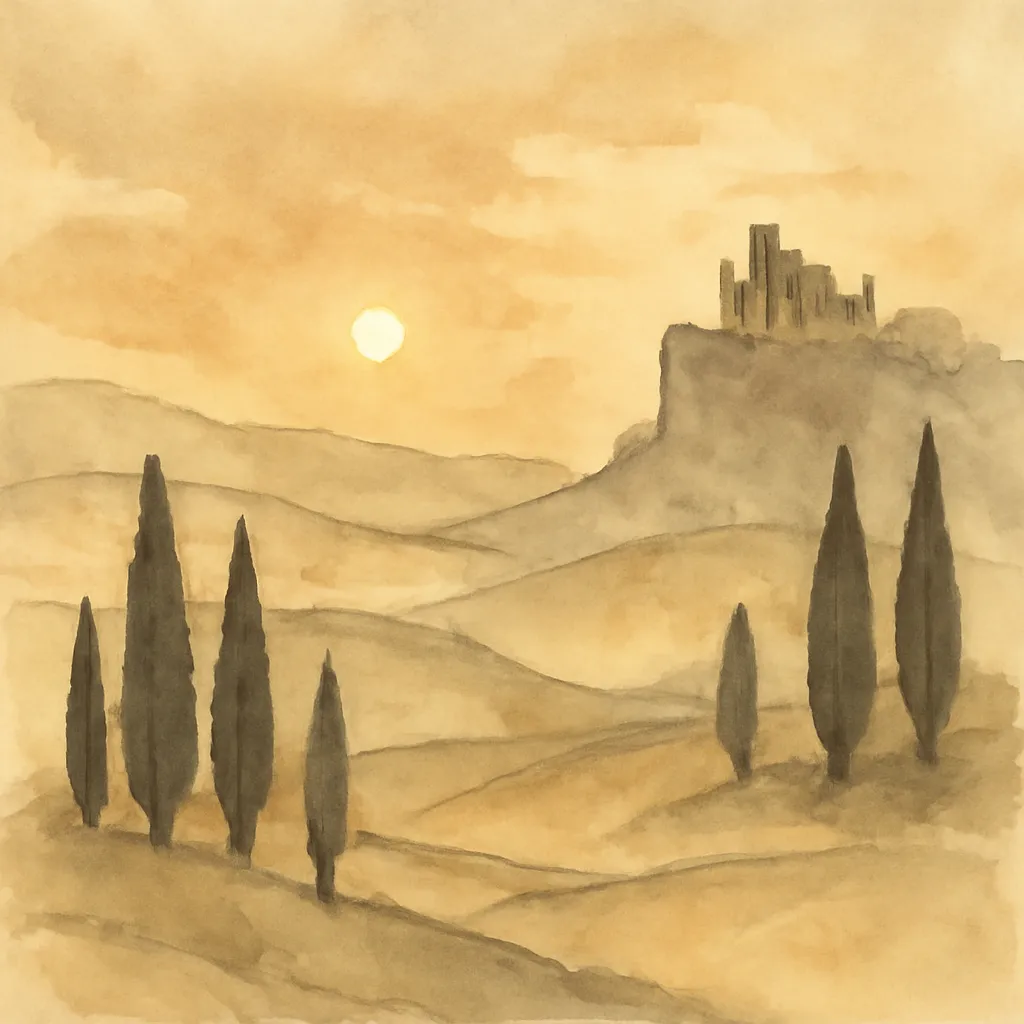
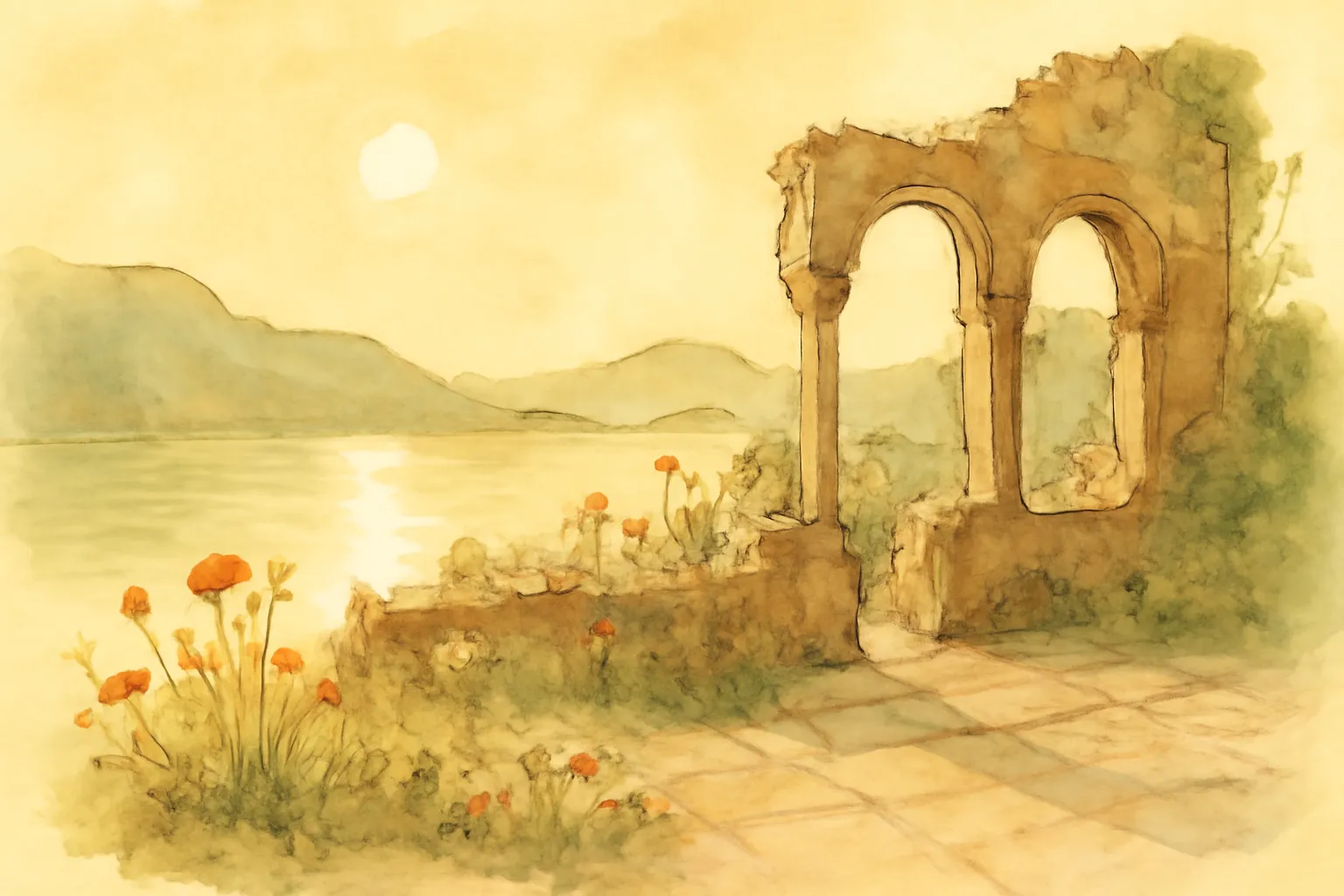
The Italian landscape serves as a vivid backdrop that is as expressive and dynamic as the characters themselves. The Place of Honeymoons, with its breathtaking views of lakes and mountains, becomes a character in its own right, influencing the emotions and actions of those who inhabit it. MacGrath's rich descriptions of the setting evoke a sense of longing and nostalgia, drawing readers into the beauty of Italy while simultaneously highlighting the characters' emotional landscapes. The interplay between the landscape and the characters is profound; for instance, the vibrant natural beauty often parallels the characters' internal struggles and desires. This connection illustrates how place can shape human experience, emphasizing that the environment is not merely a backdrop but an active participant in the narrative. The setting's lushness contributes to the overall themes of love and yearning, illustrating how beauty can inspire both passion and heartbreak in equal measure.
8.Social Dynamics and Class Struggles
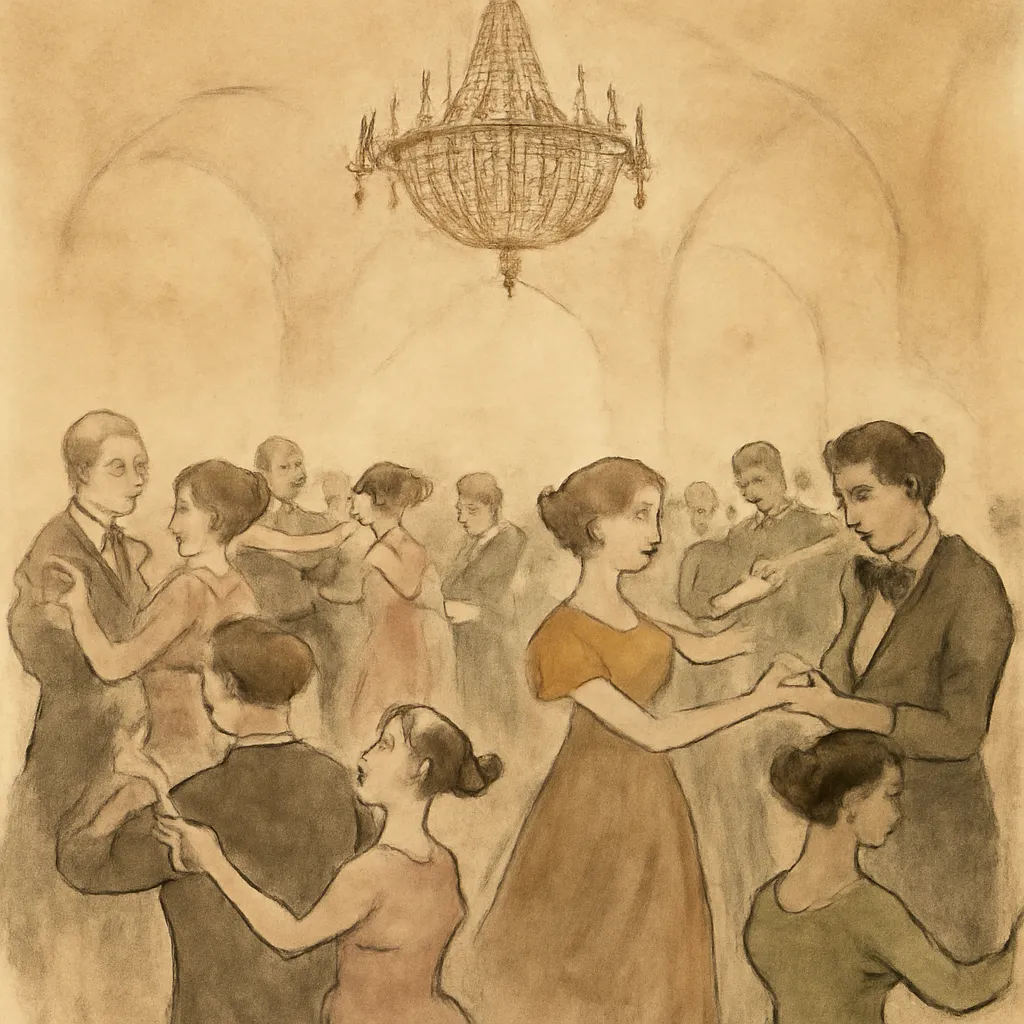
The interactions between characters reveal the complexities of social dynamics and class struggles in early 20th-century Europe. The characters navigate a world where status and wealth dictate relationships, leading to manipulation, betrayal, and unfulfilled desires. Flora’s interactions with men underscore the transactional nature of relationships within the upper echelons of society, where love is often secondary to ambition and social maneuvering. Courtlandt’s status as a wealthy outsider complicates his relationships in this world, as he grapples with the expectations placed upon him. The novel critiques the superficiality of high society and the moral ambiguities that accompany the pursuit of wealth and status. As characters confront their ambitions, the narrative lays bare the tensions that arise when personal desires clash with societal expectations. This exploration serves as a commentary on the sacrifices individuals make for love and ambition in a world governed by social hierarchies, revealing how such structures can distort true emotional connections.
9.The Role of Fate and Chance
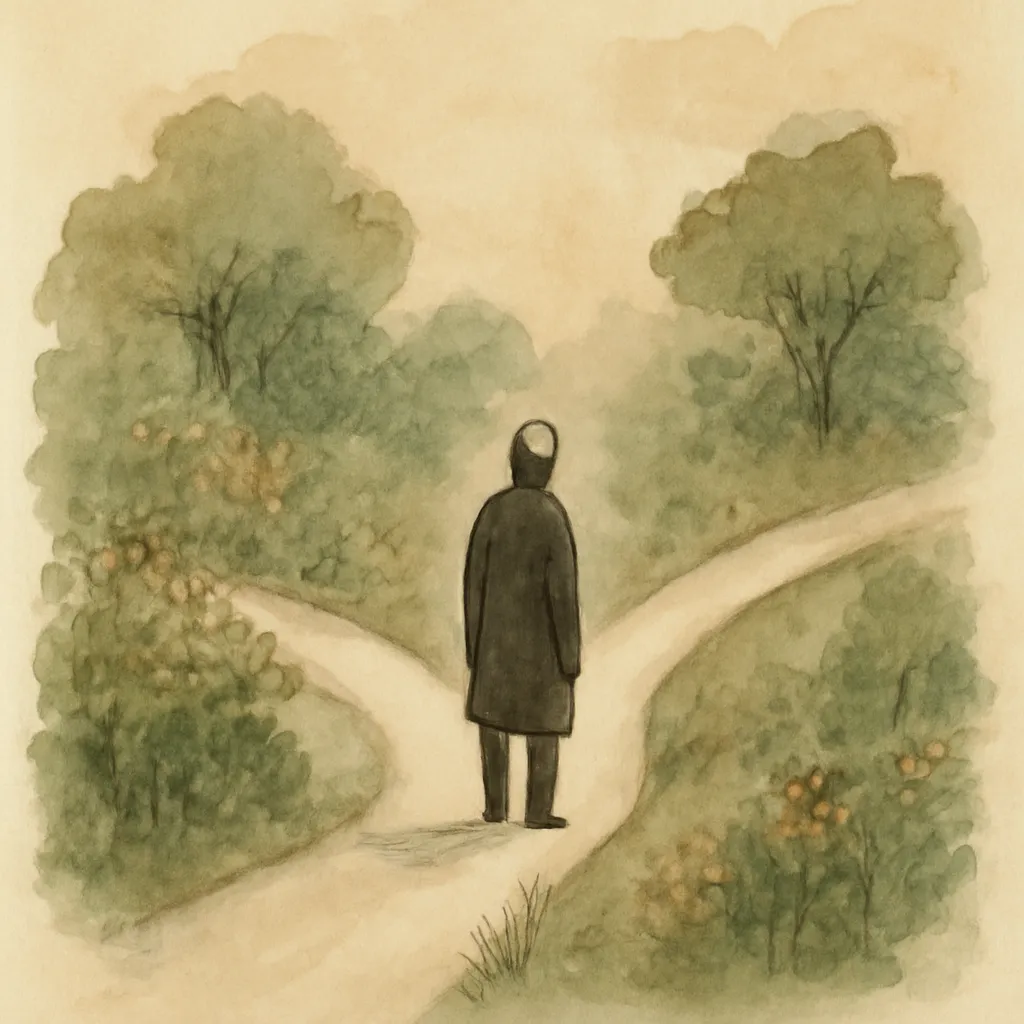
Fate and chance play significant roles in shaping the characters' lives, often steering their destinies in unexpected directions. Courtlandt’s chance encounter with the mysterious woman at the opera sets off a series of contemplative events, illustrating the unpredictable nature of life and relationships. Similarly, Abbott's artistic success is intertwined with serendipitous moments, such as encounters with patrons and fellow artists, that push him toward self-discovery. The characters grapple with the tension between free will and destiny, questioning whether their choices truly matter in the grand scheme of things. This exploration of fate underscores the novel's themes of love and loss, as characters navigate a world where their desires often collide with the whims of chance. MacGrath suggests that while individuals may strive for control over their lives, they are frequently at the mercy of forces beyond their comprehension, adding a layer of complexity to human experience.
10.The Complexity of Love
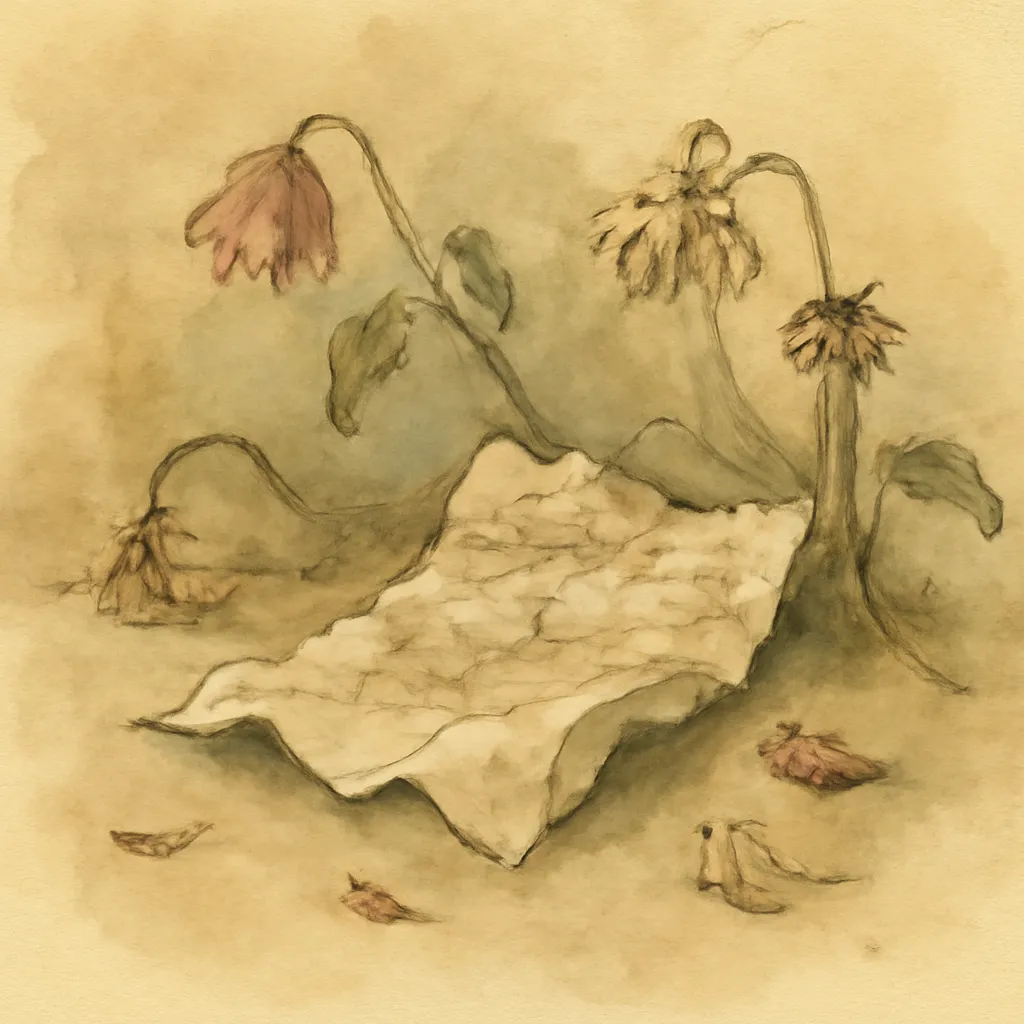
At its core, 'The Place of Honeymoons' is a rich meditation on the complexities of love in its many forms. The characters experience love as both a source of joy and a catalyst for pain, revealing its multifaceted nature. Courtlandt's unrequited love for Flora exemplifies the longing and heartache that accompanies desire, while Abbott's affection for Nora showcases the difficulties of intimacy when ambition looms large. MacGrath illustrates that love is not merely a romantic ideal but a complex interplay of emotions that can lead to both fulfillment and despair. This exploration of love's nuances invites readers to reflect on their own experiences and the ways in which love shapes their lives. By presenting love as a powerful force that transcends societal boundaries, the novel captures the essence of human connection in all its beauty and tragedy, ultimately suggesting that love is both a sanctuary and a battlefield in which individuals combat their own fears and insecurities.