1.The Ethics of Storytelling
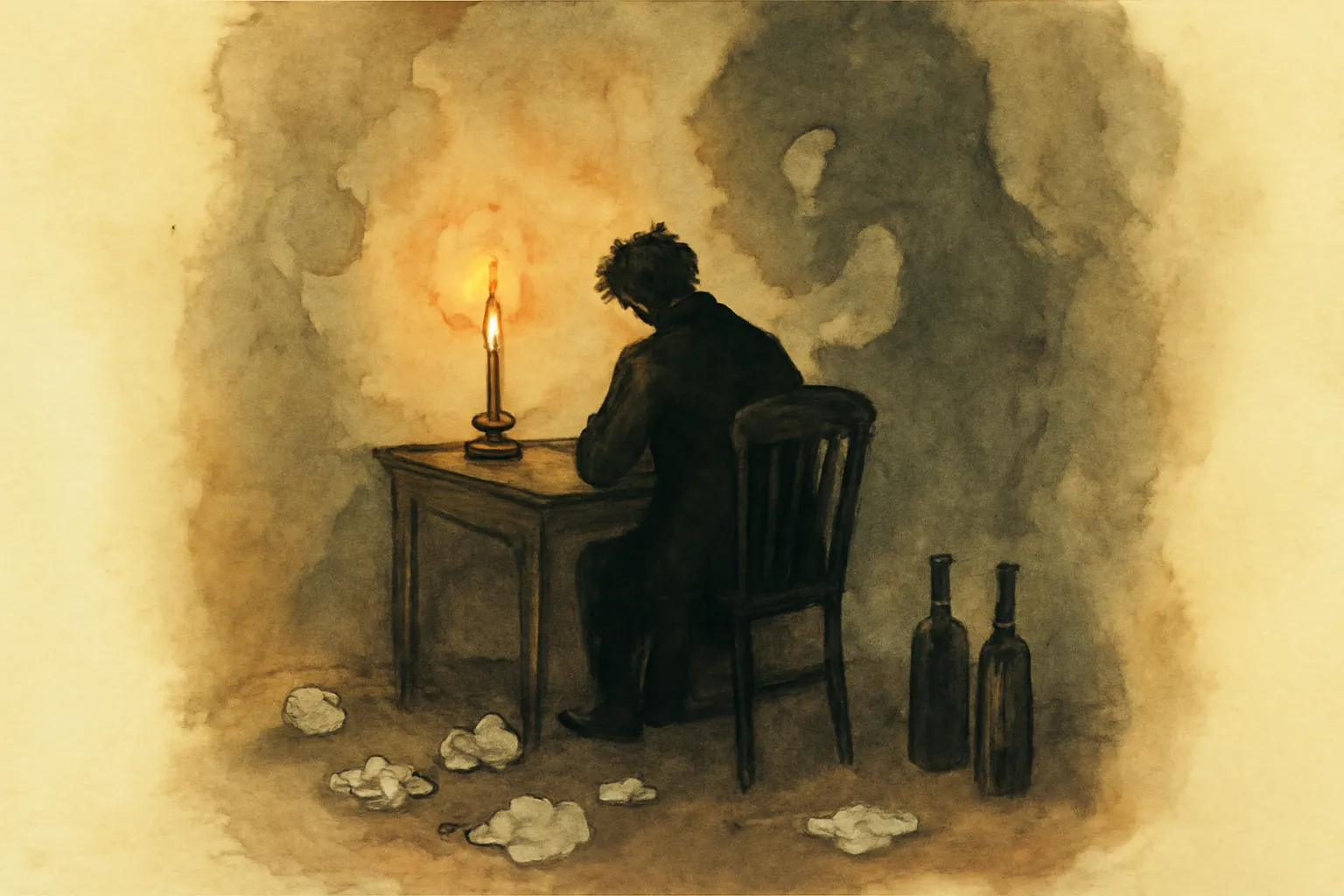
At its core, The Plot interrogates what it means to own a story. Is a plot an original creation, or can it be claimed by anyone who tells it well? As Jake Bonner appropriates his student’s idea after the student’s death, the novel probes the boundaries between inspiration, theft, and homage. Korelitz uses Jake’s moral rationalizations to expose how writers justify their choices, raising uncomfortable questions about originality and the true cost of literary success.
2.The Writer’s Insecurity and Ambition
Jake’s journey is a study in creative insecurity and the hunger for validation. Once a promising novelist, his career has stalled, and the envy he feels toward his student’s 'can’t-miss' idea is palpable. The book explores how desperation and ambition can warp a writer’s ethics, and how the literary world’s obsession with 'the next big thing' can drive people to compromise their values.
3.The Power and Danger of Secrets
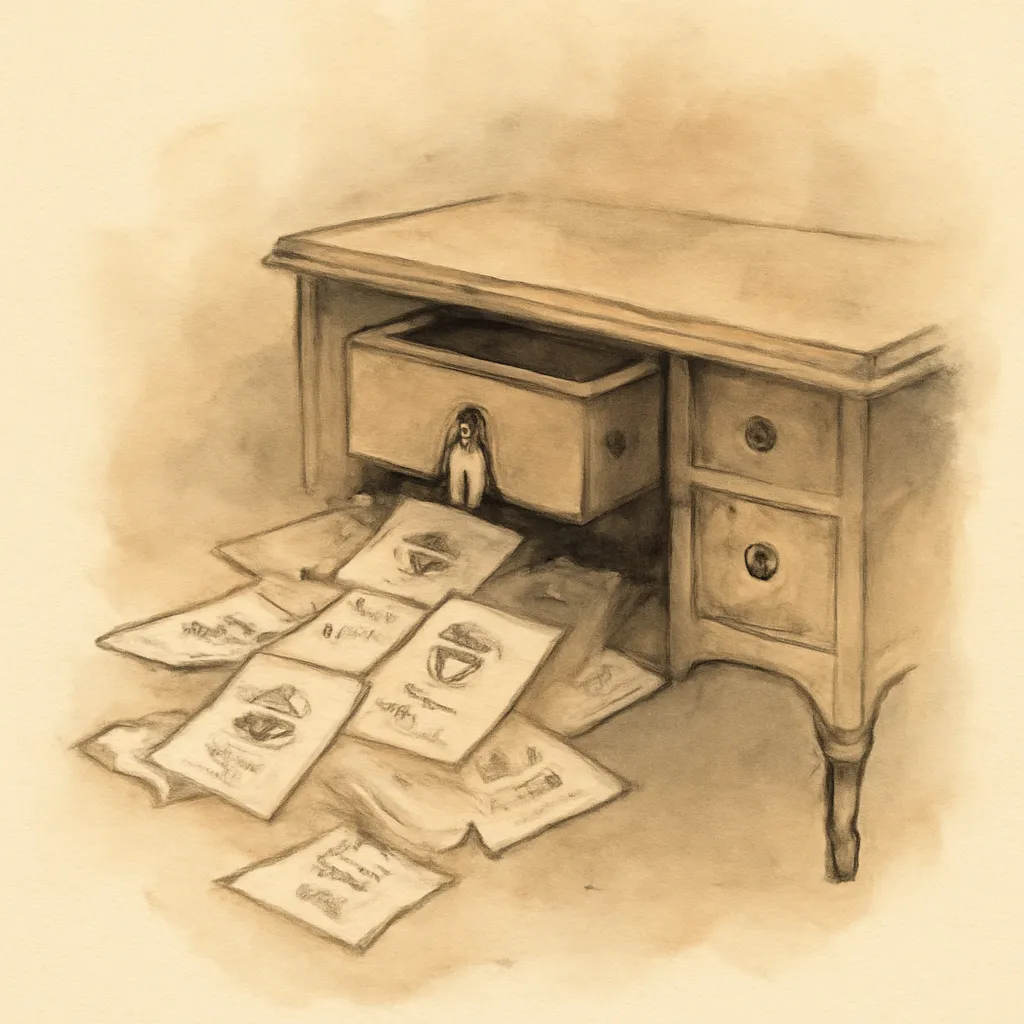
The suspense in The Plot is driven by secrets—Jake’s theft, the origins of the story, and the anonymous threats he receives. Korelitz uses the structure of a thriller to show how secrets can both empower and destroy. Jake’s growing paranoia and the unraveling of his carefully constructed life illustrate the psychological toll of living with a lie, and how the truth inevitably seeks to surface.
4.Success and Its Discontents
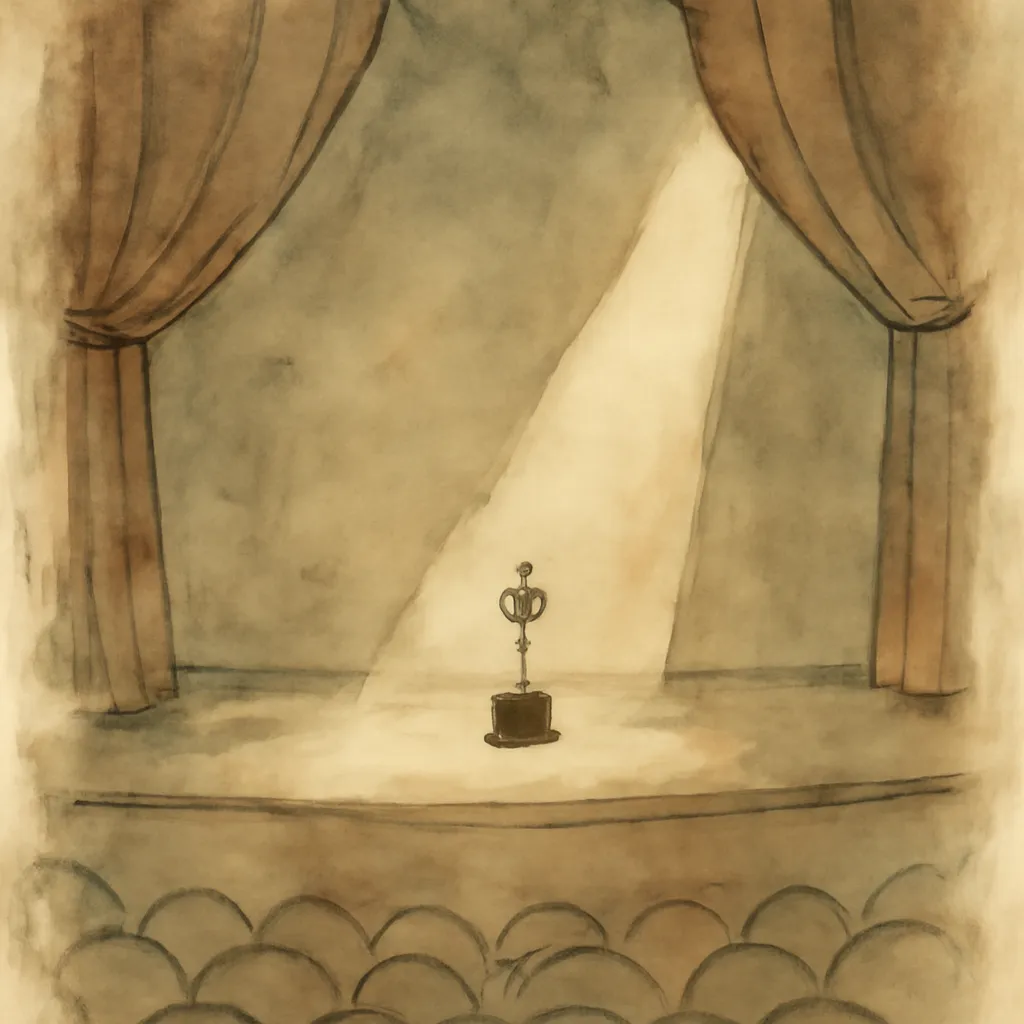
Jake achieves the fame and fortune he always craved, but at a steep price. The novel examines how external success can mask internal emptiness and guilt. Korelitz suggests that achieving one’s dreams through questionable means can be hollow, and that the fear of exposure can turn triumph into torment.
5.Metafiction and the Writer’s Process
The Plot is self-aware, offering a sly commentary on the writing world, MFA programs, and the publishing industry. Korelitz weaves in excerpts from Jake’s bestselling novel and satirizes the culture of literary celebrity. The book invites readers to reflect on the nature of storytelling itself, and the blurred boundaries between fiction and reality.
6.The Unreliable Narrator and Reader Complicity
Jake’s perspective is both sympathetic and suspect, making him an unreliable narrator. Korelitz plays with reader expectations, forcing us to question our own complicity in rooting for a protagonist whose actions are ethically dubious. The novel becomes a mirror for our fascination with scandal and our willingness to overlook moral lapses in pursuit of a good story.