1.Power Beyond the Ballot
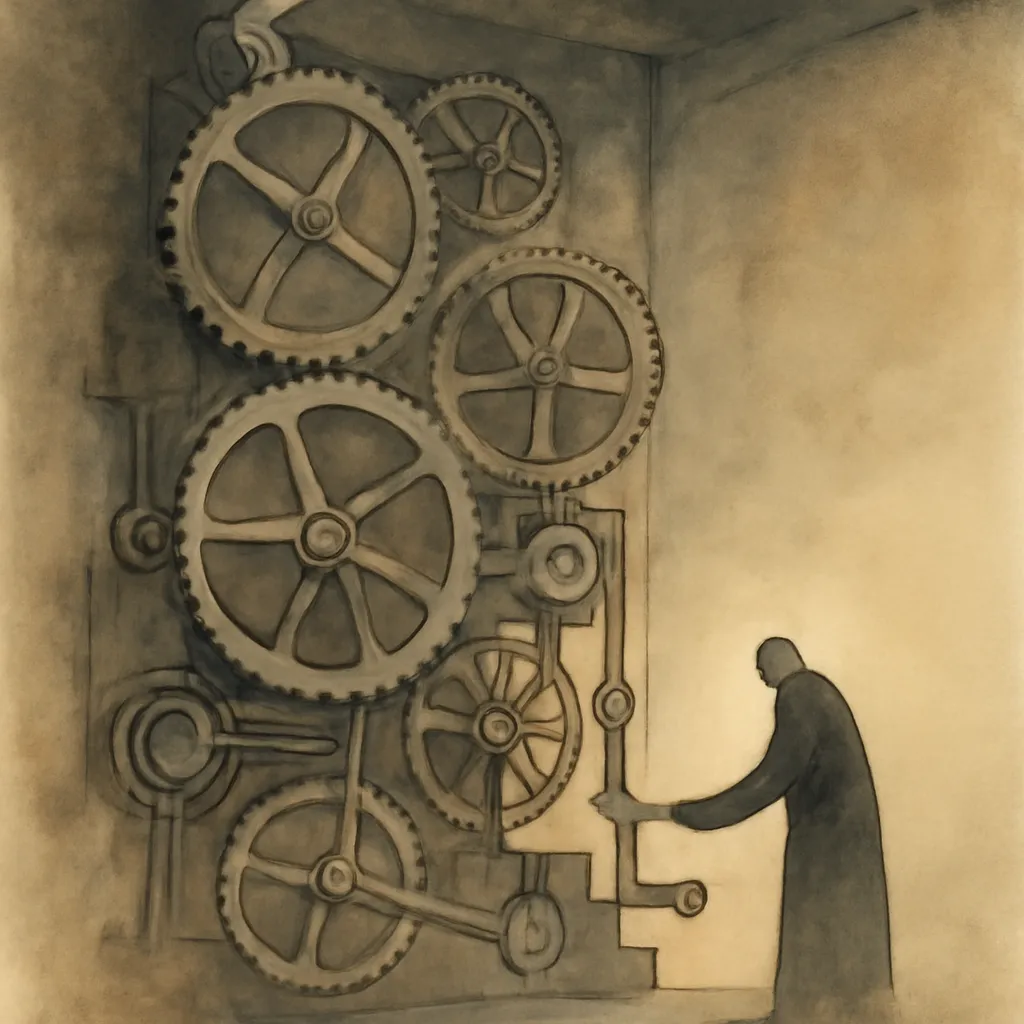
Caro demonstrates that true power in a democracy often resides not with elected officials, but with those who master the machinery of government. Robert Moses, never elected to major office, wielded more influence than mayors or governors by controlling commissions, authorities, and the flow of money. The book exposes the gap between the democratic ideal and the realities of how decisions are made, showing how expertise, bureaucracy, and patronage can trump public will.
2.The Machinery of Urban Transformation
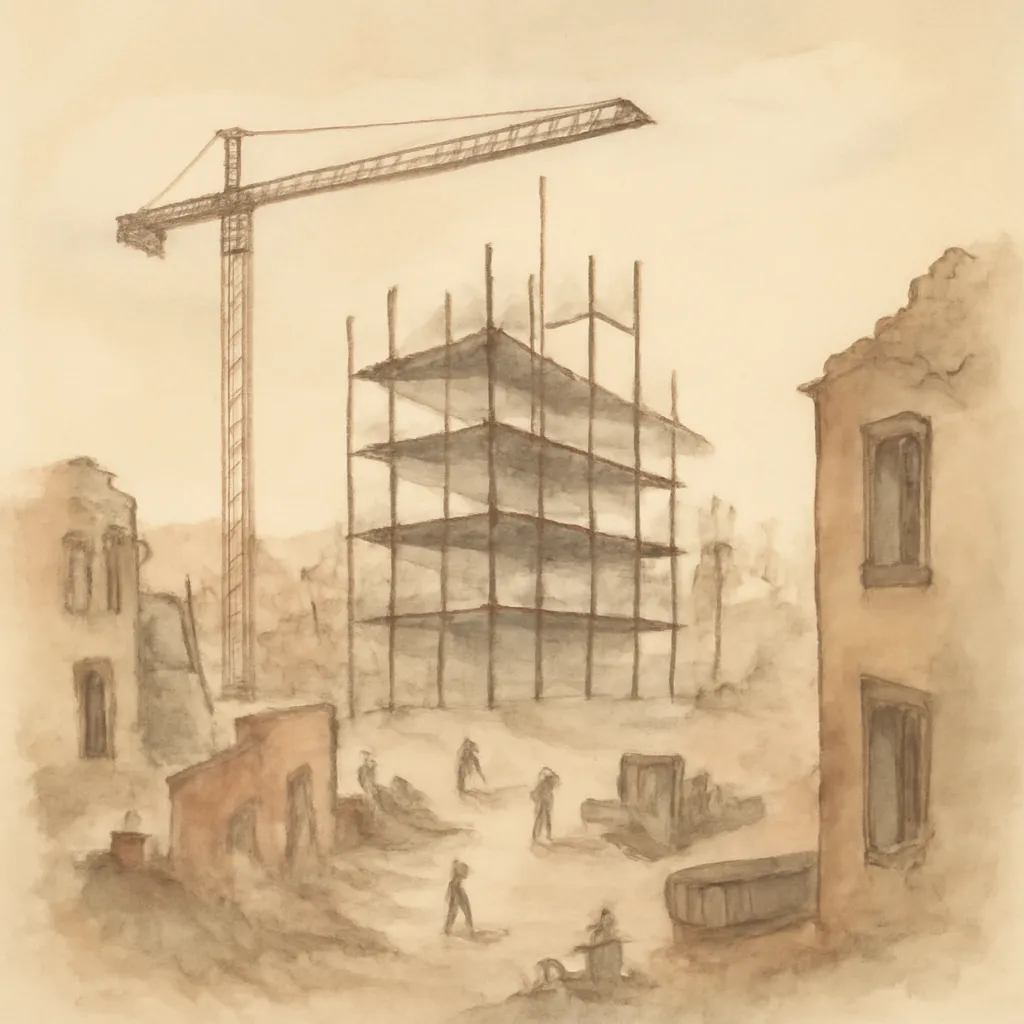
Through Moses's relentless building of parks, bridges, and highways, Caro explores how physical infrastructure shapes the destiny of cities and their inhabitants. The book details the methods Moses used to acquire land, marshal resources, and override opposition, sometimes at great human cost. Caro asks readers to consider who benefits—and who suffers—when a single vision is imposed on a complex metropolis.
3.The Corrosive Effects of Unchecked Authority
As Moses amassed power, Caro traces how his early idealism gave way to arrogance and disregard for those in his path. The narrative warns that when power is concentrated and unaccountable, it can become destructive, leading to displacement, inequality, and the silencing of dissent. The book is a cautionary tale about the dangers of institutions and individuals who operate without oversight.
4.The Illusion of Progress
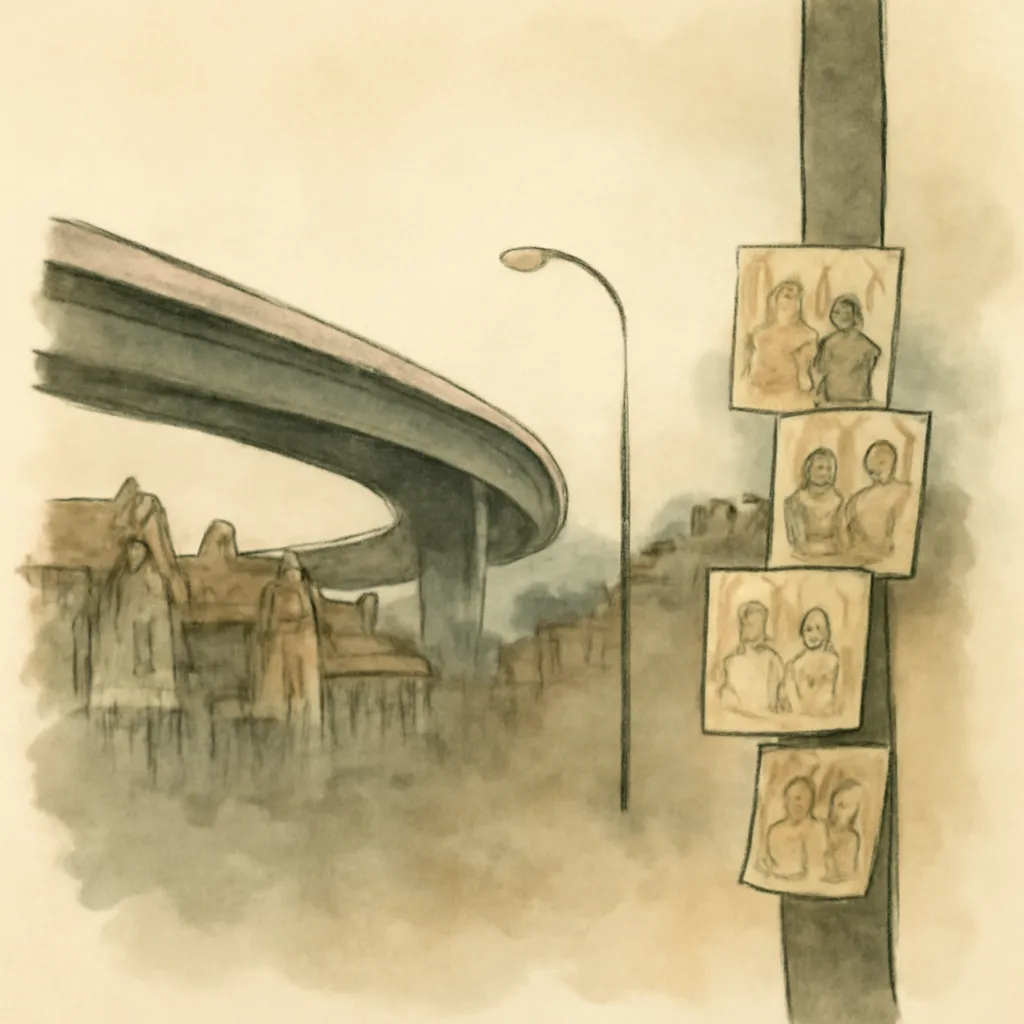
Caro challenges the notion that grand public works are inherently beneficial. While Moses's projects modernized New York, they also destroyed neighborhoods, marginalized minorities, and prioritized cars over communities. The book invites readers to question who defines 'progress,' and at what cost it is achieved.
5.The Limits of Reform
Despite repeated attempts by reformers and politicians to curb Moses's power, Caro shows how entrenched interests and legal structures can make real change nearly impossible. The book highlights the resilience of bureaucratic empires and the difficulty of restoring democratic control once it has been eroded.
6.Biography as Political Analysis
Caro uses Moses's life not only to tell a personal story but to dissect the anatomy of power itself. By weaving together individual ambition, institutional mechanics, and social consequences, the book becomes a lens for understanding how cities and societies are shaped by those who know how to pull the right levers.