1.The Habit Loop
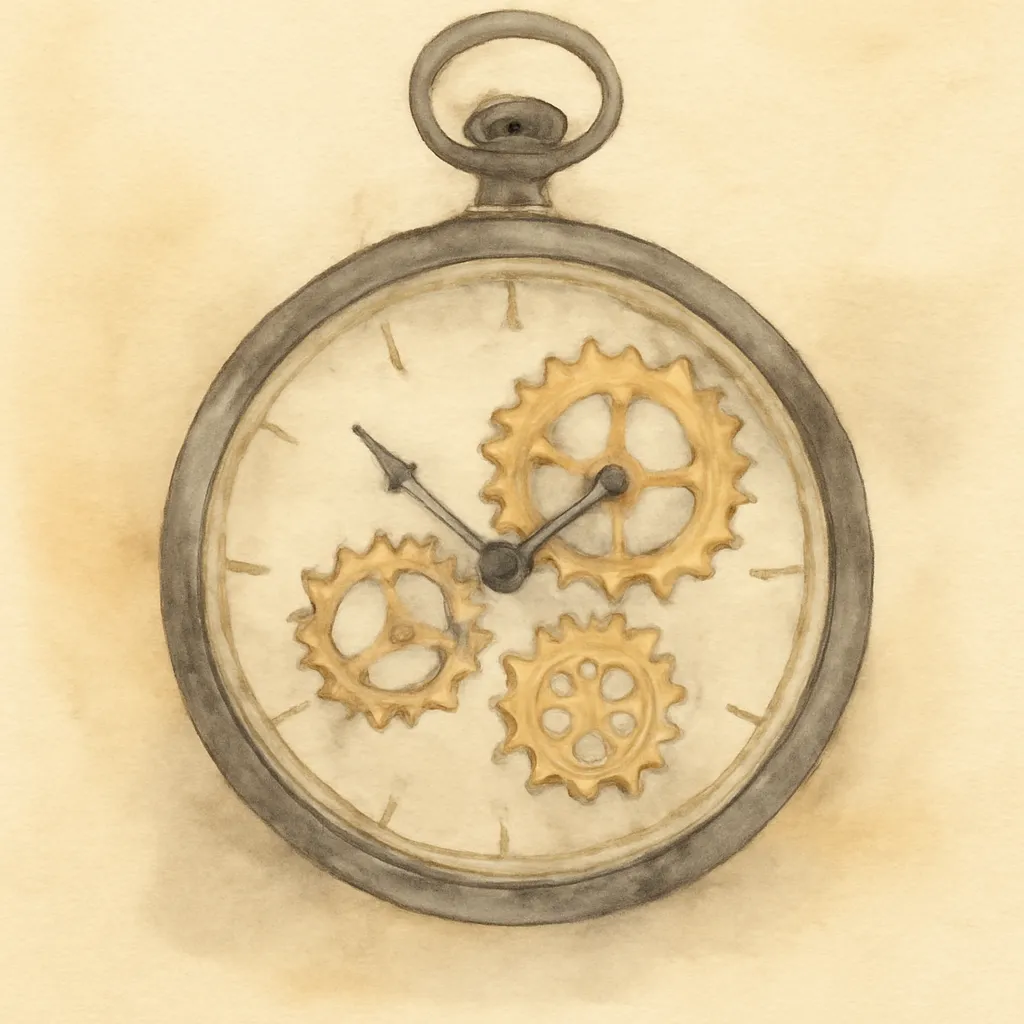
Duhigg introduces the concept of the 'habit loop,' a neurological pattern consisting of cue, routine, and reward. Understanding this loop is crucial: habits are not just repeated actions, but cycles triggered by specific cues and reinforced by rewards. By dissecting this loop, individuals and organizations can identify what drives their behavior and strategically intervene to change it.
2.Keystone Habits
Some habits matter more than others—these are 'keystone habits.' Changing a keystone habit can set off a chain reaction, transforming other behaviors and even entire organizations. For example, focusing on worker safety at Alcoa led to improvements in productivity and morale. The idea is to find leverage points where small shifts can yield outsized results.
3.The Power of Belief
Change is hard, but belief makes it possible. Duhigg argues that lasting habit change often requires a belief that transformation is possible, which is often reinforced by community or group support. This insight is drawn from studies of addiction recovery and organizational turnarounds, highlighting the social dimension of habit change.
4.Habits in Organizations
Habits aren't just personal—they shape the culture and effectiveness of organizations. Duhigg shows how companies like Starbucks and Procter & Gamble harnessed the science of habits to train employees, design products, and drive business success. Organizational habits can be intentionally crafted to foster innovation, safety, or customer loyalty.
5.Willpower as a Habit
Willpower, often seen as a limited resource, is itself a habit that can be cultivated. Duhigg presents research showing that people and organizations can design routines that build willpower over time, making it easier to stick with challenging goals. This reframes self-control as something dynamic and trainable, not fixed.
6.The Role of Craving
Habits form when the brain begins to anticipate a reward, creating a craving. Duhigg explains how marketers, like those behind Febreze, learned to tap into cravings to make products irresistible. Recognizing and redirecting cravings is key to both breaking bad habits and forming new, positive ones.