1.Life as Performance
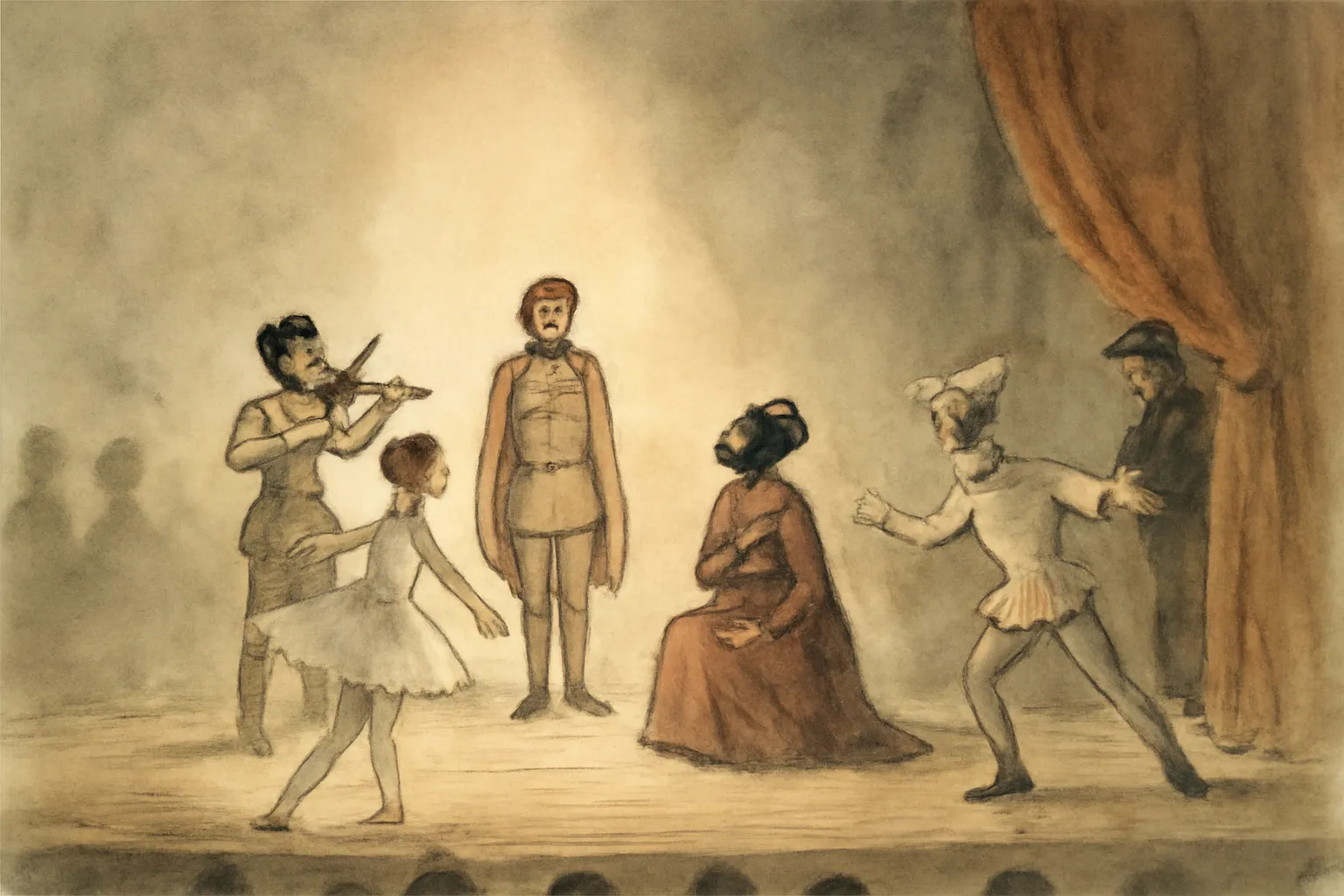
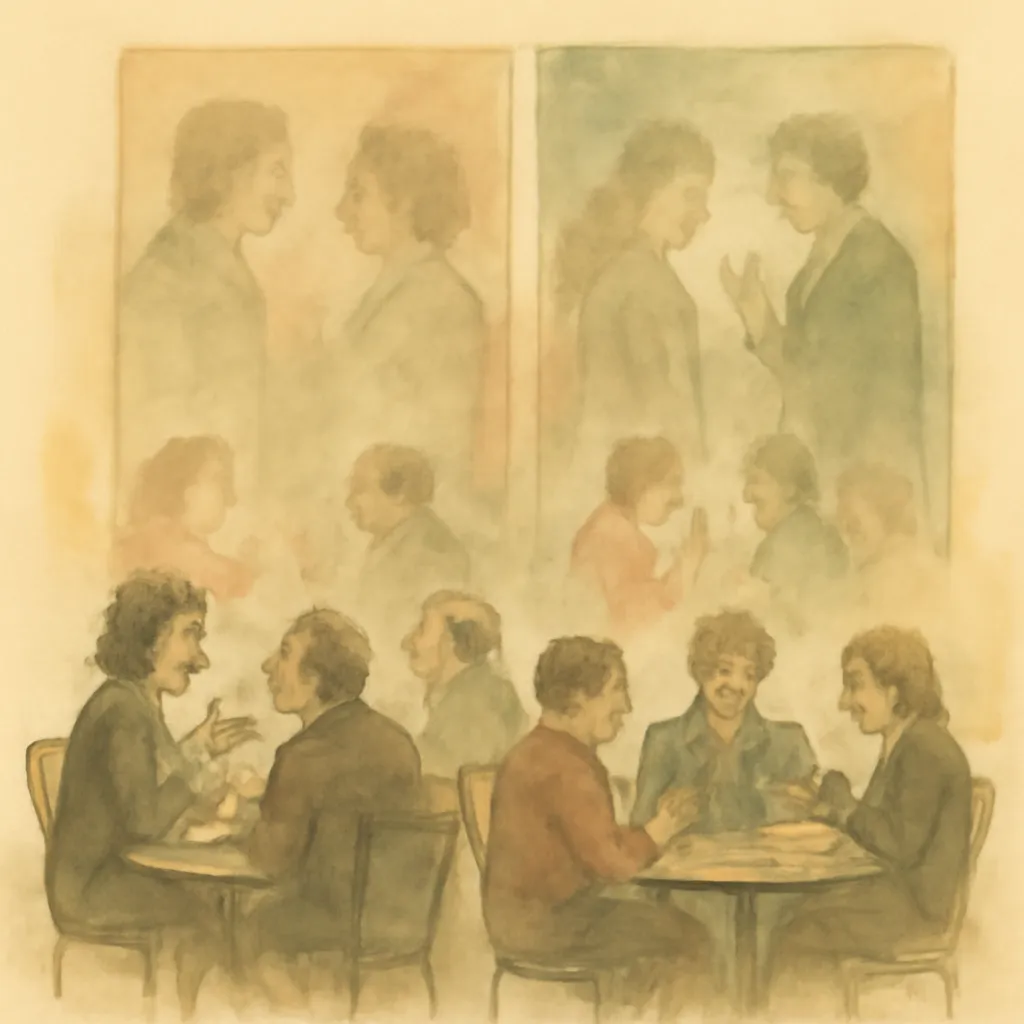
Goffman introduces the concept of dramaturgy, comparing everyday social interactions to theatrical performances. He argues that in every social situation, individuals play roles, consciously or unconsciously managing how they appear to others. This perspective suggests that much of what we consider 'authentic' behavior is actually a carefully curated performance designed to fit social expectations and achieve desired outcomes.
2.Front Stage and Back Stage
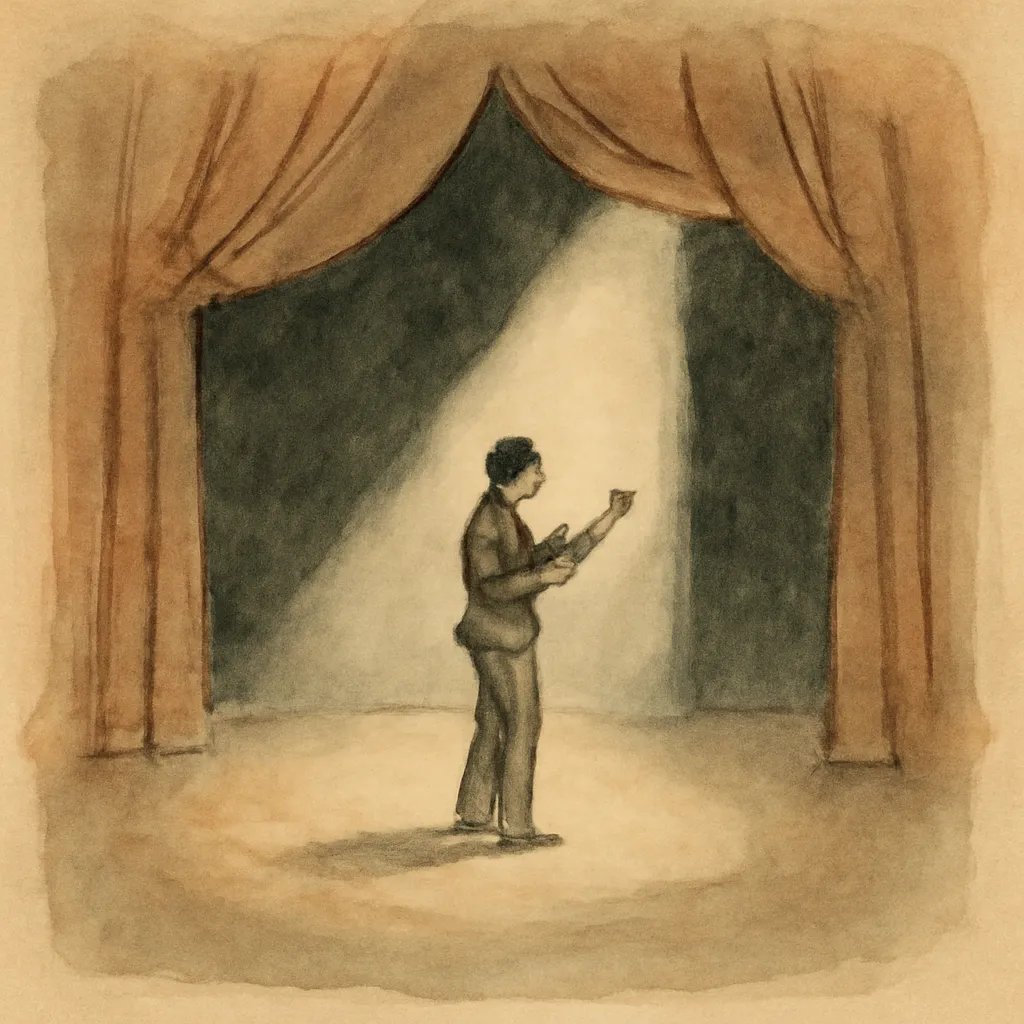
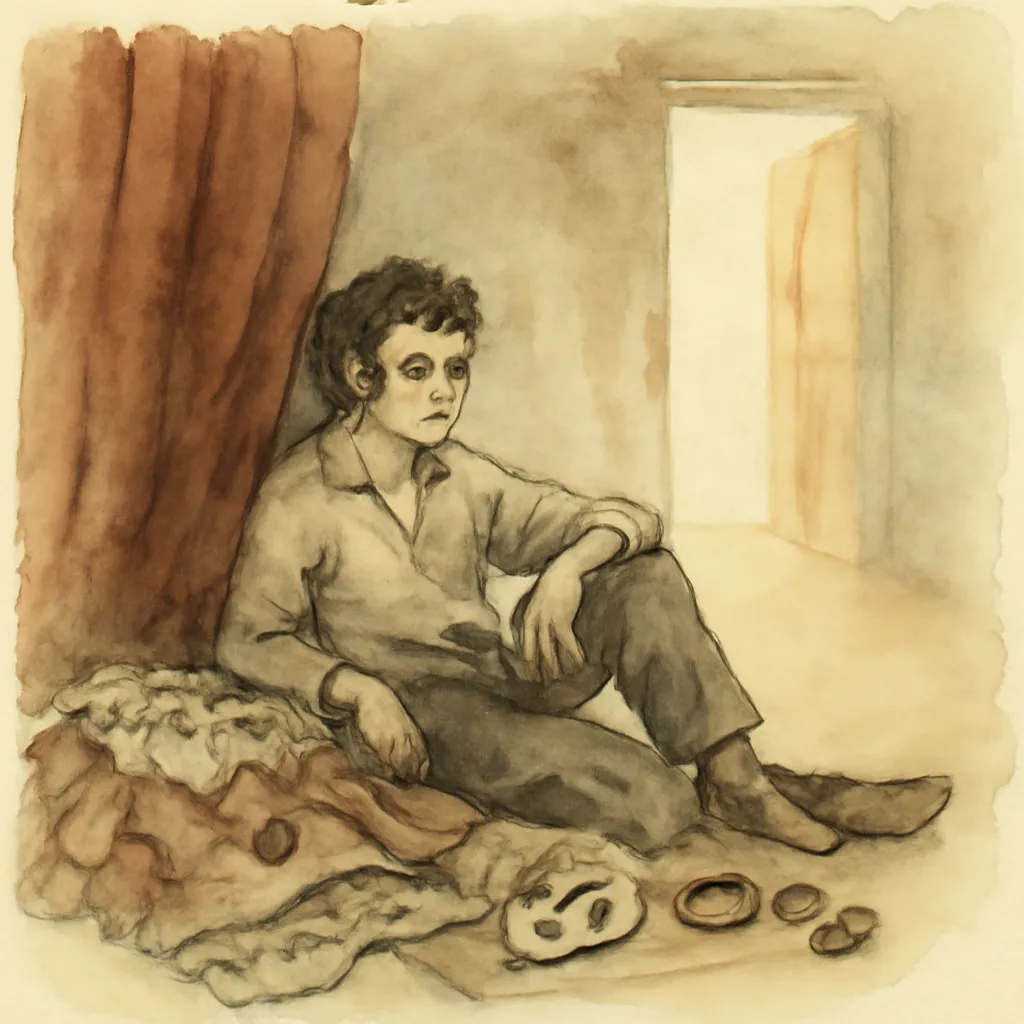
A central idea is the distinction between 'front stage' and 'back stage' behavior. On the front stage, people perform for an audience, adhering to social norms and expectations. In the back stage, individuals relax these performances, revealing aspects of themselves that are hidden in public. This duality explains why people often act differently in private versus public settings, and how managing these spaces is crucial to social life.
3.Impression Management
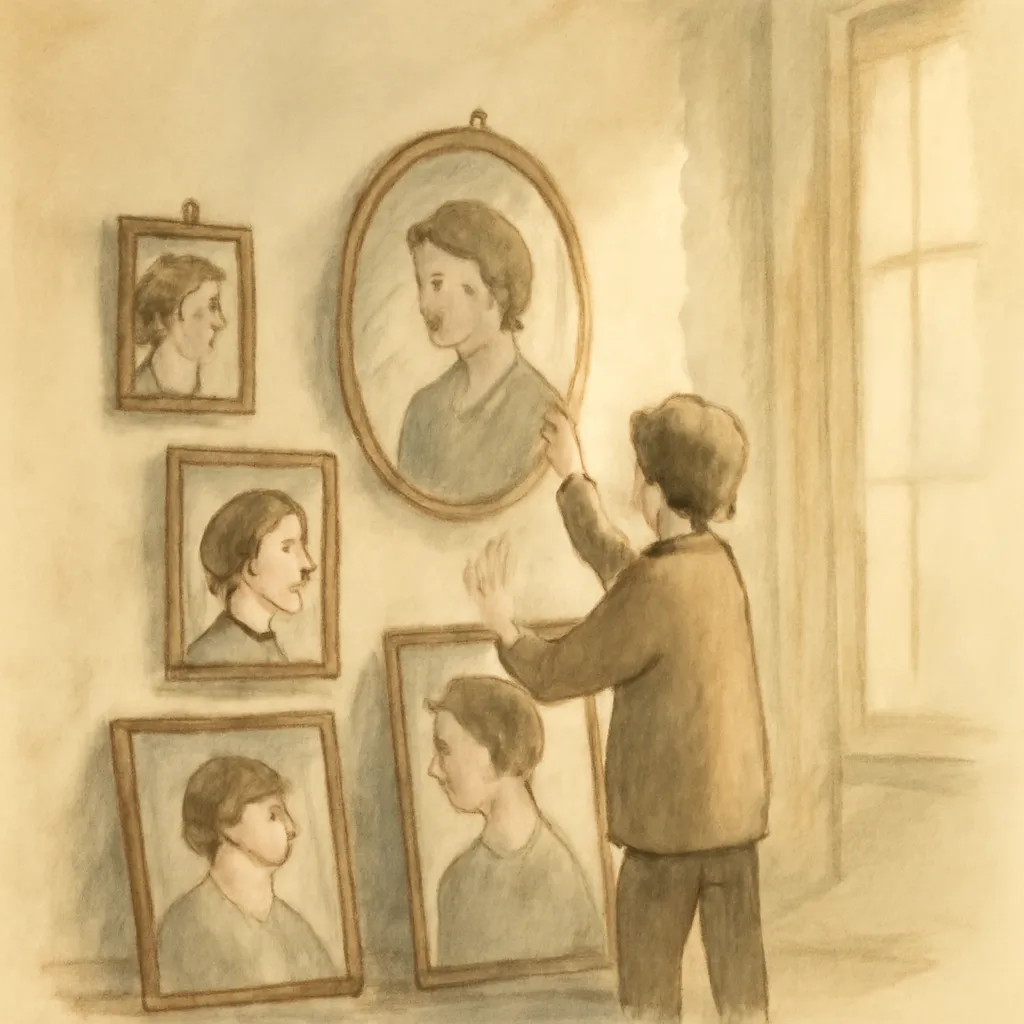
Goffman details the techniques people use to control the impressions others form of them. From appearance and mannerisms to the information we choose to reveal or conceal, impression management is a constant process. This concept is vital for understanding everything from job interviews to social media, as it highlights the strategic choices behind even mundane interactions.
4.Teams and Collusion
Social performances are rarely solo acts. Goffman explores how people form 'teams' to maintain a consistent impression before an audience. Family members, coworkers, or friends may collaborate, supporting each other's roles and covering for mistakes. This teamwork ensures the smooth running of social encounters and reveals the collective nature of identity presentation.
5.Stigma and Discredited Performances
Not all performances succeed. Goffman discusses what happens when someone's presentation fails or when hidden aspects are exposed, leading to embarrassment or stigma. He examines how individuals and groups manage these breakdowns, repair damaged impressions, or adapt to new social realities. This analysis helps explain the dynamics of shame, exclusion, and recovery in social life.
6.The Social Construction of Reality
Underlying Goffman's work is the idea that reality itself is socially constructed through these performances. The roles we play, the scripts we follow, and the settings we inhabit all contribute to a shared sense of what is real and acceptable. This challenges the notion of a fixed, objective self, emphasizing instead the fluid, negotiated nature of identity.