1.The Burden of Addiction
William Carmody's struggle with alcohol serves as a central theme in the narrative, illustrating the destructive nature of addiction and its impact on personal relationships. The novel opens with Carmody waking up in a state of disarray, suffering from the physical and emotional toll of his drinking. His reflections on the 'burning thirst' and the 'bitter-coated tongue' convey the depth of his dependency. This initial portrayal sets the stage for his journey towards recovery, emphasizing the internal battles that individuals face when trying to break free from addiction. Hendryx captures the cyclical nature of addiction, showing how it can distort one's sense of reality and make even the simplest tasks feel monumental. Carmody's struggles are not just personal; they ripple outwards, affecting his relationships with friends and family, particularly his father, who represents a standard of responsibility that Carmody feels he has failed to meet.
2.The Complexity of Love
The relationship between Carmody and Ethel Manton is fraught with tension, highlighting the complexities of love intertwined with personal failings. Ethel embodies both a source of hope and a reminder of Carmody's shortcomings. As he grapples with his feelings for her, he is torn between his desire to win her affection and the reality of his current state. Ethel's internal conflict is palpable as she oscillates between love and hate for Carmody, questioning whether she has 'administered the final kick to a man who was down.' This duality in their relationship showcases how love can be both nurturing and destructive, as Ethel must confront her feelings of responsibility for Carmody's fate. The emotional turmoil experienced by both characters is a testament to the challenges of maintaining relationships amidst personal turmoil, making their journey relatable and poignant.
3.Redemption Through Hardship
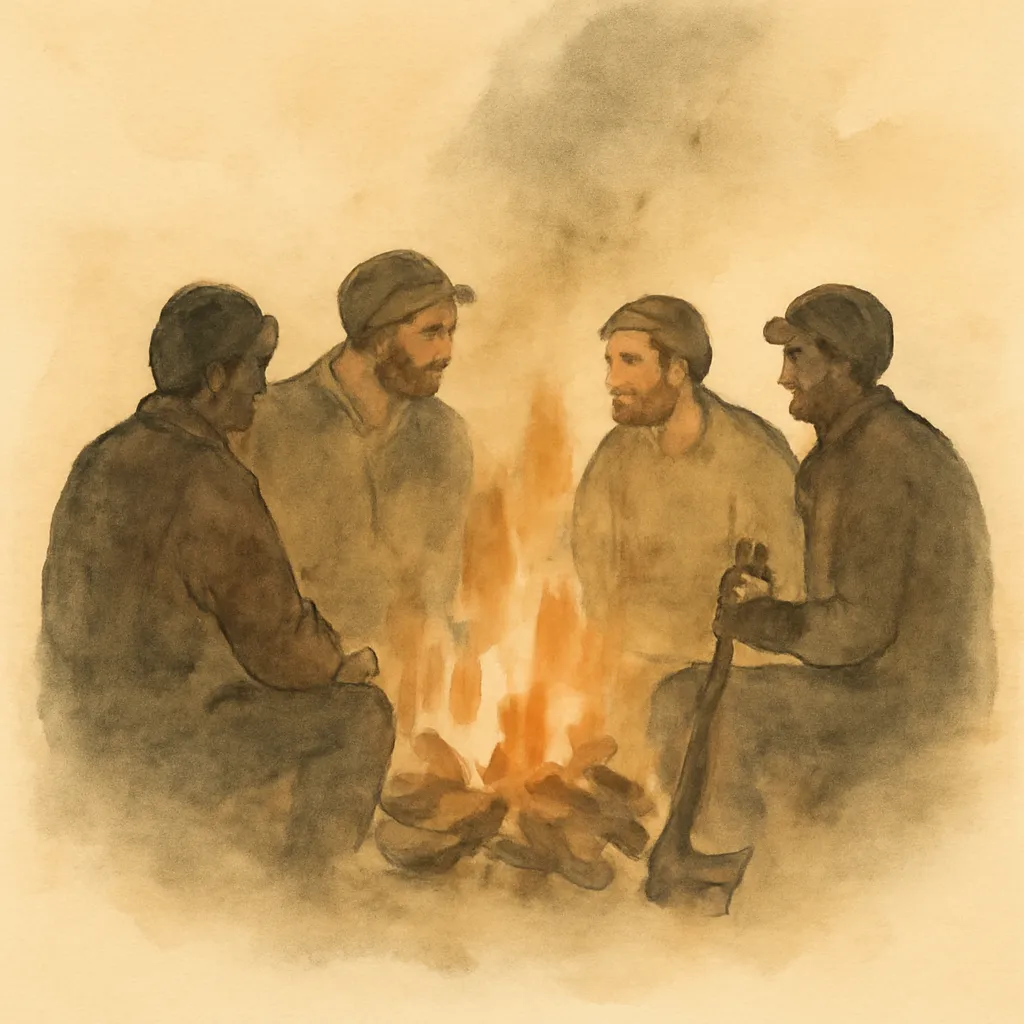
As Carmody ventures into the harsh realities of the logging camps, he embarks on a path of redemption forged through hard work and resilience. The Northwoods symbolize both a physical and metaphorical landscape where Carmody must confront his past and strive for a better future. The grueling labor of logging serves as a backdrop for his transformation; it is within these demanding conditions that he begins to shed the weight of his previous life. Hendryx skillfully illustrates how the camaraderie among the lumberjacks offers Carmody a sense of belonging and purpose, contrasting sharply with his earlier isolation. The challenges he faces in the camp, from the oppressive oversight of the camp boss Moncrossen to the dangers of the wilderness, force him to confront not only his work ethic but also his character. This journey into the heart of the wilderness becomes a crucible through which Carmody must pass to emerge stronger and more self-aware.
4.The Role of Nature
Nature plays a pivotal role in The Promise, serving as both an adversary and a teacher for Carmody. The stark beauty of the Great Northwest is vividly depicted, with descriptions that evoke the harshness and majesty of the landscape. Hendryx uses the natural environment to reflect Carmody's internal struggles; just as he must navigate treacherous terrains, he must also traverse the complexities of his emotions. The wilderness challenges him, forcing him to adapt and learn the skills necessary for survival. In moments of peril, such as when he encounters a pack of wolves, the wilderness becomes a metaphor for the dangers that lurk within himself. This relationship with nature is not merely about physical survival; it also represents a journey towards self-discovery and growth. Carmody's interactions with the land serve as a reminder of the resilience of the human spirit when faced with the formidable forces of nature.
5.Friendship and Brotherhood
The bonds formed among the lumberjacks illustrate the importance of friendship and brotherhood in overcoming adversity. As Carmody integrates into the camp, he finds camaraderie with men who have their own struggles and stories. This shared experience fosters a sense of loyalty and support that is crucial for Carmody's growth. Characters like Fallon and Stromberg become mentors and allies, guiding him through the challenges of camp life while also holding him accountable. Hendryx emphasizes the notion that true strength lies not just in individual efforts but in the collective support of a community. The friendships forged in the camp provide Carmody with the encouragement he needs to confront his past and strive for a brighter future. This theme of brotherhood underscores the idea that no one is truly alone in their struggles, and that shared experiences can lead to profound personal transformation.
6.The Cost of Betrayal
Betrayal is a recurring motif in The Promise, manifesting through both personal and professional relationships. The dynamics between Carmody and his father reveal the painful consequences of unmet expectations and disappointments. When Carmody's father confronts him about his reckless behavior, it becomes clear that their relationship is strained by a history of betrayal—not just of trust, but of familial duty. Furthermore, the subplot involving Moncrossen and the corrupt dealings in the logging camps introduces a broader theme of betrayal within the industry itself. Moncrossen's unscrupulous actions, driven by greed, serve as a stark contrast to the values of integrity and hard work that Carmody begins to embrace. Hendryx uses these betrayals to explore the moral complexities of human relationships, illustrating how betrayal can lead to both personal downfall and the potential for redemption when one chooses to rise above it.
7.The Fight Against Adversity
Carmody's journey is marked by a series of adversities that test his resolve and character. Whether it is battling the elements in the logging camps, facing the consequences of his past actions, or confronting dangerous wildlife, each challenge serves as a pivotal moment in his growth. The fight against adversity is not only physical but also psychological, as Carmody must confront his own fears and doubts. Hendryx expertly weaves these challenges into the narrative, showing how they shape Carmody into a more resilient individual. Each encounter with adversity becomes a lesson in perseverance, teaching him that success is often born from struggle. This theme resonates deeply, as it reflects the universal truth that growth often comes from facing and overcoming obstacles. By embracing these challenges, Carmody not only transforms himself but also redefines his understanding of what it means to be a man.
8.The Search for Identity
Throughout The Promise, Carmody's struggle for identity is a central concern, as he grapples with his past and seeks to forge a new path. His initial identity is tied to his reckless lifestyle and the expectations of those around him, particularly his father. However, as he immerses himself in the life of a lumberjack, he begins to redefine himself through his experiences and choices. The Northwoods act as a catalyst for this transformation, pushing him to confront his inner turmoil and embrace a new sense of purpose. Hendryx captures this search for identity as a complex and often painful process, filled with moments of doubt and revelation. Carmody's evolution reflects the broader human quest for self-discovery, illustrating that identity is not static but rather a fluid journey shaped by our experiences and relationships. This theme resonates with anyone who has ever felt lost or uncertain about their place in the world.
9.The Impact of Environment on Character
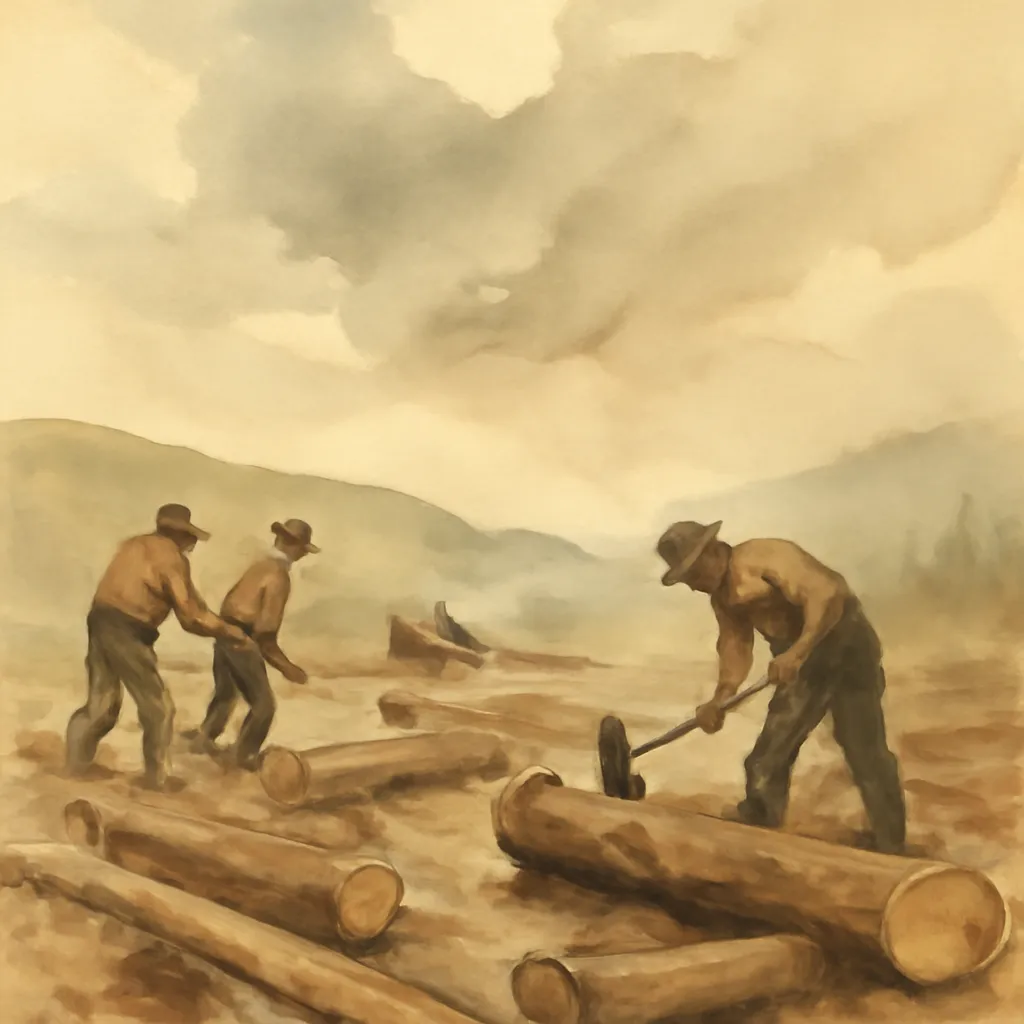
The harsh realities of the logging camps serve as a crucible for character development, influencing the men who work there in profound ways. Hendryx illustrates how the environment shapes behaviors, attitudes, and relationships among the lumberjacks. The camaraderie and roughness of camp life create a distinct culture that both challenges and strengthens the men. Carmody's interactions with the rugged landscape and his fellow workers reveal how environment can cultivate resilience, camaraderie, and a sense of purpose. The camp becomes a microcosm where the struggles of survival, both physically and morally, force individuals to confront their values and choices. Hendryx's portrayal of this dynamic emphasizes the idea that our surroundings can significantly influence our character and the paths we choose. As Carmody adapts to the demands of camp life, he discovers not only his capacity for hard work but also the importance of integrity and loyalty in shaping his identity.
10.The Dichotomy of Strength and Vulnerability

A central tension in The Promise is the interplay between strength and vulnerability, particularly as it pertains to masculinity. Carmody's journey challenges traditional notions of what it means to be strong, revealing that true strength often lies in vulnerability and the willingness to confront one’s flaws. The lumberjack culture, while celebrating physical toughness, also exposes the emotional struggles faced by men. Hendryx explores this dichotomy through Carmody's relationships with others, particularly with Ethel and his fellow workers. As he learns to embrace his vulnerabilities, he finds a deeper sense of strength that comes from authenticity and connection. This nuanced portrayal of masculinity invites readers to reconsider societal expectations and recognize that vulnerability can coexist with strength. In a world that often equates masculinity with stoicism, Carmody's journey serves as a reminder that embracing one’s emotions is a vital component of personal growth.