1.Society on the Edge
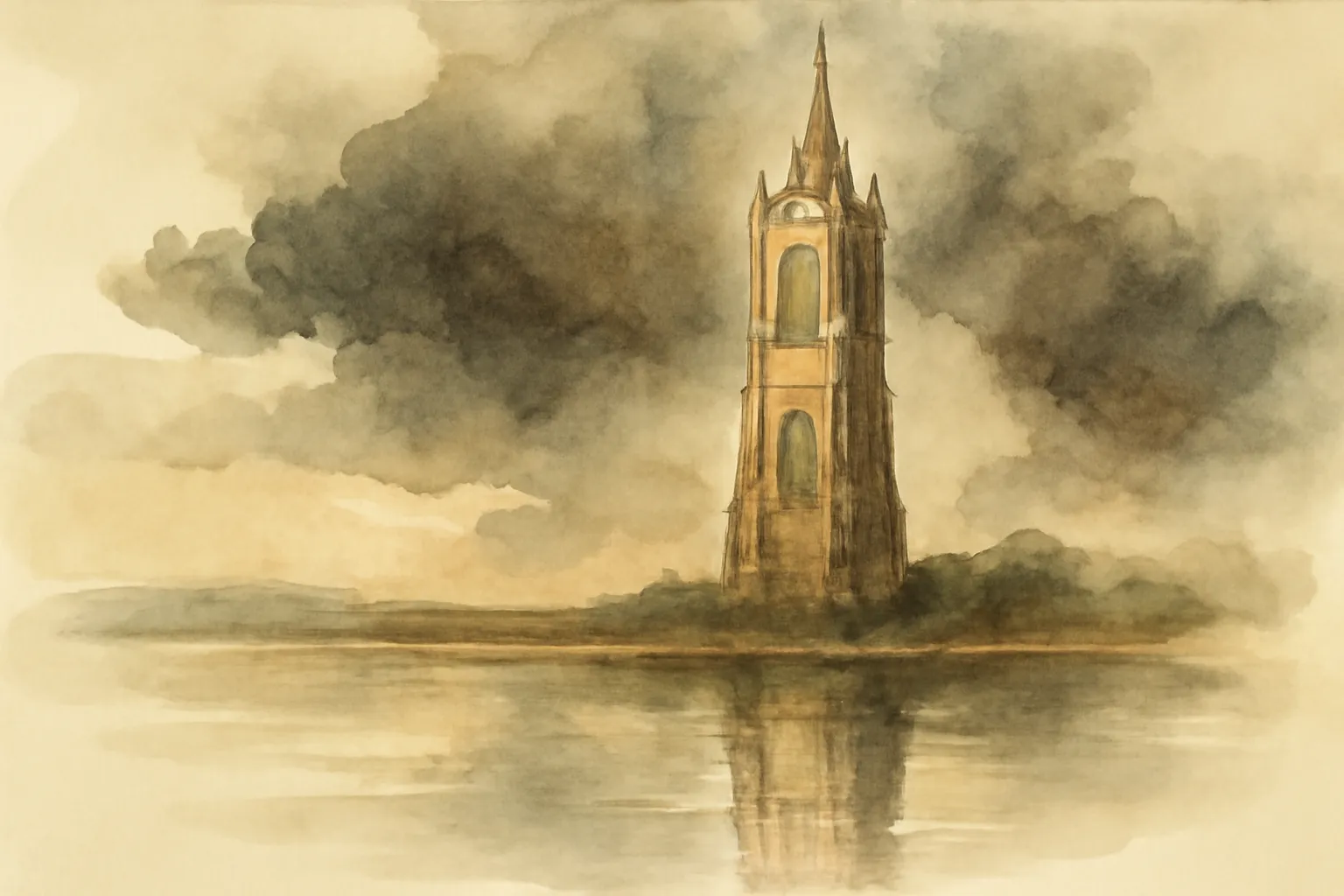
Tuchman explores the late 19th and early 20th centuries as a period of both immense confidence and deep anxiety. The 'proud tower' is a metaphor for a civilization at its peak, enjoying technological progress, cultural flourishing, and imperial grandeur. Yet beneath this surface, Tuchman uncovers the tensions—class conflict, political radicalism, and social unrest—that foreshadow the coming disaster. The book argues that the self-assuredness of the era masked vulnerabilities and divisions that would ultimately lead to its downfall.
2.Privilege and Protest
A central theme is the stark divide between the privileged elite and the masses. Tuchman vividly depicts the lifestyles and attitudes of the aristocracy, but she also gives voice to the growing movements of protest: labor strikes, anarchism, and the early rumblings of socialism. The book shows how the complacency and insularity of the upper classes blinded them to the forces gathering below, contributing to the instability of the period.
3.The Power of Ideas
Tuchman highlights the era as a battleground of ideas—nationalism, pacifism, anarchism, and the beginnings of modern feminism. She profiles key figures and movements, illustrating how intellectual ferment and ideological clashes shaped public life. The Proud Tower demonstrates that the coming of the Great War was not just a political failure but also a crisis of values and beliefs.
4.The Role of Culture
Far from being a dry political history, the book immerses readers in the art, music, and literature of the time. Tuchman shows how culture both reflected and influenced the anxieties of the age, from the grandeur of Wagnerian opera to the biting satire of French writers. This cultural lens helps readers understand the mood and mindset of a society poised between tradition and modernity.
5.Warnings Unheeded
Throughout, Tuchman stresses that the warning signs of catastrophe were visible but largely ignored by those in power. The Proud Tower is filled with examples of missed opportunities for reform, failed attempts at conciliation, and a widespread belief that peace and progress were inevitable. This complacency, Tuchman suggests, was as much to blame for the outbreak of war as any single event or decision.
6.History as Tragedy
Tuchman's narrative is suffused with a sense of tragic inevitability. By weaving together stories from Britain, France, Germany, and the United States, she shows how a combination of pride, blindness, and inertia led to the collapse of an entire world order. The book invites readers to reflect on how societies can be undone by their own illusions and failures to adapt.