1.Behavior Trumps Intelligence
Morgan Housel argues that financial success is less about how smart you are and more about how you behave. Even the best investment strategies can be undone by impulsive decisions or emotional reactions. The book emphasizes self-control, patience, and humility as the real determinants of financial well-being, challenging the idea that technical knowledge alone leads to wealth.
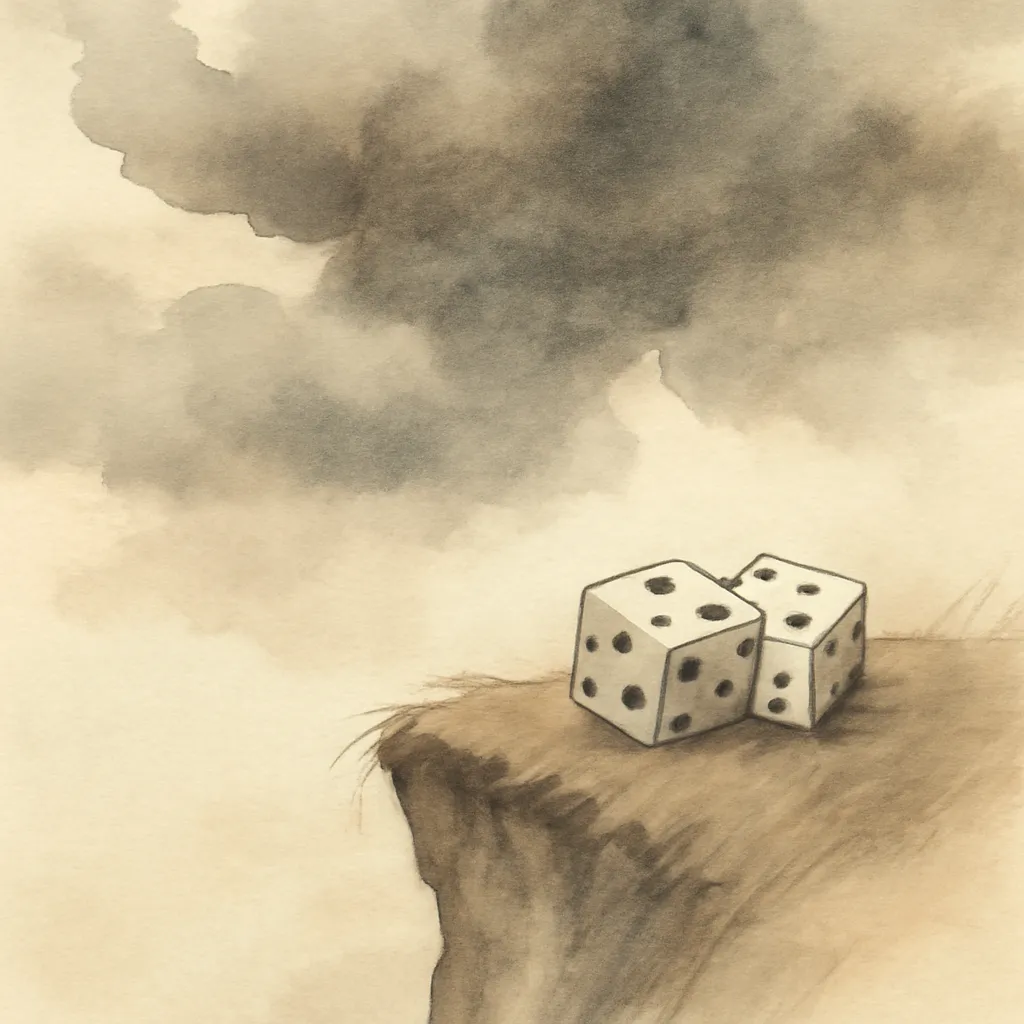
2.Luck, Risk, and the Role of Chance
Housel highlights the powerful roles of luck and risk in financial outcomes. He cautions against judging others (or yourself) too harshly based on results, since circumstances beyond our control often play a decisive role. Understanding this can foster humility and help us avoid overconfidence, making us more resilient investors and decision-makers.
3.The Power of Compounding
One of the book’s central lessons is the extraordinary impact of compounding—both in money and in habits. Housel uses stories like Warren Buffett’s career to show that time, not just skill, is a key ingredient in building wealth. The takeaway: starting early and letting your investments (and good behaviors) grow can yield outsized results over decades.
4.Personal Finance is Personal
Housel stresses that there’s no single right way to manage money, because everyone’s goals, backgrounds, and risk tolerances are different. What works for one person may not work for another. Recognizing this helps readers craft a financial strategy that fits their own values and circumstances, rather than chasing trends or copying others.
5.The Value of Enough
The book warns against the endless pursuit of more—more money, more status, more stuff. Housel illustrates how knowing what is 'enough' can protect us from greed, envy, and ruinous risk-taking. Contentment, he suggests, is a crucial but underrated financial skill.
6.The Seduction of Stories
Humans are wired to understand the world through stories, and this shapes how we think about money. Housel shows how narratives—about markets, success, or failure—can lead us astray if we’re not careful. By questioning the stories we tell ourselves, we can make clearer, more rational decisions.