1.The Press as a Catalyst for Change
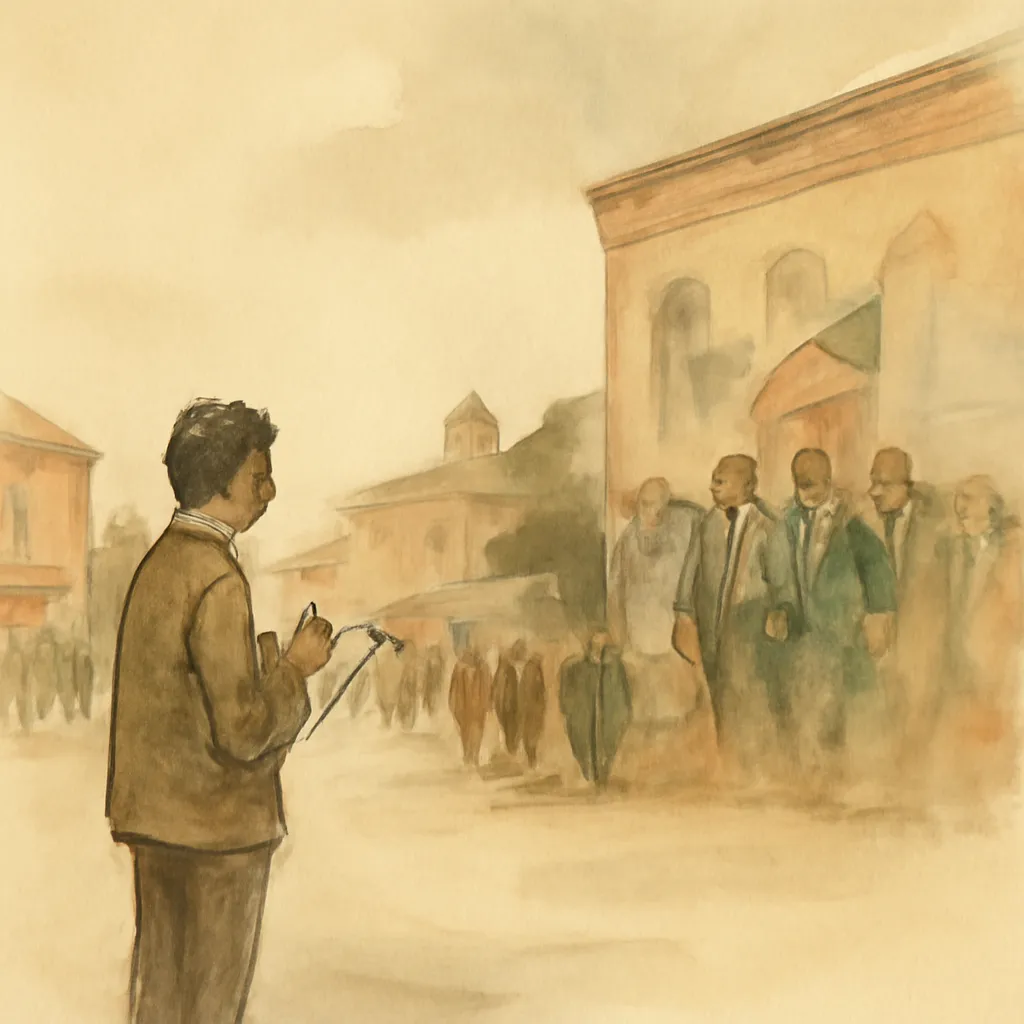
Roberts and Klibanoff argue that the civil rights movement’s success depended not only on activists, but also on the journalists who brought their stories to the broader American public. The book details how, for decades, mainstream newspapers largely ignored or downplayed racial violence and injustice, but as reporters began to witness and document these events, their coverage forced the nation to confront uncomfortable truths. The press became both a mirror and a megaphone for the movement, amplifying its message and pressuring political leaders to respond.
2.The Evolution of Coverage
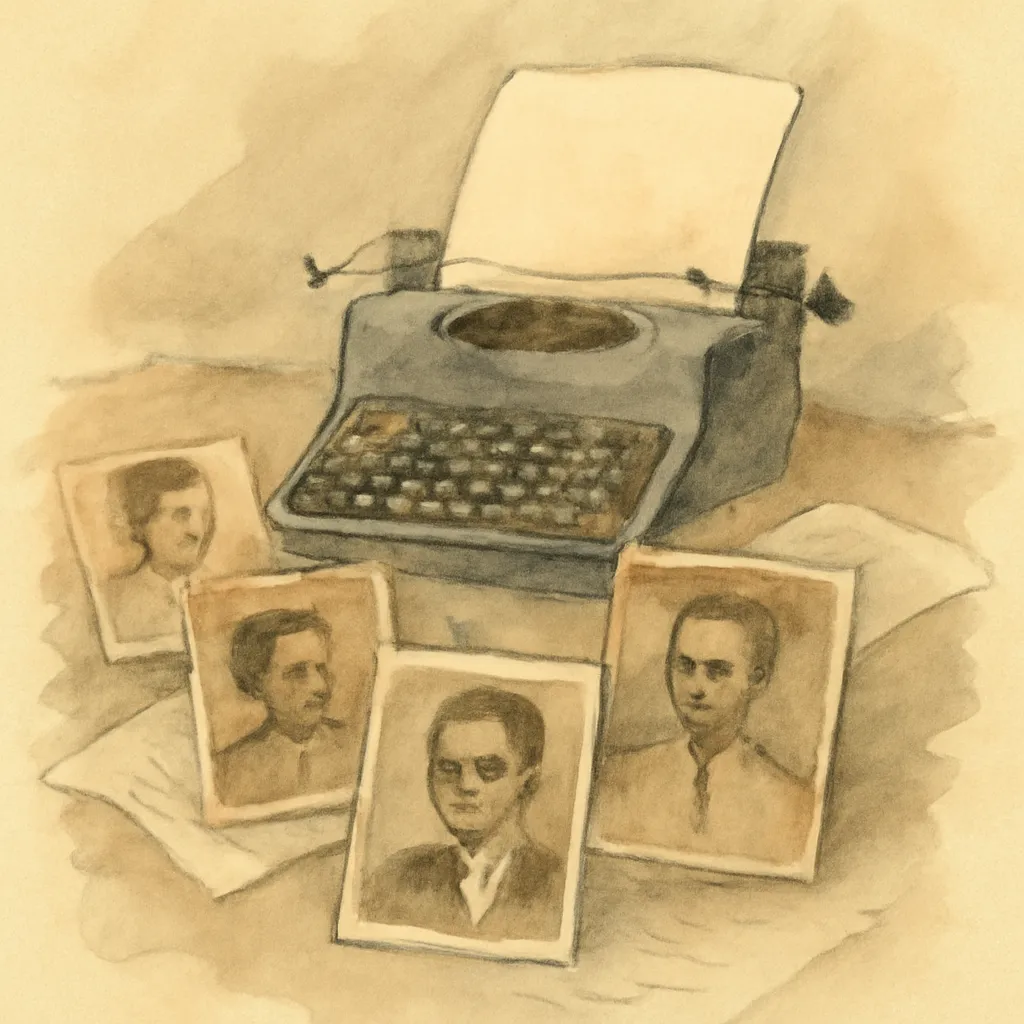
The narrative traces how coverage of race shifted over time—from being virtually nonexistent or filtered through the lens of white Southern editors, to the arrival of black journalists and eventually national media outlets. Each wave of reporting brought new perspectives and greater urgency. The book highlights pivotal moments, such as the Emmett Till murder and the Birmingham church bombing, where graphic reporting and photographs galvanized public outrage and activism.
3.Media Competition and Responsibility
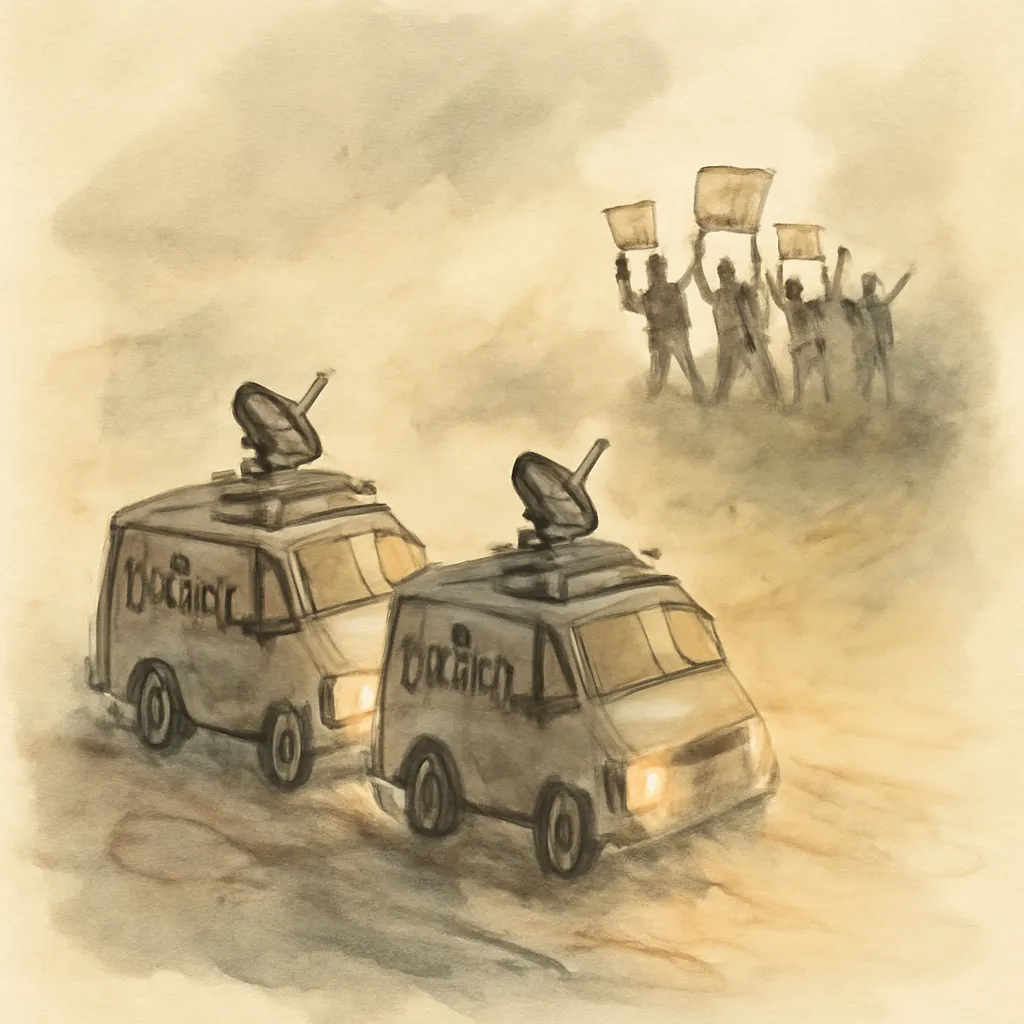
The Race Beat explores how competition among news organizations, especially television networks, intensified coverage of civil rights events. This rivalry sometimes led to sensationalism but also ensured that key stories reached a wide audience. The authors examine the ethical dilemmas faced by journalists: balancing the need for dramatic images and stories with the responsibility to report accurately and sensitively.
4.The Role of Black Journalists
Black reporters and editors played a crucial, often overlooked role in pushing the story of civil rights into the public eye. They provided unique access, insight, and credibility, especially in communities where white journalists were distrusted or barred. The book credits these pioneers with laying the groundwork for broader coverage and challenging the biases of their white colleagues.
5.Journalism’s Limits and Blind Spots
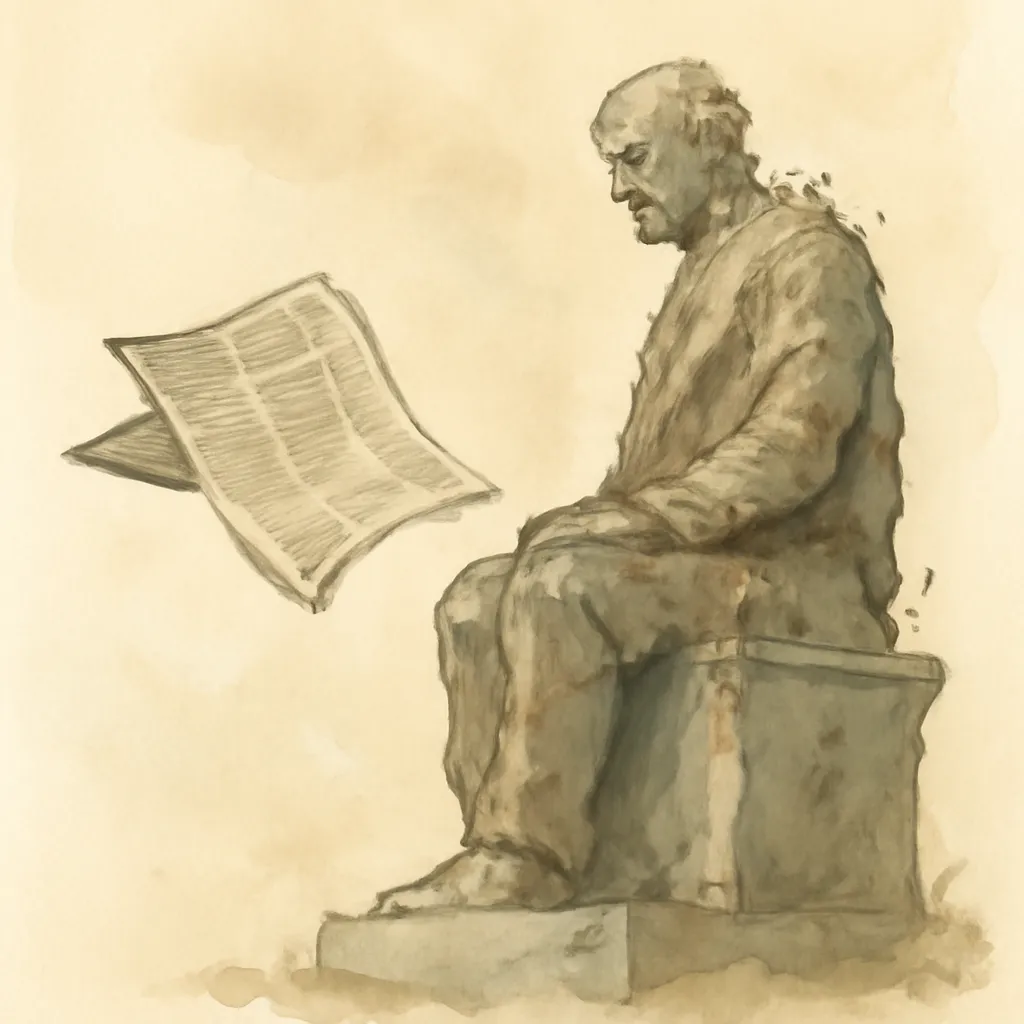
Roberts and Klibanoff do not romanticize the media. They show that many journalists were slow to act, shaped by their own prejudices or fears of alienating readers. Coverage was often uneven, and some stories were ignored or distorted. The book is candid about the limits of journalism’s power, acknowledging both its failures and its transformative moments.
6.Impact on Policy and Public Opinion
The authors demonstrate how sustained news coverage influenced public opinion in the North and pressured politicians to act, culminating in landmark legislation like the Civil Rights Act and Voting Rights Act. The book makes clear that the ‘race beat’ was not just about reporting events, but about shaping the national agenda and the moral consciousness of the country.