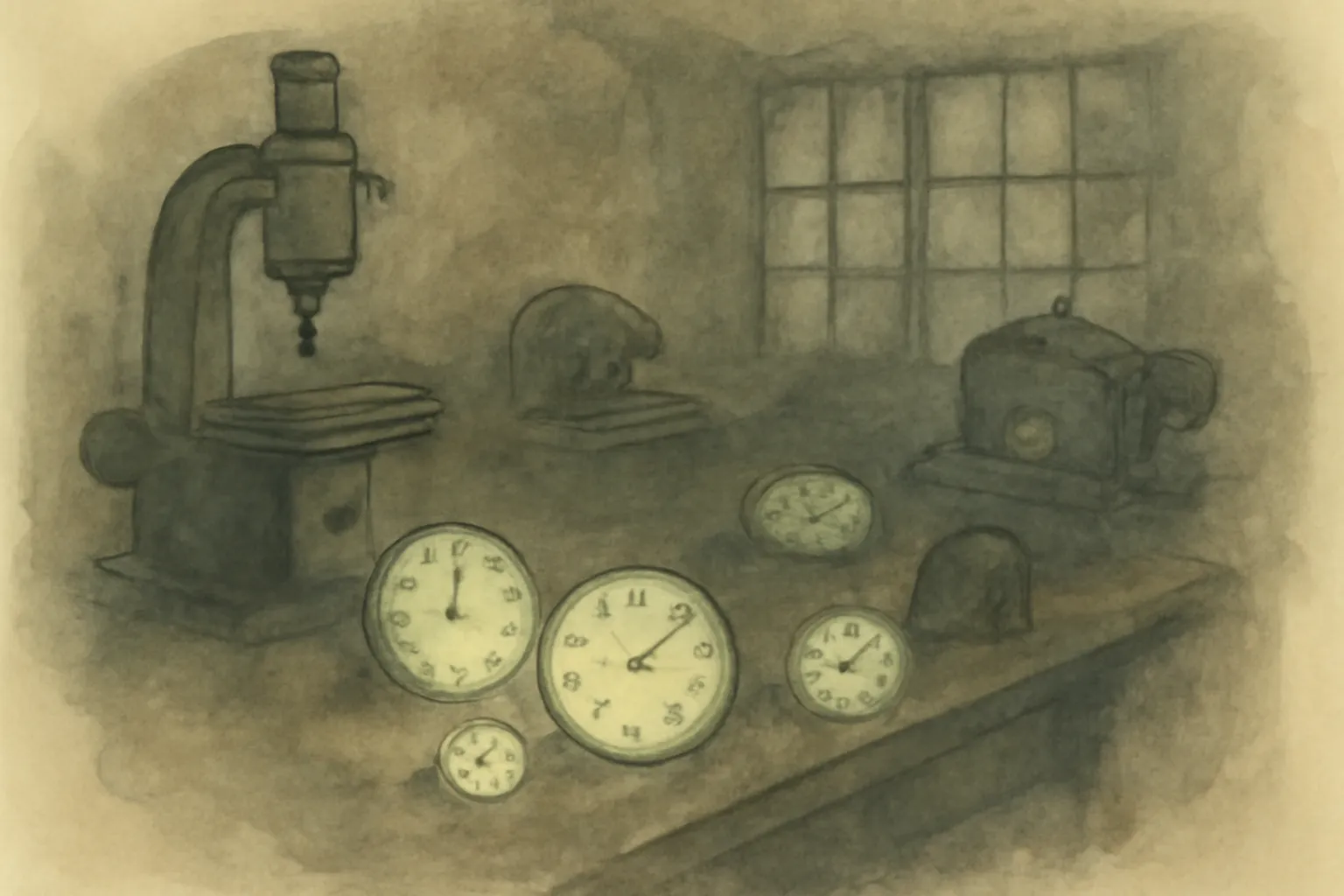
1.Invisible Dangers of Progress
The book illuminates how the pursuit of technological advancement—here, the use of radium for luminous dials—can have unforeseen and devastating human costs. The women, initially celebrated for their work and told radium was harmless, became unwitting victims of industrial negligence. Their suffering exposes the dark underbelly of the era’s blind faith in science and progress, reminding readers that innovation without oversight can be perilous.
2.The Power of Female Solidarity
Central to the narrative is the bond among the 'Radium Girls.' Despite being pitted against powerful corporations and facing skepticism from the public, these women found strength in each other. Their mutual support, shared experiences, and collective action were crucial in their fight for recognition and justice. The book emphasizes how solidarity can empower marginalized groups to challenge injustice, even when the odds seem insurmountable.
3.Corporate Irresponsibility and Cover-Up
Moore meticulously documents the denial and deception practiced by the radium companies. Executives and doctors downplayed or outright concealed the dangers of radium, prioritizing profits over worker safety. This systemic failure to protect employees—and the legal and ethical battles that ensued—serves as a cautionary tale about unchecked corporate power and the necessity of regulatory oversight.
4.Birth of Modern Workplace Safety Laws
The struggles of the Radium Girls were instrumental in shaping American labor laws. Their lawsuits and public advocacy led to landmark changes in occupational health standards, influencing regulations that protect workers today. The book situates their story within the broader history of labor rights, showing how individual suffering can catalyze societal progress.
5.Personal Cost and Human Resilience
Beyond its historical significance, The Radium Girls is a deeply personal story. Moore foregrounds the individual women—their hopes, families, and the ravages of illness they endured. The narrative does not shy away from the physical and emotional toll, but it also highlights their courage and determination. Their resilience in the face of pain and betrayal is both heartbreaking and inspiring.
6.The Power of Storytelling to Drive Change
Moore’s narrative approach—using the women’s own words, letters, and testimonies—brings their voices to life. By personalizing history, the book ensures these women are remembered not just as victims, but as agents of change. Their stories compel readers to reflect on whose voices are heard and valued in society, and how storytelling itself can be a force for justice.