1.The Transition from Comfort to Challenge
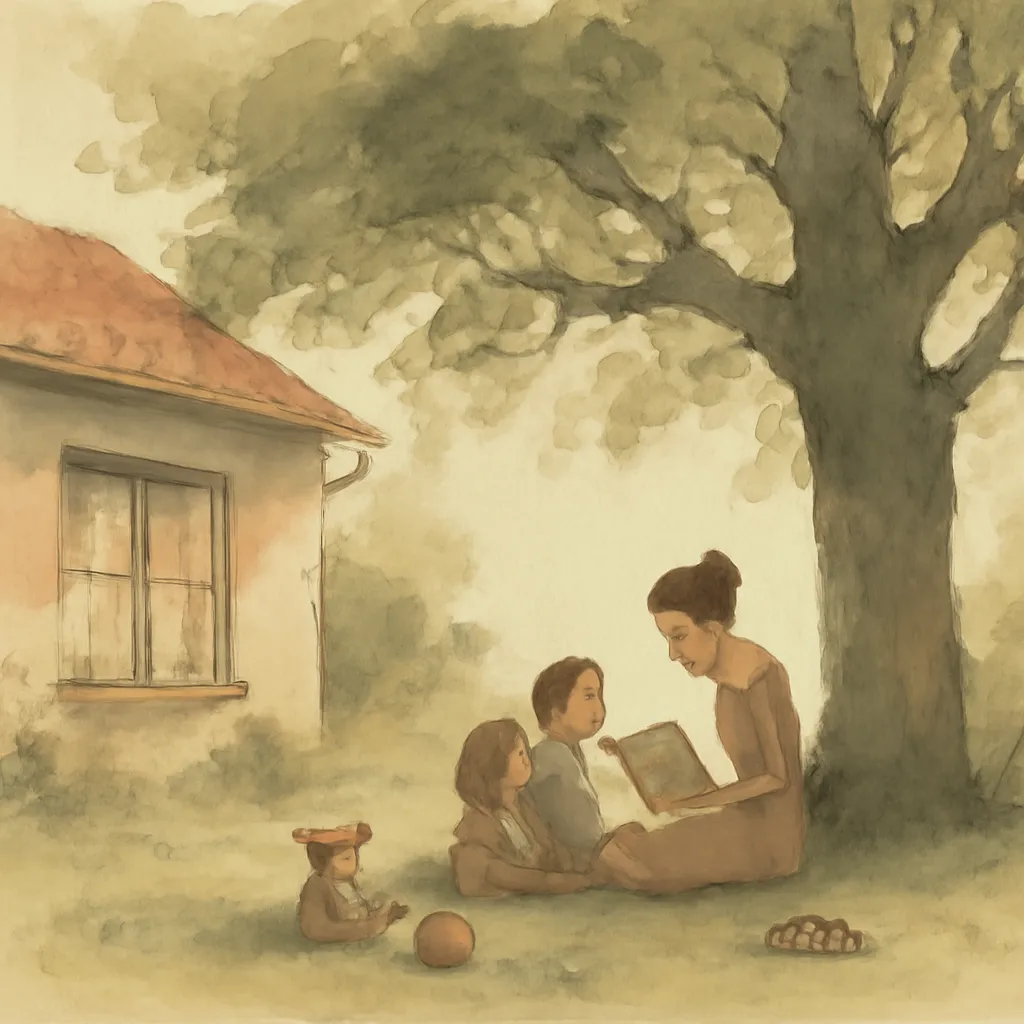
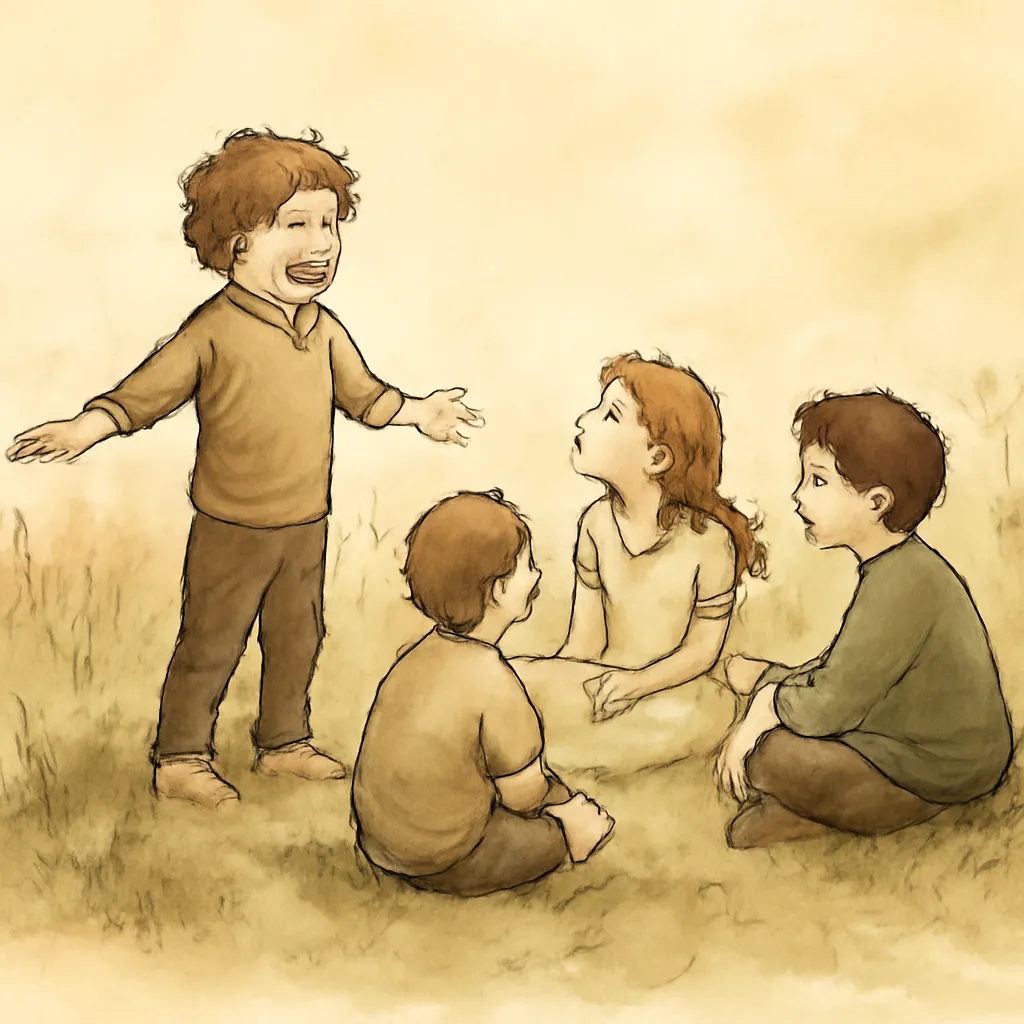
At the story's outset, the children live a charmed life in a suburban villa, filled with toys and the warmth of a loving family. Their mother is actively engaged in their lives, providing them with stories and poetry that enrich their childhood. However, this idyllic existence is abruptly shattered when their father disappears, forcing the family into a new reality of poverty and uncertainty. The shift from their comfortable life to a more austere existence teaches them resilience and adaptability. They come to appreciate the little things, like their mother’s unwavering love and the small joys found in nature and friendship, highlighting how adversity can reveal the true essence of happiness. This transition also marks a coming-of-age moment for the siblings as they learn that life is not solely about their desires but also about facing challenges with courage.
2.The Power of Imagination and Play
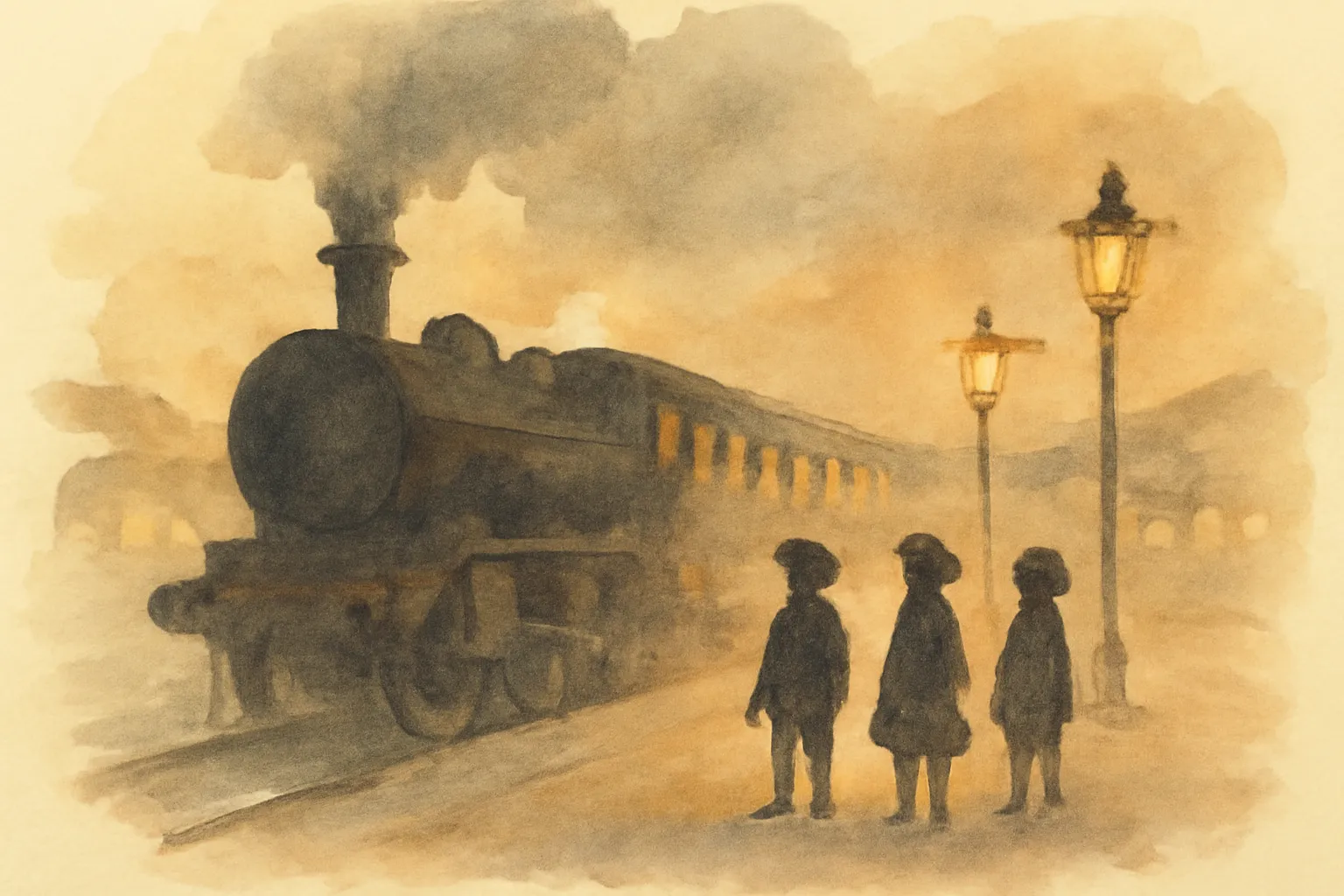
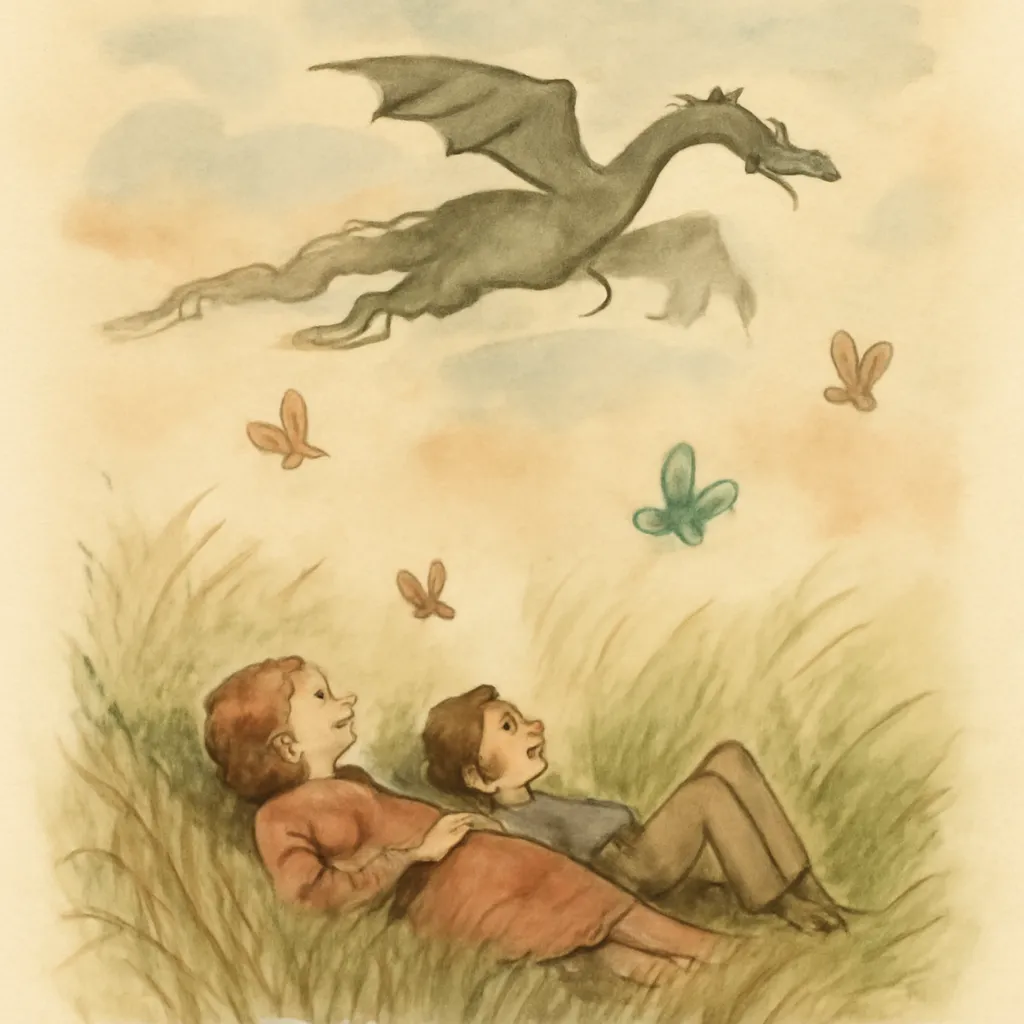
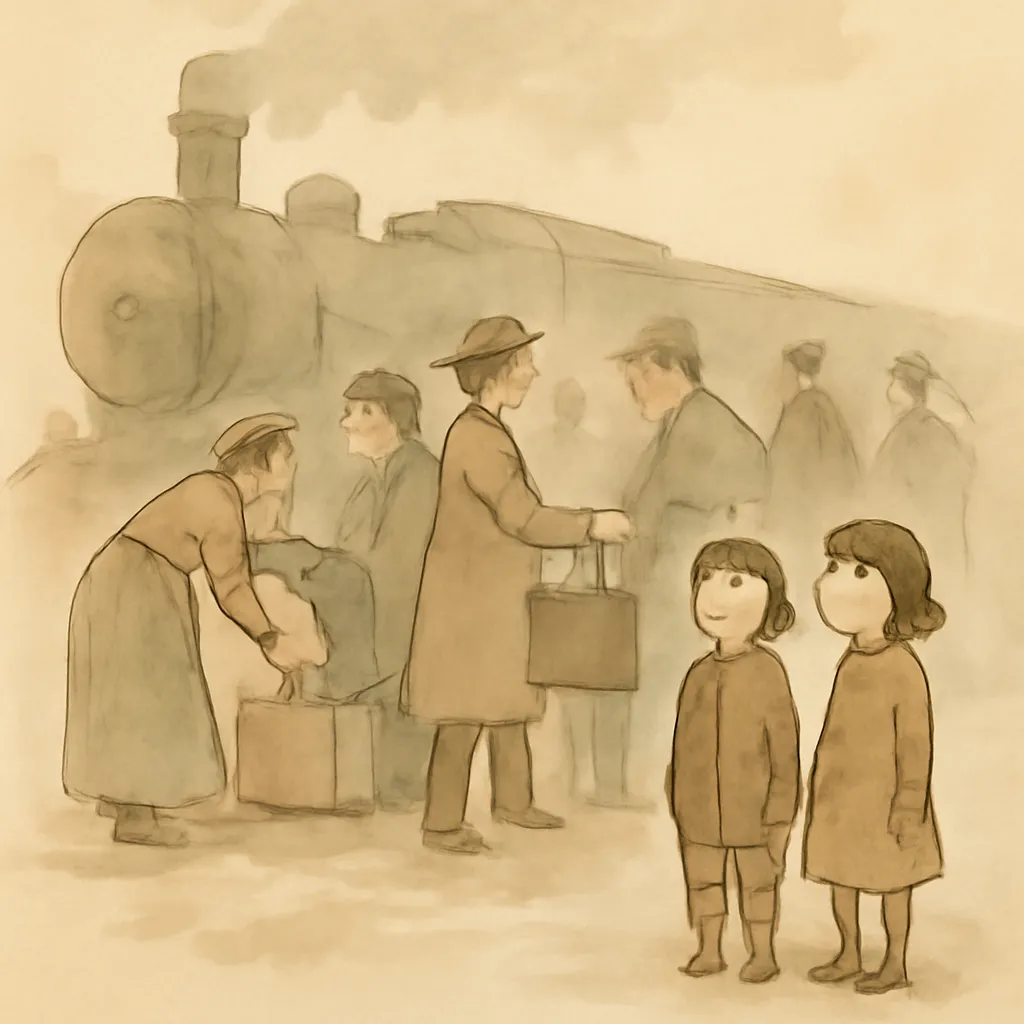
Throughout the narrative, the children’s imaginative play serves as a coping mechanism for their new hardships. They invent names for the trains that pass by their home, like the 'Green Dragon' and the 'Fearsome Fly-by-night,' transforming their mundane surroundings into a magical landscape. This imaginative play not only distracts them from their worries but also fosters a sense of adventure and camaraderie among them. They create elaborate scenarios where trains become characters in their stories, showcasing their ability to escape reality through creativity. This theme underscores the notion that children often possess an innate ability to find joy in the simplest things, using their creativity to turn challenges into opportunities for joy and exploration. It also illustrates how play can be a refuge during difficult times, allowing them to maintain a sense of childhood wonder despite their struggles.
3.Friendship Across Boundaries
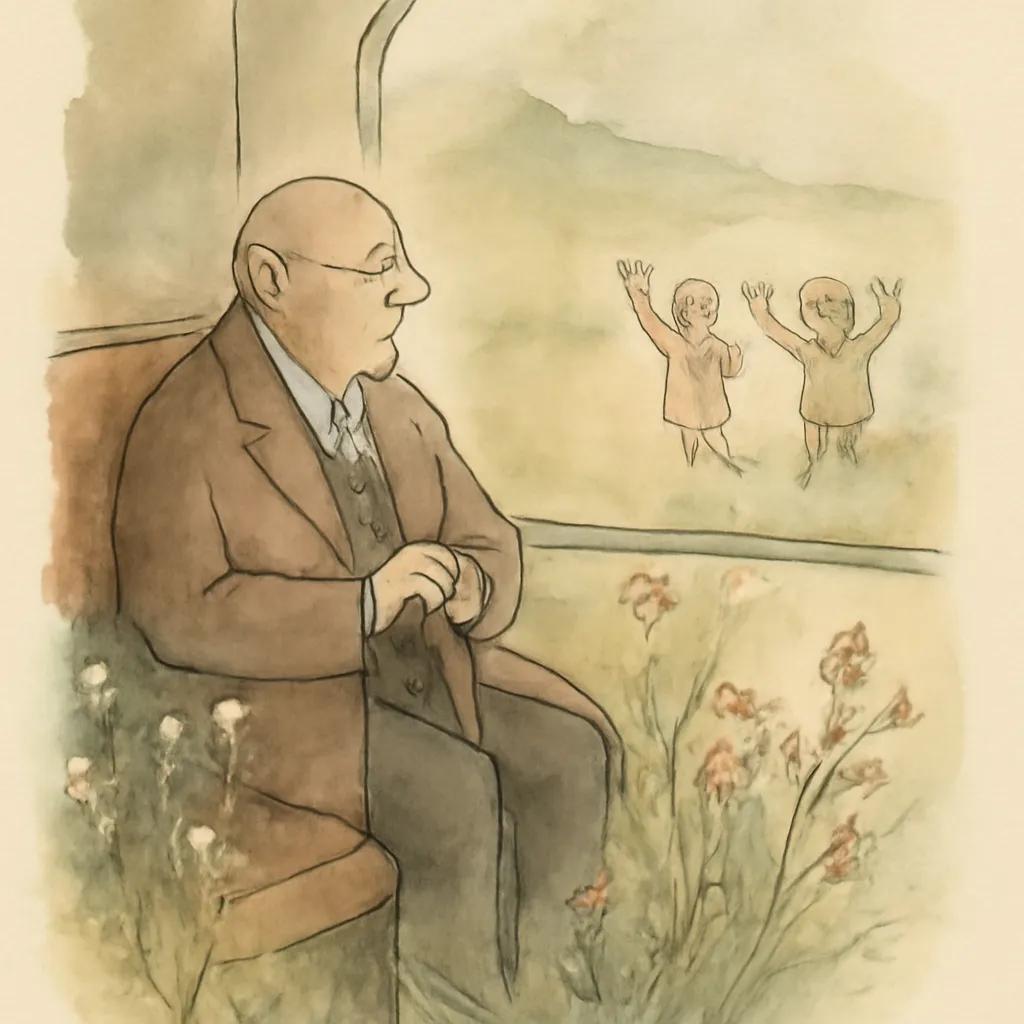
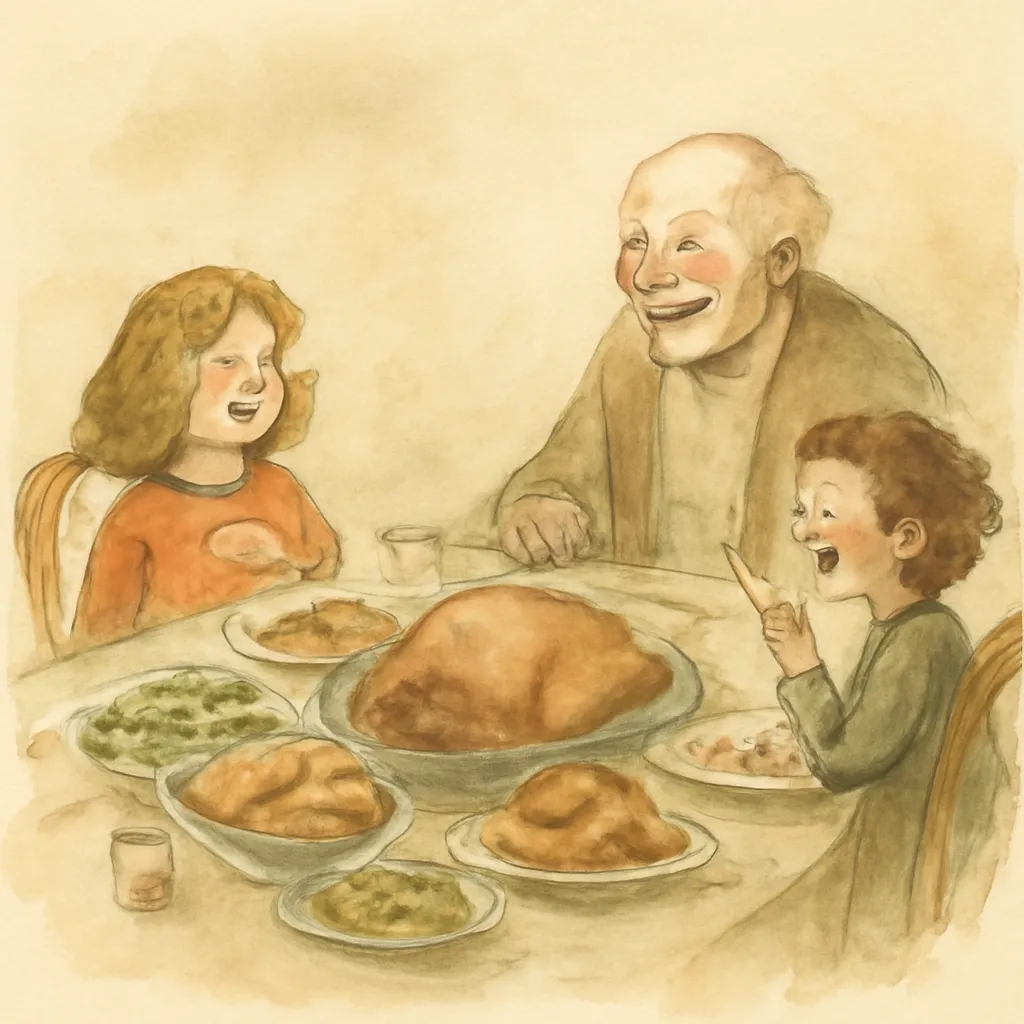
The children’s interactions with the old gentleman symbolize the beauty of unexpected friendships. Initially, he is just a stranger who travels by the trains they admire, but as they wave at him, a bond begins to form. Their kindness in acknowledging him leads to a relationship that transcends social barriers. The old gentleman, who is later revealed to be a wealthy and compassionate individual, reciprocates their kindness by helping them during their times of need. Their friendship illustrates the idea that connections can be formed through simple acts of kindness and recognition, regardless of social status. This connection teaches the children valuable lessons about accepting others and recognizing the humanity in everyone, reinforcing the notion that friendship can flourish in the most unexpected circumstances. It serves as a reminder to readers that genuine connections can enrich our lives and offer support during challenging times.
4.The Impact of Kindness
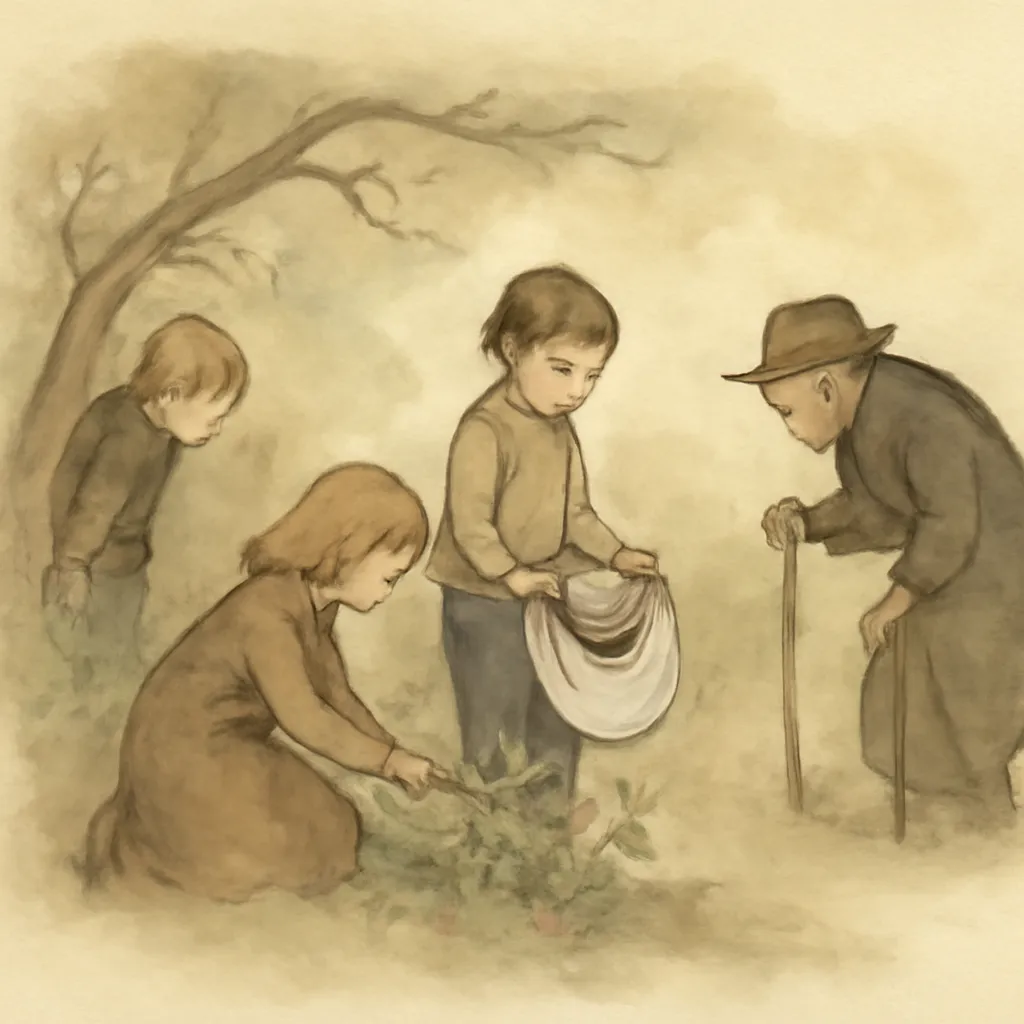
One of the most significant moments in the story occurs when the children decide to help the old gentleman, who is later revealed to be a Russian political prisoner. Their genuine concern and efforts to assist him reflect the theme of altruism. The children's actions not only bring joy to the old gentleman but also help him regain his dignity and hope. This act of kindness not only strengthens their bond but also transforms their lives, illustrating how selfless acts can lead to profound changes in both the giver and the receiver. It emphasizes the idea that kindness is a powerful force that can uplift spirits and foster community. Their willingness to help someone in need serves as a moral lesson, reinforcing the idea that even the smallest acts of kindness can have a lasting impact on others’ lives. The story encourages readers to reflect on how they can contribute positively to the lives of those around them.
5.Facing Fears and Uncertainties
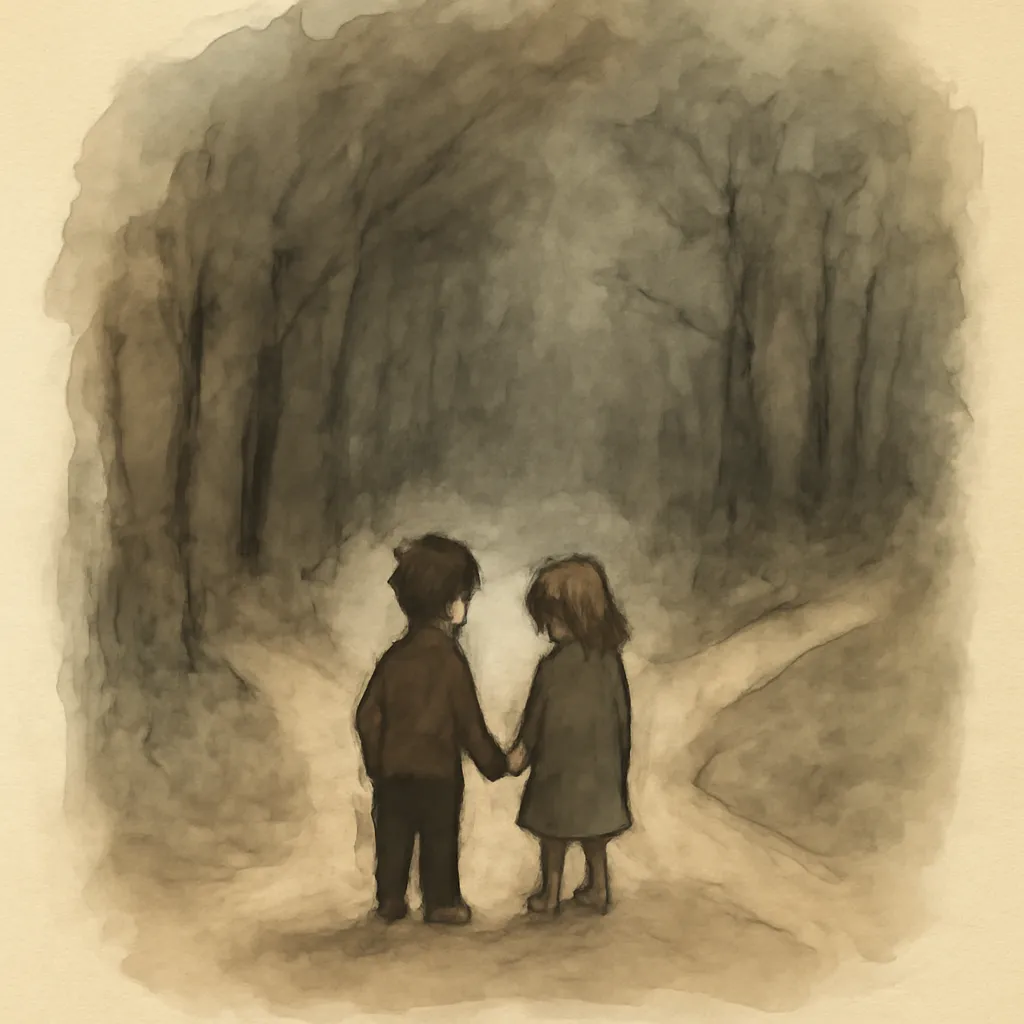
As the children navigate their new life, they encounter fears and uncertainties, particularly regarding their father's absence. They grapple with the emotional turmoil of not knowing where he is or when he will return. Bobbie, the eldest, embodies this struggle as she attempts to keep her family together while dealing with her own worries. This internal conflict highlights the theme of facing fears head-on, as the children learn to support each other through their struggles. Their resilience in the face of uncertainty serves as a powerful reminder that, despite life's unpredictability, love and family can provide a safe harbor. Each sibling reacts differently to their father’s absence—while Peter tries to remain strong, Phyllis expresses her fears openly. This diversity in their reactions showcases the complexity of emotions children experience and the importance of unity in overcoming adversity.
6.The Role of Motherhood
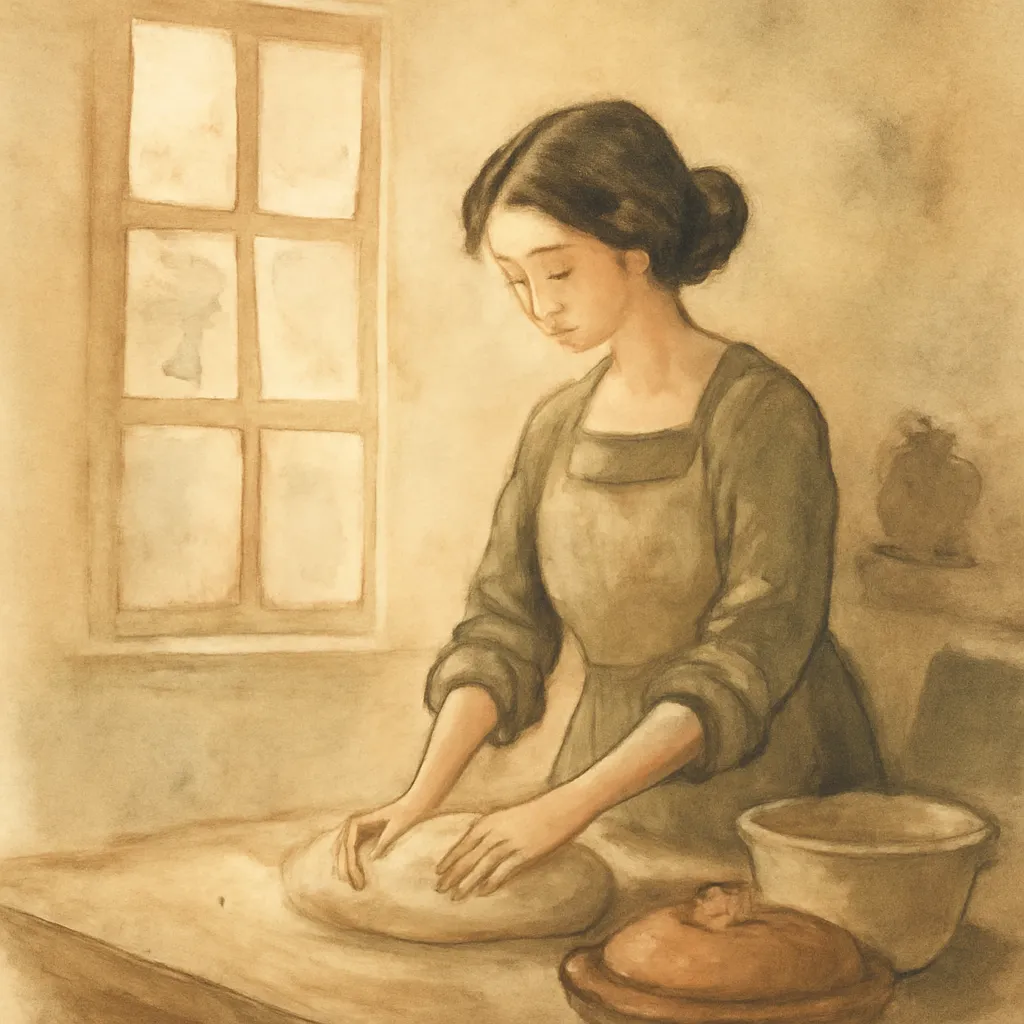
The children's mother plays a crucial role in their lives, embodying strength and resilience. Despite the challenges they face, she remains a source of comfort and guidance for her children. Her ability to maintain a sense of normalcy and joy, even in dire circumstances, showcases the strength of motherhood. She not only cares for her children but also protects them from the harsh realities of their situation, embodying the idea that love can shield and nurture. Her character illustrates the profound impact a mother can have on her children's emotional well-being, highlighting the importance of familial bonds in overcoming adversity. The way she adapts to their new life, continually encouraging her children, reinforces the idea that true strength lies in nurturing those around us. She embodies resilience, reminding readers that a mother's love is a powerful force that can help children navigate life's difficulties.
7.The Importance of Community
The story also emphasizes the significance of community and how individuals come together in times of need. The children form relationships with various characters in their new environment, including Perks the Porter, who becomes a dear friend. These interactions illustrate how community support can provide comfort and strength during challenging times. The children learn that they are not alone in their struggles and that there are kind-hearted individuals willing to lend a helping hand. Perks, with his warmth and friendliness, embodies the spirit of community, showing that support can come from unexpected places. This theme resonates deeply, reminding readers of the importance of connection and support in fostering resilience. The children's evolving relationship with their community reflects the idea that when individuals unite and support each other, they can overcome even the most daunting challenges.
8.The Journey of Self-Discovery
As the children face various trials, they embark on a journey of self-discovery. Each sibling learns valuable lessons about responsibility, empathy, and the importance of standing up for what is right. Roberta, in particular, demonstrates remarkable growth as she takes on a leadership role, ensuring her siblings remain hopeful and united. Her character development reflects the idea that challenges can lead to personal growth and maturity. She learns to navigate her emotions and takes the initiative to help others, showing that self-discovery often occurs in the context of helping those around us. This journey resonates with readers, illustrating that through adversity, individuals can emerge stronger and more self-aware. The siblings’ collective experiences teach them about sacrifice, love, and the value of standing together in the face of adversity, emphasizing that personal growth is often intertwined with the growth of relationships.
9.The Power of Hope and Resilience
Throughout 'The Railway Children,' the themes of hope and resilience are woven into the fabric of the narrative. Despite their hardships, the siblings maintain a sense of optimism, believing that their father will return and that better days lie ahead. Their unwavering hope fuels their actions and decisions, guiding them through difficult times. This powerful message serves as a reminder that hope can be a guiding light, helping individuals navigate life's challenges. The children’s ability to remain hopeful in the face of uncertainty demonstrates the strength of the human spirit. This theme resonates with readers, reinforcing the idea that resilience, coupled with hope, can empower individuals to overcome obstacles and find joy even in the darkest of times. The story encourages readers to cultivate hope and resilience in their own lives, emphasizing that these qualities can lead to brighter tomorrows.
10.The Legacy of Kindness
In the end, the children's acts of kindness and their relationships with others leave a lasting impact on their lives. The old gentleman, who becomes a part of their family, represents the notion that kindness can create lasting connections. Their experiences teach them that the relationships they build through acts of kindness enrich their lives and the lives of those around them. This legacy of kindness is a central theme in the story, reminding readers that the bonds formed through compassion and understanding can transcend time and circumstance, creating a ripple effect of goodness in the world. The children learn that their actions have the potential to change lives for the better, instilling a sense of responsibility to act kindly towards others. This overarching message about the power of kindness serves as a guiding principle, encouraging readers to actively cultivate empathy and goodwill in their own lives.