A haunting memoir of family, violence, and the search for truth in the shadow of an unsolved murder.
The Red Parts is Maggie Nelson’s riveting exploration of her family’s trauma after her aunt’s 1969 murder, blending memoir, true crime, and cultural criticism. Readers are invited into a deeply personal reckoning with violence, justice, and the limits of knowledge, as Nelson confronts both the facts of the case and the emotional legacy it left behind. This book is for those interested in how true crime stories intersect with the lives of real people, and what it means to seek closure when answers remain elusive.
Maggie Nelson is an acclaimed poet, essayist, and critic known for her incisive explorations of trauma, gender, and narrative. Her personal connection to the subject matter and her background in both creative and scholarly writing make her uniquely qualified to tackle the complexities of this story.
Key ideas
1.Personal and Collective Grief
Nelson uses her own family’s experience as a lens to examine how grief is both intimate and collective. She explores the ways trauma reverberates across generations, shaping identities and family dynamics. The book delves into how unresolved violence lingers, not only as a historical fact but as a living presence in the lives of survivors. Nelson’s willingness to expose her own vulnerability makes the narrative emotionally resonant and universally relevant.
2.The Ethics of True Crime
The Red Parts interrogates the public’s fascination with true crime and the ethical dilemmas it creates. Nelson is acutely aware of the tension between storytelling and exploitation, questioning what it means to write about real suffering—especially when it’s your own family’s. She scrutinizes the media spectacle surrounding murder trials and the ways in which victims’ stories are appropriated, sensationalized, or misunderstood.
3.The Elusiveness of Truth and Closure
Central to the book is the idea that truth and closure are often unattainable. Nelson details the reopening of her aunt’s case decades later, and the subsequent trial, only to find that legal proceedings and new evidence do not necessarily bring clarity or peace. The narrative resists the neat resolutions common in crime stories, instead embracing ambiguity and the ongoing nature of grief and uncertainty.
4.Gender, Violence, and Cultural Narratives
Nelson situates her aunt’s murder within broader patterns of violence against women, examining how such crimes are framed in public discourse. She reflects on the cultural scripts that shape our understanding of female victims, the expectations placed on women to be careful, and the failures of institutions to protect them. The book becomes a meditation on vulnerability, misogyny, and the stories society tells about women’s lives and deaths.
5.The Limits and Power of Narrative
Throughout The Red Parts, Nelson grapples with the role of narrative in making sense of trauma. She is skeptical of the idea that telling the story will bring healing, yet she also acknowledges the necessity of bearing witness. The book is as much about the act of writing as it is about the events themselves, exploring how language can both illuminate and obscure, connect and isolate.
6.Family Secrets and Memory
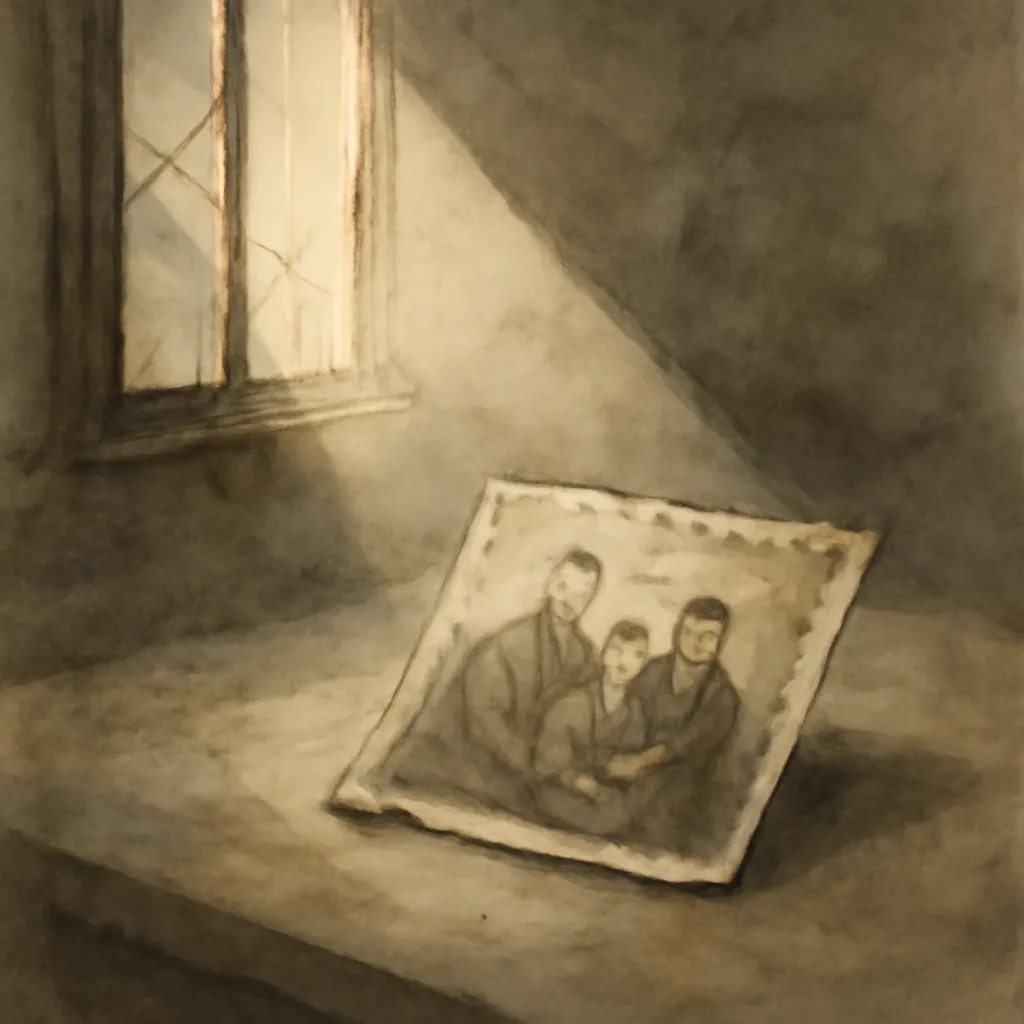
Nelson’s investigation into her aunt’s murder unearths not only public records but also family secrets, half-remembered details, and the unreliability of memory. She examines how families construct their own versions of the past, sometimes to protect themselves, sometimes to fill in gaps left by official narratives. The book highlights the tension between private and public histories, and the difficulty of reconciling them.
Key takeaways
- ◆Grief can be both personal and collective, shaping families for generations.
- ◆True crime stories raise ethical questions about storytelling and exploitation.
- ◆Legal closure does not always equal emotional closure.
- ◆Violence against women is often sensationalized and misunderstood.
- ◆Narratives can both help and hinder our understanding of trauma.
In conclusion
The Red Parts is a powerful, unsettling meditation on the aftermath of violence and the search for meaning in its wake. Maggie Nelson’s blend of memoir, reportage, and cultural critique challenges the conventions of true crime and refuses easy answers. Readers looking for a thoughtful, emotionally honest exploration of family, justice, and the limits of knowledge will find this book both moving and provocative.