1.The Red Queen Hypothesis
Ridley introduces the 'Red Queen' hypothesis, named after the character in Lewis Carroll's Through the Looking-Glass, who must keep running just to stay in the same place. In evolutionary terms, this means that organisms must constantly adapt and evolve not just for progress, but simply to survive amid ever-changing threats—especially from parasites and pathogens. This perpetual race explains why sexual reproduction, despite its costs, persists: it creates genetic diversity that helps species keep up with rapidly evolving enemies.
2.Sex as an Evolutionary Strategy
The book explores why sex, rather than asexual reproduction, dominates among complex organisms. Sexual reproduction shuffles genes, producing offspring with new combinations that may resist disease or adapt better to environmental changes. Ridley argues that sex is less about reproduction per se and more about outpacing parasites and competitors, making it a central engine of evolutionary innovation.
3.Sexual Selection and Human Nature
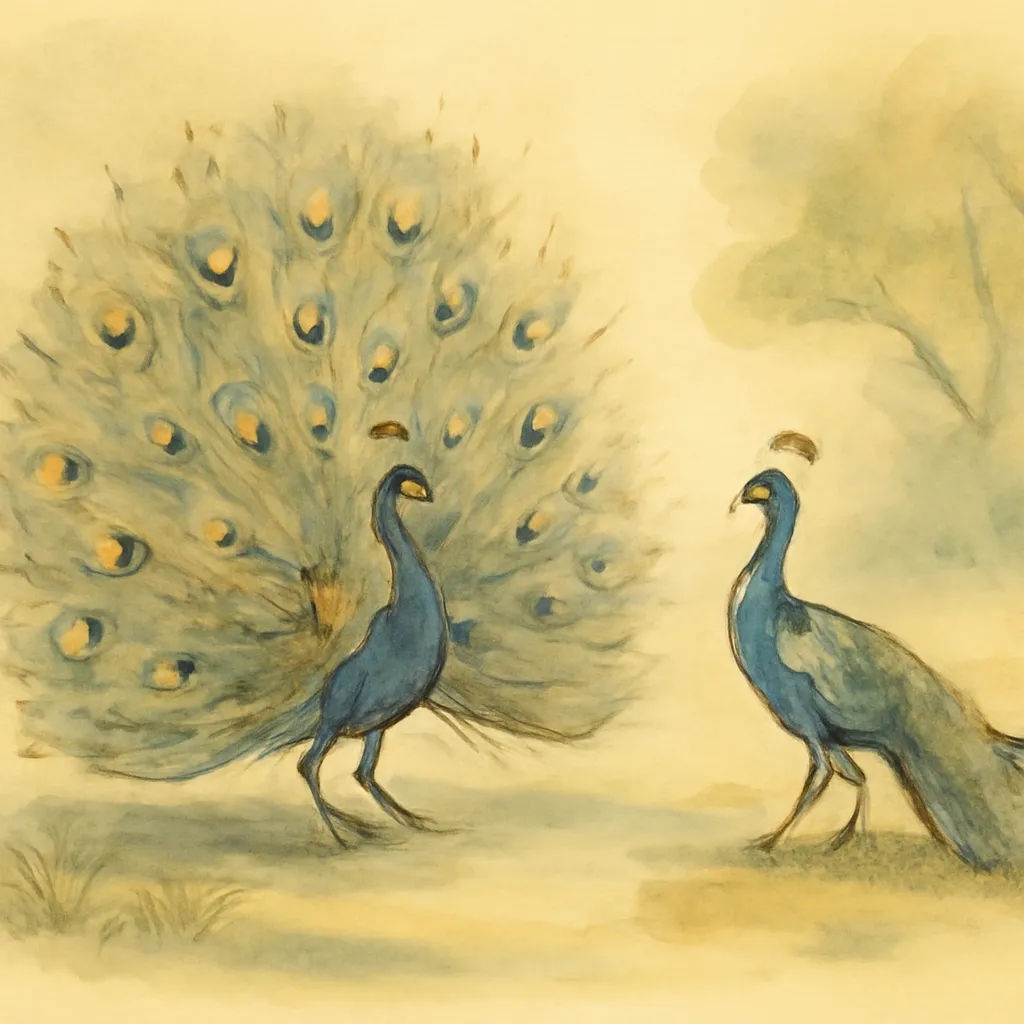
Ridley delves into the concept of sexual selection—the idea that traits can evolve not just for survival, but to attract mates. He examines how this has shaped human behavior, from physical attractiveness to complex social rituals. The book suggests that many aspects of human psychology, including intelligence and creativity, may have evolved as displays to attract partners, rather than as direct survival tools.
4.The Evolutionary Arms Race
A recurring theme is the 'arms race' between species—especially between hosts and their parasites. As one side evolves a new defense, the other evolves a counterattack. This dynamic, Ridley argues, is a fundamental driver of evolutionary change, and sexual reproduction is a key weapon in this ongoing battle. The Red Queen metaphor captures the ceaseless, competitive nature of life.
5.Human Sexuality and Social Structures
Ridley applies evolutionary logic to human sexuality, monogamy, and social systems. He explores why humans form pair bonds, the evolutionary roots of jealousy, and the biological underpinnings of infidelity. The book provocatively links the structure of societies to reproductive strategies, suggesting that much of human culture can be traced to the pressures of sexual selection.
6.Implications for Modern Society
While rooted in biology, The Red Queen also speculates on the implications of evolutionary thinking for modern life. Ridley discusses how understanding our evolutionary past can shed light on contemporary issues like sexual behavior, gender roles, and even the persistence of certain diseases. He cautions against simplistic 'nature versus nurture' debates, emphasizing the complex interplay between biology and culture.