1.Coming of Age Amidst Chaos
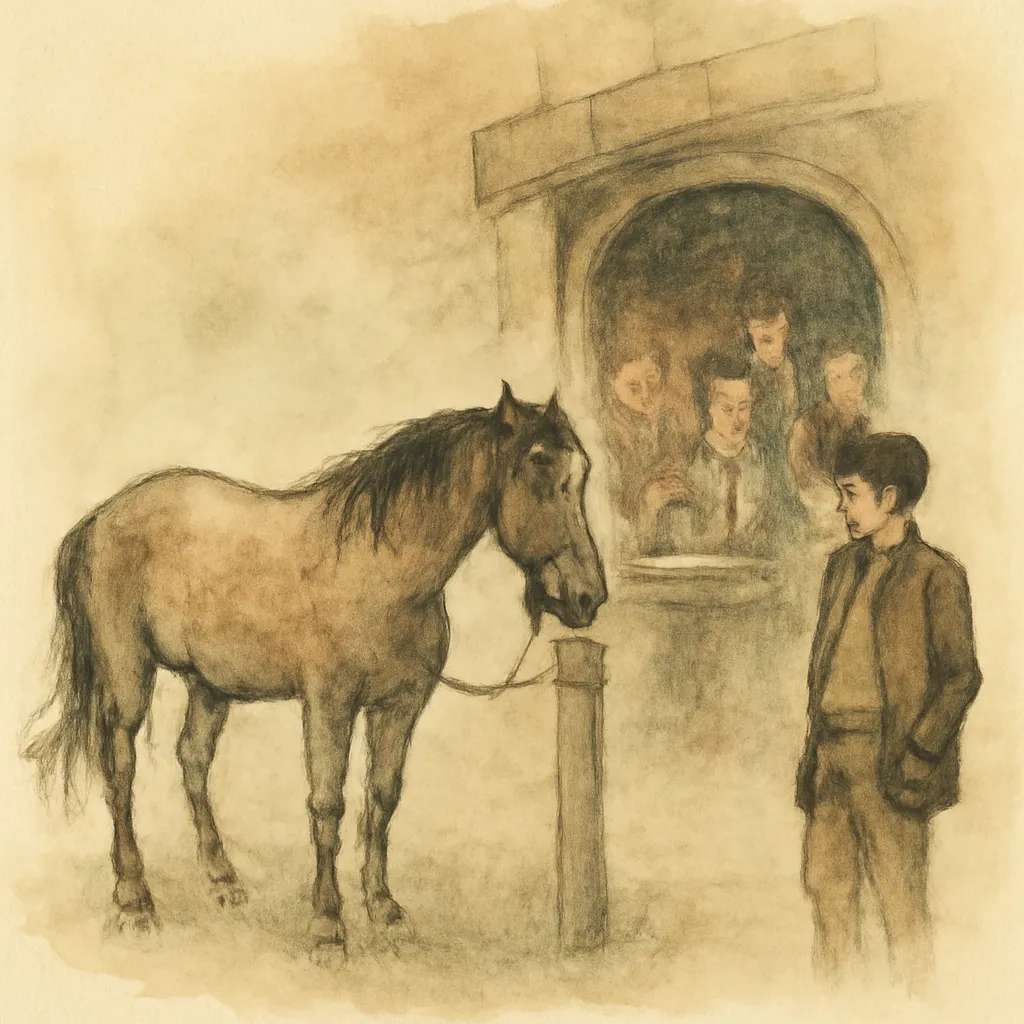
The Reivers centers on young Lucius Priest, whose impulsive journey to Memphis with two older companions becomes a rite of passage. Through misadventures involving stolen cars, horse races, and brothels, Lucius is forced to confront the complexities of adulthood, morality, and personal responsibility. Faulkner uses Lucius’s innocence as a lens to explore how we learn to navigate a world full of ambiguous choices and unexpected consequences.
2.The Changing South
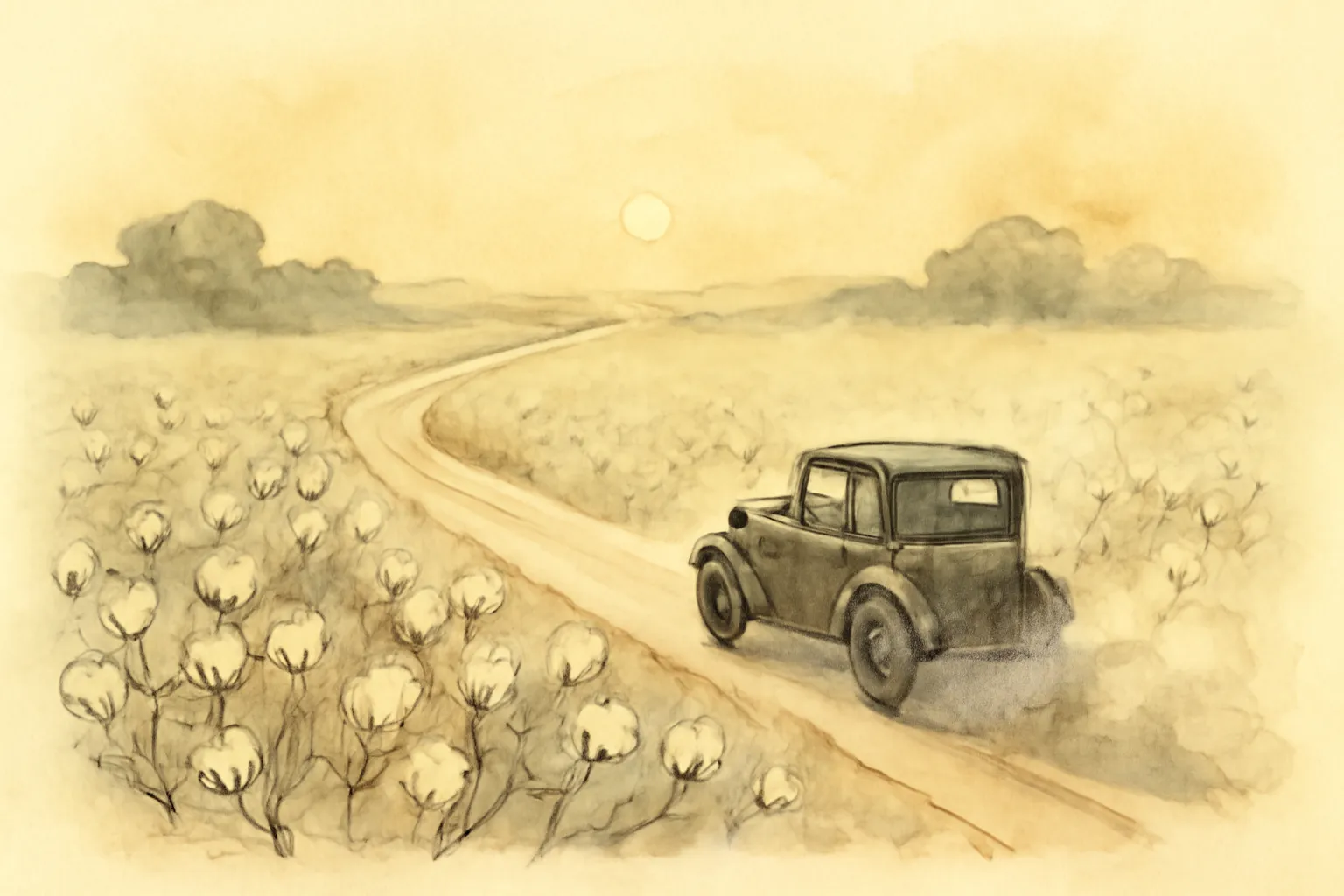
Set in 1905, the novel captures a Mississippi—and a South—on the cusp of transformation. The arrival of the automobile symbolizes the encroachment of modernity on traditional ways of life. Faulkner lovingly details the quirks of Southern society, but also acknowledges its contradictions and prejudices. The journey north to Memphis becomes a metaphor for the region’s transition from old to new, innocence to experience.
3.Morality in a Gray World
Faulkner complicates the idea of right and wrong. The central act—'borrowing' the car—is technically theft, yet it’s presented with comic warmth. Characters operate within their own moral codes, and the narrative invites readers to question rigid definitions of virtue and vice. The Reivers suggests that growing up means accepting ambiguity and learning empathy for others’ circumstances.
4.Comedy and Human Folly
Unlike Faulkner’s darker works, The Reivers is infused with humor and affection for its characters’ foibles. The escapades of Boon, Ned, and Lucius are often farcical, but the laughter is underpinned by genuine insight into human weakness and resilience. Faulkner uses comedy as a way to explore deeper truths about family, loyalty, and redemption.
5.Storytelling and Memory
The novel is framed as a reminiscence, with Lucius as an old man recalling his youthful adventure. This narrative device allows Faulkner to play with the reliability of memory and the way stories shape identity. The Reivers becomes not just a tale of adventure, but a meditation on how we construct meaning from our past.
6.Race and Social Hierarchy
Through the character of Ned McCaslin, an African American family retainer, Faulkner explores the complexities of race and class in the early 20th-century South. Ned’s cunning and agency challenge stereotypes, yet the novel doesn’t shy away from depicting the limitations imposed by a racially stratified society. The relationships among the trio subtly critique the era’s social order.