1.History Repeats: Old Economic Threats Return
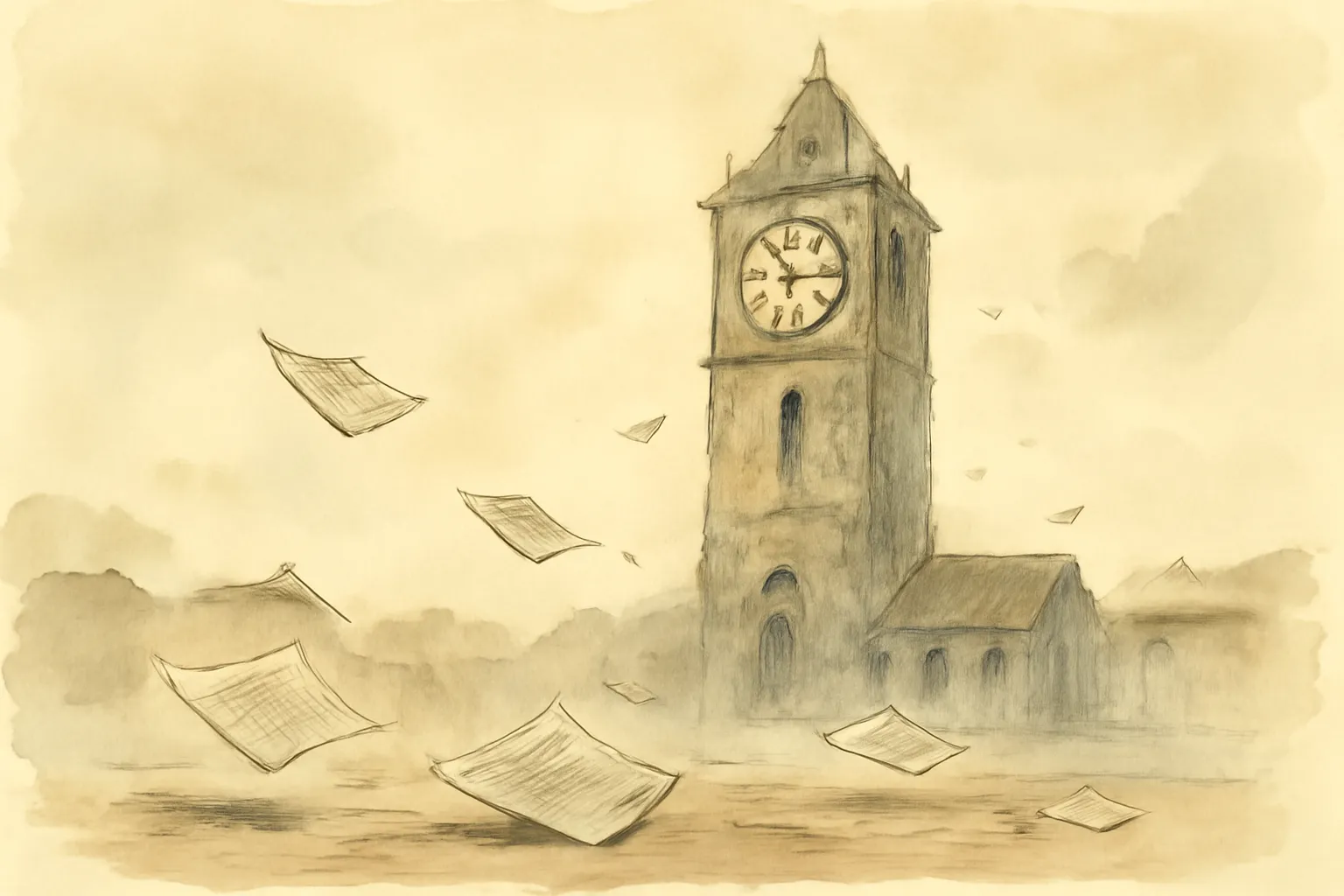
Krugman argues that the economic maladies thought to be banished after the Great Depression—bank runs, panics, and self-reinforcing downturns—have returned in new forms. The crises of the 1990s in Asia and Latin America, and later the 2008 financial meltdown, echo the same dynamics that devastated economies in the 1930s. The book warns against complacency, stressing that modern financial systems are not immune to old-fashioned instability.
2.The Power and Peril of Financial Globalization
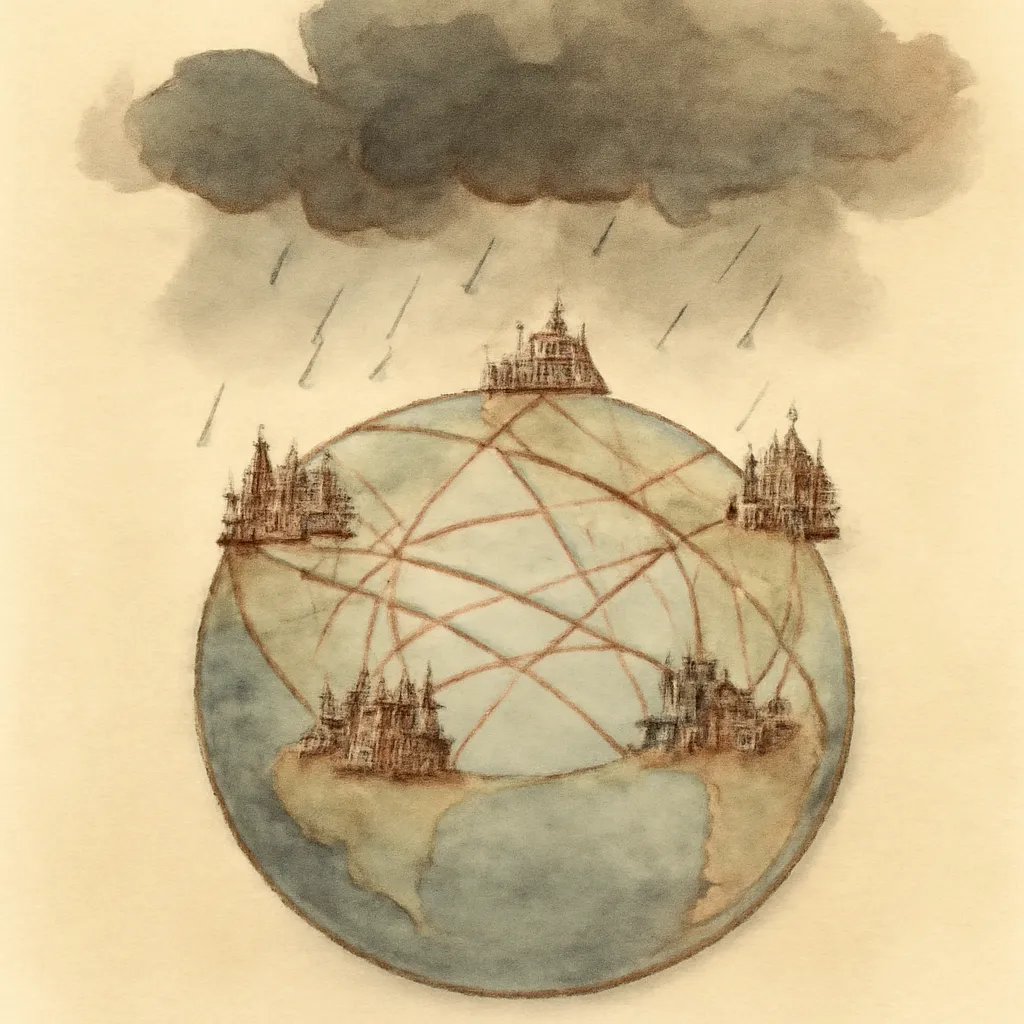
Krugman highlights how the rapid globalization of finance has increased both opportunities and risks. Capital can now move across borders with unprecedented speed, but this also means that panic and contagion can spread just as quickly. The Asian financial crisis serves as a case study of how speculative attacks and sudden reversals of investor confidence can cripple entire economies, especially when regulation and oversight lag behind innovation.
3.Market Irrationality and Self-Fulfilling Crises
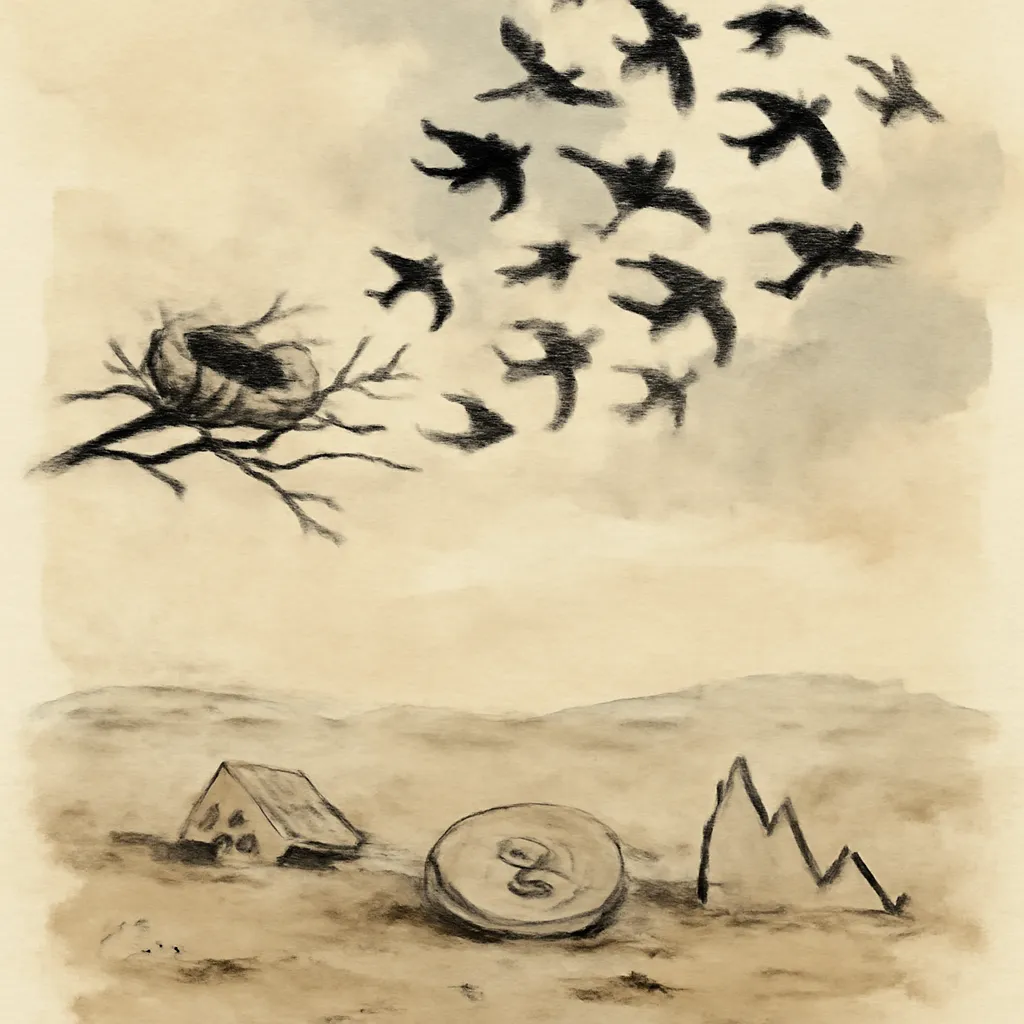
A central theme is that markets are not always rational. Krugman explains how fear and herd behavior can trigger self-fulfilling prophecies: if enough people believe a bank or currency is doomed, their actions can make it so. This undermines the idea that markets always self-correct and supports the case for active government intervention during crises.
4.The Limits of Monetary Policy
Krugman discusses the limitations of traditional monetary tools—like lowering interest rates—when economies are in deep trouble. In situations resembling the Great Depression or Japan’s 'lost decade,' even zero interest rates may not be enough to spur recovery. This challenges the belief that central banks can always rescue economies with monetary tweaks alone.
5.The Essential Role of Government Intervention
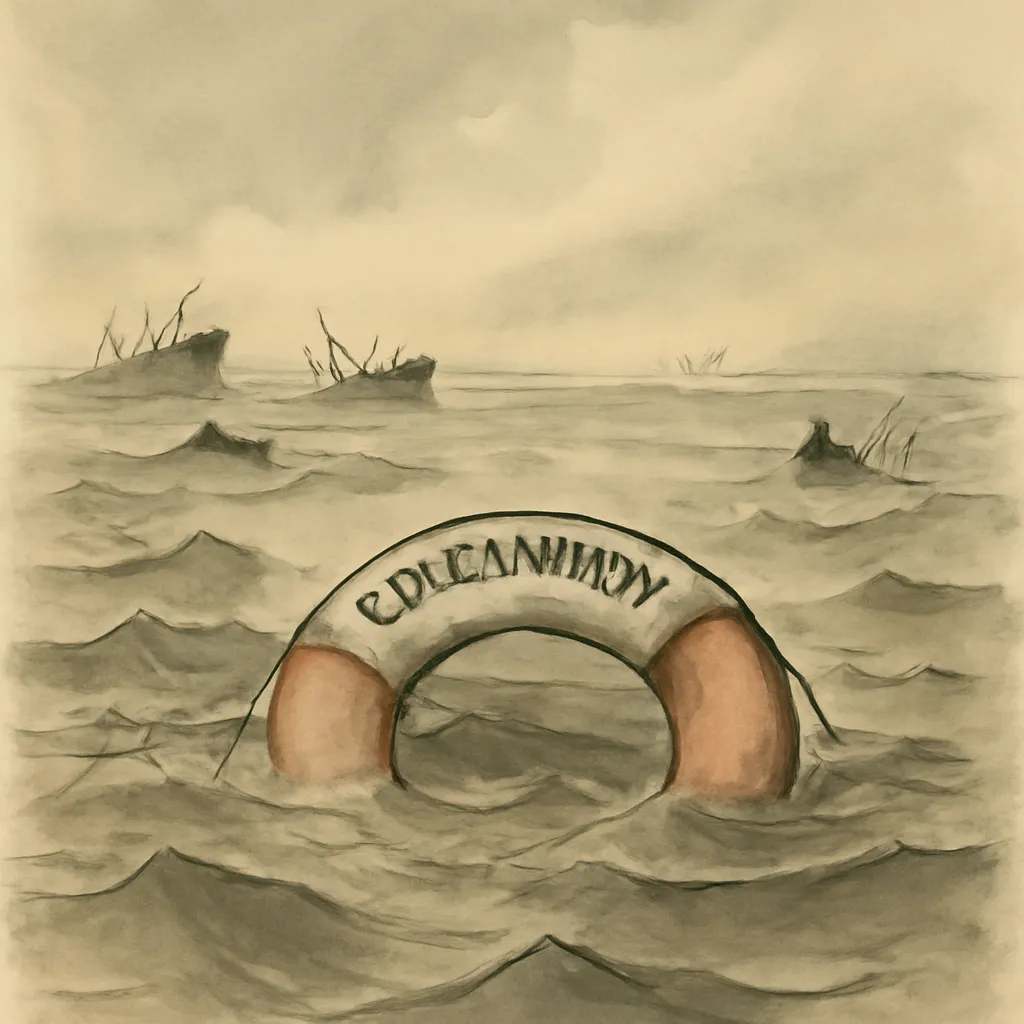
The book makes a forceful argument for decisive government action in times of crisis. Krugman contends that only public institutions have the power and credibility to halt panics, guarantee deposits, and stimulate demand when private actors are paralyzed by fear. He criticizes the ideological resistance to intervention, noting that inaction can turn recessions into depressions.
6.Financial Regulation: A Moving Target
Krugman warns that financial innovation often outpaces regulation, creating new vulnerabilities. The proliferation of complex financial instruments and shadow banking in the 2000s, for example, left regulators ill-equipped to foresee or prevent disaster. He calls for smarter, more adaptive oversight to keep up with the evolving financial landscape.