1.The Nature of Egdon Heath
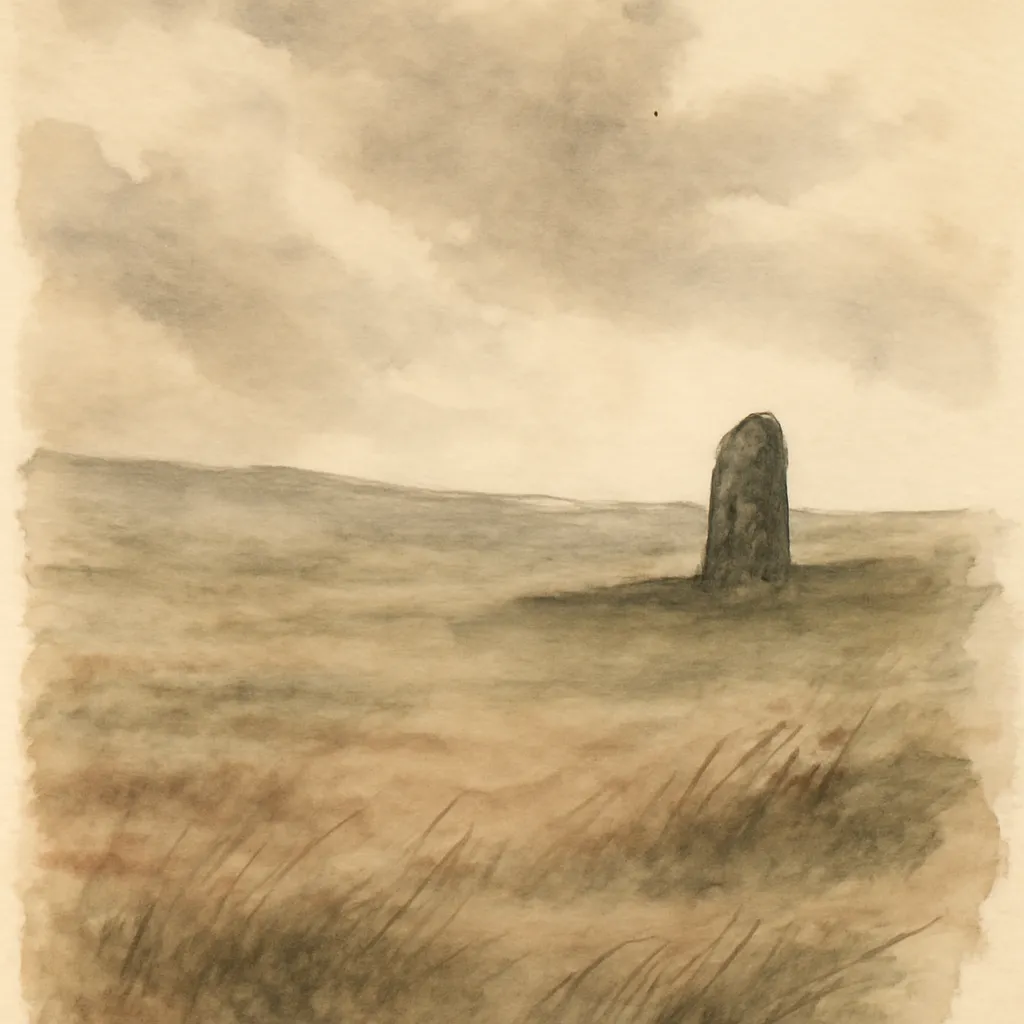
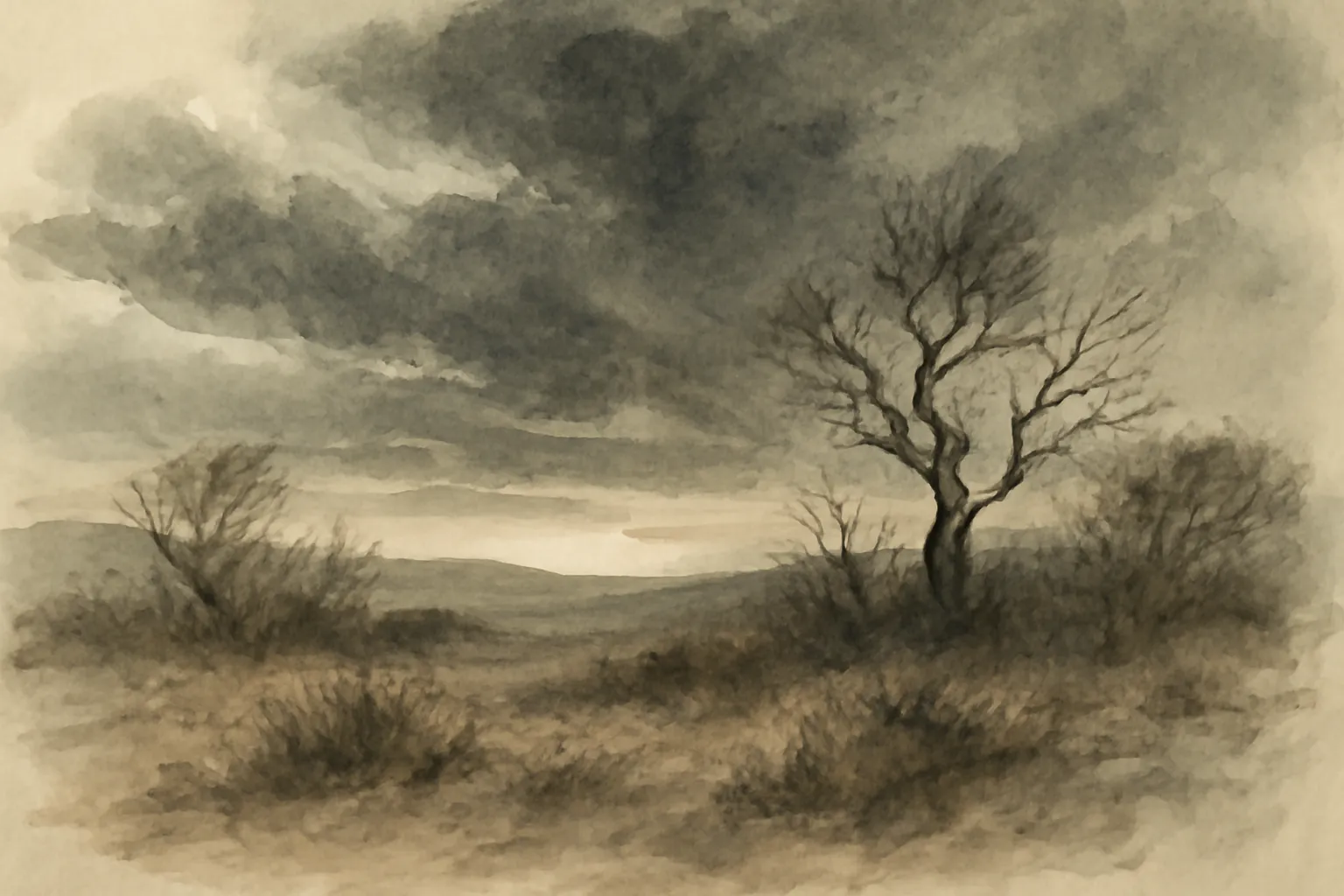
Egdon Heath transcends its role as a mere setting; it is a living entity that embodies the themes of isolation and the relentless passage of time. Hardy describes the heath as a vast, barren landscape where the merging of earth and sky suggests both beauty and foreboding. The heath's oppressive atmosphere directly influences the characters' emotions and decisions, making it a reflection of their inner turmoil. Hardy's vivid imagery captures the essence of the heath, portraying it as a place where darkness and light coexist, shaping the lives of its inhabitants. It becomes apparent that the heath is a character in its own right—its shifting moods parallel the characters' emotional states. For instance, the description of the heath wearing the appearance of night before its time signifies the potential for darkness to encroach upon the characters’ lives, foreshadowing the tragedies that will unfold. Hardy emphasizes that to understand the people of Egdon, one must first come to know the heath, as it is their unyielding companion through joy and sorrow.
2.Clym Yeobright's Aspirations
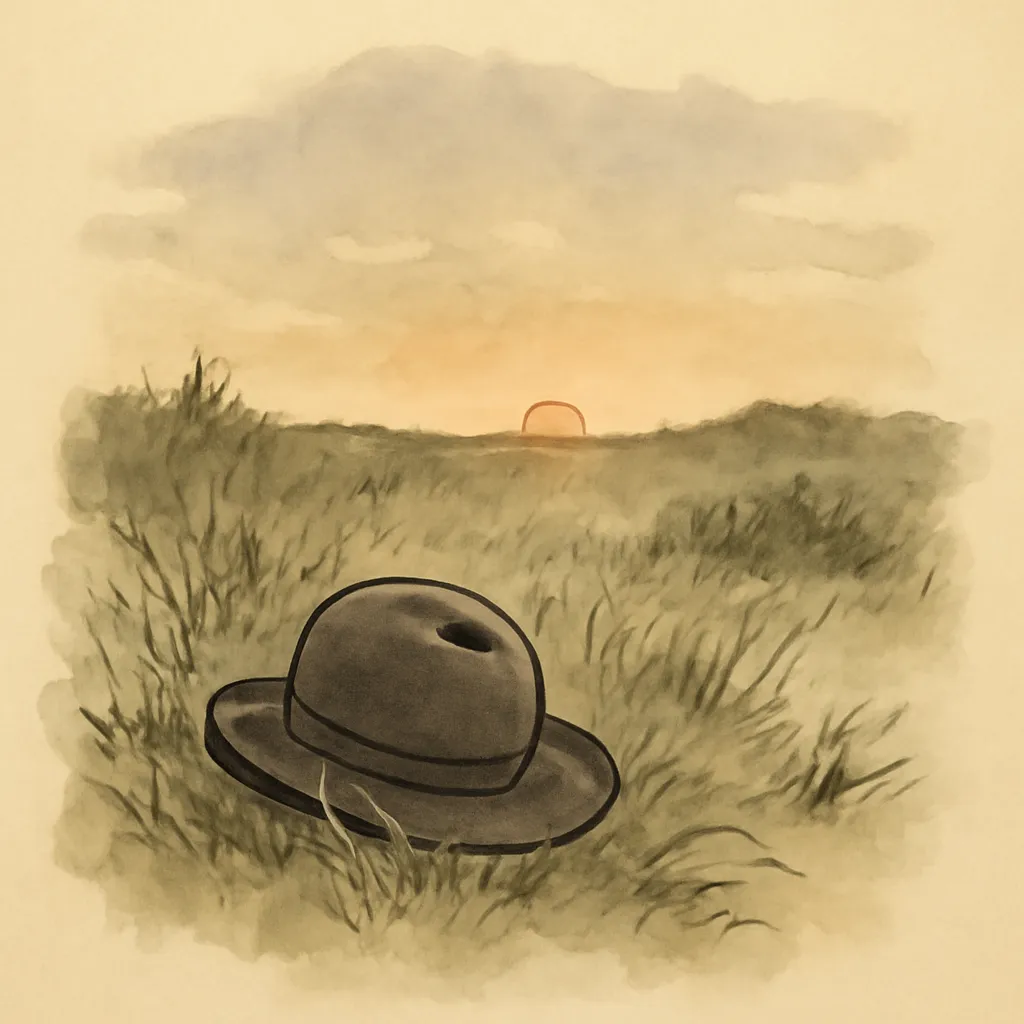
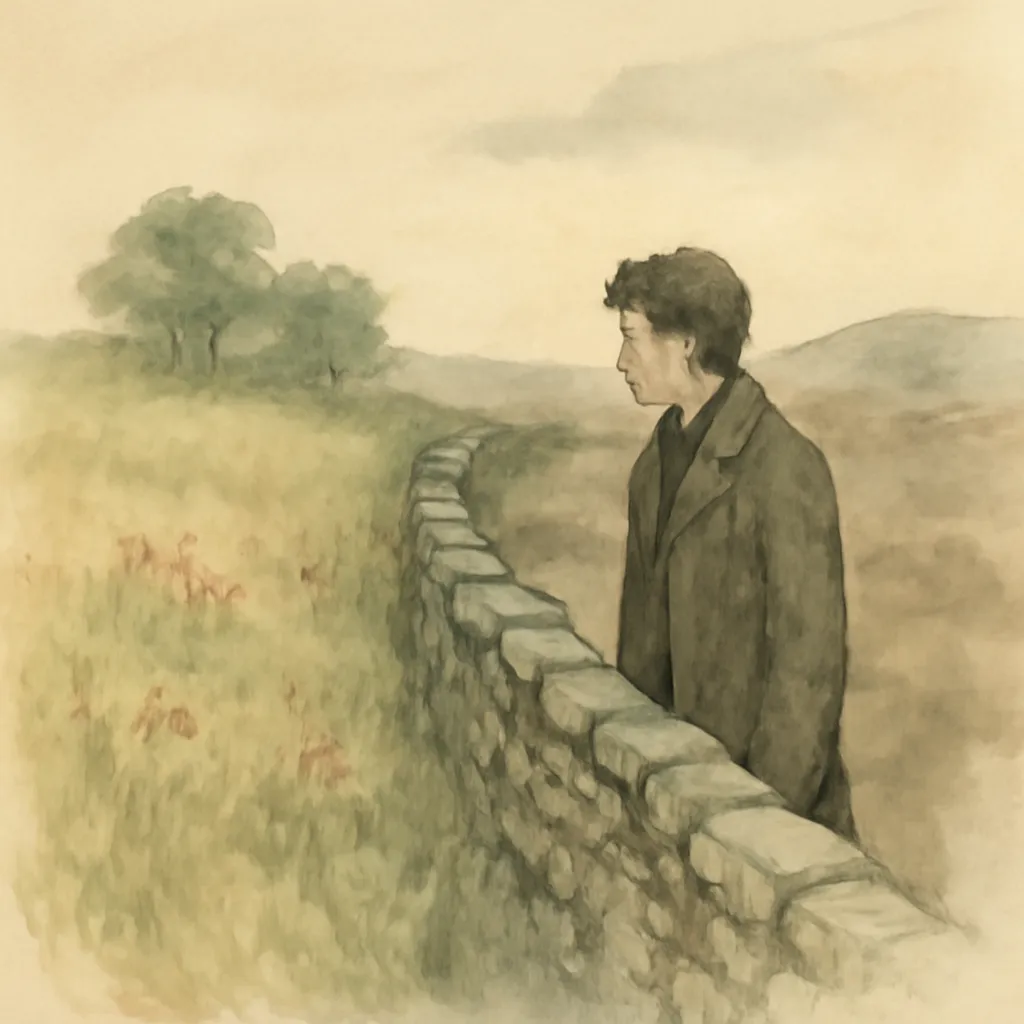
Clym Yeobright serves as a quintessential figure caught between ambition and reality, embodying the conflict between idealism and the harsh circumstances of rural life. After spending time in Paris, he returns to Egdon Heath, brimming with hopes of enlightening his fellow villagers through education and social reform. His vision reflects a deep-seated belief in the potential for improvement among the working class, and his noble intentions stand in stark contrast to the grim realities he faces. However, as Clym attempts to bring change, he encounters the stubborn resistance of the villagers, who are deeply entrenched in their traditional ways. His eagerness to uplift others becomes increasingly futile as he realizes that his aspirations are met with ignorance and apathy. Hardy illustrates how Clym's dreams, while noble, are crushed under the weight of societal expectations and personal relationships—particularly his tumultuous connection with Eustacia. Clym's tragic realization that his ambitions cannot coexist with the entrenched social order leads to a profound sense of disillusionment and self-doubt.
3.Eustacia Vye: The Enigmatic Femme Fatale

Eustacia Vye emerges as one of Hardy's most complex characters, possessing an alluring beauty and an insatiable desire for passion and excitement. Her character embodies the struggle between individual aspirations and societal constraints, revealing how her longing for escape ultimately leads to her downfall. Eustacia feels trapped in the confines of Egdon Heath, yearning for a life filled with adventure and love that transcends the mundane reality of her existence. Her relationship with Clym represents a clash of ideals, as their aspirations and motivations often diverge. Eustacia's desperate pursuit of love and fulfillment leads to a series of poor choices, including her engagement with Wildeve, which ultimately complicates her relationship with Clym. Hardy delves deep into Eustacia's psyche, illustrating how her relentless quest for passion makes her vulnerable to despair and tragedy. Eustacia becomes a symbol of the consequences of unbridled ambition and desire, serving as a poignant reminder of the costs associated with defying societal expectations.
4.The Role of Fate and Chance

Fate and chance are pivotal elements in the lives of the characters in 'The Return of the Native,' shaping their destinies in ways they cannot control. Hardy underscores the unpredictability of life, demonstrating how seemingly trivial occurrences can lead to dire consequences. The mishap with the marriage license between Thomasin and Wildeve is a poignant example of how chance intervenes, serving as a catalyst for the unfolding tragedy. This incident illustrates the fragility of human plans and the ease with which they can be derailed by unforeseen circumstances. Moreover, Hardy suggests that fate operates independently of human desires; despite Clym and Eustacia's efforts to forge their own paths, they remain ensnared in the web of fate. The characters’ lives are often dictated by forces beyond their control, emphasizing the futility of their struggles against destiny. Hardy's exploration of fate highlights the theme of inevitability, suggesting that human beings are often powerless against the whims of the universe and the choices of others.
5.The Complexity of Love
Love in 'The Return of the Native' is depicted as a multifaceted and often destructive force, illustrating the complex dynamics of human relationships. The connections between characters are fraught with tension, misunderstanding, and unfulfilled desires. Clym and Eustacia's passionate yet tumultuous love affair exemplifies the clash between romantic ideals and the harsh realities of life. Their love is characterized by longing and miscommunication, leading to eventual heartache and disillusionment. Similarly, Thomasin's feelings for Wildeve reveal the complications of love set against societal expectations and familial loyalty. The character's struggles with love highlight the notion that desire, when untempered by reason, can lead to tragic outcomes. Hardy presents love as a powerful emotion that inspires both beauty and tragedy, reflecting the intricate nature of human relationships and the potential for heartbreak inherent in deep connections.
6.Isolation and Community
The theme of isolation is pervasive in 'The Return of the Native,' as characters grapple with their desires for connection while feeling estranged from their surroundings. Egdon Heath is portrayed as a desolate landscape that mirrors the emotional distance between the characters. Clym, upon returning from Paris, finds himself at odds with the insular community of Egdon, struggling to bridge the gap between his aspirations and the villagers' traditional values. Eustacia, too, feels isolated in her quest for passion, longing for a connection that remains perpetually out of reach. Hardy highlights the tension between individual desires and the collective norms of the community, illustrating how isolation can lead to despair and self-doubt. The characters’ interactions reveal the ways in which societal expectations contribute to feelings of alienation, ultimately emphasizing the emotional toll of living in a close-knit yet stifling environment.
7.Societal Expectations vs. Personal Desires
Hardy delves into the tension between societal expectations and personal desires through the characters' struggles to conform to or rebel against the norms of their community. Clym's ambition to educate the villagers clashes directly with their traditional ways of life, highlighting the deep-rooted resistance to change that characterizes rural society. Eustacia's yearning for a passionate existence stands in stark contrast to the expectations placed upon her as a woman in a conservative environment. Thomasin's predicament reflects the constraints of gender roles, as she navigates the pressures of marriage and familial duty. Hardy critiques the rigid structures of society, illustrating how they stifle individuality and lead to personal tragedy. The characters' attempts to assert their desires often result in conflict, revealing the stark reality that personal fulfillment frequently comes at the cost of social approval.
8.The Influence of Nature on Human Life
Nature plays a pivotal role in 'The Return of the Native,' portrayed as a powerful force that shapes human experiences and emotions. The wild beauty and harshness of Egdon Heath parallel the characters' internal struggles, establishing a profound connection between the natural environment and human life. Hardy's descriptive prowess brings the landscape to life, evoking a sense of awe and foreboding that permeates the narrative. The changing seasons and weather reflect the emotional states of the characters, illustrating how intertwined their lives are with the rhythms of nature. The heath's indifference to human suffering serves as a reminder of the characters’ insignificance in the grand scheme of existence, reinforcing the idea that nature is an omnipresent force that influences human fate. Hardy skillfully weaves together human and natural landscapes, suggesting that life on Egdon Heath is marked by both beauty and brutality.
9.Tragedy and Redemption
Tragedy is an overarching theme in 'The Return of the Native,' as characters confront the repercussions of their decisions and the harsh realities of life. Hardy crafts a narrative imbued with sorrow, where dreams are shattered, and lives are irrevocably altered. The culmination of misunderstandings, societal pressures, and personal desires leads to tragic outcomes for many characters, particularly Eustacia and Clym. As their lives spiral out of control, the loss of potential and the weight of their choices serve as poignant reminders of the fragility of human aspirations. Amidst the pervasive tragedy, however, there are glimpses of redemption and the possibility of growth. Hardy illustrates that characters can learn from their experiences and seek to rise above their circumstances, suggesting that even in the face of despair, there remains potential for transformation. This interplay between tragedy and redemption adds depth to the narrative, making it a poignant exploration of the human condition.