1.The Aftermath of Defeat and the Search for Purpose
Millard frames Roosevelt’s journey as a response to his crushing loss in the 1912 presidential election. Rather than retreating into obscurity, Roosevelt seeks a new challenge that matches his restless energy and need for significance. The expedition becomes a crucible for him to redefine his legacy, revealing how personal setbacks can drive individuals to seek redemption through extraordinary means. The book explores the psychological motivations behind such quests, highlighting the interplay between public failure and private ambition.
2.The Unforgiving Amazon: Nature as Antagonist
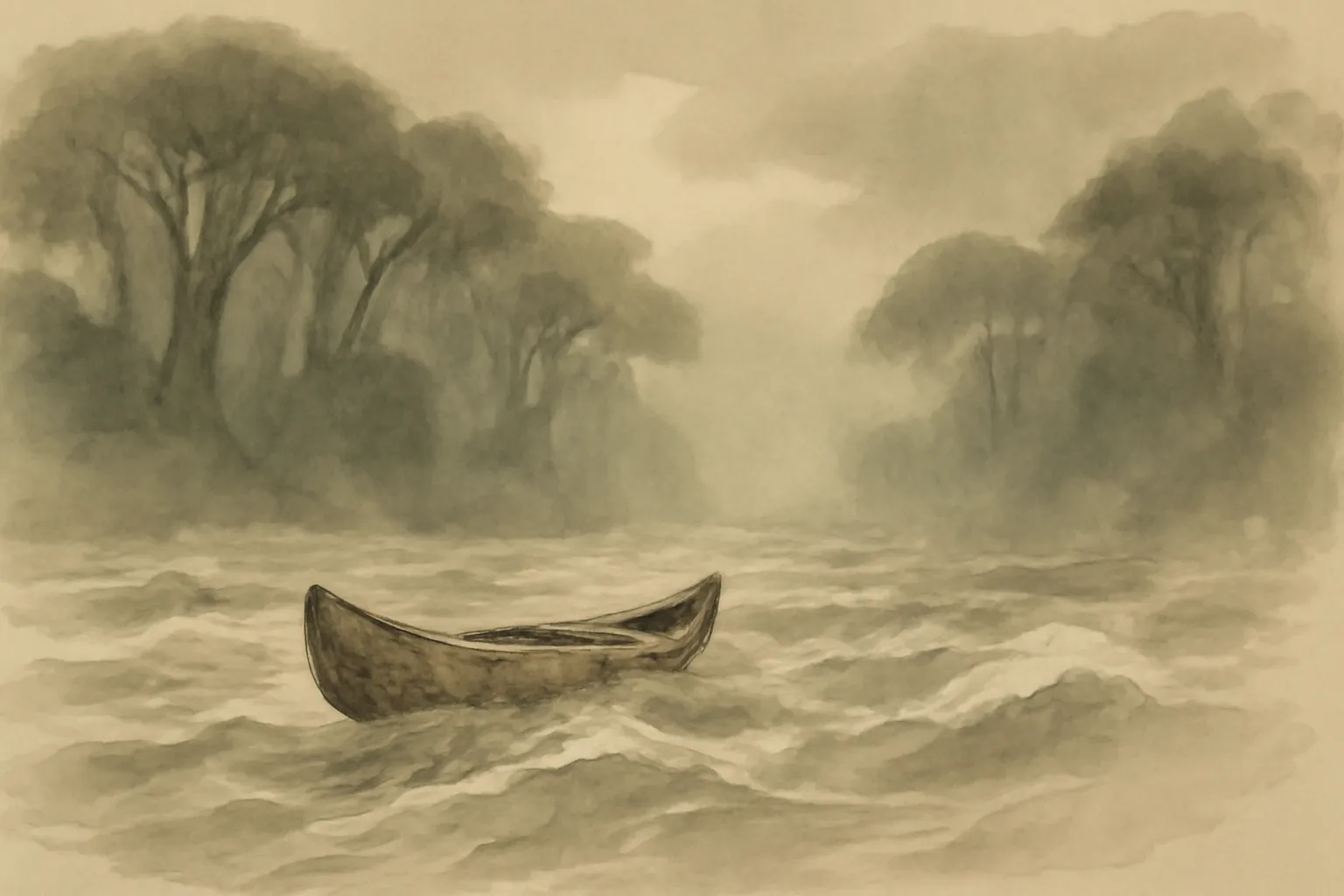
The River of Doubt itself is depicted as a living, hostile force. Millard vividly details the dangers lurking in the Amazon—raging rapids, deadly wildlife, disease, and the ever-present threat of starvation. The jungle is not just a backdrop but a relentless adversary that tests the limits of human endurance and ingenuity. This portrayal underscores the unpredictability and indifference of nature, forcing the explorers to confront their own vulnerability and the illusion of control.
3.Leadership and Human Frailty
Roosevelt’s leadership is tested in ways he never experienced in politics or war. Millard contrasts his charisma and decisiveness with moments of doubt, illness, and near-fatal weakness. The expedition exposes both his strengths—courage, optimism, loyalty—and his limitations, including stubbornness and physical decline. The book probes what it means to lead when hope is scarce and morale is crumbling, offering a nuanced portrait of leadership under extreme duress.
4.Cross-Cultural Encounters and Respect
The expedition’s partnership with Brazilian explorer Cândido Rondon is central. Millard highlights the cultural misunderstandings and mutual respect that develop between the American and Brazilian teams, as well as their interactions with indigenous peoples. The narrative avoids simplistic heroism, acknowledging the complexities and dangers of entering unfamiliar lands, and the importance of humility and cooperation in survival.
5.The Cost of Ambition and the Price of Survival
As the journey grows more desperate, the physical and psychological toll on the men becomes acute. Millard does not shy away from the darker aspects: starvation, disease, violence, and even murder within the group. The story becomes a meditation on the price of ambition and the ethical dilemmas that arise when survival is at stake. The expedition’s ordeal forces readers to consider what is sacrificed in the pursuit of greatness.
6.Legacy and the Making of a Myth
The successful descent of the River of Doubt was met with skepticism back home, yet it ultimately cemented Roosevelt’s legend as a man of action. Millard explores how the expedition reshaped perceptions of Roosevelt, the Amazon, and the boundaries of human achievement. The book invites readers to reflect on how stories of exploration are constructed, remembered, and mythologized.