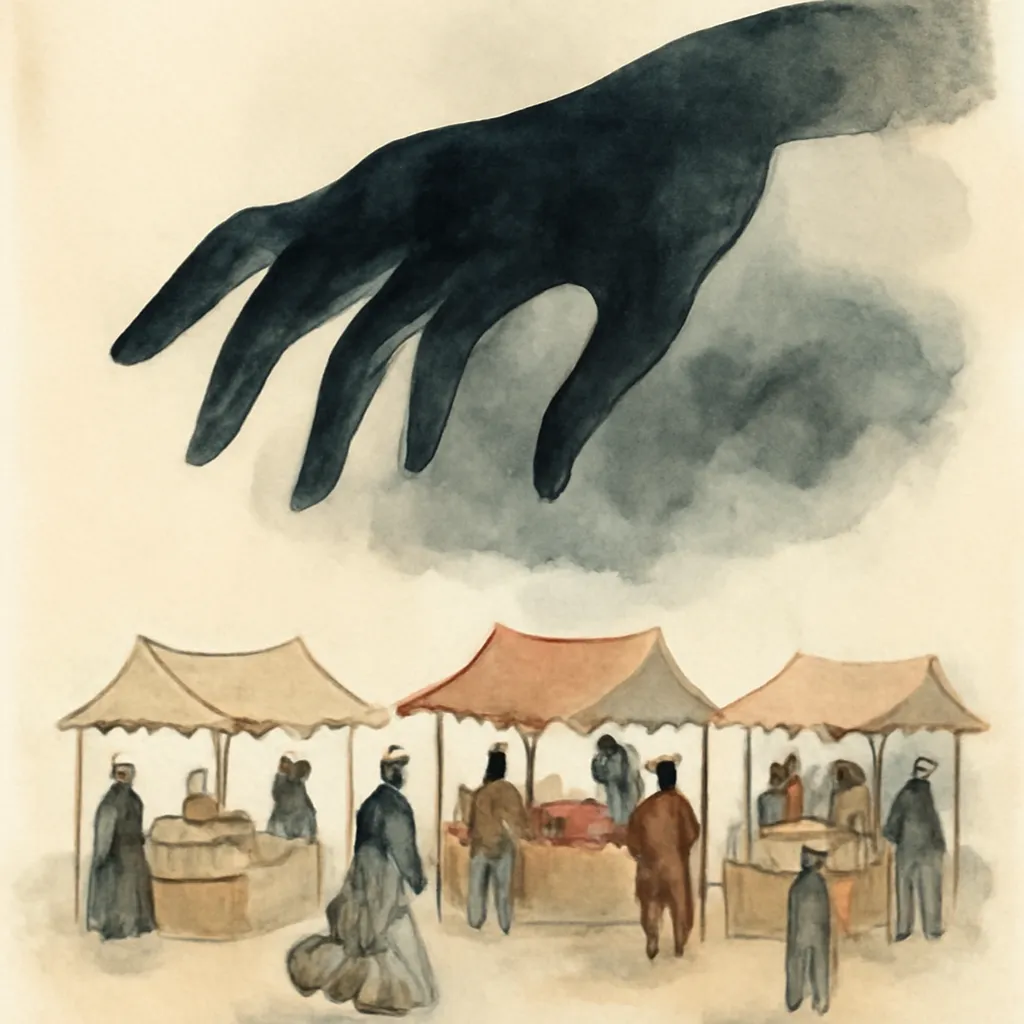
1.The Dangers of Central Planning
Hayek argues that central economic planning, even when motivated by noble aims, inevitably leads to a loss of freedom. He claims that as the state takes control over more aspects of economic life, it must also exert increasing control over people's choices, leading to coercion. This process, Hayek warns, can gradually erode democratic institutions and open the door to authoritarianism.
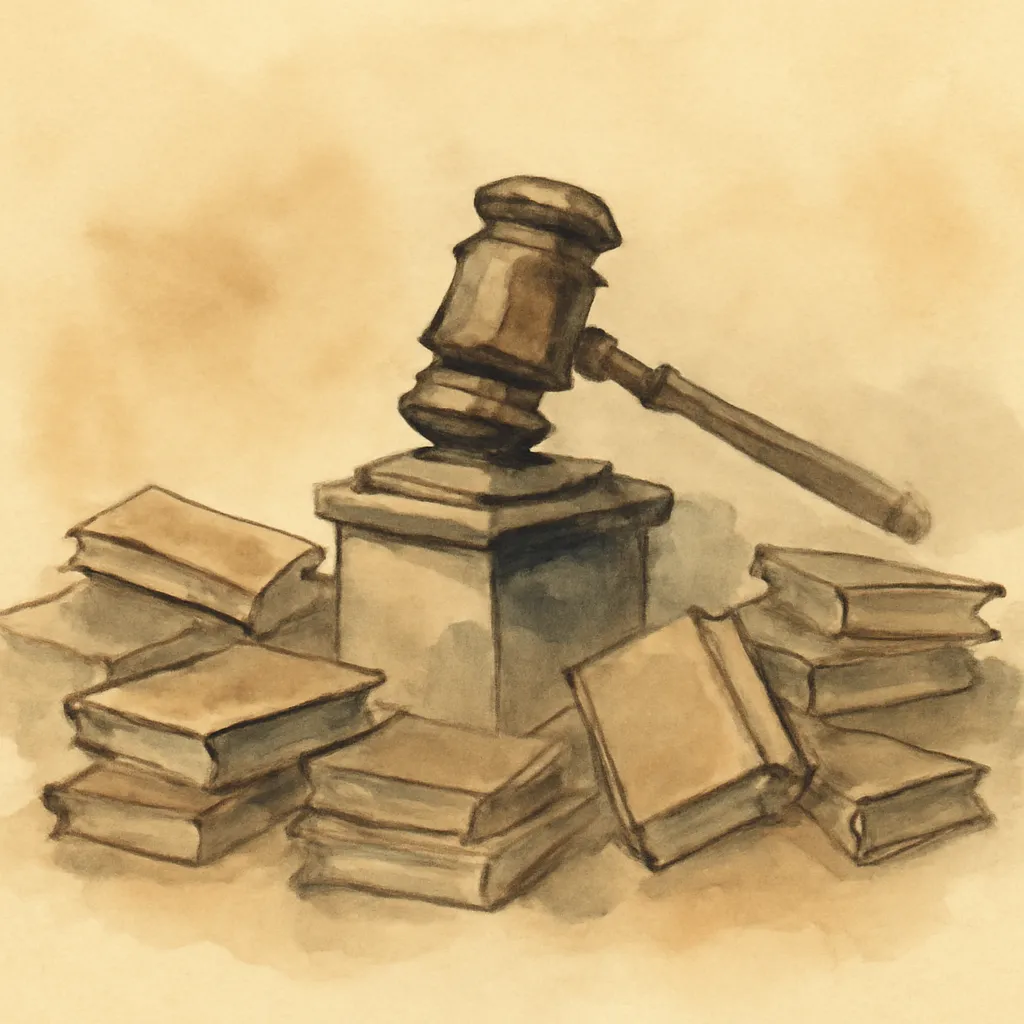
2.The Rule of Law vs. Arbitrary Power
A central theme is the distinction between the rule of law and rule by discretion. Hayek contends that a free society depends on general, predictable laws rather than government officials making ad hoc decisions. When the state is empowered to intervene arbitrarily, citizens lose the security and predictability necessary for true freedom.
3.The Illusion of Benevolent Authority
Hayek challenges the belief that governments can plan society for the common good without unintended consequences. He argues that even well-meaning planners cannot possess the knowledge required to allocate resources efficiently. This ignorance, combined with the power to enforce plans, leads to inefficiency and, ultimately, to the suppression of dissent.
4.Economic Freedom as a Safeguard
According to Hayek, economic freedom is not just about markets and wealth, but is a cornerstone of all other freedoms. When individuals are free to make their own economic choices, they are less vulnerable to political manipulation. Conversely, when the state controls economic life, it can use this power to stifle opposition and limit civil liberties.
5.The Road to Tyranny Is Paved with Good Intentions
Hayek’s central warning is that the road to serfdom is gradual and often paved with the best intentions. He insists that the desire to create a more equal or just society through state intervention can unintentionally set in motion a process that undermines freedom and democracy, leading to outcomes opposite to those originally intended.
6.The Importance of Intellectual Freedom
Hayek stresses that economic control often leads to intellectual and cultural conformity. When the state directs resources and opportunities, it can also shape public opinion and suppress dissenting views. This, he warns, is a subtle but powerful threat to the diversity of thought essential for a healthy society.