1.Interdependence with Nature
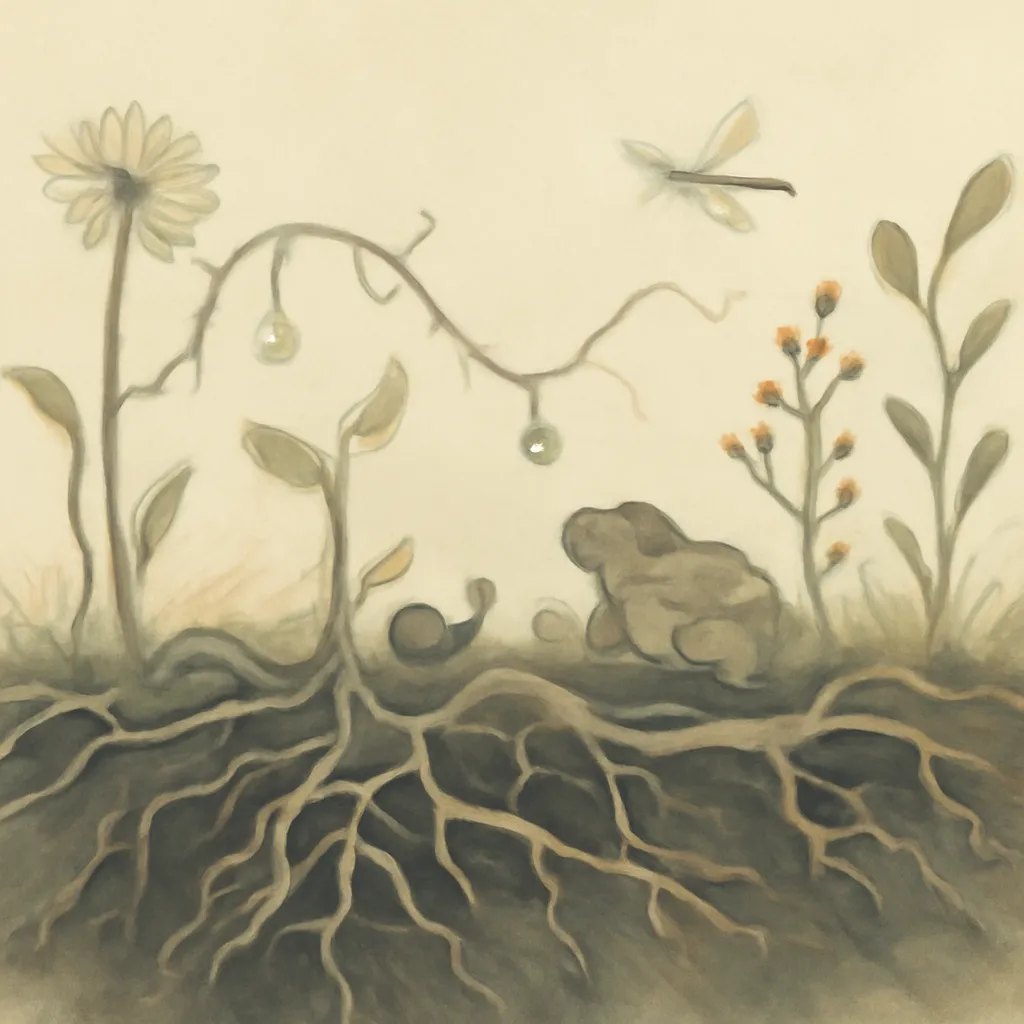
Suzuki argues that humans are not separate from nature, but fundamentally part of it. He demonstrates how our bodies and lives are woven from the same elements—air, water, soil, sunlight—that sustain all life. This interconnectedness means that harming the environment is ultimately self-destructive, and respecting ecological limits is essential for our survival.
2.The Four Sacred Elements
Central to the book is the concept that air, water, soil, and sunlight are not just resources, but sacred elements that make life possible. Suzuki explores how these elements cycle through all living things, emphasizing reverence and gratitude rather than mere exploitation. This perspective invites readers to rethink their relationship with the planet as one of stewardship and reciprocity.
3.Modern Alienation from Nature
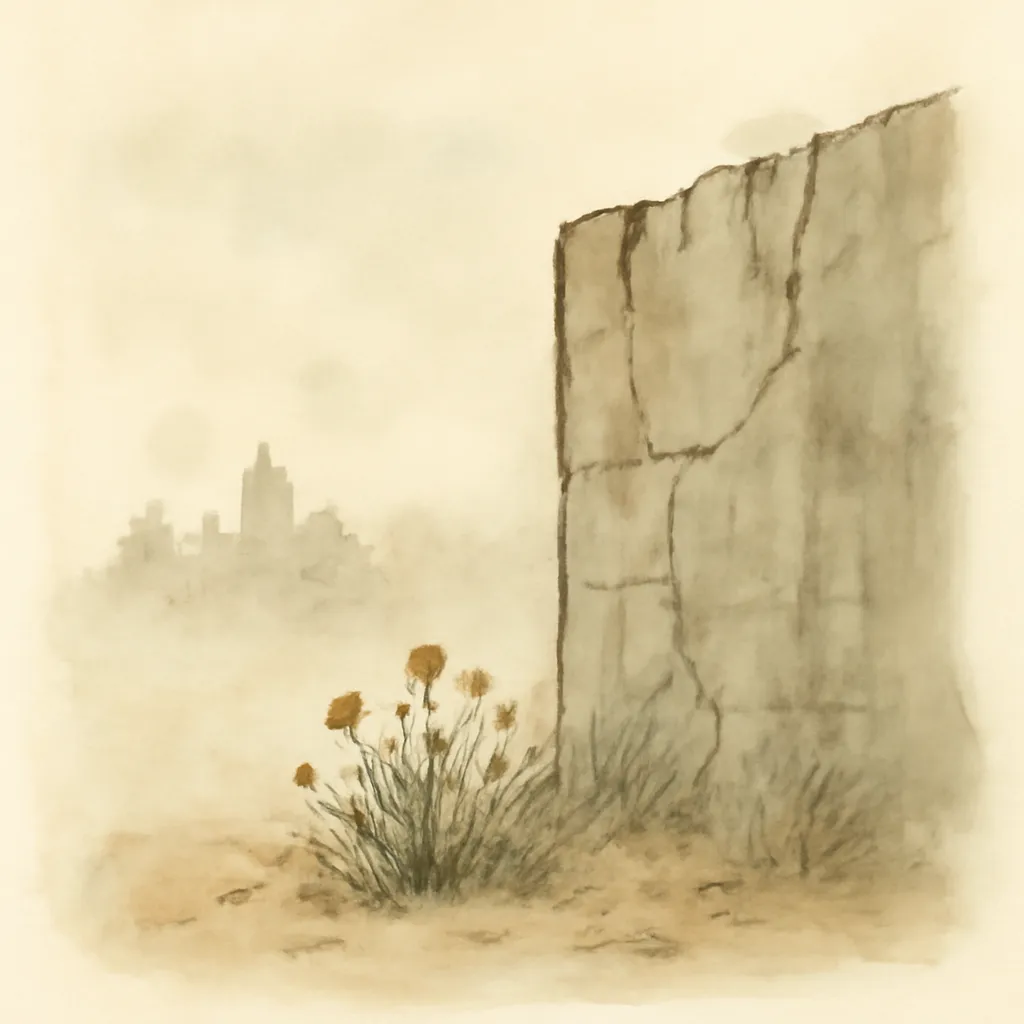
Suzuki critiques how industrial society has fostered an illusion of human dominance and detachment from the natural world. Urbanization, technological advances, and consumer culture have led many to forget their ecological roots, resulting in environmental degradation and a spiritual void. The book calls for a cultural shift toward humility and ecological literacy.
4.Indigenous Wisdom and Worldviews
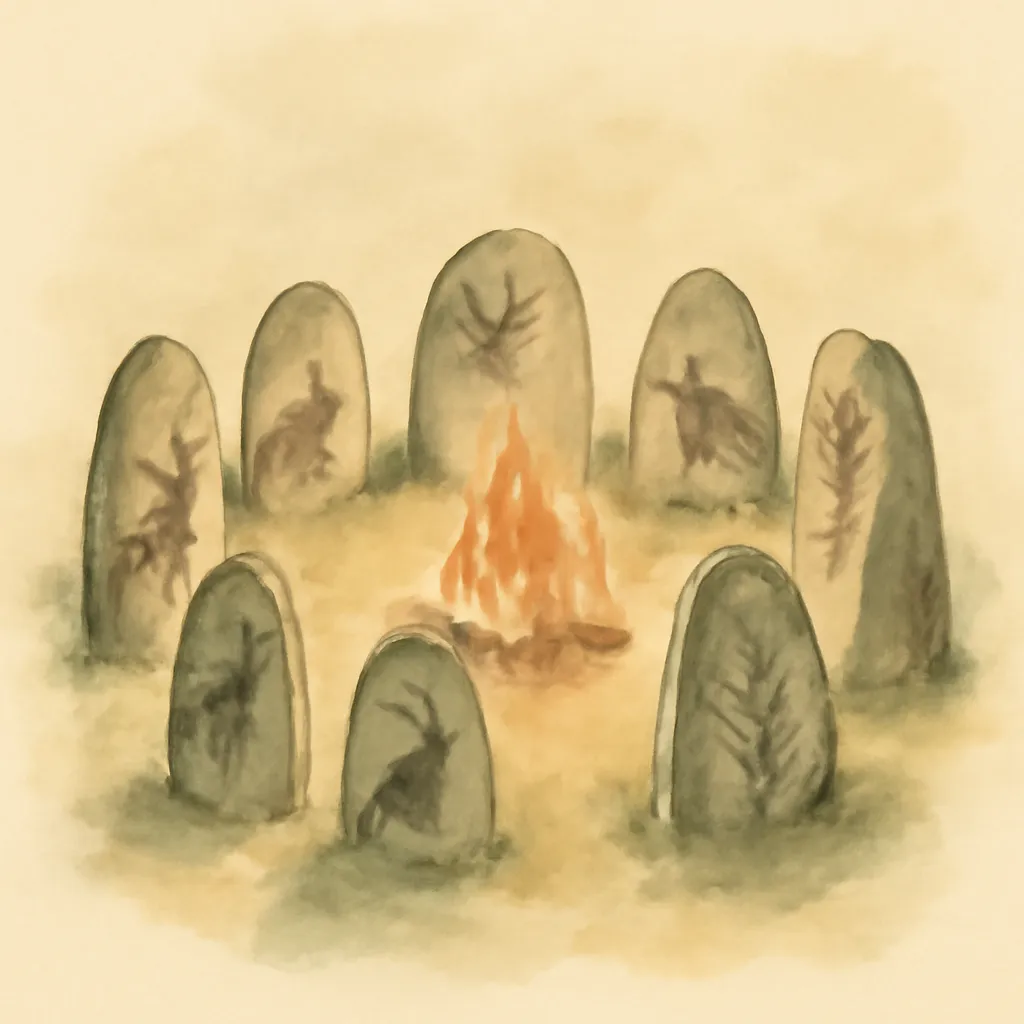
A significant thread in The Sacred Balance is the value of indigenous knowledge, which often embodies a deep respect for the earth and its cycles. Suzuki highlights how traditional cultures recognize the interconnectedness of all life, offering models for sustainable living that modern societies can learn from.
5.Science and Spirituality United
Suzuki bridges scientific insight with a sense of awe and reverence for life. He argues that science, rather than diminishing our sense of wonder, can deepen it by revealing the intricate web of relationships that sustain us. This union of knowledge and spirituality is essential for motivating meaningful environmental action.
6.Hope and Responsibility for the Future
Despite cataloging environmental crises, Suzuki maintains a hopeful tone, emphasizing that humans have the capacity for change. He calls on individuals and societies to take responsibility for healing the earth, suggesting that reestablishing a sacred balance is both possible and necessary for future generations.