1.Science Meets Cinema
Thorne’s unique role as both a scientific adviser and a theoretical physicist allows him to bridge the gap between Hollywood storytelling and scientific accuracy. He describes the creative collaboration with Christopher Nolan, highlighting how scientific plausibility was preserved even as the film reached for dramatic effect. The book is as much about the process of translating complex physics into visual storytelling as it is about the science itself, revealing the compromises and breakthroughs that shaped Interstellar’s narrative.
2.Wormholes: Portals Through Spacetime
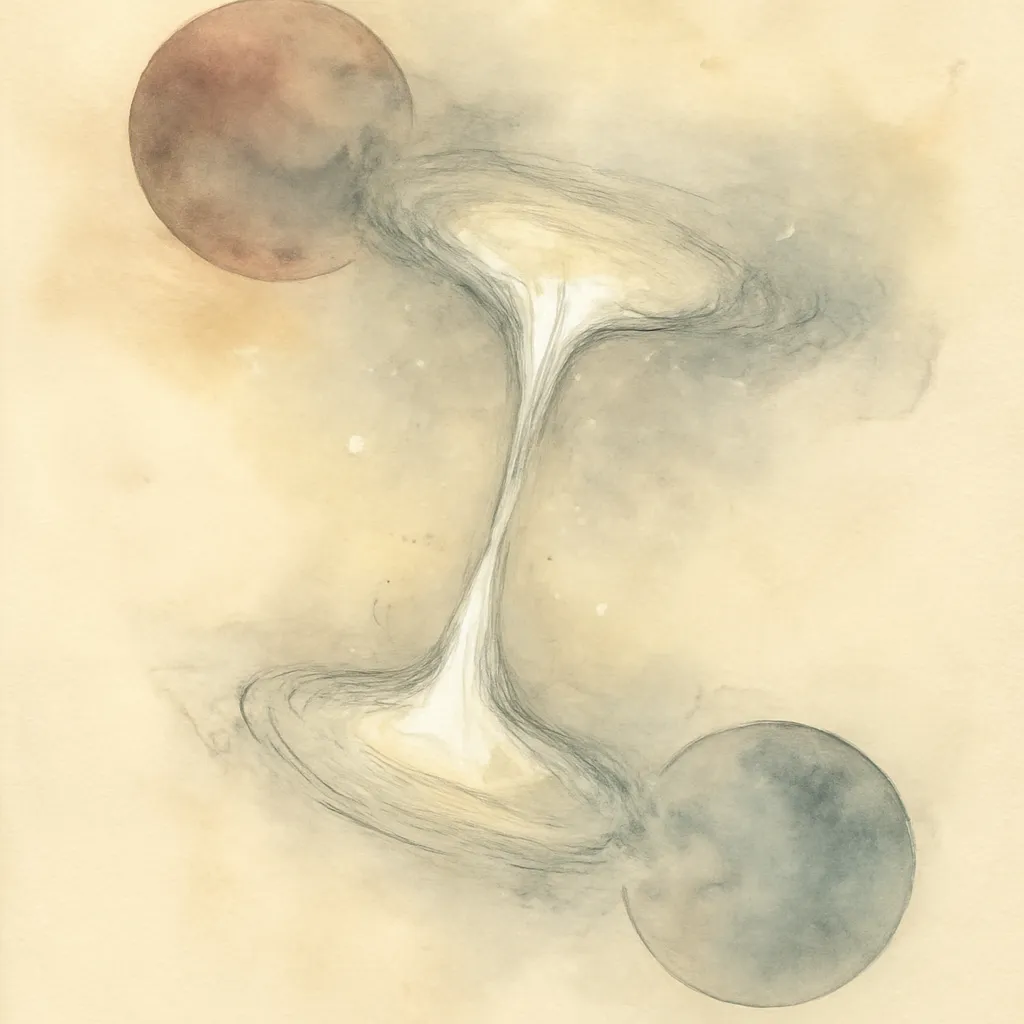
A central concept in both the film and the book is the wormhole—a hypothetical tunnel connecting distant points in spacetime. Thorne explains the theoretical underpinnings of wormholes, their mathematical basis in Einstein’s equations, and the challenges that would face any real attempt to traverse one. He clarifies which aspects of Interstellar’s wormhole are grounded in science and which are speculative, giving readers a clear sense of where current physics stands on the possibility of interstellar shortcuts.
3.Black Holes and Gargantua
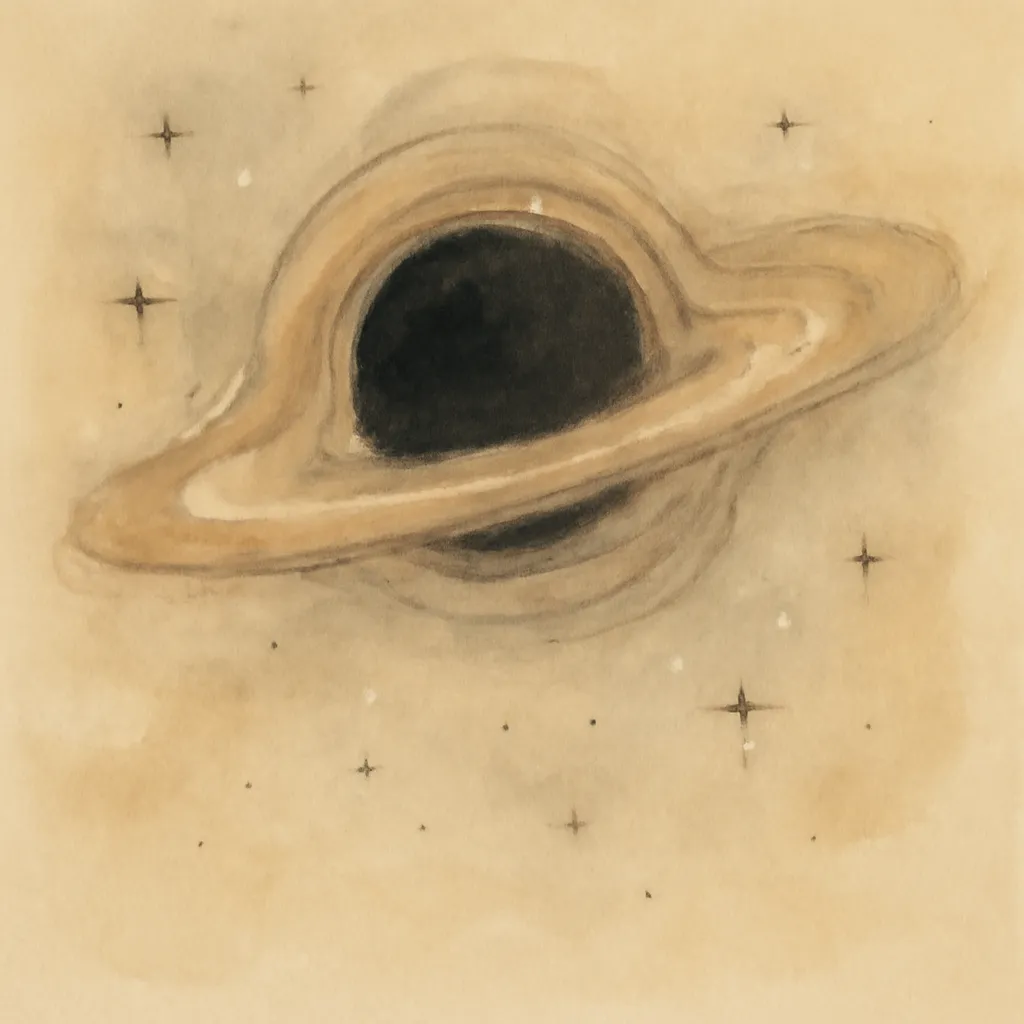
Thorne delves deep into the physics of black holes, using the film’s supermassive black hole, Gargantua, as a case study. He discusses the nature of event horizons, gravitational time dilation, and the visual effects of extreme gravity on light. The book details how the film’s depiction of Gargantua was not only visually stunning but also scientifically groundbreaking, with Thorne’s equations directly informing the CGI used to render its appearance.
4.Time Dilation and Relativity
One of Interstellar’s most dramatic moments involves time moving at different rates near a massive black hole. Thorne unpacks the real physics of gravitational time dilation, showing how Einstein’s theory of general relativity predicts such effects. He explains the calculations behind the film’s time discrepancies, demonstrating both the scientific foundation and the creative liberties taken for storytelling purposes.
5.The Limits of Human Exploration
Thorne reflects on the immense challenges of interstellar travel, from the vast distances involved to the energy requirements and unknown dangers. He discusses the speculative technologies—like suspended animation and advanced propulsion—that would be needed for humanity to reach other stars. The book encourages readers to appreciate both the promise and the practical limits of space exploration as envisioned by current science.
6.Science as Inspiration
Beyond explaining physics, Thorne emphasizes the power of science to inspire awe and wonder. He argues that accurate scientific representation in popular media can spark curiosity and drive future discoveries. The book is as much a celebration of human imagination and scientific inquiry as it is an explanation of astrophysical phenomena.