1.The Ocean as Earth’s Origin and Shaper
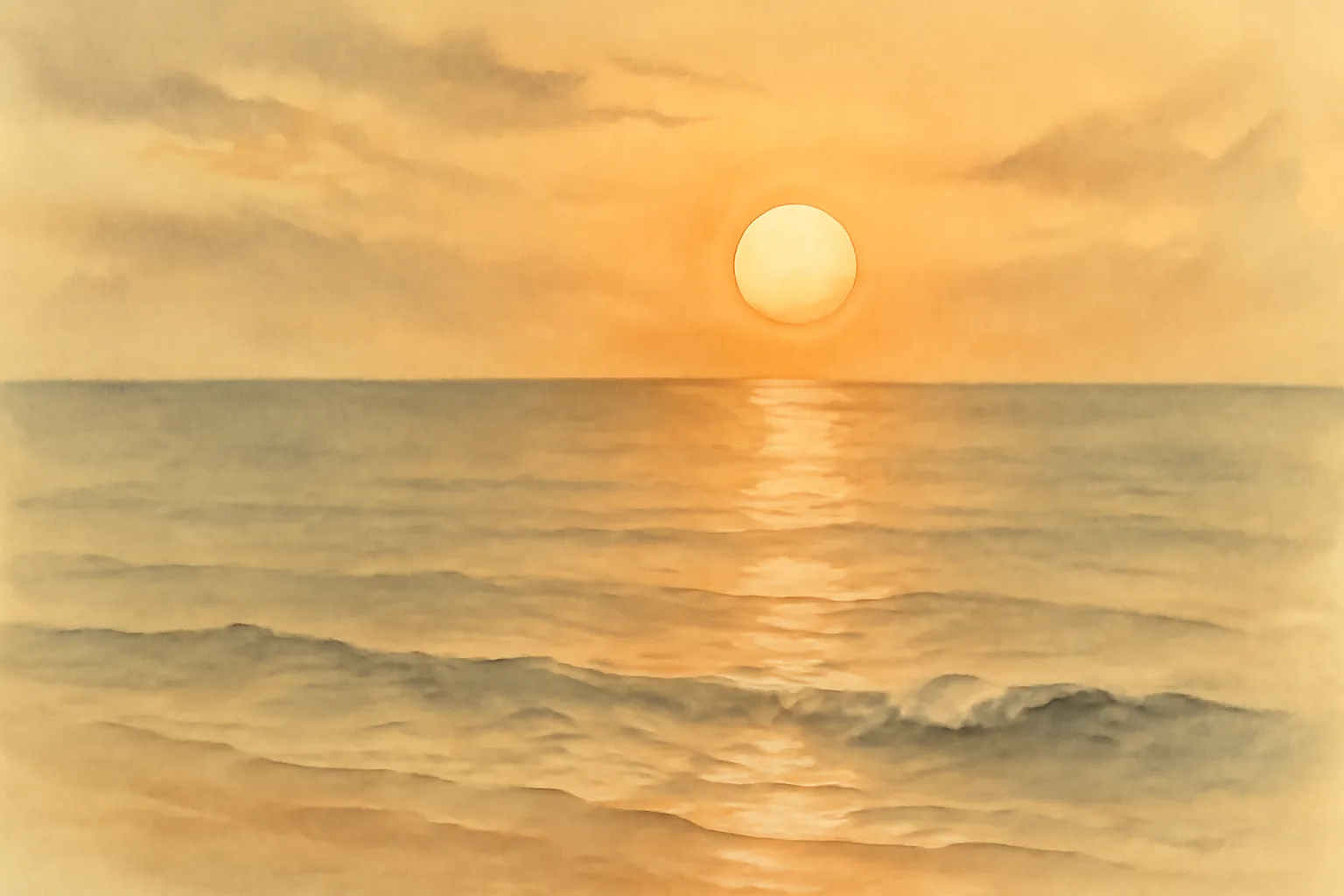
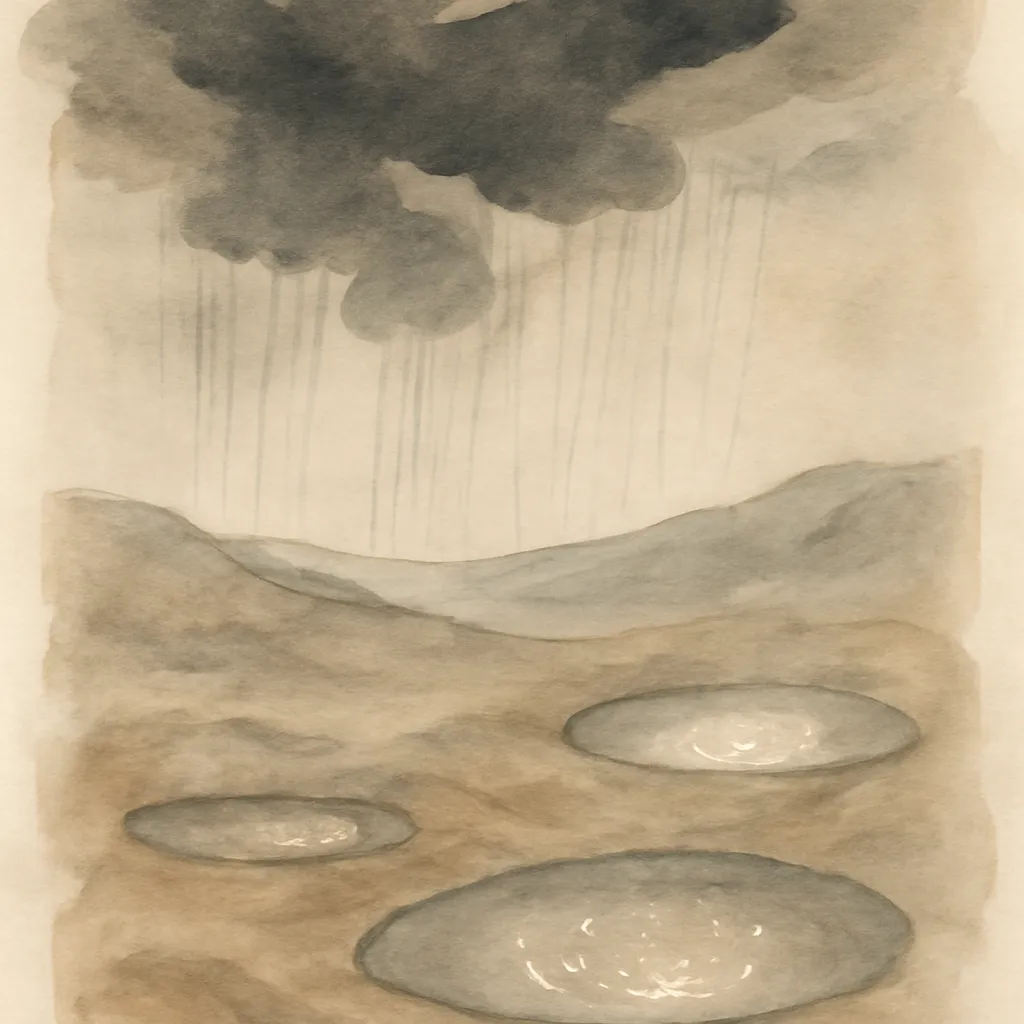
Carson traces the history of the oceans from the planet’s fiery beginnings to the present, emphasizing how the sea is both the cradle of life and a continuing force in shaping Earth’s geology and climate. She describes the primordial rains that filled the basins, the slow cooling of the planet, and the gradual emergence of life from the sea. This perspective encourages readers to see the ocean not as a separate entity, but as a dynamic, ancient system intertwined with the fate of all living things.
2.Interconnectedness of Life
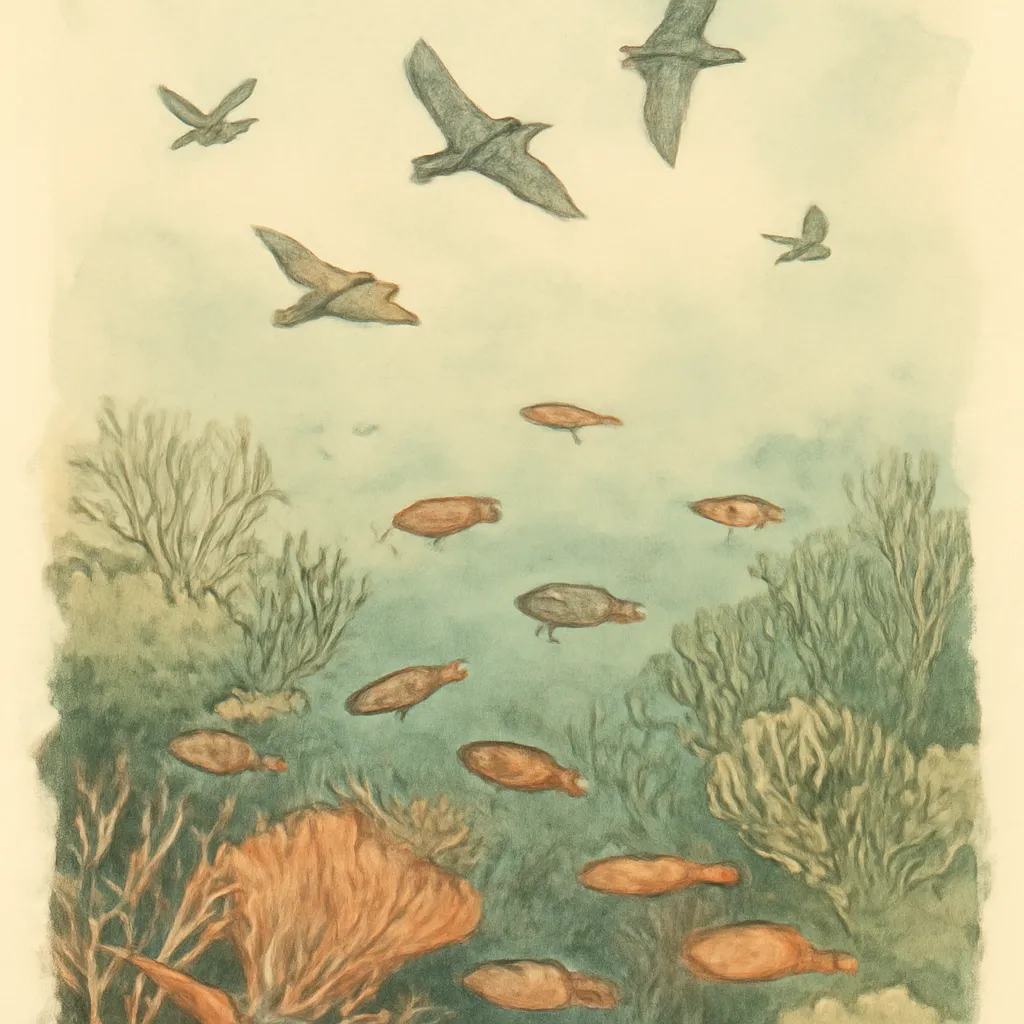
A central theme is the intricate web of relationships that bind marine life together and connect the ocean to terrestrial life. Carson details the cycles of nutrients, the migrations of species, and the delicate balance that sustains oceanic ecosystems. She makes clear that disruptions in one part of the system can have far-reaching consequences, foreshadowing the environmental awareness that would later define her legacy.
3.The Ocean’s Mysteries and Wonders
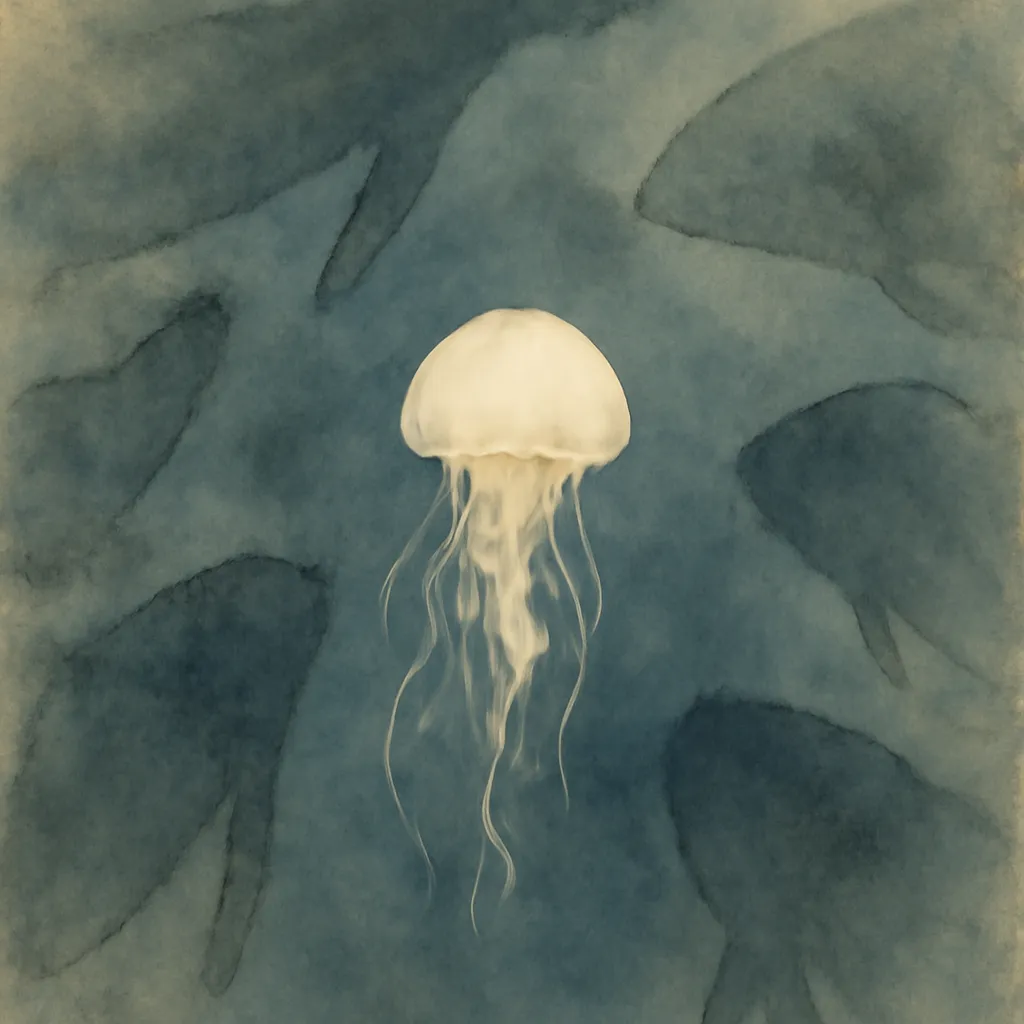
Carson’s prose brings to life the drama and beauty of the sea, from the bioluminescent creatures of the deep to the titanic struggles between whales and giant squids. She invites readers to marvel at the unknown, highlighting how much remains to be discovered. This sense of wonder is not just aesthetic; it’s a call to humility before nature’s complexity.
4.The Power and Rhythm of the Sea
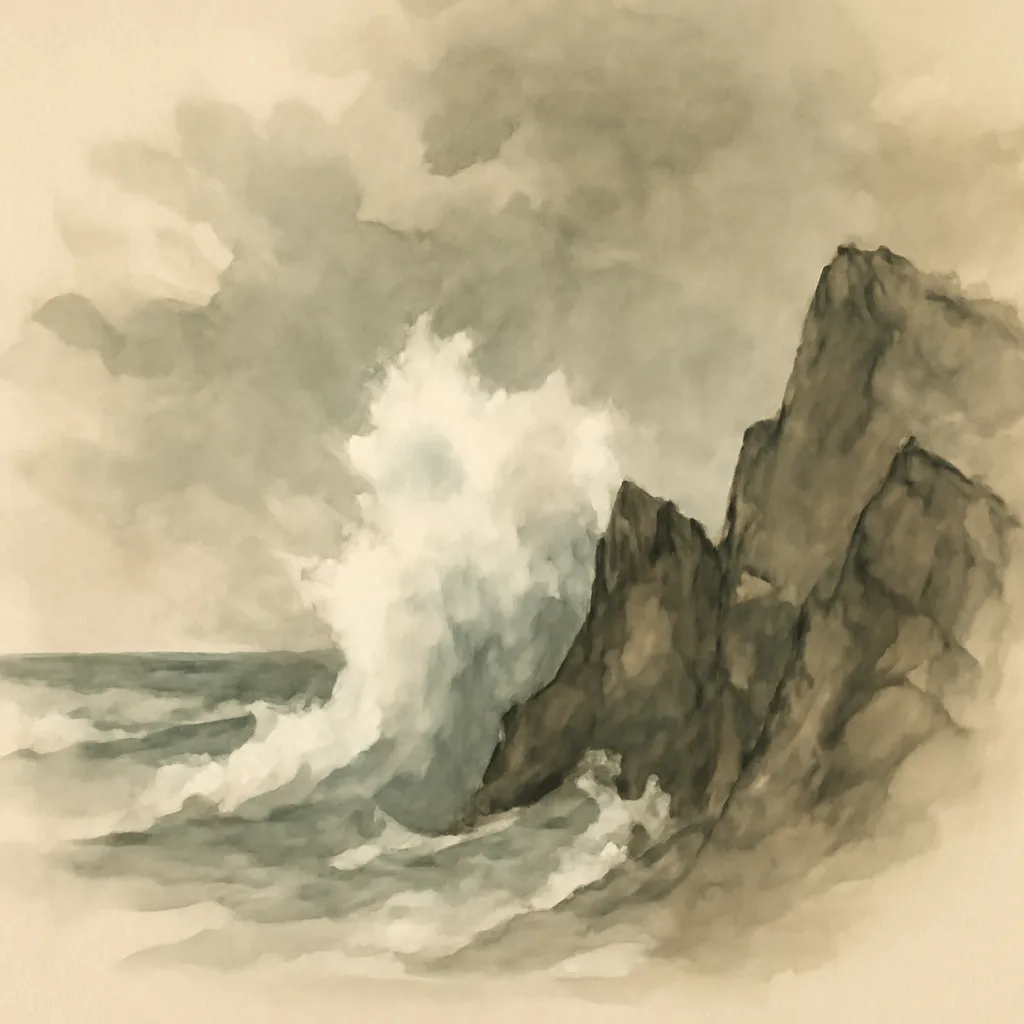
The book explores the immense forces at work in the ocean—tides, currents, storms—and how they shape coastlines, weather, and even human history. Carson explains the science behind these phenomena in accessible language, illustrating how the sea’s rhythms govern life on Earth and reminding us of our dependence on its stability.
5.Human Impact and Responsibility
Although written before the modern environmental movement, Carson’s work hints at the vulnerability of the sea to human exploitation and carelessness. She warns of the potential for disruption through overfishing, pollution, and ignorance, urging respect and stewardship. This prescient concern would later blossom in her more overtly activist work, but here it is woven subtly into her reverence for the ocean.
6.Science Communicated with Poetic Clarity
Carson’s distinctive gift is her ability to translate complex marine science into vivid, evocative language. She bridges the gap between scientific fact and emotional resonance, making the reader feel both the scale and intimacy of the ocean. This approach has inspired generations of science writers and environmentalists.