1.Leadership in Crisis
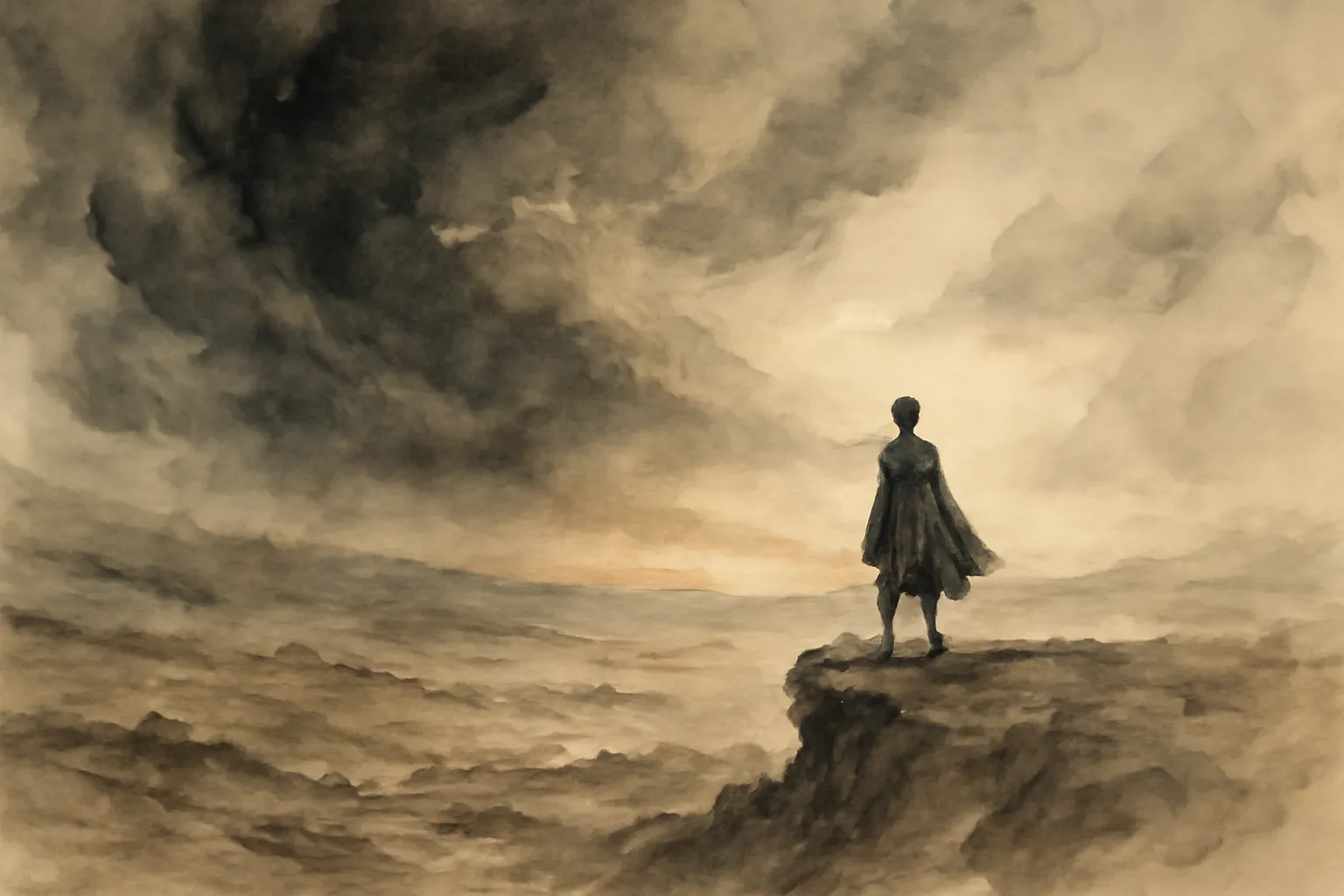
Churchill’s narrative is as much about the psychology and burden of leadership as it is about military events. He explores the weight of decision-making under existential threat, the loneliness of command, and the necessity of inspiring hope when defeat seems imminent. The book reveals how leadership is not only about strategy, but about moral courage, communication, and the ability to rally a nation through words and example.
2.The Grand Alliance and Its Fragility
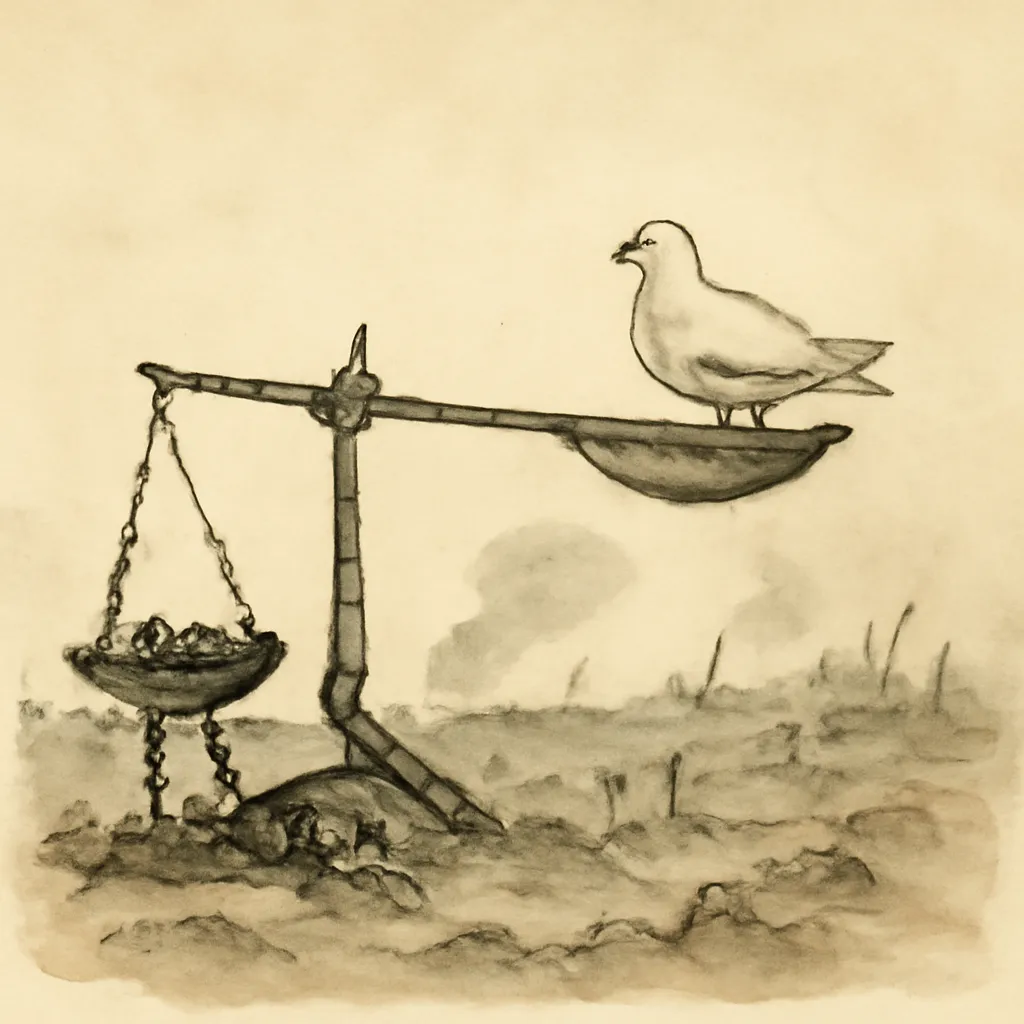
A central theme is the formation and maintenance of the Allied coalition—Britain, the United States, and the Soviet Union. Churchill details the diplomatic balancing act required to keep this uneasy partnership together, emphasizing the importance of shared interests over ideological alignment. He is candid about the tensions, misunderstandings, and compromises that defined Allied cooperation, providing insight into both its successes and its limits.
3.The Moral Dimension of War
Churchill does not shy away from the ethical stakes of the conflict. He frames World War II as a battle between tyranny and freedom, repeatedly returning to the idea that the war’s outcome would determine the fate of civilization. This moral framing is not just rhetoric; it underpins his arguments for perseverance and sacrifice, and shapes his interpretation of events and decisions.
4.Strategy and the Art of War
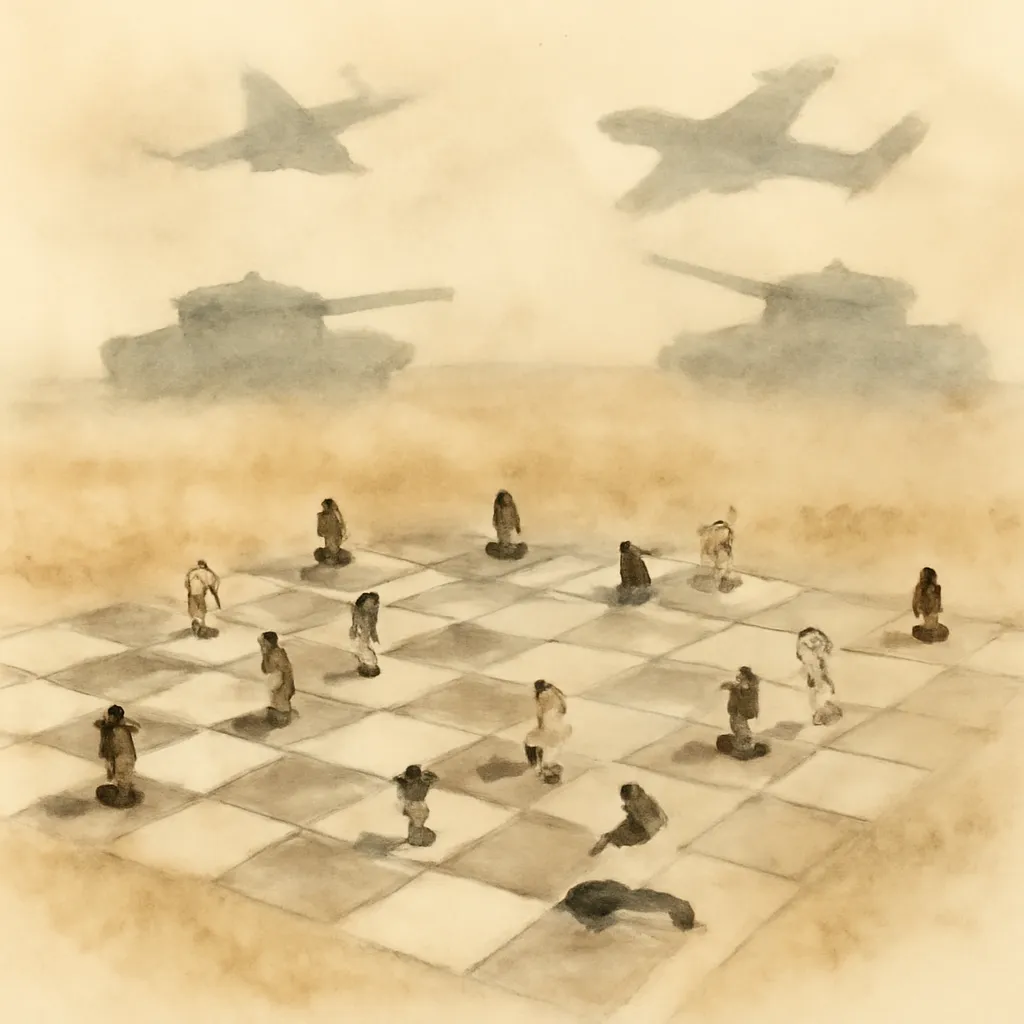
Churchill’s account is rich with strategic analysis, from the early failures in France to the turning points at El Alamein and Normandy. He offers candid assessments of both Allied and Axis decisions, and is forthright about Britain’s vulnerabilities. The book is valuable for its explanation of how grand strategy, logistics, and timing—rather than just battlefield heroics—determined the war’s course.
5.The Power of Words
Throughout, Churchill demonstrates the power of language to shape events. His speeches, memos, and correspondence—often quoted directly—show how rhetoric can inspire, persuade, and define a nation’s spirit. The book is itself a testament to the enduring influence of eloquence in public life and history.
6.History as Memoir
While comprehensive, the work is unapologetically personal. Churchill’s perspective is shaped by his own role and convictions, offering readers not just a chronicle of events but a window into the mind of a wartime leader. This subjectivity makes the book both compelling and controversial, inviting readers to weigh his interpretations alongside the facts.