1.Humanizing a Legend
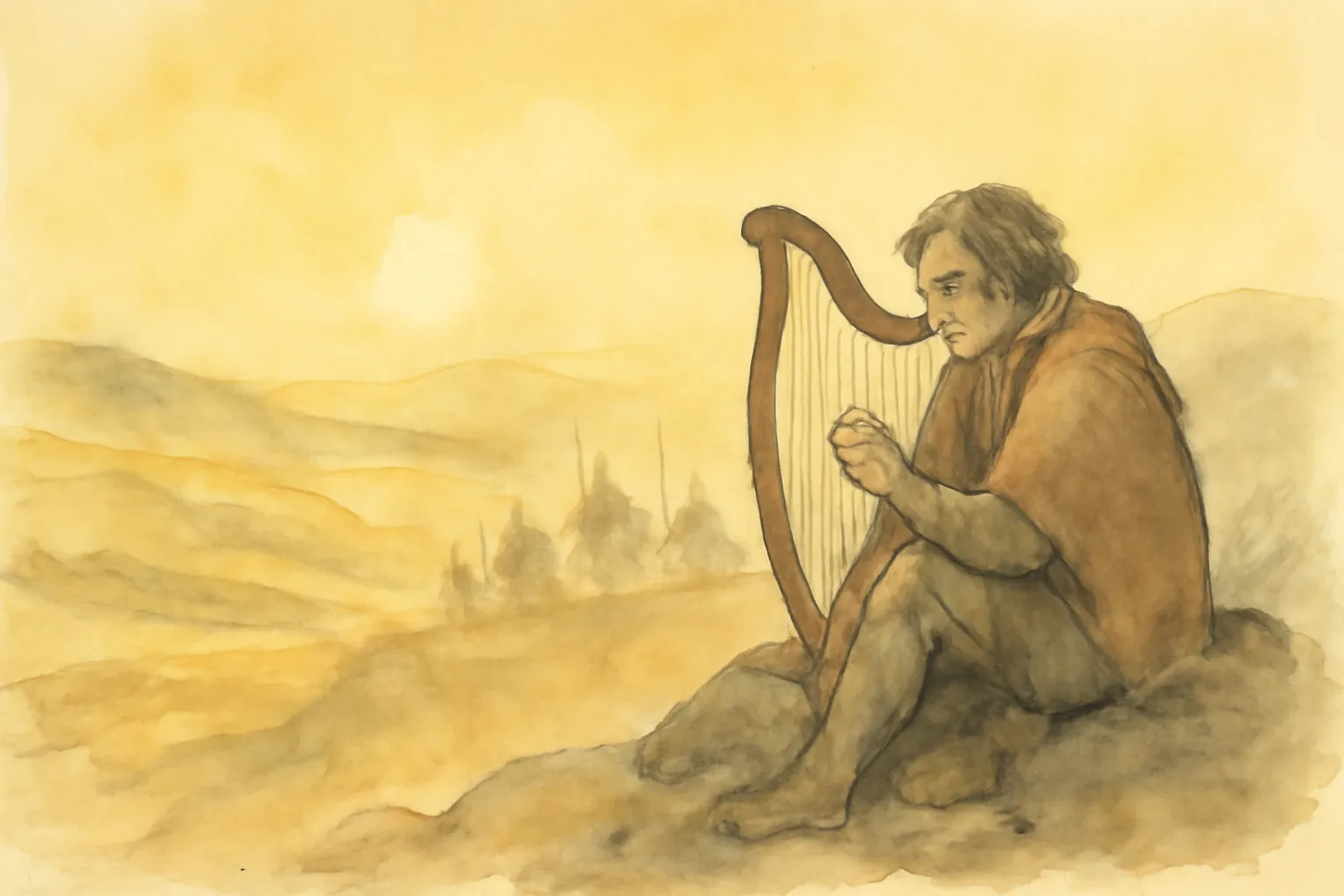
Brooks strips away the mythic veneer from King David, presenting him as a deeply flawed, charismatic, and contradictory figure. Through the eyes of the prophet Natan, we see David’s virtues—his musical genius, leadership, and courage—juxtaposed with his moral failings, such as violence, betrayal, and lust. This portrayal invites readers to reflect on the cost of greatness and the ways in which power can both elevate and corrupt.
2.The Power of Storytelling
The narrative is framed through Natan, David’s seer and confidant, who is tasked with recording the king’s life for posterity. This device foregrounds the role of narrative itself: how stories are shaped, whose voices are heard, and how history is constructed. Brooks uses this to explore the tension between truth and myth, and the enduring impact of the stories we choose to tell about our leaders.
3.Faith, Doubt, and Destiny
David’s journey is deeply entwined with questions of divine purpose and human agency. Brooks delves into the complexities of faith—not just in God, but in oneself and in others. The novel examines how prophecy, destiny, and personal choice intersect, and how even those chosen by fate are not immune to doubt or error.
4.The Role of Women
While David is at the center, Brooks gives voice to the women in his life—Michal, Batsheva, Avigail—who are often sidelined in traditional accounts. Their perspectives reveal the personal and political costs of David’s actions, highlighting issues of agency, love, and survival in a patriarchal world. This adds emotional depth and a modern sensibility to the ancient narrative.
5.Violence and the Cost of Power
The novel does not shy away from the brutality of David’s world. Wars, betrayals, and personal vendettas are depicted with unflinching realism. Brooks probes the psychological and moral toll of violence, both on those who wield it and those who suffer from it, raising questions about the true price of leadership and legacy.
6.Music as Redemption
David’s gift for music is a recurring motif, symbolizing his capacity for beauty, empathy, and transcendence. Music serves as both solace and salvation, a way for David to connect with others and with the divine. This theme underscores the possibility of redemption and the enduring power of art amid chaos and loss.