1.The Arrival of the Young Stranger
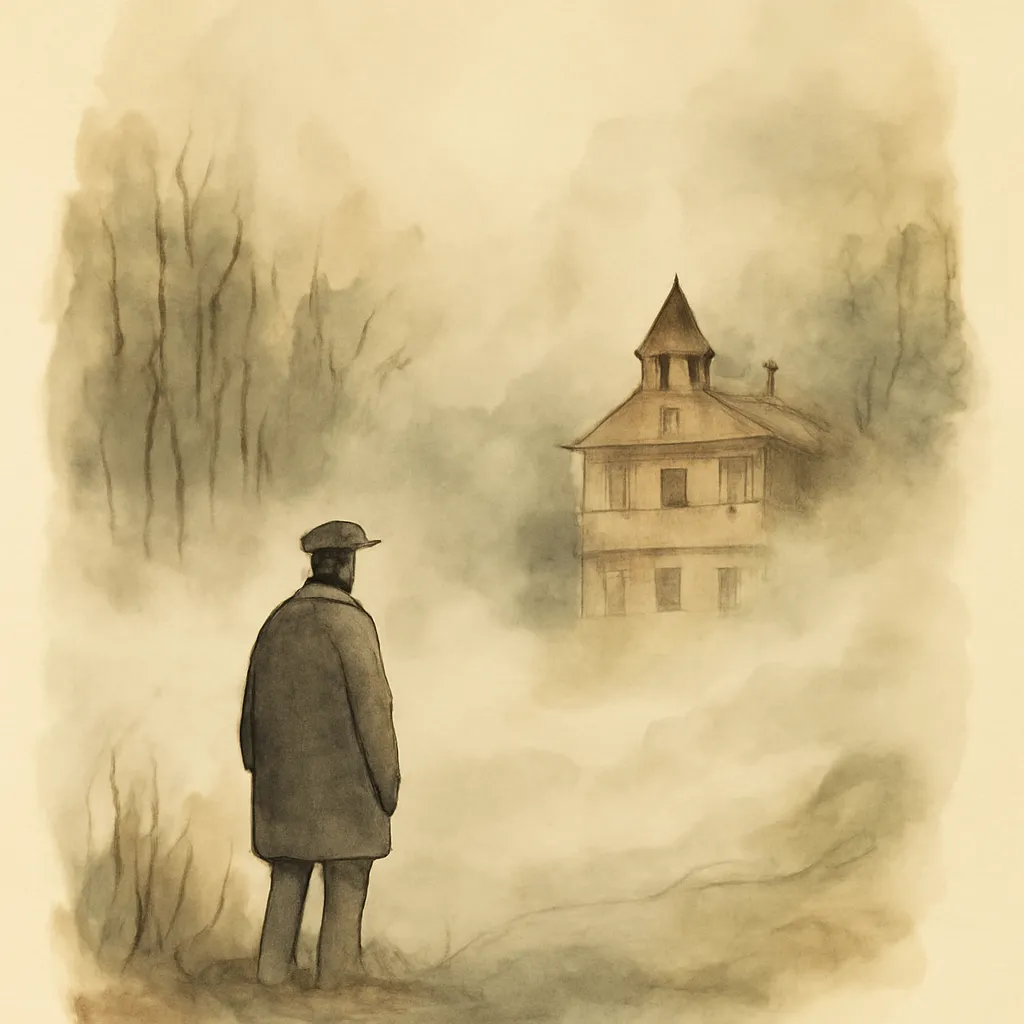
The story opens with the arrival of a mysterious young stranger at the datcha des Iles, setting the stage for the unfolding drama. Barinia, the lady of the house, instructs her servant Ermolai to escort him to Natacha’s sitting-room, but the stranger refuses to be searched, challenging the established order of the household. This initial act of defiance hints at the stranger's significance and foreshadows the upheaval to come. The dynamics of power and authority are immediately established, illustrating how personal relationships and societal expectations collide. The stranger's presence disrupts the status quo, suggesting that he may be a catalyst for the events that will unravel within the narrative. His refusal to submit to the search symbolizes a broader theme of rebellion against oppressive structures, which resonates throughout the story as characters confront their own boundaries and limitations.
2.Friendship and Loyalty
Central to the novel is the theme of friendship, exemplified by the relationship between Feodor Feodorovitch, the general, and Thaddeus Tchnichnikoff, the timber merchant. Their bond, forged in childhood, transcends social status and reflects the depth of true friendship. Thaddeus's unwavering loyalty is showcased as he rushes to the side of his friend after each attack on the general, illustrating the importance of support in times of crisis. The narrative delves into their shared past, creating a rich backdrop that emphasizes the strength of their connection, and the sacrifices they are willing to make for one another. Thaddeus laments the loss of their shared hunting adventures, symbolizing a bygone era of camaraderie that contrasts sharply with the present turmoil. This relationship serves as a reminder of the values of loyalty and support, which are paramount in the face of external threats that challenge their very existence.
3.The Weight of Night
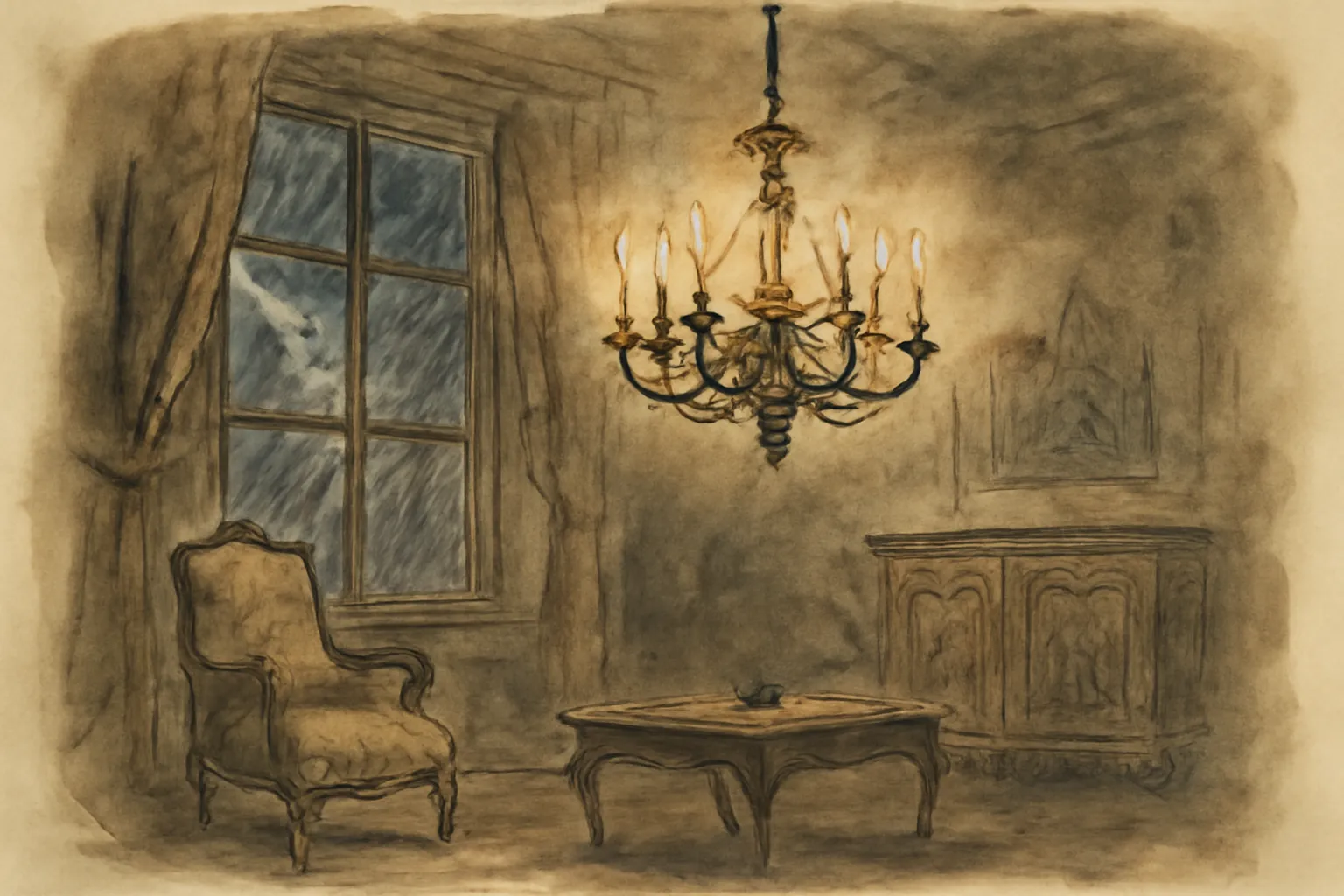
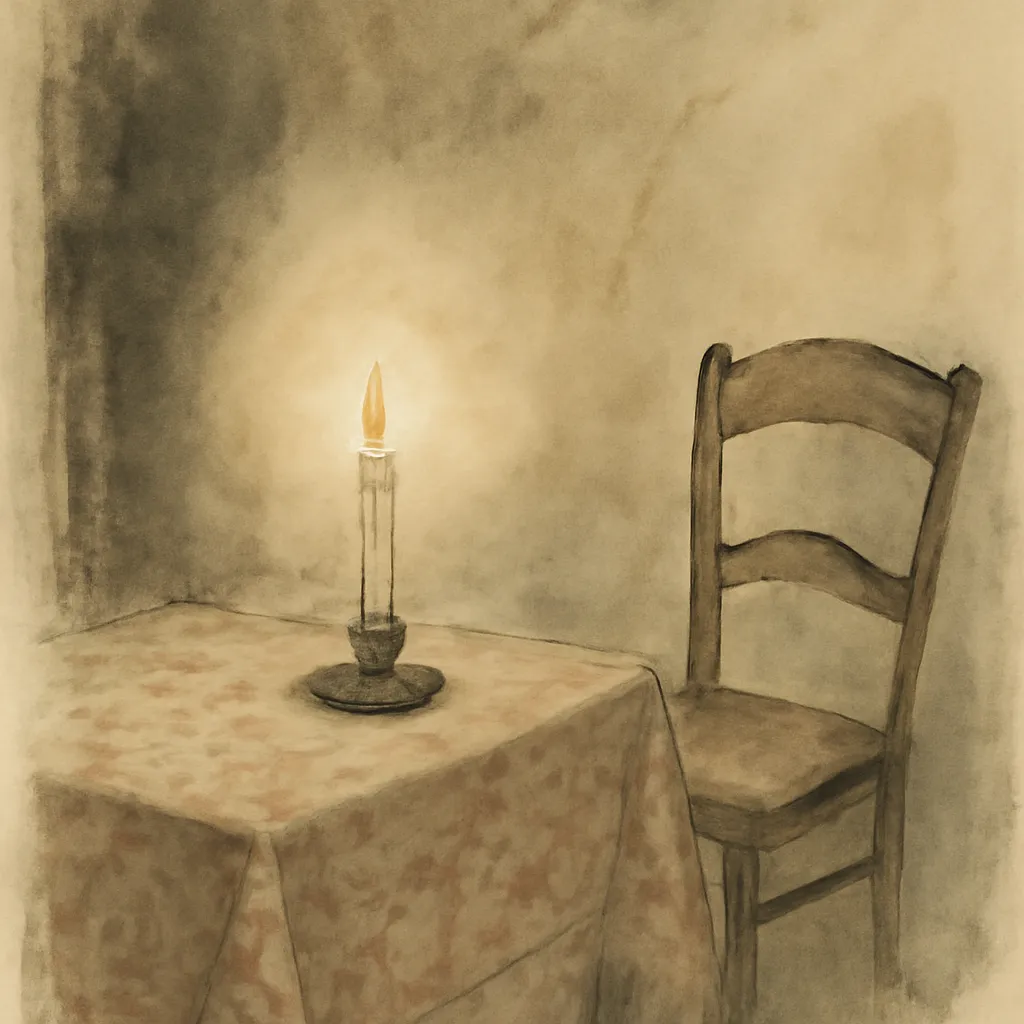
As the night deepens, Matrena Petrovna, the general's devoted wife, takes on the role of protector, emphasizing the theme of vigilance. Her concerns about the mysterious disappearance of Rouletabille, the journalist, reflect the pervasive anxiety that envelops the household. Matrena's determination to ensure the security of her family serves as a poignant reminder of the sacrifices made by those who love and protect others. The quiet tension of the night is punctuated by the sounds of heavy breathing and the weight of unseen dangers, illustrating how the domestic space can rapidly transform into a site of fear. The narrative emphasizes that safety is an illusion, especially in a world rife with political unrest. Matrena's vigilance and her maternal instincts highlight the broader theme of the protective nature of love, as she navigates the shadows of uncertainty to keep her family safe.
4.Secrets and Shadows
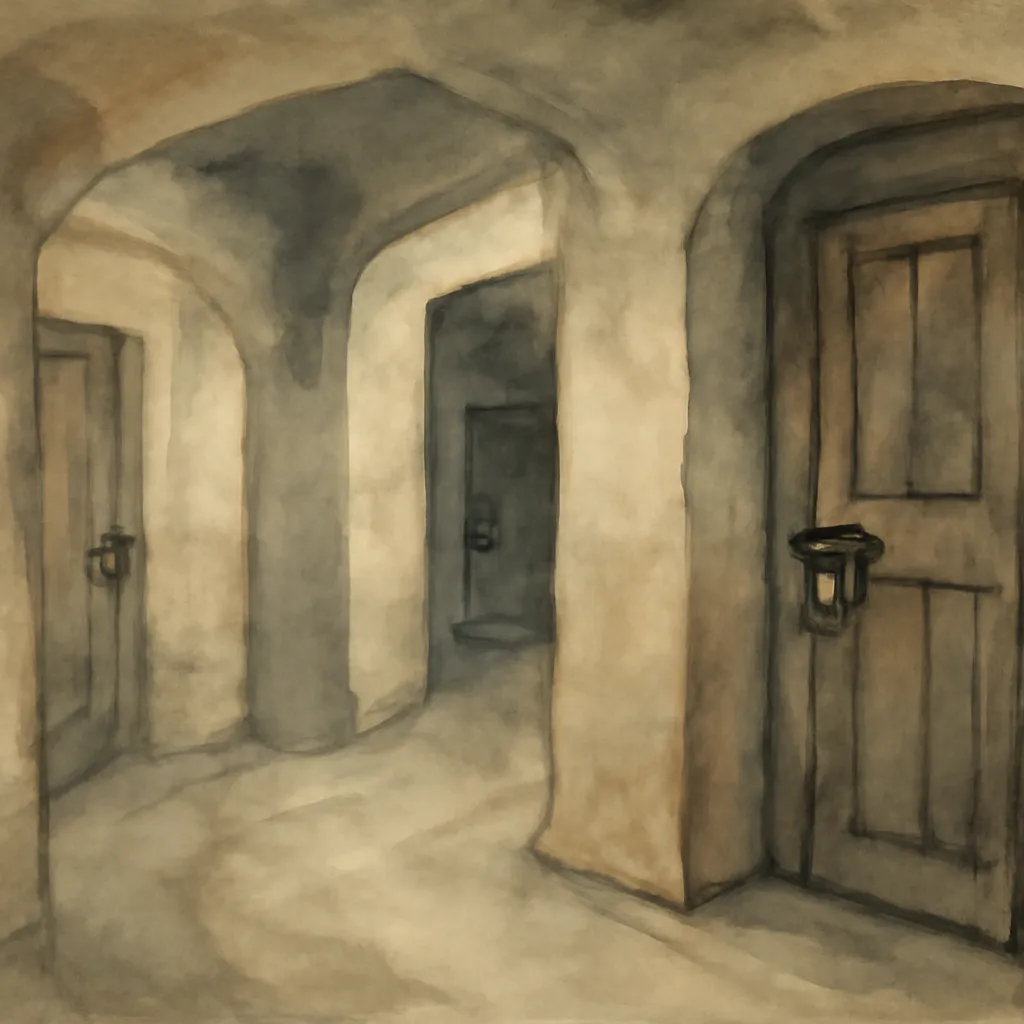
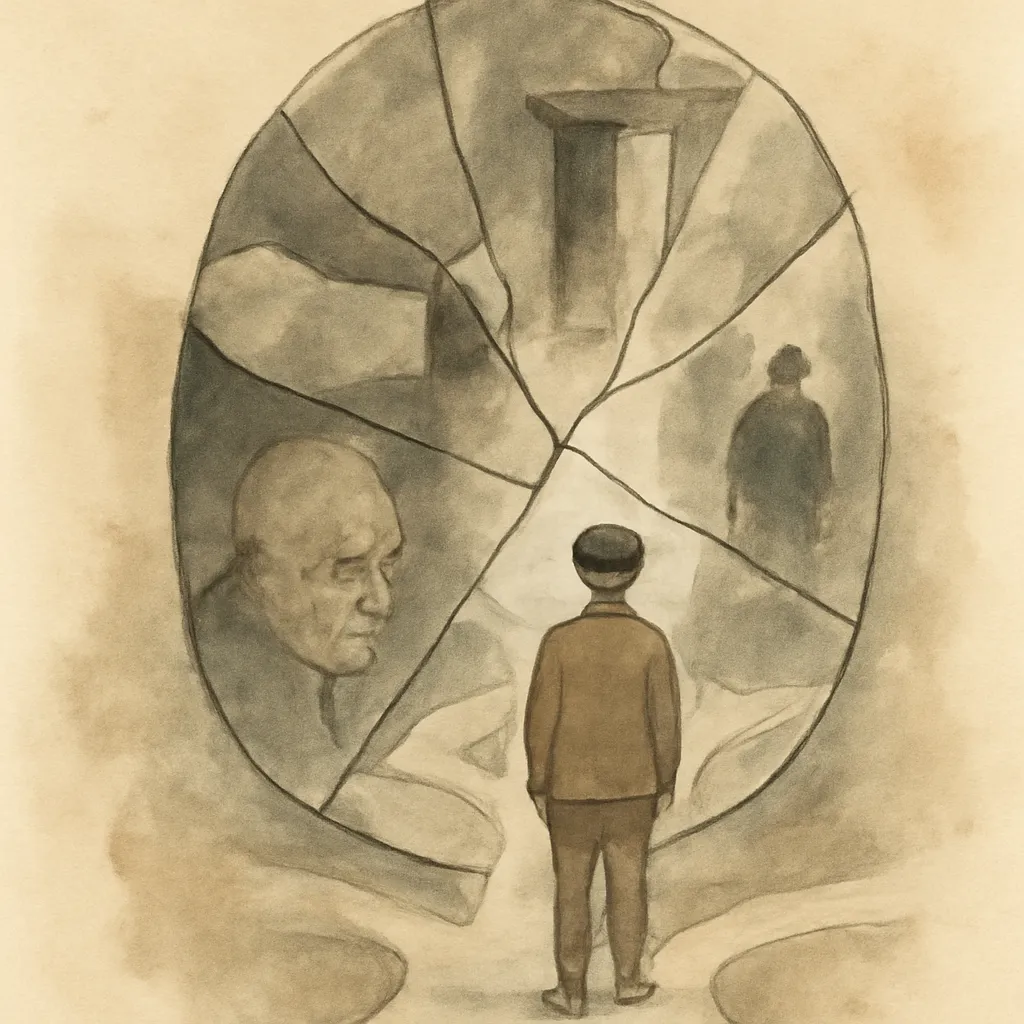
The narrative is steeped in secrets, as characters navigate a landscape where trust is scarce and betrayal looms large. Rouletabille, embodying the archetype of the inquisitive journalist, seeks to uncover the truth behind the veil of deception that shrouds the Trebassof family. His exploration of the general's hidden struggles and the family's intricate dynamics exposes the fragility of their lives. The theme of secrets is not merely about hidden information; it extends to the emotional burdens that characters carry. As Rouletabille delves deeper, the shadows of the past begin to intertwine with the present, revealing that the most dangerous secrets are often those held within the heart. The interplay of darkness and light throughout the narrative mirrors the characters' internal conflicts, showcasing how the struggle for truth often leads to painful revelations that can upend the delicate balance of their lives.
5.The Looming Threat of Revolution
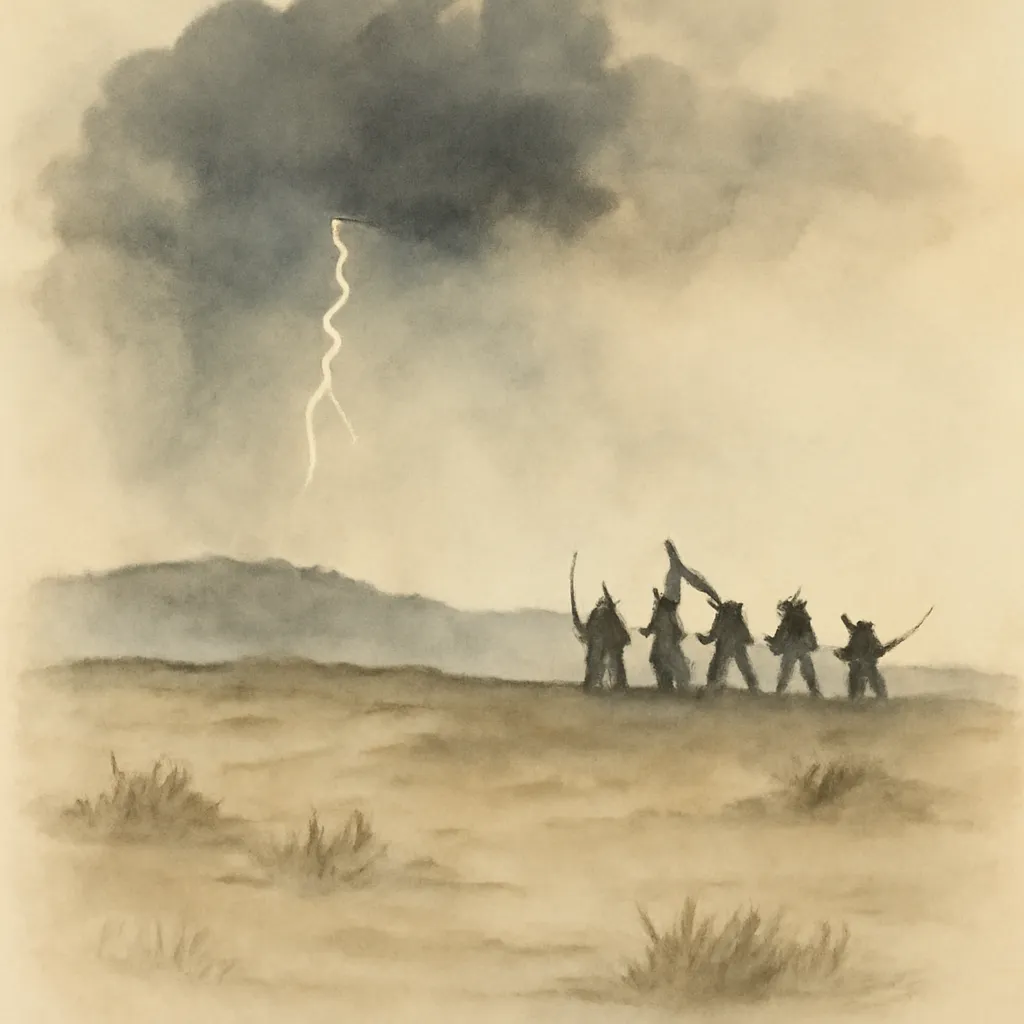
Set against the backdrop of a society on the brink of revolution, the novel reflects the tensions of a world in flux. The characters are acutely aware of the political landscape, with whispers of nihilism and rebellion echoing through their conversations. The threat of violence is ever-present, underscoring the precariousness of their existence. This atmosphere of fear and uncertainty serves as a catalyst for character development, forcing individuals to confront their values and make choices that will define their fates. The revolution becomes a metaphor for the internal struggles faced by the characters, as they navigate the complexities of loyalty, duty, and personal ambition amidst the chaos. The personal and political intertwine, suggesting that individual destinies are irrevocably shaped by the larger forces at play in society, and the imminent upheaval looms like a dark cloud over their lives.
6.Love and Sacrifice
At the heart of the narrative lies a poignant exploration of love and sacrifice, particularly through the character of Natacha. Her relationship with Rouletabille is fraught with tension, as their feelings for each other are tested by external pressures and internal conflicts. Natacha's determination to protect her family and her lover illustrates the sacrifices individuals make for those they care about. Her struggle to balance love with duty highlights the complexities inherent in human relationships, especially in times of crisis. The tension between personal desires and familial obligations is palpable, and Natacha's journey becomes a representation of the broader theme of sacrifice that permeates the narrative. The sacrifices made by the characters—whether through actions or choices—reveal the profound impact of love in its many forms, and the lengths to which individuals will go to safeguard those they cherish.
7.The Mysterious Hand and Poison
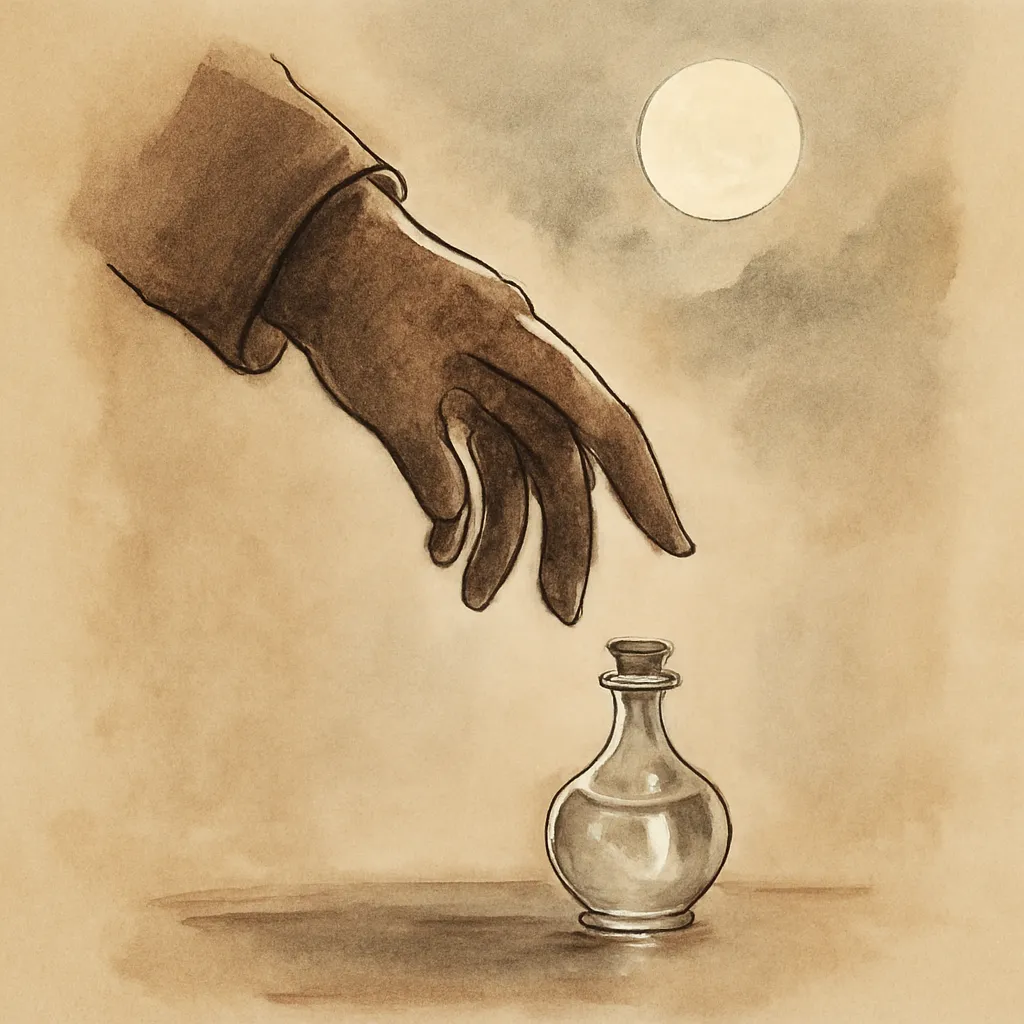
A pivotal moment in the story occurs when Rouletabille witnesses a mysterious hand pouring poison into a potion, heightening the tension and stakes of the narrative. This act of treachery encapsulates the lurking dangers that threaten the characters, as well as the lengths individuals will go to achieve their goals. The introduction of poison serves as a metaphor for the insidious nature of betrayal, illustrating how trust can be weaponized in the pursuit of power. This moment not only propels the plot forward but also deepens the sense of foreboding, as characters must grapple with the reality that danger can come from within their own ranks. The imagery of the poison and the secrecy surrounding its administration highlight the fragility of life, suggesting that even the most intimate relationships can harbor hidden threats. The anxiety surrounding the unknown and the potential for betrayal create an atmosphere of tension that permeates the story.
8.The Explosive Climax
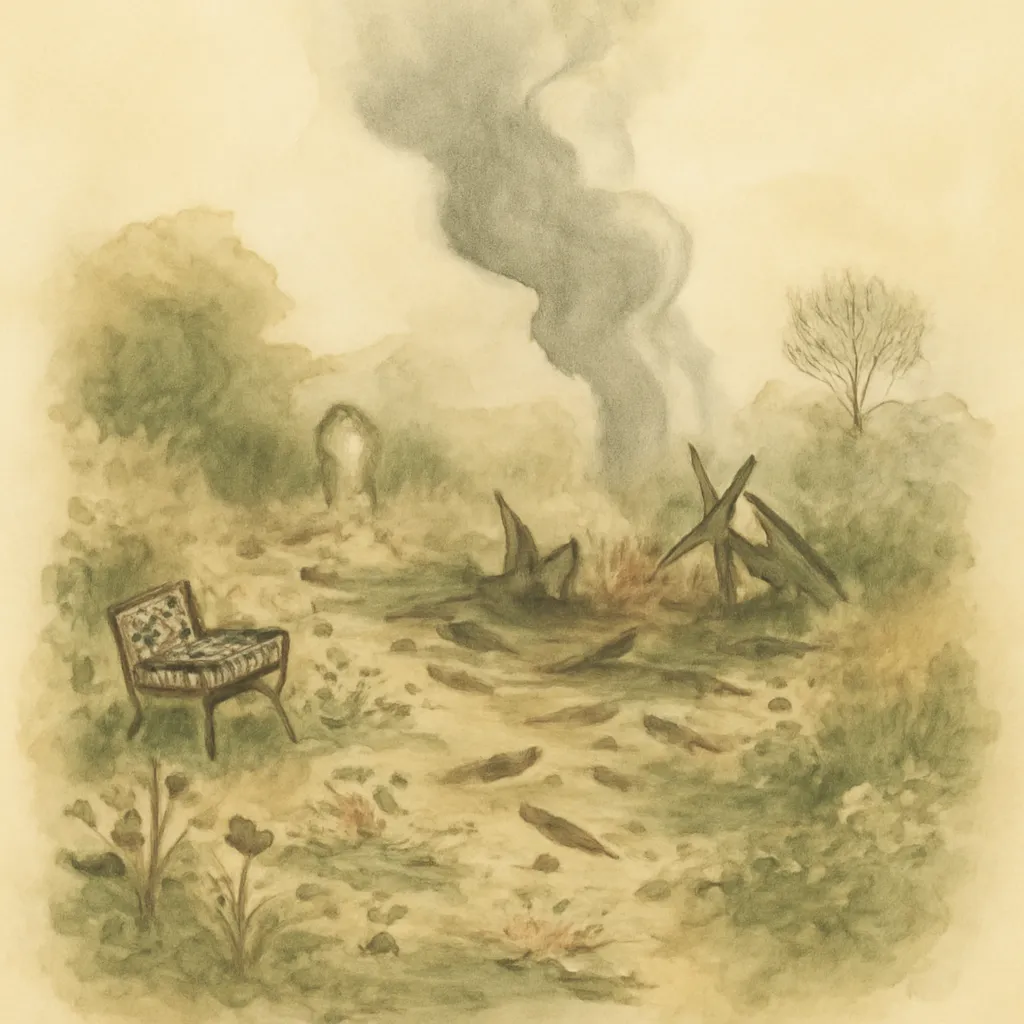
The novel reaches a harrowing climax with the simultaneous explosions orchestrated by the nihilists, resulting in chaos and destruction. The imagery of the datcha des Iles as a smoking ruin symbolizes the shattering of illusions and the fragility of the world the characters inhabit. The explosions serve as a brutal reminder of the cost of political turmoil, as lives are irrevocably altered in an instant. This moment encapsulates the themes of sacrifice and the unpredictability of fate, as characters confront the consequences of their choices and the realities of their existence. The aftermath of the explosions forces survivors to reckon with their losses and question their futures in a world forever changed. The chaos and destruction act as a catalyst for character transformation, compelling them to reassess their priorities and relationships in the wake of tragedy. The explosive climax serves as a powerful metaphor for the upheaval that can occur not only in society but also within the human heart.
9.The Search for Truth
Following the chaos of the explosions, Rouletabille's quest for truth intensifies. He grapples with the implications of the events that have unfolded and the mysteries that remain unsolved. This relentless pursuit of truth is not merely about uncovering facts; it is a journey of self-discovery as he confronts his own beliefs and motivations. The narrative emphasizes that the search for truth can be fraught with danger and moral ambiguity, as characters must navigate a landscape where right and wrong are often blurred. Rouletabille's determination to seek out the truth reflects the broader human desire for understanding and clarity in a world shrouded in uncertainty. The tension between personal conviction and societal expectations becomes a recurring theme in his journey, inviting readers to consider the lengths they would go to uncover the truth in their own lives.
10.The Final Confrontation
The concluding chapters of the novel culminate in a dramatic confrontation that tests the characters' resolve and moral convictions. Rouletabille faces the consequences of his actions as he stands at the crossroads of loyalty and betrayal. The choices made in this moment resonate deeply, revealing the complexities of human nature and the weight of personal responsibility. This climax serves as a powerful reflection on the themes of justice, retribution, and the enduring impact of one's decisions. The resolution of the narrative invites readers to ponder the fragility of life and the interconnectedness of the characters' fates, leaving a lasting impression that lingers long after the final page. Ultimately, the tension between personal desires and collective responsibilities comes to a head, forcing characters to confront the consequences of their choices and the moral implications of their actions.