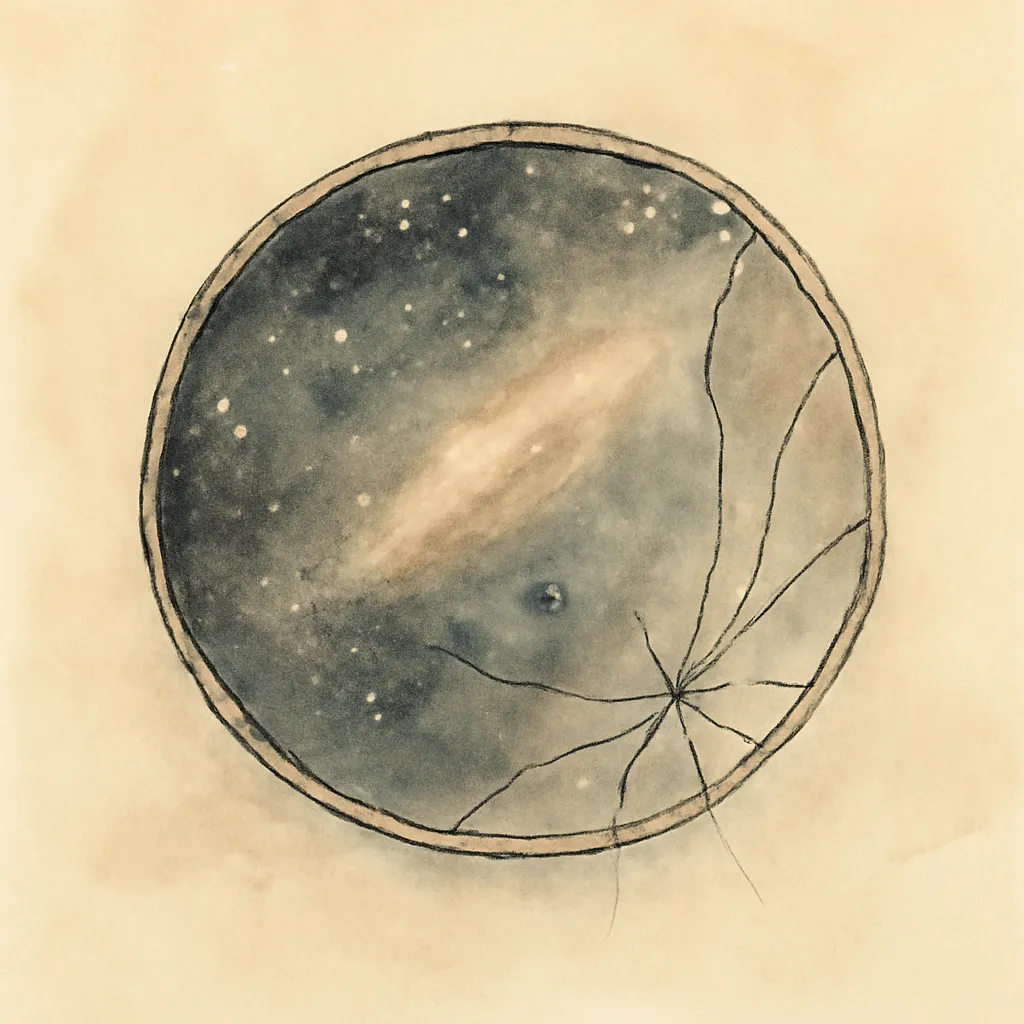
1.Homo Narcissus, Not Homo Deus
Money argues that humans are not the godlike beings we sometimes imagine, but rather deeply self-absorbed creatures. He coins the term 'Homo narcissus' to underscore our tendency toward self-importance and vanity. This perspective reframes our achievements, suggesting that our technological and cultural advances are often driven as much by self-interest and narcissism as by higher ideals. The book invites readers to question the narratives of human exceptionalism and to consider the consequences of our self-absorption for the planet and ourselves.
2.Biology as the Foundation of Humanity
The book grounds its analysis in the hard facts of biology, tracing our origins from microbes to modern Homo sapiens. Money emphasizes that our bodies, minds, and societies are products of evolutionary processes, not divine design. He explores genetics, reproduction, and brain function to show how much of what we consider uniquely human is shared with other life forms or arises from basic biological imperatives. This biological lens strips away illusions of superiority, reminding us of our animal nature.
3.The Paradox of Human Ingenuity
While celebrating the inventiveness and adaptability of our species, Money is clear-eyed about the costs. Our intelligence has enabled remarkable achievements, but it has also led to environmental destruction and social dysfunction. The same traits that fuel our progress—curiosity, creativity, ambition—can also drive exploitation and self-destruction. The book explores this paradox, urging readers to recognize that our greatest strengths are inseparable from our weaknesses.
4.Plundering the Biosphere
One of Money’s central themes is the unsustainable impact humans have had on the planet. He details how our consumption and expansion have led to mass extinctions, climate change, and the degradation of ecosystems. The book does not shy away from the uncomfortable truth that our dominance has come at the expense of other species and the health of the biosphere. This ecological critique is woven throughout, challenging readers to confront the ethical implications of our actions.
5.The Limits of Human Perspective
Money highlights how our understanding of the universe and ourselves is limited by our senses, biases, and self-interest. He places humanity in cosmic context, emphasizing the insignificance of our planet and the contingency of our existence. This humility is contrasted with our tendency to inflate our importance, both individually and as a species. The book encourages a more modest, scientifically grounded view of our place in the world.
6.A Call for Enlightened Self-Reflection
Rather than offering easy solutions, Money advocates for a deeper self-awareness. By recognizing our biological roots and the dangers of unchecked self-absorption, he suggests we might become better stewards of ourselves and the planet. The book’s accessible style invites readers from all backgrounds to reflect on how we might reconcile our intelligence with responsibility.