1.Regulation is Universal in Life
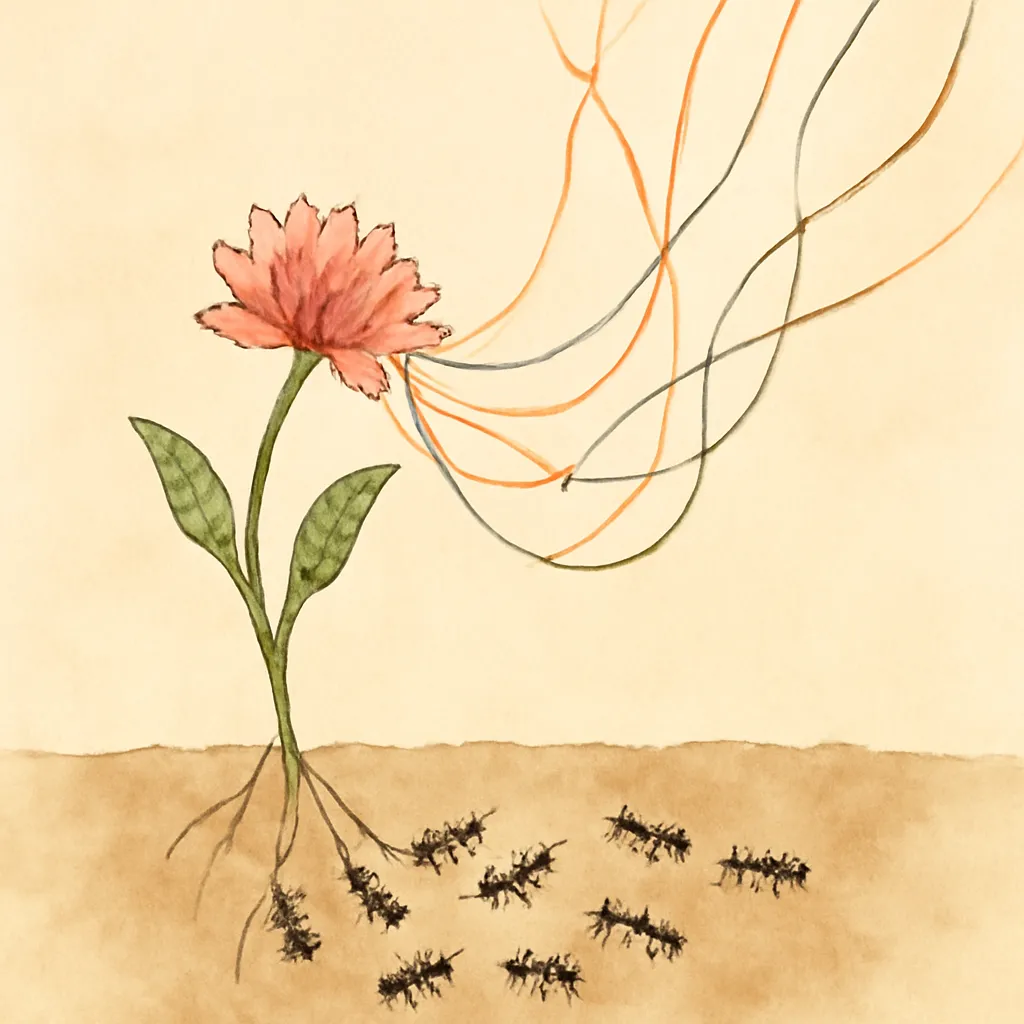
Carroll demonstrates that regulation—feedback mechanisms that maintain balance—is a fundamental principle in biology, operating from the molecular level inside cells to the population dynamics of entire ecosystems. Just as our bodies keep blood sugar or cell counts within healthy ranges, nature also maintains the balance of species in an ecosystem. This insight reframes our understanding of life as a process of constant adjustment, rather than mere chaos or random chance.
2.The Common Logic of Life
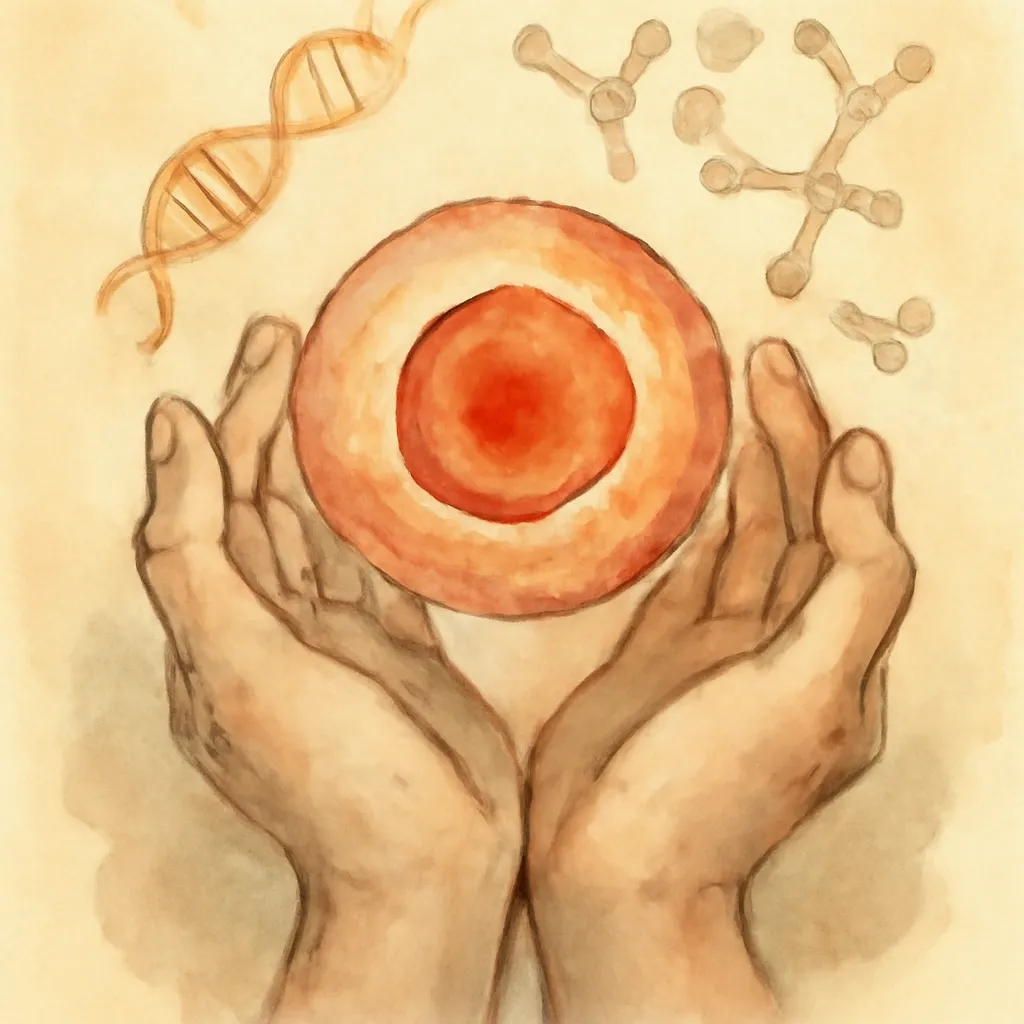
One of the book’s central revelations is that the rules governing molecular biology and ecology are strikingly similar. Carroll draws parallels between how proteins regulate cell growth and how predators control prey populations, showing that feedback loops and self-regulation are universal. This common logic suggests that the same scientific thinking can be applied to solve problems in medicine and conservation.
3.Stories of Scientific Discovery
Carroll brings the history of biology to life by profiling pioneering scientists—such as Jacques Monod, Jim Watson, and Bob Paine—whose work uncovered these regulatory rules. Through their stories, readers see how curiosity-driven research led to transformative insights, from the mechanisms of gene regulation to the concept of keystone species in ecology. The narrative emphasizes the human element in scientific progress.
4.Implications for Medicine
Understanding the regulatory rules of life has revolutionized medicine. Carroll explains how insights into molecular feedback systems have led to treatments for diseases like cancer and diabetes, where regulation goes awry. The book makes a persuasive case that advances in health depend on our ability to decipher and, when necessary, restore these natural rules.
5.Conservation and the Health of the Planet
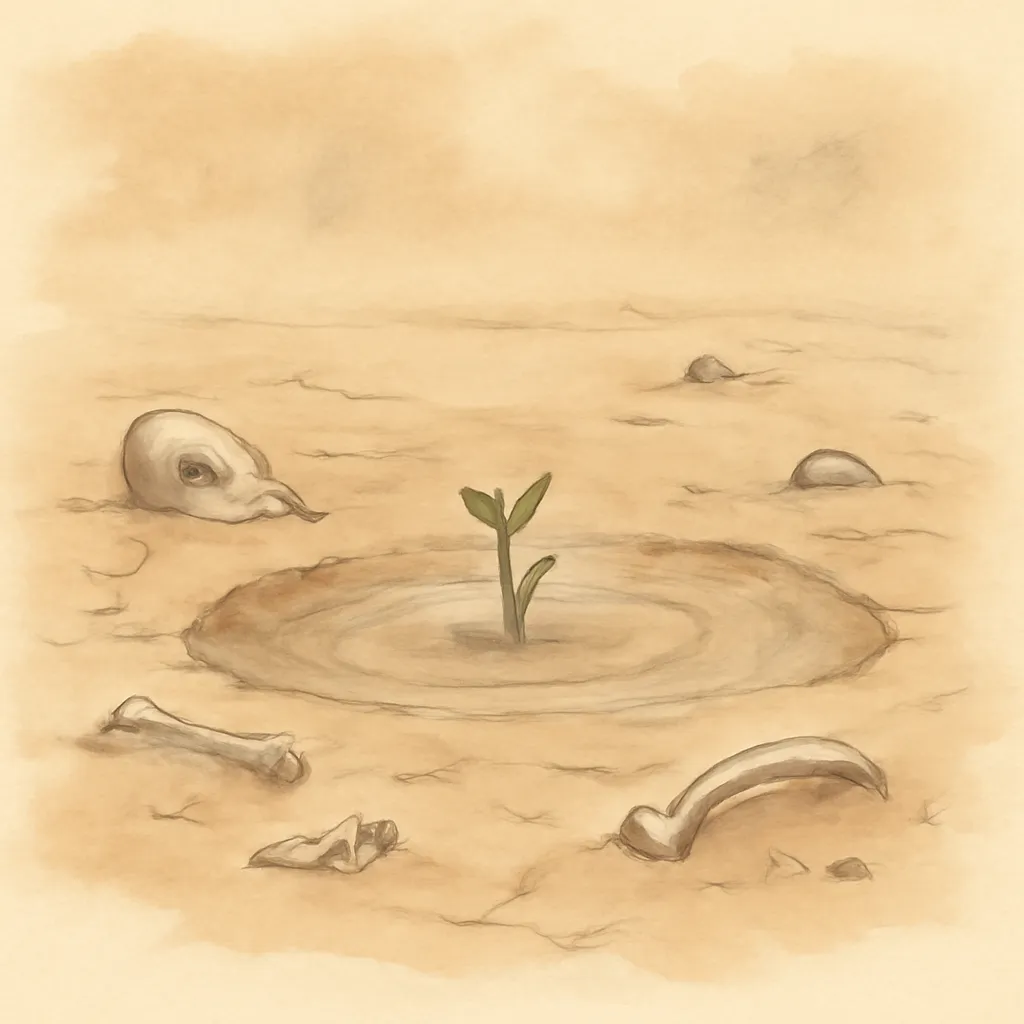
The Serengeti Rules also addresses the consequences of disrupting natural regulatory systems. Carroll illustrates how removing key species or altering habitats can trigger ecological collapse, and how restoration efforts can succeed by reestablishing lost regulatory relationships. The book argues for a science-based approach to conservation, grounded in understanding these fundamental rules.
6.A Call to Stewardship
Beyond its scientific content, the book is a call to recognize our responsibility as stewards of both our own bodies and the biosphere. Carroll urges readers to appreciate the fragility and resilience of regulatory systems, and to support efforts that maintain or restore balance at every scale of life.