1.The Burden of Suspicion
Ambler Jevons, a supporting character, serves as a foil to Ralph Boyd by embodying a carefree attitude towards life’s complexities. His dismissal of Boyd's suspicions reflects a broader theme of how fear can distort perception. Jevons suggests that the mind can magnify trivial issues into monumental fears, leading to unnecessary anxiety. This concept resonates throughout the narrative as Boyd's paranoia grows, showcasing how suspicion can poison relationships and cloud judgment. In the world of medicine, where Boyd is striving to establish his career, the burden of suspicion weighs heavily, affecting not only his professional reputation but also his personal relationships, particularly with Ethelwynn. Jevons' lighthearted perspective serves as a reminder that sometimes, letting go of unfounded fears can lead to clearer thinking and healthier interactions.
2.The Role of Environment in Shaping Behavior
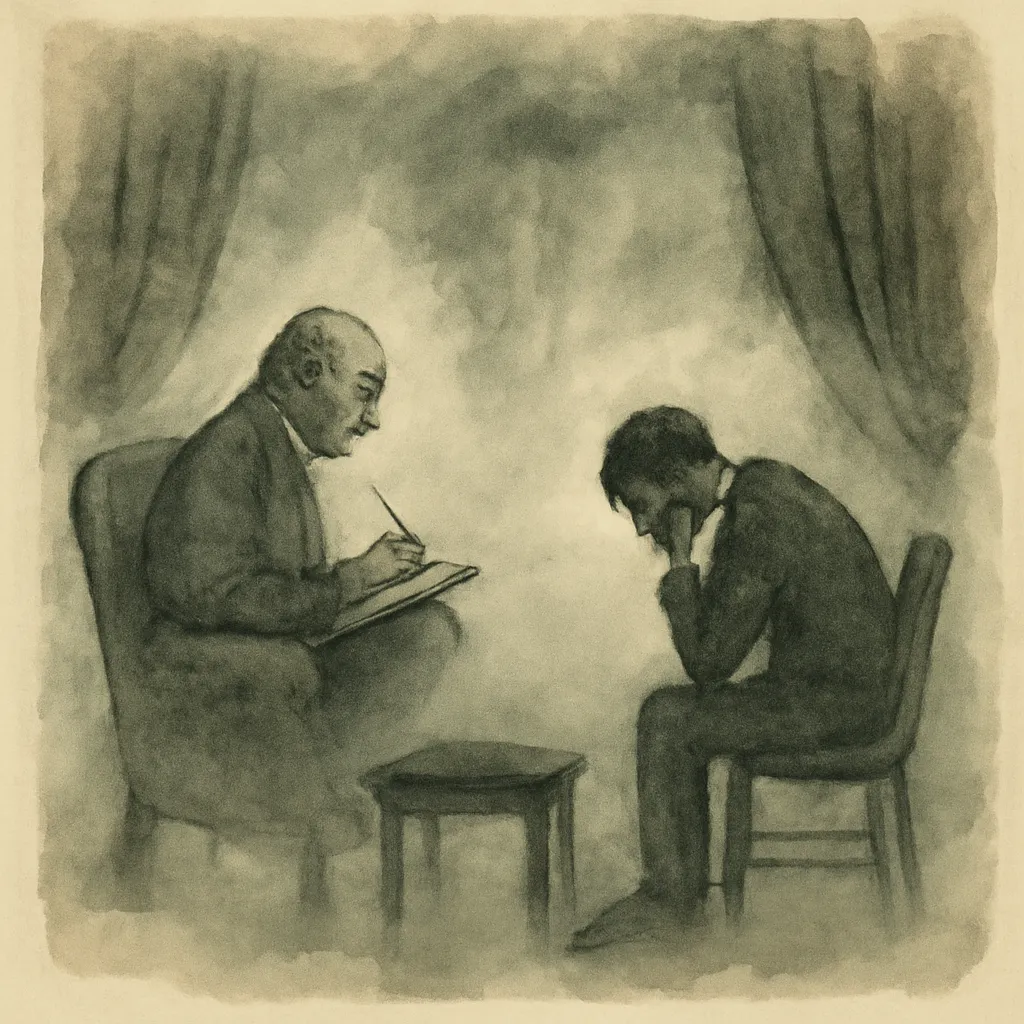
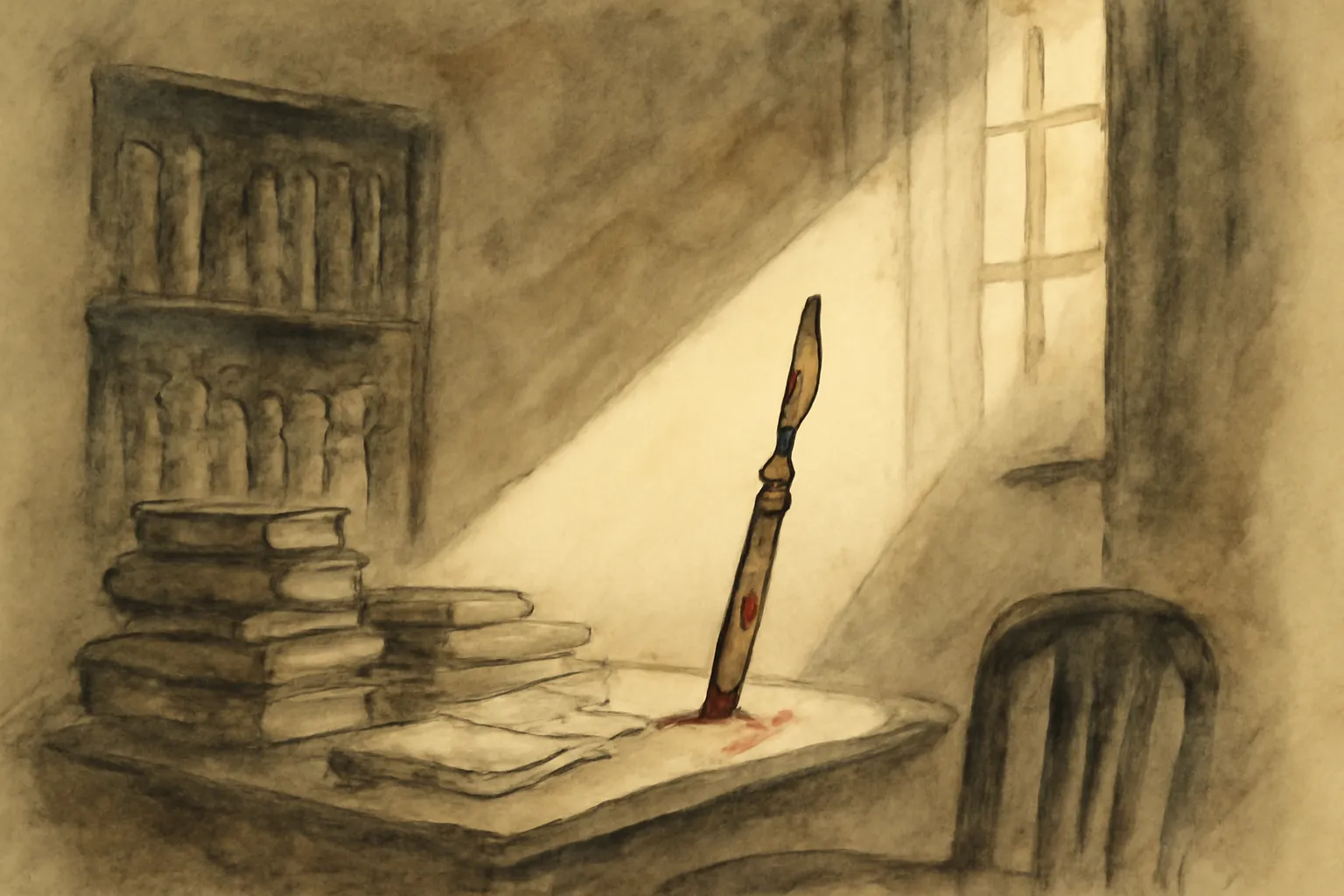
The settings in 'The Seven Secrets'—from the somber consulting room in Harley Street to the suburban home of the Courtenays—play a crucial role in shaping the characters’ behaviors and relationships. The oppressive atmosphere of Sir Bernard Eyton’s consulting room is emblematic of the medical profession's burdens, where patients are often reduced to mere cases rather than individuals with lives and stories. The dark green walls and heavy furniture create an environment that reflects the weight of societal expectations and personal anxieties. Similarly, the suburban home of the Courtenays, while appearing normal, harbors underlying tensions that hint at the complexities of their marriage. This contrast between public and private spaces highlights how individuals often conceal their true selves behind societal façades, leading to misunderstandings and ultimately, tragedy. Le Queux illustrates that our environments not only influence our actions but also dictate the dynamics of our relationships.
3.The Complexity of Human Relationships
At the heart of 'The Seven Secrets' lies the intricate web of human relationships, particularly between Ralph Boyd, Ethelwynn Mivart, and the Courtenays. Ethelwynn's character is depicted as both nurturing and enigmatic, embodying the dual nature of love and deceit. Her relationship with her sister Mary and her husband, Mr. Courtenay, is fraught with tension and unspoken grievances. Boyd’s affection for Ethelwynn complicates matters further, as his professional obligations clash with his personal feelings. The novel explores how love can be a source of strength as well as a catalyst for betrayal and jealousy. The dynamics within the Courtenay household illustrate the fragility of trust and the painful consequences of unaddressed issues. Le Queux emphasizes that human relationships are often layered with hidden motives, and understanding them requires a deep dive into emotional truths and vulnerabilities.
4.The Impact of Secrets and Lies
Secrets serve as a pivotal theme in 'The Seven Secrets', driving the plot and influencing character motivations. Ralph Boyd grapples with various secrets—his own suspicions about the death of Mr. Courtenay, the hidden truths of Ethelwynn’s relationships, and the dark pasts of the characters surrounding him. The narrative suggests that secrets, while often kept to protect oneself or others, ultimately lead to greater complications and tragedies. The very act of concealing the truth can create a rift between individuals, as seen in Ethelwynn’s relationship with her husband. The accumulation of lies leads to a devastating climax, demonstrating that the truth, no matter how painful, is far more powerful than the lies we tell ourselves and others. Le Queux masterfully illustrates that secrets can bind people together, but they can also tear them apart, leaving a trail of destruction in their wake.
5.The Dichotomy of Public Persona and Private Self
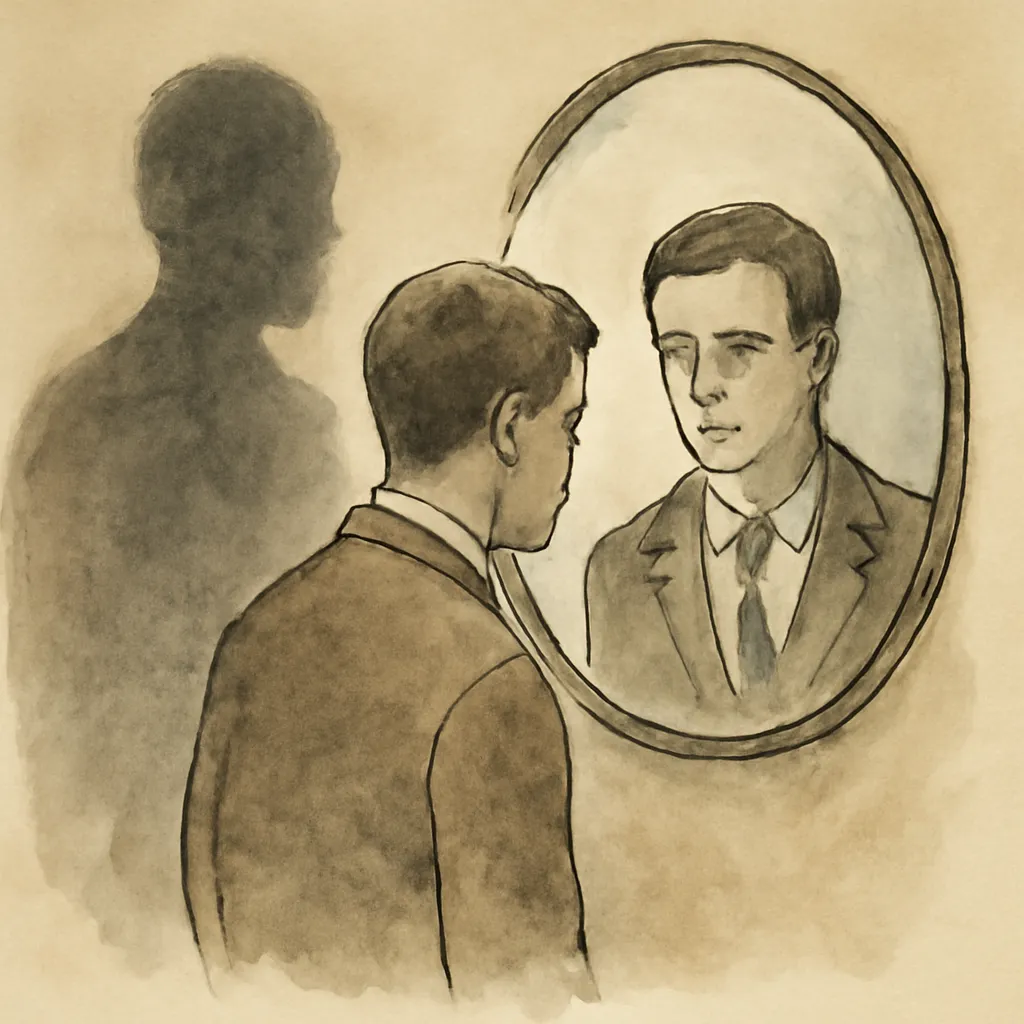
Le Queux expertly navigates the theme of public persona versus private self throughout 'The Seven Secrets'. Characters like Sir Bernard Eyton maintain a polished exterior, projecting success and authority while hiding personal insecurities and moral dilemmas. This dichotomy is particularly evident in the interactions between medical professionals and their patients, where the facade of competence and control often masks deeper emotional struggles. Boyd, as a doctor, feels the pressure to uphold a certain image, yet he finds himself entangled in a web of personal and ethical conflicts. The contrast between how characters present themselves and their true feelings highlights the societal expectations placed upon them, ultimately leading to their downfalls. Le Queux’s portrayal of this theme serves as a critique of the societal norms that compel individuals to suppress their true selves in favor of a more acceptable public image.
6.Murder as a Catalyst for Truth
The murder of Mr. Courtenay acts as a catalyst for the unraveling of various truths within the narrative. Boyd’s investigation into the death forces characters to confront their hidden motives and unresolved conflicts. The act of murder, while tragic, serves to expose the lies and secrets that had been festering beneath the surface of the Courtenay household. As Boyd delves deeper, he uncovers connections between the murder and the lives of those close to him, illustrating how violence can disrupt the status quo and compel individuals to reveal their true selves. The investigation also highlights the moral dilemmas faced by those involved, as they must choose between loyalty to one another and the pursuit of justice. Le Queux posits that sometimes, it takes a tragedy to bring about clarity, forcing characters to confront their realities and make difficult choices.
7.The Fragility of Life and Relationships

Le Queux poignantly captures the fragility of life and relationships in 'The Seven Secrets', particularly through the lens of illness and death. Mr. Courtenay’s suffering from cancer serves as a grim reminder of mortality, impacting not only his life but also the lives of those around him. The emotional toll of illness is explored through the dynamics of the Courtenay household, where love and resentment coexist in a delicate balance. Ethelwynn’s struggle to care for her ailing husband while navigating her own desires illustrates the complexities of love and duty. The narrative emphasizes that life can change in an instant, altering relationships in profound ways. This theme resonates throughout the story, reminding readers of the unpredictability of life and the importance of cherishing relationships while they last. Le Queux’s exploration of mortality adds depth to the characters’ struggles, underscoring the significance of emotional connections in the face of inevitable loss.
8.The Role of Class and Society
Class and societal expectations play a significant role in 'The Seven Secrets', influencing character behavior and relationships. The world of medicine, as depicted through Boyd and Eyton, is steeped in societal hierarchies that dictate how individuals interact. The upper-class patients often present their ailments in a manner that reflects their social status, while the lower-class characters, such as the servants, are often overlooked and undervalued. This class divide is evident in the treatment of Ethelwynn and her sister, Mary, as their societal standing impacts their choices and freedoms. Le Queux critiques the rigid class structures of his time, highlighting how they create barriers to genuine human connection. The narrative suggests that true understanding and empathy can only be achieved when individuals look beyond societal labels and acknowledge the shared human experience. This commentary on class serves as a backdrop for the unfolding drama, enriching the reader's understanding of character motivations.
9.The Influence of Gender Roles
Gender roles are intricately woven into the fabric of 'The Seven Secrets', shaping character interactions and societal expectations. Ethelwynn, as a woman in a male-dominated society, faces constraints that dictate her behavior and choices. Her relationship with her husband, Mr. Courtenay, reflects the power dynamics that often characterize marital relationships during this period. Le Queux illustrates how women were often relegated to the role of caretakers, expected to prioritize family over personal ambitions. This theme is further explored through the character of Mary, who grapples with her own desires and societal expectations. The tension between personal freedom and societal norms creates a rich backdrop for the unfolding drama, as female characters navigate their roles within the constraints of their time. Le Queux’s portrayal of gender roles serves as a critique of the limitations placed upon women, inviting readers to reflect on the evolving nature of gender dynamics.
10.The Search for Redemption
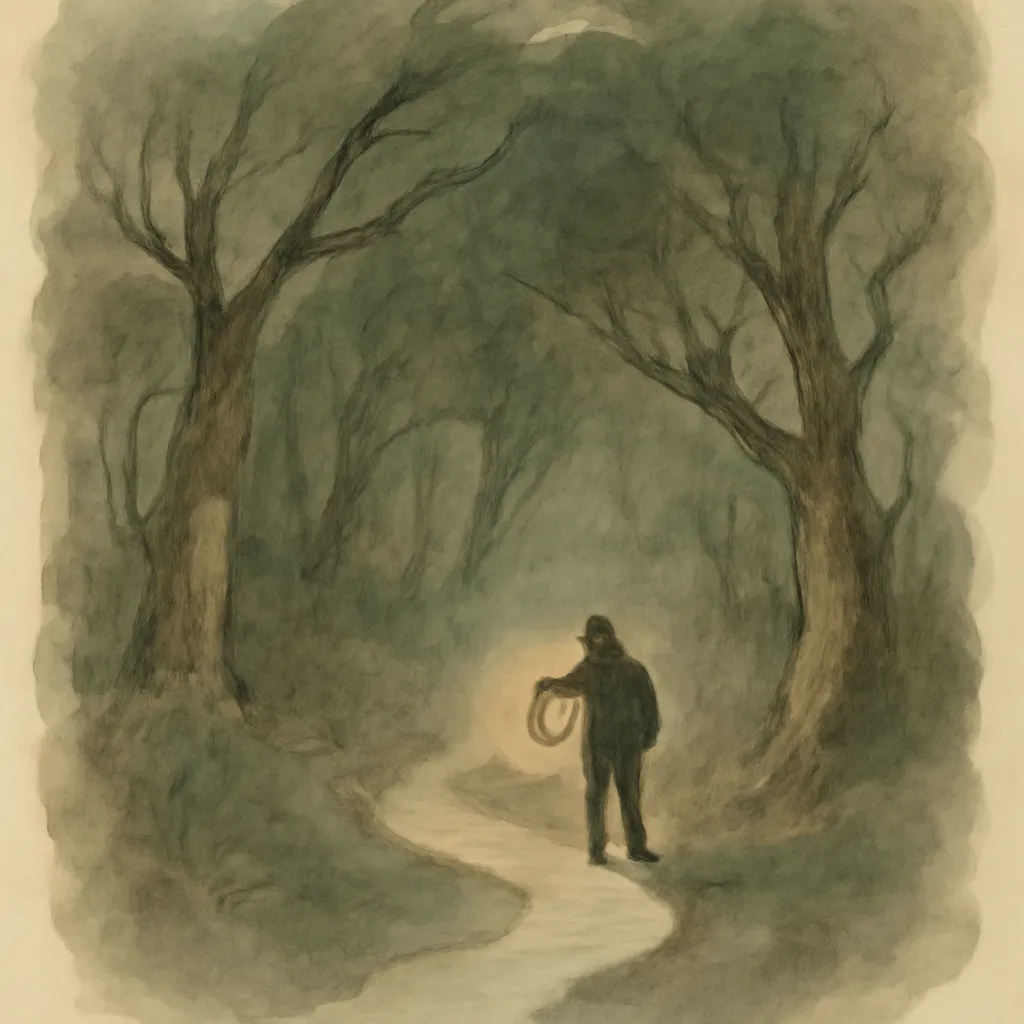
In 'The Seven Secrets', the quest for redemption is a driving force for several characters, particularly Ralph Boyd. Haunted by his suspicions and the consequences of his actions, Boyd embarks on a journey to uncover the truth surrounding Mr. Courtenay’s murder. This search for answers becomes intertwined with his desire for personal redemption, as he grapples with feelings of guilt and responsibility. The narrative suggests that redemption is not easily attained; it requires confronting uncomfortable truths and making difficult choices. Boyd’s journey is marked by moments of self-discovery, where he must reconcile his professional obligations with his personal feelings. Le Queux’s exploration of redemption emphasizes the moral complexities of human behavior, showcasing that the path to forgiveness often involves facing the darker aspects of oneself. This theme resonates deeply, inviting readers to consider their own journeys toward redemption in the face of life’s challenges.