1.Group Selection as Evolution’s Engine
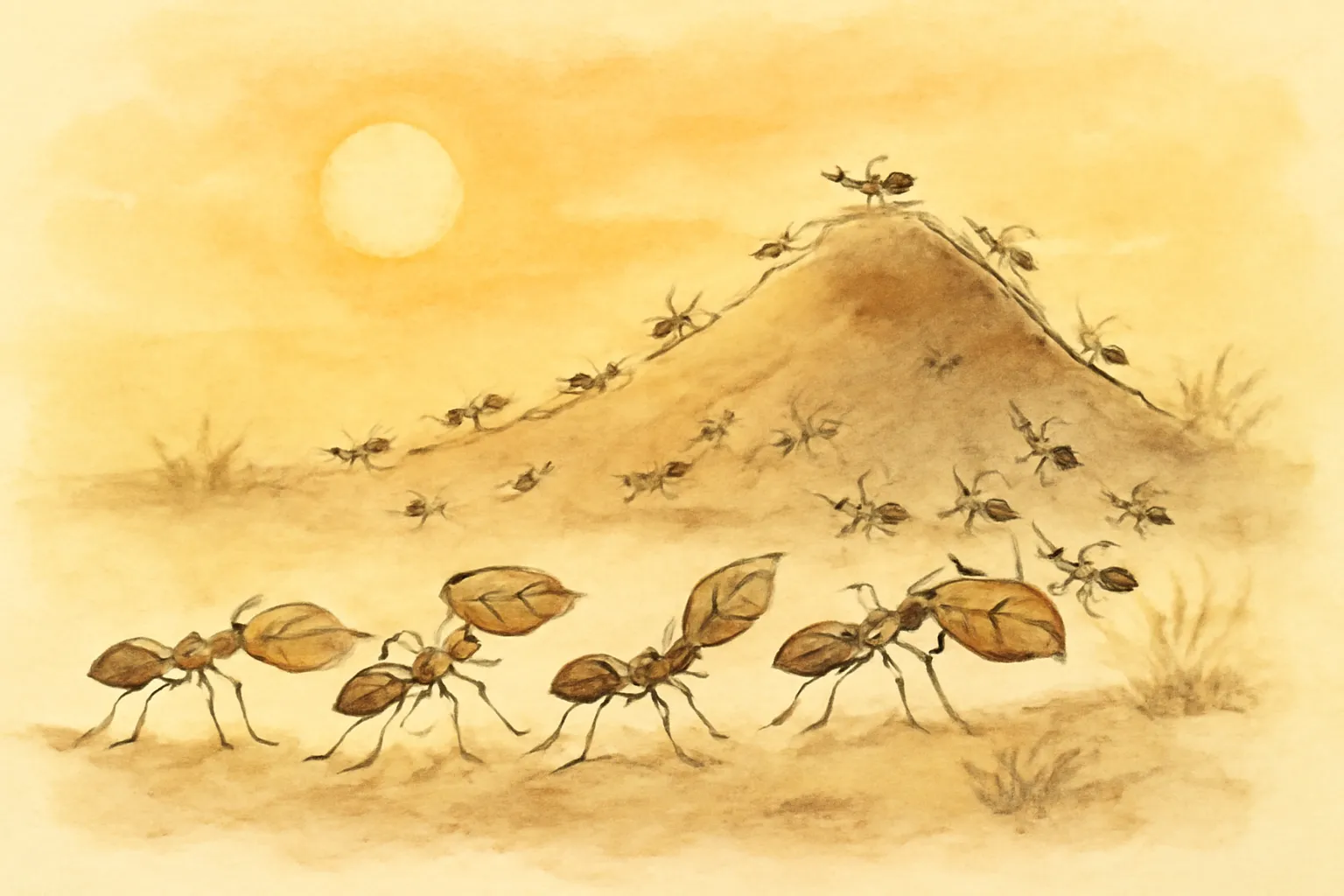
Wilson argues that the evolution of complex social behavior in humans (and other species like ants and bees) is best explained by group selection, not just kin selection. While kin selection focuses on genetic relatives helping each other, group selection posits that groups with cooperative, altruistic members outcompete less cohesive ones. This controversial stance reopens debates in evolutionary biology, suggesting that our social instincts evolved because they benefited the groups we belonged to, not just our immediate families.
2.The Duality of Human Nature
A central theme is the 'conflicted' nature of humanity: we are pulled between selfish individual impulses and the demands of group cohesion. Wilson frames this as an evolutionary tug-of-war, where natural selection at the individual level fosters competition, while selection at the group level rewards cooperation and even self-sacrifice. This duality, he claims, is the root of both our greatest achievements and our capacity for conflict.
3.Origins of Morality and Religion
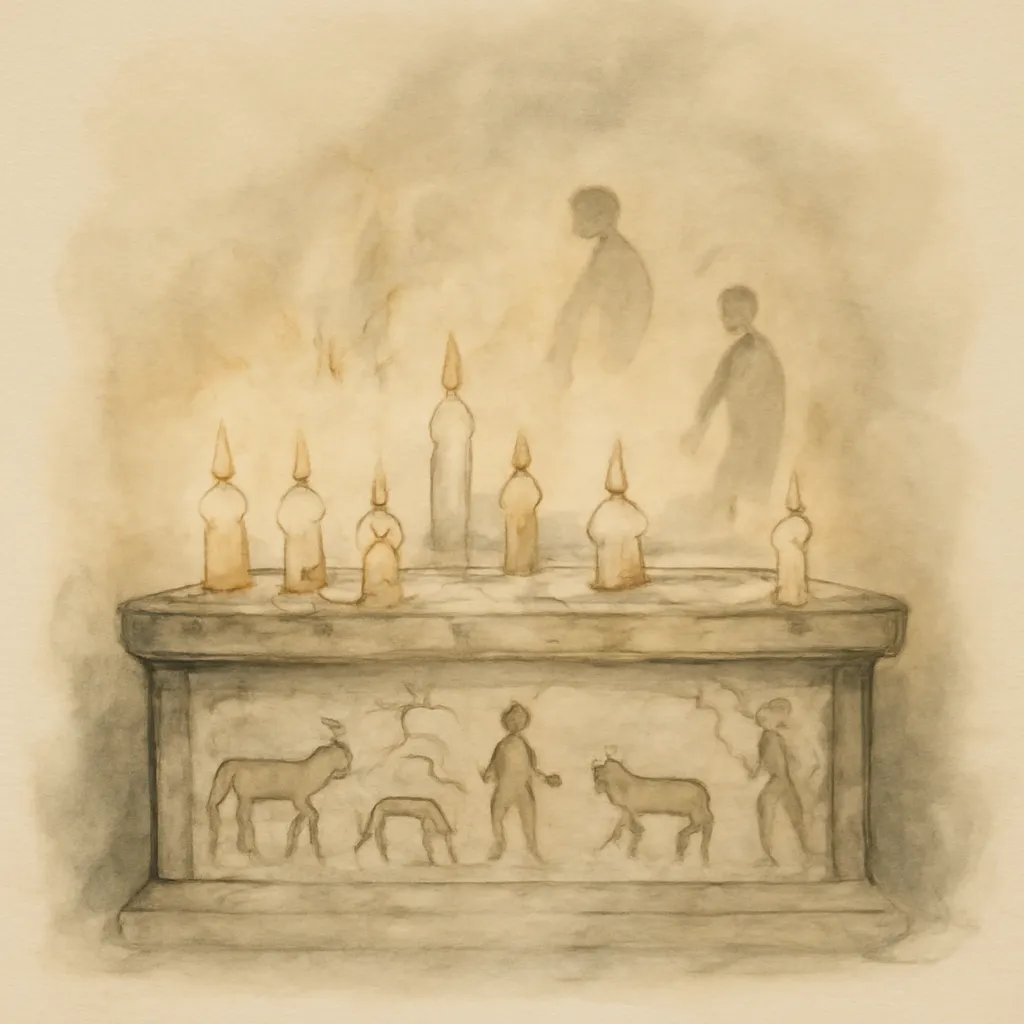
Wilson contends that morality and religion are not supernatural gifts but products of biological evolution. He traces the emergence of moral codes and religious beliefs to the need for social cohesion and group survival. By providing shared narratives and rules, religion and morality help bind groups together, making them more resilient and competitive.
4.The Creative Arts as Social Glue
Art, music, and storytelling, Wilson argues, evolved as tools for social bonding and communication. These creative expressions foster group identity, transmit knowledge, and reinforce shared values. Rather than being mere byproducts of intelligence, the arts are seen as adaptive traits that contributed to the success of human societies.
5.The Blessing and Curse of Tribalism
Wilson warns that the same evolutionary forces that made us successful as a species also make us prone to tribalism and conflict. Our drive to belong and defend our group can lead to xenophobia, war, and intolerance. Understanding these roots, he suggests, is essential if we are to overcome them and build a more cooperative global society.
6.Human Uniqueness and Continuity with Nature
While celebrating the distinctiveness of human achievements, Wilson consistently situates us within the broader tapestry of life. He draws parallels between human societies and those of other eusocial species, emphasizing both our uniqueness and our deep evolutionary connections to the natural world.